
In an era saturated with media choices, finding your desired content can sometimes feel like a quest through a labyrinth of channels, apps, and platforms. The simple question, “What channel is Paramount on?”, belies a complex evolution in how we consume television and film. Paramount, a name synonymous with cinematic history and compelling television, has significantly expanded its presence beyond traditional linear broadcasting into a multifaceted digital ecosystem. This article delves into the technological pathways available for accessing Paramount content, offering a comprehensive guide to help you find your shows, whether you’re a cord-cutter, a cable subscriber, or somewhere in between.

The Evolution of Content Delivery: From Linear TV to Streaming Dominance
The journey of television content delivery has undergone a dramatic transformation, driven by technological advancements and shifting consumer preferences. Understanding this evolution is key to comprehending the various “channels” through which Paramount’s vast library is now accessible.
Traditional Cable and Satellite Providers: The Linear Channel Experience
For decades, the answer to “what channel is Paramount on” was straightforward: it was a specific numbered channel on your cable or satellite TV guide. This linear model, where content is broadcast at scheduled times, defined television viewing for generations. Providers like Spectrum, Xfinity, DirecTV, and Dish Network served as the gatekeepers, bundling channels into packages. The Paramount Network, known for its mix of original dramas like “Yellowstone” and popular movies, remains a staple in these traditional bundles, offering a curated viewing experience tied to a schedule. This model relies on robust infrastructure for signal transmission, whether through coaxial cables or satellite dishes, delivering a consistent stream of content directly to your television set.
The Rise of Streaming Services: On-Demand Access
The advent of broadband internet revolutionized content consumption, giving birth to streaming services. This paradigm shift moved away from fixed schedules and physical media to an on-demand, internet-delivered model. Services like Netflix, Hulu, and Amazon Prime Video demonstrated the immense appeal of watching what you want, when you want, across a multitude of devices. This era saw content delivery transform from a broadcast technology to an internet-based software solution. Paramount Global, recognizing this trend, strategically invested in its own dedicated streaming platform, Paramount+, positioning itself to compete in the burgeoning streaming wars and offering direct-to-consumer access to its expansive content library.
Hybrid Models: Blending Old and New
Today’s media landscape is characterized by a hybrid approach, where traditional linear channels coexist with and often integrate into streaming platforms. Many cable and satellite providers now offer apps that allow subscribers to stream live TV and on-demand content on mobile devices, bridging the gap between traditional and digital access. Similarly, live TV streaming services like YouTube TV, Hulu + Live TV, and Sling TV bundle traditional channels, including Paramount Network, but deliver them over the internet, essentially digitizing the linear TV experience. This technological convergence offers viewers unprecedented flexibility, allowing them to choose the access method that best suits their lifestyle and device preferences.
Locating Paramount Network: Traditional TV Access
For those who maintain a traditional cable or satellite subscription, finding the Paramount Network involves a simple navigation of your provider’s channel lineup.
Identifying Paramount Network on Major Providers
The specific channel number for Paramount Network varies depending on your geographic location and your TV provider. However, it’s widely available across all major services:
- Xfinity (Comcast): Typically found in the 50s-70s range, but can vary by region.
- Spectrum: Often in the 40s-80s, depending on the market.
- DirecTV: Usually on channel 241.
- Dish Network: Generally on channel 241.
- Cox: Channel numbers vary widely by location.
Most providers include Paramount Network in their standard entertainment packages, ensuring broad availability for subscribers.
Channel Finders and Provider Specifics
The most reliable way to pinpoint the exact channel for Paramount Network is to use your provider’s official resources. Most cable and satellite companies offer online channel finders on their websites or within their mobile apps. Simply enter your zip code and provider information, and these digital tools will display your localized channel lineup. Alternatively, consulting your on-screen program guide (accessible via your remote control) will directly show the current programming and channel number.
Troubleshooting Cable/Satellite Access
If you’re having trouble finding or accessing Paramount Network via your traditional TV service, a few basic troubleshooting steps can often resolve the issue. First, ensure your subscription package includes the channel; sometimes, a higher tier package is required. Second, check for service outages in your area through your provider’s status page or app. Lastly, a simple restart of your cable box or satellite receiver can often refresh the system and resolve minor technical glitches.
Paramount’s Digital Ecosystem: The Streaming Revolution
Beyond the confines of traditional cable, Paramount has established a robust digital footprint, primarily through its dedicated streaming service, Paramount+, and its presence on various third-party streaming platforms. This is where technology truly enables personalized and on-demand access.
Paramount+: Your Go-To Streaming Hub

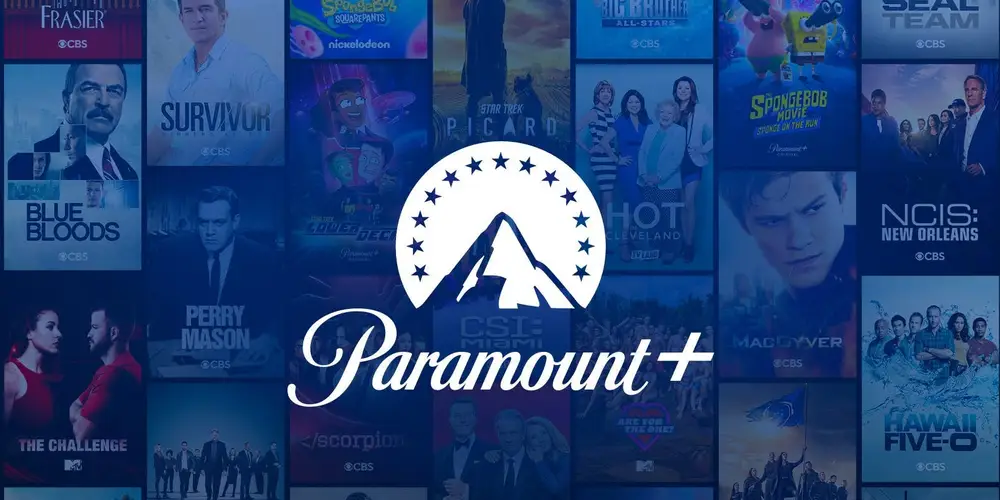
Paramount+ is the technological cornerstone of Paramount’s digital strategy. Launched as a direct successor to CBS All Access, it’s an app-based streaming service offering an extensive library from Paramount’s various brands, including CBS, MTV, Comedy Central, BET, Nickelodeon, and the Smithsonian Channel, alongside exclusive original content.
- Content Library and Exclusives: Paramount+ boasts thousands of hours of on-demand content, encompassing current and classic TV shows, movies, and live sports. Crucially, it’s the exclusive streaming home for popular Paramount Network shows like “Yellowstone” (after their initial broadcast windows) and a growing slate of Paramount+ Originals such as “Star Trek: Strange New Worlds,” “1883,” and “Halo.” This platform leverages sophisticated content management systems and recommendation algorithms to deliver a tailored viewing experience.
- Subscription Tiers and Pricing: Paramount+ offers different subscription tiers, typically including an ad-supported option and a premium ad-free option, sometimes bundled with Showtime content. These tiers represent varying levels of access and user experience, reflecting a common pricing strategy in the streaming market that balances affordability with premium features.
- Supported Devices and Apps: A key technological advantage of Paramount+ is its broad device compatibility. The Paramount+ app is available on virtually all major streaming devices and platforms, including:
- Smart TVs: Samsung, LG, Vizio, Sony, Android TV, Roku TV.
- Mobile Devices: iOS (iPhone, iPad), Android phones and tablets.
- Streaming Sticks/Boxes: Roku, Amazon Fire TV, Apple TV, Google Chromecast.
- Gaming Consoles: PlayStation, Xbox.
- Web Browsers: Accessible directly via paramountplus.com.
This widespread availability ensures that users can access their content seamlessly across their preferred gadgets, from the largest screen in the living room to a smartphone on the go. The underlying app technology is designed for cross-platform functionality, providing a consistent user interface and experience regardless of the device.
Other Platforms Featuring Paramount Content
While Paramount+ is the primary digital home, Paramount content is also accessible through other streaming avenues, particularly live TV streaming services that replicate a traditional cable bundle over the internet.
- Live TV Streaming Services: Platforms like Hulu + Live TV, YouTube TV, Sling TV, and FuboTV include the linear Paramount Network as part of their channel lineups. For subscribers to these services, the answer to “what channel is Paramount on” is integrated into their app’s channel guide, offering live broadcasts of Paramount Network programming. These services utilize internet protocol television (IPTV) technology to deliver broadcast streams directly to your devices, effectively making your internet connection the new “cable.”
- Integration with Third-Party Bundles: Paramount Global also licenses its content to other platforms. For instance, some of Paramount’s movie library might be available on services like Amazon Prime Video for rent or purchase, or occasionally included with a Prime subscription. This strategic content licensing expands Paramount’s reach and provides additional revenue streams, even if it adds a layer of complexity for viewers trying to locate specific titles.
Maximizing Your Paramount Viewing Experience
With so many ways to access Paramount content, optimizing your setup can significantly enhance your viewing pleasure. This involves technical considerations from network performance to device management.
Optimizing Your Internet Connection for Streaming
High-quality streaming, especially in HD or 4K, demands a stable and fast internet connection. For Paramount+, as with any streaming service, a minimum download speed of 5-10 Mbps is generally recommended for HD, with 25+ Mbps ideal for 4K streaming and households with multiple users. Using a wired Ethernet connection for your streaming device (if possible) can often provide more stable performance than Wi-Fi, reducing buffering and improving picture quality. Regularly checking your internet speed and upgrading your plan if necessary are crucial technical steps for a seamless streaming experience.
Device Compatibility and App Management
Ensuring your devices are compatible with the latest versions of streaming apps like Paramount+ is essential. Older smart TVs or streaming sticks might not support the newest app updates, potentially leading to performance issues or lack of access to new features. Regularly updating your device’s operating system and the Paramount+ app itself ensures you have the latest security patches, bug fixes, and performance enhancements. Managing app storage and clearing caches can also help maintain smooth operation, especially on devices with limited memory.
Personalization and User Interface Navigation
Modern streaming apps are designed with sophisticated user interfaces and personalization features. Take advantage of Paramount+’s profiles, watchlists, and recommendation engines. Profiles allow different household members to maintain their viewing history and preferences, leading to more accurate content suggestions. Understanding how to use the app’s search function, browse categories, and manage your watchlist will make finding content significantly easier and more enjoyable. These UI/UX elements are critical software components that shape the user’s interaction with the vast content library.
Digital Security and Account Management
As you integrate more streaming services into your digital life, robust digital security practices become paramount. Use strong, unique passwords for your Paramount+ account and enable multi-factor authentication if available. Be wary of phishing attempts that try to steal your login credentials. Regularly review your account settings and connected devices to ensure no unauthorized access. Understanding how to manage your subscription, including pausing or canceling, is also a vital aspect of digital literacy in the subscription economy.
The Future of Paramount Content Access
The technological landscape of content delivery is dynamic, and Paramount, like all major media players, is continuously evolving its strategy for content distribution and consumption.
Consolidation vs. Diversification
The future may see a continued tension between consolidation and diversification. While major players like Paramount are building their own streaming hubs, there’s also a trend towards “super-bundles” or aggregators that combine multiple services, simplifying the user experience and potentially offering cost savings. Technologies like universal search and single sign-on across platforms could become more prevalent, reducing the friction of navigating multiple apps and subscriptions.
AI-Powered Recommendations and Search
Artificial intelligence and machine learning are increasingly at the core of how streaming services deliver personalized content. Expect more sophisticated AI-powered recommendation engines that predict your preferences with greater accuracy, alongside advanced natural language processing (NLP) for voice-activated search, making it even easier to articulate “what channel is Paramount on” or “play Yellowstone” directly to your device.
Interactive Viewing and Emerging Technologies
The horizon of content access also includes emerging technologies like augmented reality (AR) and virtual reality (VR), which could offer new, immersive ways to interact with Paramount’s content. While mainstream adoption is still nascent, these technologies hold the promise of transforming passive viewing into interactive experiences, potentially extending the “channel” beyond a flat screen into a 3D environment.
In conclusion, “what channel is Paramount on” is no longer a simple question with a single answer. It’s a gateway to understanding the intricate technological framework that underpins modern media consumption. Whether through traditional cable, dedicated streaming apps, or hybrid live TV services, accessing Paramount’s rich content library is a testament to the continuous innovation in content delivery and user experience design. By understanding these diverse avenues and optimizing your technical setup, you can ensure your favorite Paramount shows and movies are always just a click, tap, or voice command away.
aViewFromTheCave is a participant in the Amazon Services LLC Associates Program, an affiliate advertising program designed to provide a means for sites to earn advertising fees by advertising and linking to Amazon.com. Amazon, the Amazon logo, AmazonSupply, and the AmazonSupply logo are trademarks of Amazon.com, Inc. or its affiliates. As an Amazon Associate we earn affiliate commissions from qualifying purchases.