
The question “who owns Tesla Motor Company?” might seem straightforward, but the answer delves into the intricate world of public markets, corporate finance, and the nuanced distribution of power within one of the world’s most talked-about companies. At its core, Tesla, Inc. (NASDAQ: TSLA) is a publicly traded entity, meaning ownership is fractionalized and distributed among millions of shareholders, both large and small, across the globe. Understanding this ownership structure is crucial for investors, analysts, and anyone interested in the financial underpinnings and strategic direction of the electric vehicle and clean energy giant. It’s not about a single entity or individual holding absolute sway, but rather a dynamic interplay of various stakeholders, each with their own financial motivations and influence. This article will dissect the complex layers of Tesla’s ownership, exploring the roles of retail investors, institutional behemoths, and the enduring, albeit evolving, stake of its visionary founder, Elon Musk.
The Publicly Traded Nature of Tesla: A Shareholder-Owned Enterprise
Tesla’s status as a publicly traded company on the NASDAQ stock exchange fundamentally dictates its ownership structure. Unlike a privately held company where ownership might be concentrated among founders, family, or a small group of private equity firms, a public company’s shares are available for purchase by anyone with a brokerage account. Each share represents a tiny fraction of ownership, conferring certain rights, including the potential for capital appreciation, dividends (though Tesla does not currently pay them), and voting rights on key corporate matters. This democratization of ownership is a cornerstone of modern capitalism, allowing companies to raise significant capital for growth and innovation by selling equity to a broad investor base.
The Role of Common Stock and Retail Investors
At the heart of Tesla’s public ownership lies its common stock. When an individual, often referred to as a “retail investor,” buys TSLA shares, they are acquiring a piece of the company. Collectively, retail investors represent a formidable force in Tesla’s ownership landscape. Fuelled by a passionate belief in Tesla’s mission, its innovative products, and the charismatic leadership of Elon Musk, millions of individual investors hold Tesla stock. This widespread retail ownership has contributed significantly to Tesla’s liquidity and, at times, its notorious volatility. These individual shareholders, despite each holding a relatively small percentage, can collectively influence stock price movements and, through proxy voting, express their preferences on corporate governance issues, although their direct impact on major strategic decisions is often diluted by the sheer volume of shares held by larger entities.
Institutional Investors: The Quiet Giants of Ownership
While retail investors garner much attention, the true titans of Tesla’s ownership are institutional investors. These are large organizations that invest on behalf of their clients, including mutual funds, exchange-traded funds (ETFs), pension funds, hedge funds, and sovereign wealth funds. These entities manage trillions of dollars in assets and typically hold vast blocks of shares across numerous companies, including Tesla. Their investment decisions are often driven by sophisticated financial models, long-term strategic allocations, and a focus on risk-adjusted returns. Institutional investors generally hold a majority of outstanding shares in large public companies, and Tesla is no exception. Their sheer size means their buying and selling activity can have a profound impact on Tesla’s stock price and market capitalization. Furthermore, their collective voting power on shareholder resolutions and board elections significantly shapes the company’s governance and long-term direction, often engaging with management behind the scenes to influence corporate strategy and performance.
Elon Musk’s Enduring Influence: A Dominant but Not Absolute Stake
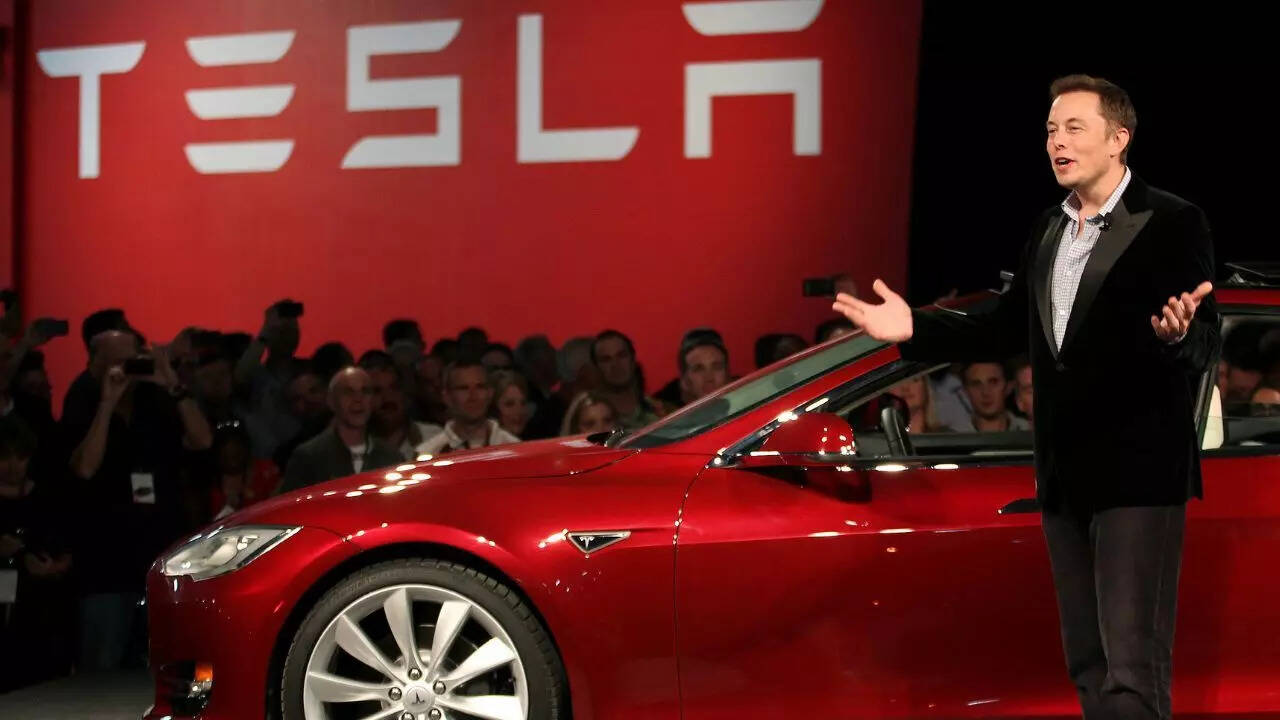
No discussion of Tesla’s ownership would be complete without acknowledging Elon Musk. As co-founder, CEO, and product architect, Musk’s vision, leadership, and public persona are inextricably linked with Tesla’s identity and success. For many, investing in Tesla is synonymous with investing in Elon Musk himself. He remains Tesla’s largest individual shareholder, a testament to his founding role and ongoing commitment to the company. However, his ownership stake, while substantial, has evolved over time and is far from absolute control.
Musk’s Historical Shareholding and Strategic Sales
Elon Musk’s journey as a Tesla shareholder has been dynamic. His initial stake, built through early funding rounds and compensation packages, has been subject to various changes. Notably, Musk has periodically sold tranches of his shares, often to cover significant tax liabilities arising from exercising stock options or to fund other ventures, such as his acquisition of Twitter (now X). These sales, while financially prudent for Musk, have occasionally caused ripples in the market, raising questions about his long-term commitment or the company’s valuation. Despite these sales, Musk consistently maintains a significant personal investment, ensuring his financial interests are deeply aligned with Tesla’s performance and long-term success. His ownership percentage fluctuates but consistently positions him as the single most influential individual shareholder.
Voting Power vs. Economic Ownership: Understanding the Nuance
It’s important to distinguish between economic ownership (the financial value of shares held) and voting power (the ability to influence corporate decisions). While Musk holds a substantial economic stake, his actual voting power is further amplified by his executive position and board membership, giving him significant influence over strategic decisions, capital allocation, and key appointments. However, even Musk’s voting power is not absolute. He is still beholden to the collective will of other shareholders, particularly the large institutional investors. Shareholder proposals, proxy fights, and the need for board approval on major initiatives demonstrate that even a visionary founder with a large stake operates within a framework of corporate governance that demands accountability to all shareholders. This delicate balance ensures that while Musk drives the vision, the company’s financial health and strategic direction are ultimately guided by the broader interests of its diverse ownership base.
The Dynamics of Institutional Ownership: Major Players and Their Portfolios
Beyond the broad category of institutional investors, it’s insightful to examine some of the specific major players who hold significant chunks of Tesla stock. These firms, often household names in the financial world, exert considerable influence through their sheer size and sophisticated investment strategies. Their presence in Tesla’s ownership roster speaks volumes about the company’s perceived long-term value and growth potential within the professional investment community.
Vanguard, BlackRock, and State Street: ETF and Fund Management
Among the largest institutional owners of Tesla are the “Big Three” passive asset managers: Vanguard Group, BlackRock Inc., and State Street Corporation. These firms are titans of the investment world, primarily known for managing vast portfolios of index funds and exchange-traded funds (ETFs) that track major market indices like the S&P 500. Since Tesla is a prominent component of such indices, these firms automatically accumulate substantial amounts of TSLA stock to match the index weightings across their various funds. As a result, each of these firms typically holds several percentage points of Tesla’s outstanding shares. Their ownership is largely passive, meaning they generally don’t actively trade Tesla stock based on fundamental analysis but rather buy and sell to maintain index alignment. However, their collective voting power, often exercised according to specific ESG (Environmental, Social, and Governance) guidelines, can still heavily influence corporate governance decisions, pressing for board diversity, climate disclosures, or executive compensation reforms.
Hedge Funds and Active Managers: Short-Term vs. Long-Term Strategies
In contrast to the passive investment approach of the “Big Three,” other institutional investors, such as hedge funds, mutual funds, and active asset managers, take a more discretionary approach to their Tesla holdings. These firms actively research, analyze, and trade individual stocks, including TSLA, based on their investment theses regarding market trends, company fundamentals, and valuation. Some hedge funds might take significant long positions, betting on Tesla’s continued innovation and market dominance, while others might engage in short-selling strategies, anticipating a decline in stock price. Their ownership stakes tend to be more fluid and less stable than passive index funds, reflecting their dynamic trading strategies. These active managers often bring a different kind of influence, pushing for specific operational changes, advocating for share buybacks, or even agitating for changes in management if they believe it will enhance shareholder value.
Implications of Large Institutional Holdings on Corporate Governance
The concentration of a significant portion of Tesla’s shares in the hands of large institutional investors has profound implications for its corporate governance. These entities, especially those with activist inclinations, can exert pressure on Tesla’s board of directors and management regarding a wide array of issues. This could include executive compensation, board composition, capital allocation strategies (e.g., share buybacks vs. R&D investment), environmental policies, and even succession planning for key leadership roles. While Elon Musk’s vision is often the driving force, the financial prudence and long-term sustainability sought by institutional investors act as an important counterbalance, ensuring that the company’s strategy aligns with broader shareholder interests and fiduciary responsibilities. The power dynamics between a charismatic founder and a collective of powerful institutional investors are a constant negotiation that shapes Tesla’s trajectory.
Broader Ownership Landscape: Employees, Founders, and the Public
While the spotlight often falls on Elon Musk and the large institutional players, Tesla’s ownership mosaic is far richer, encompassing a wide array of stakeholders whose financial interests are tied to the company’s success. This broader distribution of equity ensures a diverse set of perspectives and motivations contributing to the company’s overall direction.
Employee Stock Options and Restricted Stock Units (RSUs)
A critical component of Tesla’s ownership structure involves its employees. Like many high-growth technology companies, Tesla uses stock-based compensation—primarily through employee stock options and Restricted Stock Units (RSUs)—as a powerful tool to attract, retain, and incentivize talent. Employees who receive these awards become partial owners of the company, with their personal wealth directly linked to Tesla’s stock performance. This creates a strong alignment of interests: when the company succeeds, its employees are financially rewarded. This extensive employee ownership fosters a culture of commitment and shared purpose, as thousands of individuals across all levels of the organization have a vested financial interest in driving innovation, efficiency, and customer satisfaction. The exercise of stock options and vesting of RSUs can also periodically contribute to the “free float” of shares available in the market.
The Power of Millions: How Small Investors Collectively Shape Tesla
As mentioned earlier, retail investors, numbering in the millions, collectively hold a significant portion of Tesla’s outstanding shares. While each individual stake might be small, their combined ownership is substantial. The enthusiasm and conviction of this massive retail base often translate into strong demand for the stock, contributing to its valuation and market activity. Social media platforms and online forums further amplify the collective sentiment of these individual shareholders, sometimes creating powerful momentum or contributing to market volatility. While their direct voting power per individual share is limited, their sheer numbers mean that their collective decisions, especially in proxy votes or by influencing market sentiment, can indeed have a measurable impact on the company’s trajectory and valuation. They represent a fundamental democratic aspect of public market ownership.
Understanding Market Cap and Share Float
To fully appreciate Tesla’s ownership, it’s essential to understand concepts like market capitalization and share float. Market capitalization (market cap) is the total value of a company’s outstanding shares, calculated by multiplying the current share price by the total number of shares issued. This figure represents the market’s assessment of Tesla’s worth. The “share float,” or “free float,” refers to the number of shares actively available for trading in the public market, excluding shares held by insiders, employees, or long-term strategic investors that are not typically traded. A higher free float generally indicates greater liquidity, meaning it’s easier to buy and sell shares without significantly impacting the price. Understanding these metrics helps investors gauge the scale of the company and the tradability of its shares, providing further insight into how ownership is distributed and valued by the market.
Why Ownership Matters: Financial Implications and Strategic Direction
Understanding who owns Tesla is not merely an academic exercise; it has tangible financial implications and directly influences the company’s strategic direction, corporate governance, and long-term prospects. The composition of Tesla’s shareholder base dictates the priorities, pressures, and potential pathways for its future growth and profitability.
Impact on Share Price and Volatility
The ownership structure profoundly impacts Tesla’s share price and its notorious volatility. The strong retail following, coupled with a significant portion of shares held by active institutional investors, means that sentiment, news, and even social media trends can trigger rapid price movements. Large institutional trades, whether buying or selling, can shift hundreds of millions or even billions of dollars in value, creating significant short-term fluctuations. Elon Musk’s public statements or strategic decisions, given his substantial ownership and influence, can also directly impact investor confidence and, consequently, the stock price. The interplay between these diverse ownership segments creates a dynamic market environment where both fundamental performance and investor psychology play critical roles in valuation.
Corporate Governance and Shareholder Activism
Ownership dictates corporate governance. Every share carries voting rights, empowering shareholders to elect the board of directors, approve executive compensation plans, and vote on other critical corporate actions. While the board and management are responsible for day-to-day operations and strategic execution, they are ultimately accountable to the shareholders. This dynamic is particularly evident when shareholder activism arises. Large institutional investors, or even groups of smaller ones, can pressure management to adopt specific policies, improve financial performance, divest certain assets, or even replace board members. This constant oversight ensures that Tesla’s leadership remains focused on maximizing shareholder value, balancing visionary long-term goals with sound financial management and ethical practices. The composition of the shareholder base can also influence the likelihood of successful shareholder proposals or proxy battles.
Future Funding and Growth Strategies
Finally, the ownership structure plays a vital role in Tesla’s ability to fund its ambitious growth strategies. When Tesla needs to raise additional capital for new factories, research and development, or acquisitions, it typically does so by issuing new shares (equity financing) or borrowing money (debt financing). The existing shareholder base, particularly institutional investors, are often the primary buyers of newly issued shares. Their confidence in Tesla’s future and management’s execution abilities directly impacts the success and terms of such offerings. A strong, stable, and diversified ownership base provides a solid foundation for future capital raises, enabling Tesla to continue its aggressive expansion and push the boundaries of electric vehicles, autonomous driving, and sustainable energy solutions. The willingness of current owners to maintain or increase their stakes is a powerful vote of confidence in Tesla’s long-term financial viability and strategic vision.
In conclusion, “who owns Tesla Motor Company?” is a question with a multi-faceted answer. It’s owned by millions of individuals and thousands of institutions globally, with Elon Musk retaining a significant, influential, but not absolute stake. This complex web of ownership is the engine driving Tesla’s financial performance, shaping its governance, and ultimately determining its path as it continues to redefine industries and push the boundaries of innovation.
aViewFromTheCave is a participant in the Amazon Services LLC Associates Program, an affiliate advertising program designed to provide a means for sites to earn advertising fees by advertising and linking to Amazon.com. Amazon, the Amazon logo, AmazonSupply, and the AmazonSupply logo are trademarks of Amazon.com, Inc. or its affiliates. As an Amazon Associate we earn affiliate commissions from qualifying purchases.