
Tesla has revolutionized the automotive industry, not just with its electric vehicles (EVs) but also with its pioneering approach to manufacturing. The question “where are Tesla cars made?” delves far beyond simple geography; it uncovers a sprawling, technologically advanced ecosystem of “Gigafactories” designed to push the boundaries of production efficiency, automation, and sustainable manufacturing. These aren’t just assembly plants; they are colossal testaments to Industry 4.0 principles, blending cutting-edge robotics, artificial intelligence, and sophisticated software to churn out millions of vehicles and battery cells annually. To understand where a Tesla car is made is to understand the vanguard of modern automotive technology.
The Global Network of Giga-Factories: Engineering Marvels of Production
Tesla’s manufacturing strategy hinges on its Gigafactory concept – integrated facilities that produce not only vehicles but also critical components like battery cells, powertrains, and energy storage systems. These factories are characterized by their immense scale, rapid construction, and continuous innovation in production techniques, embodying Tesla’s vision for a vertically integrated and hyper-efficient manufacturing future. Each Gigafactory is a strategic hub, tailored to regional markets and specific product lines, forming a global network that underpins Tesla’s ambitious growth.
Giga Nevada: The Genesis of Battery and Drivetrain Production
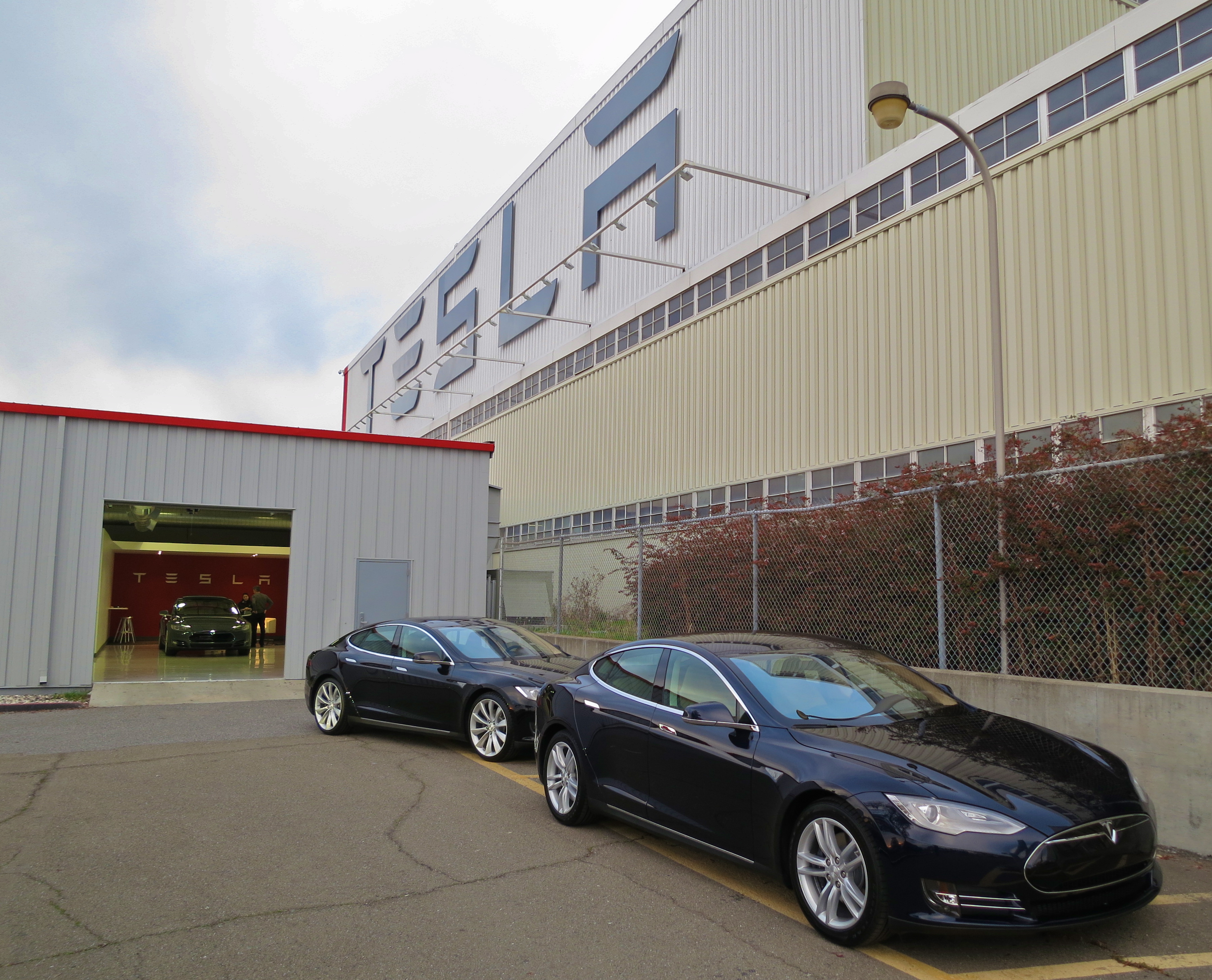
Located in Sparks, Nevada, Giga Nevada (Gigafactory 1) was the first of Tesla’s monumental production facilities, breaking ground in 2014. Initially conceived as a joint venture with Panasonic for battery cell production, it quickly expanded to include the manufacturing of Tesla’s electric motors, powertrains, and energy storage products like the Powerwall and Megapack. Its strategic importance lies in its role as the birthplace of much of Tesla’s core EV technology. By co-locating battery and component production, Giga Nevada significantly reduces logistical complexities and costs, while also fostering rapid iteration and improvement in battery technology. This facility is a prime example of vertical integration, giving Tesla unparalleled control over key components, which is crucial for innovation and supply chain resilience. The sheer scale of battery cell output from Giga Nevada alone makes it a critical node in the global EV supply chain, enabling Tesla to produce millions of battery cells annually for its vehicle fleet and energy solutions.
Giga New York: Solar Roof and Supercharger Manufacturing Hub
While smaller in scale compared to its vehicle-producing counterparts, Giga New York in Buffalo plays a vital role in Tesla’s broader energy ecosystem. This facility focuses on manufacturing Solar Roof tiles and Supercharger components, alongside some related energy products. Its existence underscores Tesla’s commitment not just to electric vehicles but to sustainable energy generation and infrastructure. The manufacturing processes here involve advanced robotics and precision engineering to create durable, aesthetically pleasing solar solutions that integrate seamlessly into homes and businesses. Furthermore, the production of Supercharger components at Giga New York ensures the continuous expansion and reliability of Tesla’s proprietary charging network, a critical piece of the puzzle in accelerating EV adoption. This factory illustrates Tesla’s holistic technological approach, where vehicle and energy solutions are developed and manufactured in concert.
Giga Shanghai: Rapid Expansion and Localized Innovation
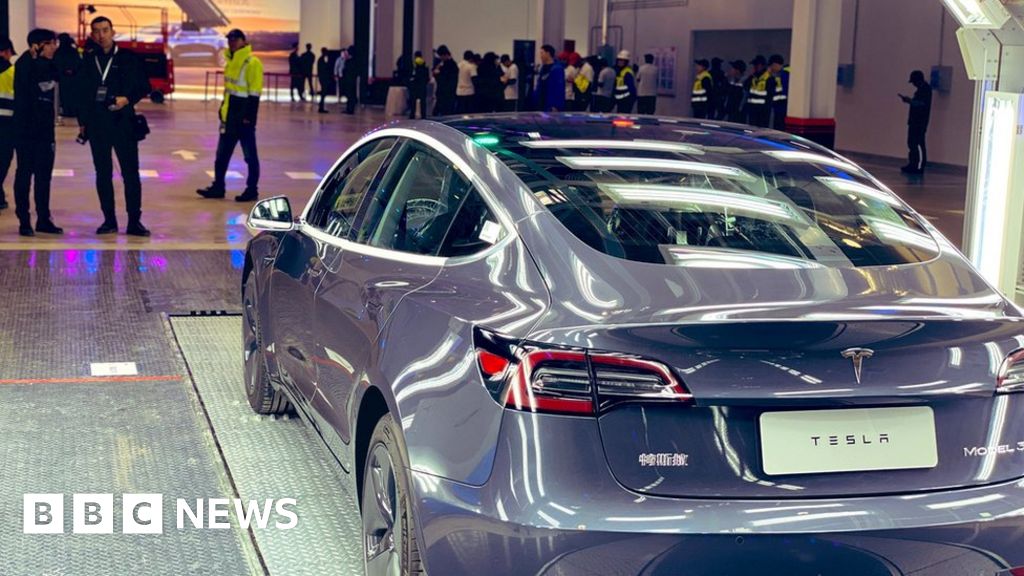
Opened in 2019, Gigafactory Shanghai (Gigafactory 3) represents a monumental achievement in rapid industrial deployment and localized innovation. Built in less than a year, it quickly became Tesla’s most efficient factory and a critical export hub, serving the Chinese and broader Asian and European markets. Giga Shanghai produces Model 3 and Model Y vehicles, demonstrating an unparalleled speed from groundbreaking to mass production. Its success is attributed to advanced automation, a highly skilled local workforce, and significant localization of its supply chain, which has dramatically reduced production costs and increased agility. The lessons learned in Shanghai, particularly regarding construction speed and manufacturing optimization, have profoundly influenced subsequent Gigafactory designs. It’s a testament to how advanced manufacturing techniques, combined with strategic localization, can accelerate market penetration and significantly scale production capabilities.
Giga Berlin and Giga Texas: Next-Gen Vehicle Production and Regional Hubs
The most recent additions to the Gigafactory family are Giga Berlin (Gigafactory 4) in Germany and Giga Texas (Gigafactory 5) in Austin, USA, both commencing production in 2022. These facilities represent the pinnacle of Tesla’s current manufacturing prowess, incorporating all the lessons learned from previous sites. Giga Berlin focuses on Model Y production for the European market, integrating groundbreaking paint shop technology and an emphasis on sustainable manufacturing practices. Giga Texas, meanwhile, is set to be Tesla’s global headquarters and a massive multi-product facility, producing Model Y, Cybertruck, and potentially the new 4680 battery cells. Both factories exemplify a new era of automotive manufacturing, with a strong emphasis on automation, optimized production lines, and an integrated approach to vehicle assembly and battery production. They are designed to be “machine that builds the machine” – factories engineered for maximum efficiency, minimum waste, and continuous technological improvement, serving as regional powerhouses for Tesla’s global ambitions.
Unpacking the Technological Core: Automation, AI, and Robotics in Tesla’s Production Line
The “where” of Tesla’s manufacturing is less about static locations and more about dynamic, technologically saturated environments. The true essence of where a Tesla car is made lies in the intricate dance of advanced robotics, artificial intelligence, and sophisticated software that orchestrates every stage of production. Tesla’s factories are not just big; they are smart, designed from the ground up to leverage the latest in industrial technology.
Robotics and Precision Manufacturing: From Stamping to Assembly
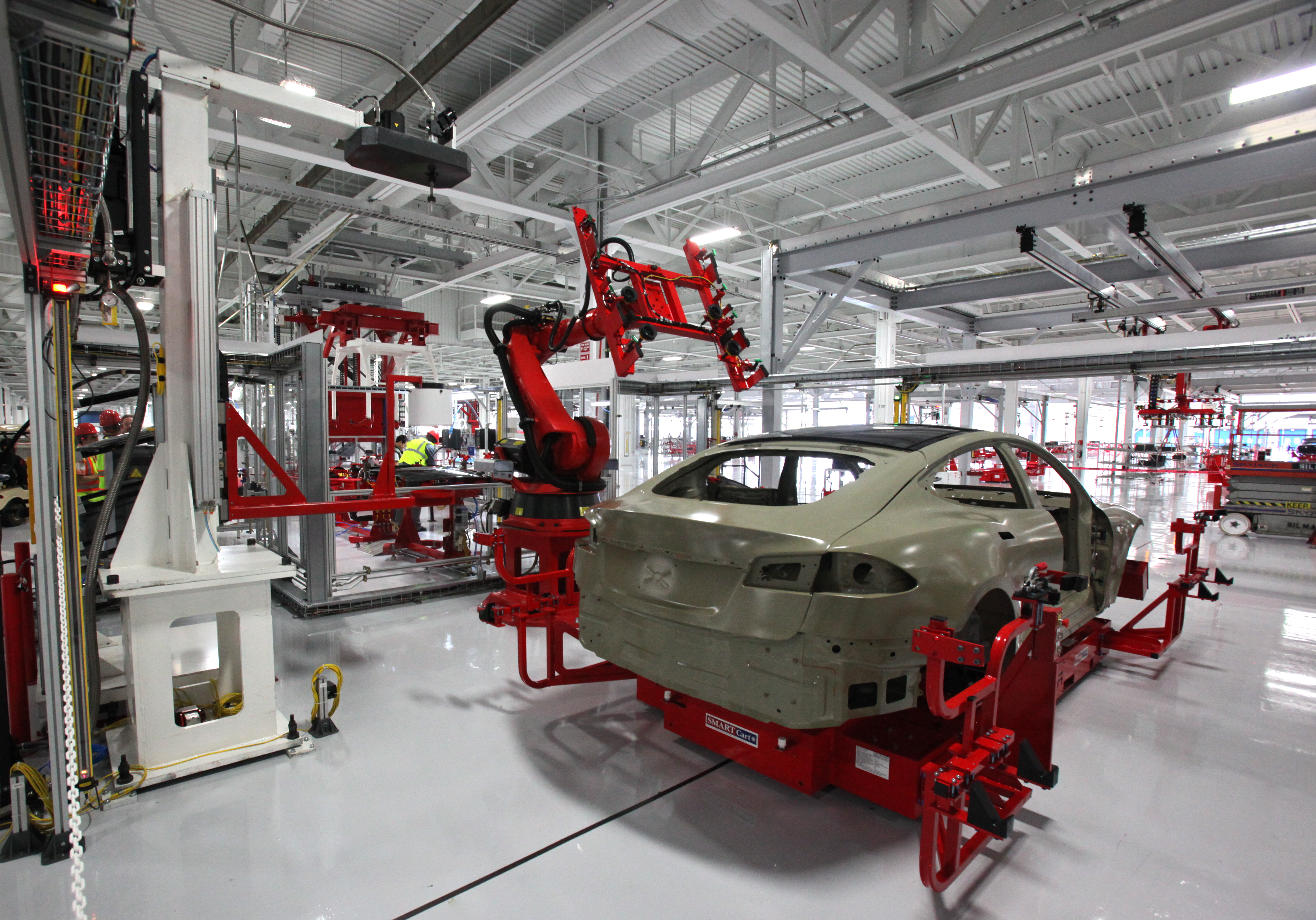
Robotics forms the backbone of Tesla’s production lines. From the initial stamping of body panels to the intricate assembly of interior components, highly specialized robots perform tasks with precision and speed far beyond human capability. Giant “Giga Press” machines, for instance, are revolutionary single-piece casting machines that produce large sections of the car’s underbody, drastically reducing the number of individual parts, welding points, and assembly steps. This innovation not only speeds up production but also enhances structural integrity and reduces manufacturing complexity and cost. Furthermore, a myriad of smaller, agile robots handle everything from welding and painting to battery module assembly, often working in tightly coordinated sequences. These robotic systems are programmed for extreme accuracy, ensuring consistent quality and enabling rapid adjustments to production specifications. The goal is a “lights-out” factory where much of the work can be done autonomously, optimizing for maximum throughput and minimal human intervention in repetitive, hazardous tasks.
The Role of AI and Software in Production Optimization
Beyond the physical robots, the true intelligence of Tesla’s manufacturing lies in its software and AI systems. These technologies are integrated throughout the production process to monitor, analyze, and optimize every operation. AI-powered vision systems inspect components for defects with incredible accuracy, far surpassing human capabilities and catching anomalies early in the process. Predictive analytics, driven by machine learning algorithms, anticipate potential equipment failures, allowing for proactive maintenance and minimizing downtime. Tesla utilizes its internal software to manage complex logistics, scheduling, and inventory across its vast factory floors. This data-driven approach allows for continuous improvement, identifying bottlenecks, optimizing robot movements, and refining process flows in real-time. The “digital twin” concept, where virtual models of the factory and production lines are used for simulation and optimization, is also a key aspect, allowing engineers to test changes and predict outcomes before implementing them on the physical floor, thereby accelerating innovation and efficiency.
Integrated Battery Production: A Game-Changer in EV Manufacturing
A distinguishing feature of Tesla’s technological manufacturing edge is its deep integration of battery production. Unlike many automakers who rely solely on external suppliers, Tesla has heavily invested in developing and manufacturing its own battery cells, such as the new 4680 format. This vertical integration allows for complete control over battery chemistry, form factor, and production processes. Factories like Giga Texas are designed to incorporate ” Terafactories” within them – dedicated zones for cell manufacturing that are directly integrated with vehicle assembly lines. This reduces transportation costs, improves efficiency, and most critically, enables rapid innovation in battery technology. Manufacturing battery cells at scale involves extremely precise, sensitive processes that are highly automated. Tesla’s investment in this area is a strategic technological move, ensuring a reliable supply of advanced batteries crucial for vehicle performance, range, and cost-effectiveness, positioning them uniquely in the EV market.
Vertical Integration and Supply Chain Innovation: Tesla’s Tech Advantage
Tesla’s “where” is also about its unique approach to the entire production lifecycle, emphasizing vertical integration and technology-driven supply chain management. This strategy provides a distinct technological advantage, allowing for greater control, efficiency, and adaptability in a rapidly evolving industry.
From Raw Materials to Finished Product: Control and Efficiency
Tesla’s ambition extends to controlling as much of its supply chain as possible, from sourcing raw materials to delivering the finished vehicle. This vertical integration strategy is a significant technological undertaking, requiring sophisticated planning and execution. For instance, by producing battery cells in-house, Tesla gains direct control over the quality, cost, and availability of its most critical component. This reduces reliance on external suppliers, mitigates risks associated with global supply chain disruptions, and enables faster implementation of new battery technologies. Furthermore, integrating major casting operations with vehicle assembly, as seen with the Giga Press, simplifies the manufacturing process, reducing the number of parts, eliminating welding steps, and improving structural integrity—all significant technological gains that translate to faster production and lower costs. This comprehensive control fosters an environment where innovation can be applied at every stage, from material science to final assembly.
Data-Driven Supply Chains: Predictive Analytics and Logistics
Tesla’s supply chain management is heavily reliant on advanced technology. Utilizing vast amounts of data, the company employs predictive analytics to forecast demand, optimize inventory levels, and manage complex global logistics. This data-driven approach allows Tesla to react swiftly to market changes, minimize waste, and ensure the timely delivery of components to its Gigafactories. Real-time tracking of components, automated warehousing solutions, and optimized routing algorithms are standard practice. The integration of AI and machine learning helps in identifying potential supply chain vulnerabilities and proposing solutions proactively, from alternative sourcing to adjusting production schedules. This technological prowess in logistics and supply chain management is crucial for supporting Tesla’s rapid expansion and ensuring the smooth operation of its globally distributed manufacturing network, making the “where” of production a highly interconnected and intelligently managed system.
The Impact of Localized Production on Technological Advancement
The strategy of establishing Gigafactories in major markets (e.g., Shanghai for Asia, Berlin for Europe, Texas for North America) is not just about logistics; it’s a technological decision that fosters localized innovation. By bringing production closer to the customer, Tesla can better understand regional preferences, adapt vehicle features, and optimize supply chains for local conditions. More importantly, it creates centers of excellence where engineering teams can collaborate closely with manufacturing operations to rapidly iterate and improve both the product and the production processes. This geographical distribution allows for specialized R&D within each factory, leading to region-specific technological advancements that can then be shared and scaled across the global network. The exchange of best practices and technological breakthroughs between Gigafactories accelerates the overall pace of innovation for the company.
The Future of Manufacturing: Tesla’s Blueprint for Industry 4.0
Tesla’s Gigafactories are more than just current manufacturing sites; they are living laboratories for the future of industrial production, offering a blueprint for what Industry 4.0 can achieve in the automotive sector and beyond. The “where” of Tesla’s cars is continually evolving, driven by an relentless pursuit of manufacturing perfection.
Continuous Innovation in Factory Design and Processes
Tesla’s philosophy centers on continuous innovation, not just in its products but in the “machine that builds the machine.” Each new Gigafactory integrates lessons from its predecessors, leading to faster construction times, more efficient layouts, and increasingly automated processes. Future factories are envisioned to be even more vertically integrated, with further advancements in robotics, material handling, and overall factory intelligence. Tesla actively challenges conventional manufacturing paradigms, constantly seeking ways to simplify, automate, and optimize every step, from raw material entry to finished vehicle exit. This iterative design approach ensures that the “where” of Tesla production remains at the forefront of manufacturing technology, perpetually setting new industry benchmarks.
Sustainable Manufacturing: Tech for Eco-Friendly Production
An integral part of Tesla’s manufacturing vision is sustainability, heavily enabled by technology. Gigafactories are designed with a focus on minimizing environmental impact. This includes extensive use of renewable energy sources, advanced water recycling systems, and processes that reduce waste generation. For example, Giga Berlin aims to be highly sustainable, with solar panels covering its roofs and advanced wastewater treatment facilities. The technological advancements in battery production, especially the development of more energy-dense and recyclable cells, further contribute to a more sustainable product lifecycle. By leveraging technology to create more efficient and environmentally conscious production methods, Tesla aims to make the “where” of its manufacturing as green as the vehicles it produces.
Scalability and the Road to Mass Market Electric Vehicles
Ultimately, the technological sophistication of Tesla’s Gigafactories is driven by a singular goal: unprecedented scalability. To accelerate the world’s transition to sustainable energy, Tesla needs to produce millions of vehicles annually. The “where” of Tesla’s manufacturing is strategically located and technologically empowered to meet this demand. By automating heavily, streamlining processes, and integrating critical component production, Tesla is building a manufacturing infrastructure capable of scaling faster and more efficiently than traditional automotive companies. This technological blueprint for mass production is essential for bringing electric vehicles to the broader mass market, making sustainable transportation accessible to everyone. The Gigafactories, therefore, are not just places where cars are made; they are crucibles of technological innovation designed to reshape the entire automotive landscape.
aViewFromTheCave is a participant in the Amazon Services LLC Associates Program, an affiliate advertising program designed to provide a means for sites to earn advertising fees by advertising and linking to Amazon.com. Amazon, the Amazon logo, AmazonSupply, and the AmazonSupply logo are trademarks of Amazon.com, Inc. or its affiliates. As an Amazon Associate we earn affiliate commissions from qualifying purchases.