
The location of a global corporation’s headquarters is far more than a mere postal address; it is a profound statement of corporate identity, a strategic lever in brand positioning, and a focal point for public perception. For a company as dynamic and scrutinized as Tesla, the “where” of its HQ speaks volumes about its journey, its values, and its future trajectory. While historically synonymous with California’s innovation hub, Tesla’s operational nerve center has undergone a significant strategic shift, relocating to Austin, Texas, a move laden with implications for its brand and business strategy. This evolution is a fascinating case study in how a company’s physical footprint can shape its intangible brand essence, influencing everything from talent acquisition to market messaging.

The Strategic Significance of a Headquarters: A Brand Perspective
In the realm of corporate identity, the headquarters (HQ) serves as the physical embodiment of a brand’s core. It’s the place where foundational decisions are made, where culture is cultivated, and where the most critical strategic plans are forged. For a brand like Tesla, built on innovation, disruption, and a forward-thinking ethos, the choice of HQ location is a deliberate, strategic decision that communicates volumes to stakeholders, employees, and the broader public. It reflects not just operational necessities but also the brand’s aspirations and its alignment with certain economic, political, and cultural landscapes.
Corporate Identity and Geographic Alignment
A company’s HQ location can be intrinsically linked to its corporate identity. For decades, Silicon Valley represented a brand of innovation, risk-taking, and technological advancement. Companies headquartered there inherently absorbed some of that brand equity. Tesla, founded and nurtured in California, benefited immensely from this association, cementing its image as a pioneer at the forefront of electric vehicle and renewable energy technology. The golden state’s progressive policies, skilled workforce, and venture capital ecosystem were all part of Tesla’s brand narrative, positioning it as a quintessential California success story that dared to challenge established norms. This initial alignment helped define Tesla’s early brand personality as revolutionary and trendsetting.
Attracting and Retaining Top Talent
Beyond mere geography, the HQ location is a critical component of an employer’s brand. It signals the type of environment and lifestyle a company offers to its prospective and current employees. Access to a diverse and highly skilled talent pool is paramount for any technology-driven brand. For Tesla, its initial California base provided unparalleled access to engineers, designers, and software developers who were not only technically proficient but also shared the brand’s pioneering spirit. The decision to relocate, therefore, must weigh the potential disruption to existing talent pools against the benefits of new ones, impacting the employer brand and the ability to attract the next generation of innovators who will drive the brand forward. The new location becomes part of the recruitment pitch, part of the brand promise to potential employees.
Public Perception and Stakeholder Messaging
Every move, every decision made by a high-profile brand like Tesla is meticulously observed and interpreted by the public, investors, and competitors. The headquarters relocation, particularly when it involves crossing state lines and making pointed statements about business environments, becomes a powerful piece of brand messaging. It communicates values related to operational efficiency, regulatory environments, and even political alignment. Such a move can reinforce or challenge existing perceptions, influencing how the brand is viewed on a national and international stage. For Tesla, moving its HQ involved navigating a complex narrative around business climate, innovation spirit, and the future direction of the company itself, all of which directly impact its brand equity and market perception.
From Silicon Valley to the Lone Star State: Tesla’s Strategic Relocation
In late 2021, Elon Musk officially announced that Tesla’s headquarters would be moved from Palo Alto, California, to Austin, Texas. This move was not a sudden decision but the culmination of growing tensions and strategic considerations that had been brewing for some time, marking a significant chapter in Tesla’s corporate history and brand evolution.
The California Chapter: Innovation, Growth, and Growing Pains
Tesla’s origins in California were instrumental in shaping its initial brand identity. The state offered a fertile ground for technological innovation, a culture of disruption, and a ready supply of capital and talent. This environment allowed Tesla to flourish, challenging the automotive industry status quo and establishing itself as a leader in electric vehicles and sustainable energy solutions. The California brand narrative was deeply woven into Tesla’s early success, portraying it as a visionary company pushing the boundaries of what was possible. However, as Tesla scaled, the unique challenges of operating in California—including high costs of living, stringent regulations, and perceived bureaucratic hurdles—began to exert pressure on its operational efficiency and long-term expansion plans. These “growing pains” started to subtly undermine the efficiency narrative essential for a global manufacturing brand.
The Texas Relocation: Drivers and Strategic Imperatives
The decision to move the corporate headquarters to Austin, Texas, was driven by a confluence of strategic imperatives aimed at optimizing Tesla’s operations and facilitating future growth. Key factors included:
- Cost Efficiency: Texas boasts a significantly lower cost of living and doing business compared to California, with no state corporate income tax. This directly impacts operational overheads and can enhance profitability, a crucial message to investors and a driver of sustainable brand growth.
- Regulatory Environment: Texas is generally perceived as having a more business-friendly regulatory environment, offering greater flexibility for manufacturing and expansion. For a company like Tesla, which frequently innovates and requires agile operational changes, this can be a significant advantage, supporting a brand narrative of efficiency and adaptability.
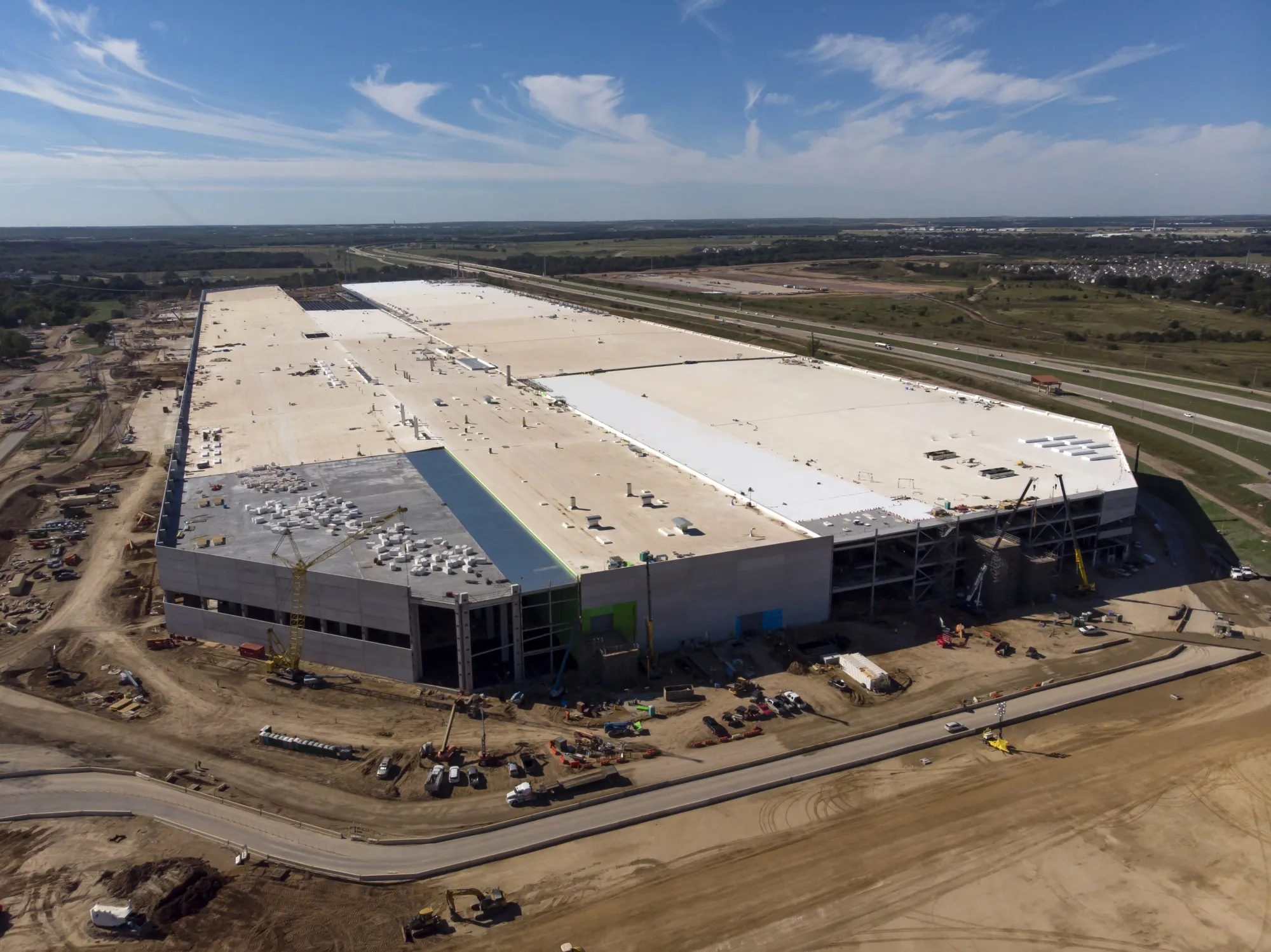
- Expansion Opportunities: The vast land availability in Texas provided ample space for the construction of Gigafactory Texas, a massive integrated manufacturing facility that not only produces vehicles but also serves as the new corporate HQ. This integration symbolizes efficiency and vertical control, core tenets of Tesla’s manufacturing brand.
- Logistics and Supply Chain: A central location in the U.S. can offer logistical advantages for distribution across North America, streamlining supply chains and supporting a brand promise of efficient delivery and widespread accessibility.
This strategic pivot to Texas signaled a shift in Tesla’s operational brand, moving from a pure innovation hub to an innovation and manufacturing powerhouse, prioritizing scalability and efficiency alongside technological breakthroughs.
Public Perception and Brand Messaging Post-Move

The relocation generated considerable media attention and public debate, intertwining with broader discussions about business migration and state economic policies. Tesla’s move was framed by many as a statement against California’s business climate and a vote of confidence in Texas’s burgeoning tech scene. From a branding perspective, this allowed Tesla to reinforce its image as a pragmatist, willing to make bold decisions for the long-term health and growth of the company. It showcased a brand unafraid to challenge conventions, even its own geographic roots, for what it perceives as greater strategic advantage. This move became part of a larger narrative about where innovation thrives in the 21st century, influencing both talent attraction and investor confidence.
Branding the HQ: Gigafactory Texas and Tesla’s Identity
The new headquarters in Austin, Texas, is not just an office building; it is integrated within Gigafactory Texas, a sprawling manufacturing complex that represents Tesla’s ambitions on an epic scale. This integration is a deliberate act of branding, transforming the HQ from a mere administrative center into a tangible manifestation of the company’s pioneering spirit and manufacturing prowess.
Architectural Identity and Symbolism
Gigafactory Texas is designed to be more than a factory; it’s a statement. Its sheer size, futuristic aesthetic, and integrated nature speak to Tesla’s vision of highly efficient, vertically integrated manufacturing. The HQ functions within this colossal structure, blurring the lines between corporate strategy and production floor. This architectural identity reinforces Tesla’s brand as a company that doesn’t just design technology but also fundamentally reinvents how products are made. The building itself becomes a symbol of innovation, efficiency, and future-forward thinking, a physical manifestation of the Tesla brand narrative. It’s an active ingredient in the company’s corporate identity, far more impactful than a generic office tower.
The “Giga Texas” Narrative: A Brand Landmark
The term “Gigafactory” itself is a powerful branding element, signifying immense scale and technological advancement. Gigafactory Texas, as the new HQ, amplifies this narrative. It’s not just “Tesla HQ”; it’s “Giga Texas,” a landmark that encapsulates Tesla’s commitment to large-scale, sustainable manufacturing. This narrative is crucial for demonstrating to investors and consumers that Tesla is capable of mass production without compromising its innovative edge. It positions Tesla as a leader in industrial-scale innovation, fostering trust and confidence in its ability to deliver on its ambitious promises. The HQ location, intertwined with this manufacturing marvel, becomes a key selling point for the brand.
Community Engagement and Local Branding
By embedding its HQ within a major production facility in a new state, Tesla also engages in significant local branding efforts. Becoming a major employer and economic driver in the Austin area positions Tesla as a responsible corporate citizen. This local integration is vital for building goodwill, attracting local talent, and fostering a sense of community ownership. Tesla’s presence influences the local economy, infrastructure, and even cultural landscape, creating a symbiotic relationship that benefits both the company and the region. This localized brand building contributes to a stronger, more positive overarching corporate image, moving beyond just product branding to a more holistic brand presence.
Beyond the Address: How HQ Location Influences Talent, Culture, and Perception
The impact of an HQ location extends far beyond logistical convenience or tax benefits; it deeply influences the intangible aspects of a brand, particularly its internal culture, external perception, and ability to attract and retain top talent.
Attracting and Retaining Talent: The Employer Brand
An HQ’s location is a critical element of an organization’s employer brand. For Tesla, moving to Austin meant tapping into a new talent ecosystem. Austin is a growing tech hub, offering a vibrant lifestyle and a competitive talent pool, particularly in engineering, software, and manufacturing. The relocation allowed Tesla to refresh its recruitment narrative, appealing to individuals seeking new opportunities and a different quality of life than what California might offer. The brand message here is about growth, opportunity, and being part of a pioneering venture in a dynamic new environment. Conversely, the move also required careful management of existing talent, ensuring that the brand’s core values and culture were maintained throughout the transition, reinforcing loyalty and commitment.
Shaping Company Culture and Values
The physical environment of a headquarters significantly shapes company culture. Tesla’s integrated HQ within Gigafactory Texas fosters a culture of innovation, direct communication, and a hands-on approach to manufacturing. Being close to the production line can instill a stronger sense of purpose and connection to the actual products being made, reinforcing the brand’s core mission. The sprawling nature of the Texas facility, compared to more traditional corporate campuses, encourages a sense of scale and ambition, aligning with Tesla’s culture of tackling audacious challenges. The very layout and functionality of the HQ become an active ingredient in cultivating the desired internal brand ethos – one of collaboration, rapid iteration, and relentless execution.
Stakeholder Relations and Investor Perception
For a publicly traded company like Tesla, investor perception is paramount. The strategic decision to move the HQ, articulated with clear business rationales, can reassure investors of the company’s commitment to efficiency, growth, and long-term value creation. It demonstrates proactive management and a willingness to adapt to changing economic realities. Furthermore, the HQ location plays a role in fostering relationships with government bodies, local communities, and industry partners. Being strategically located can facilitate easier engagement with key stakeholders, supporting the brand’s reputation as a reliable and influential player in the global economy. The new location becomes a point of leverage in shaping these crucial relationships, enhancing the brand’s standing.
The Future of Corporate HQs in a Digital Age: Tesla’s Hybrid Model
In an increasingly digitized world, the very concept of a physical headquarters is evolving. While the COVID-19 pandemic accelerated trends towards remote work, the strategic importance of a central physical hub for a manufacturing and innovation company like Tesla remains undeniable. Tesla’s approach to its HQ in Austin reflects a modern understanding of corporate identity: a blend of physical presence and decentralized operations.
Tesla’s HQ in Austin serves as a powerful anchor for its brand, a tangible monument to its ambition and operational strategy. However, Tesla also leverages its global network of Gigafactories, service centers, and remote teams, operating in a somewhat distributed model. While the strategic nerve center is clearly in Texas, the brand’s influence and operations are global. This hybrid model allows Tesla to maintain a strong physical identity for its core leadership and manufacturing, while also embracing the flexibility and global reach necessary for a 21st-century tech giant. The Austin HQ is the brand’s home base, but the Tesla brand lives everywhere its cars are driven, its factories operate, and its ideas resonate, underscoring that while the “where” is important, the “what” and “why” remain the ultimate drivers of its corporate identity.
aViewFromTheCave is a participant in the Amazon Services LLC Associates Program, an affiliate advertising program designed to provide a means for sites to earn advertising fees by advertising and linking to Amazon.com. Amazon, the Amazon logo, AmazonSupply, and the AmazonSupply logo are trademarks of Amazon.com, Inc. or its affiliates. As an Amazon Associate we earn affiliate commissions from qualifying purchases.