
In the dynamic world of electric vehicles, Tesla stands as an undisputed icon, synonymous with innovation, performance, and a glimpse into the future of automotive technology. For many, the dream of owning a Tesla is fueled by a desire for cutting-edge features, sustainable transportation, and a distinctive driving experience. However, beneath the allure of sleek designs and rapid acceleration lies a fundamental question that potential buyers grapple with: “How much for a Tesla?” This isn’t just about the sticker price; it’s a multifaceted financial inquiry encompassing purchase costs, operational expenses, potential savings, and long-term value. Understanding the true financial commitment required is paramount for making an informed decision that aligns with one’s personal finance goals.

This guide will dissect the complete financial picture of Tesla ownership, moving beyond initial price tags to reveal the hidden costs and often overlooked benefits. We will explore the various models, customization options, and the critical factors that influence the total cost of ownership, empowering you with the knowledge to evaluate whether a Tesla fits your financial roadmap.
Understanding Tesla’s Pricing Structure
The journey to Tesla ownership begins with its pricing, which, like any premium vehicle brand, varies significantly based on model, configuration, and optional features. Tesla’s direct-to-consumer sales model provides transparency but requires buyers to be diligent in navigating the online configurator.
Base Models and Configurations
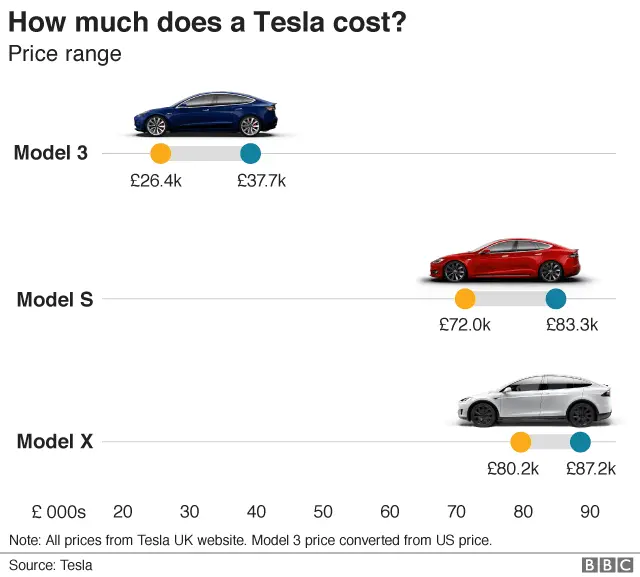
Tesla offers a range of vehicles catering to different needs and budgets, each with its distinct starting price point. The Model 3, often considered their entry-level sedan, typically represents the most accessible gateway into Tesla ownership. Following it, the Model Y SUV offers more practicality and space, usually at a higher price. For those seeking luxury and extended range, the Model S sedan and Model X SUV sit at the premium end of the spectrum, boasting superior performance and advanced features. The Cybertruck, a newer and radically designed electric pickup, presents another price tier entirely, with its unique construction and capabilities.
It’s crucial to note that “starting price” is just that—a base. These prices usually reflect the standard range, rear-wheel drive (RWD) variants, or the most basic configurations without significant upgrades. As demand and supply chains fluctuate, Tesla’s pricing can be dynamic, sometimes adjusting within a single year, making it essential to check the official Tesla website for the most current figures.
Optional Upgrades and Features
The base price of a Tesla rarely tells the whole story. Customization plays a significant role in escalating the final purchase price. Buyers can select from various exterior paint colors, wheel designs, and interior finishes, each carrying an additional cost. Performance upgrades, such as opting for a ‘Long Range’ or ‘Performance’ variant, significantly increase the price due to larger batteries, more powerful motors, and enhanced braking systems.
Perhaps the most financially impactful optional upgrade is Tesla’s Autopilot and Full Self-Driving (FSD) capability. While basic Autopilot functionalities are standard, enhanced Autopilot and the ambitious FSD package come with substantial upfront costs, which can add tens of thousands of dollars to the purchase price. FSD is also available as a monthly subscription, offering a different financial commitment path. Buyers must weigh the perceived value and utility of these advanced driver-assistance systems against their significant cost.
Software Enhancements and Subscriptions
Beyond the initial purchase, some aspects of the Tesla experience are tied to ongoing subscriptions. Premium Connectivity, for instance, enables features like live traffic visualization, satellite-view maps, video streaming, and caraoke, and typically comes with a complimentary trial period before requiring a monthly fee. While not strictly essential for driving, it enhances the infotainment experience. As mentioned, the FSD software can also be a subscription, providing flexibility for those who prefer not to pay the full upfront cost or wish to try it out before committing. These recurring charges, though seemingly small individually, contribute to the overall financial outlay over the lifetime of ownership.
Beyond the Sticker Price: Unveiling the True Cost of Tesla Ownership
Focusing solely on the purchase price of a Tesla can be misleading, as several other financial factors significantly influence the true cost of ownership. Smart financial planning necessitates considering these elements comprehensively.
Government Incentives and Tax Credits
One of the most appealing financial benefits of purchasing an electric vehicle (EV) like a Tesla is the potential for government incentives. These can come in various forms: federal tax credits, state rebates, and local incentives. In the United States, the federal EV tax credit has been a significant incentive, though eligibility can be complex, tied to factors such as vehicle manufacturing location, battery component sourcing, and the buyer’s adjusted gross income. The actual credit amount can also vary. Many states offer additional rebates or tax credits for EV purchases, potentially reducing the net cost by thousands of dollars. Furthermore, local municipalities might provide incentives for home charger installation or discounted utility rates for EV charging. It’s imperative for prospective buyers to research the specific incentives available in their region at the time of purchase, as these programs are subject to change and can drastically alter the effective price of the vehicle.
Financing and Lease Options
Few individuals purchase a Tesla with a single lump sum. Most opt for financing or leasing, which introduces interest rates, loan terms, and down payments into the financial equation. Tesla offers its own financing options, but buyers can also secure loans from banks, credit unions, or other financial institutions. The interest rate on an auto loan can significantly impact the total amount paid over the life of the loan. A lower interest rate, even by a percentage point, can save thousands over a 5-7 year term.
Leasing, another popular option, allows drivers to enjoy a new Tesla for a set period (typically 24 to 36 months) with lower monthly payments compared to financing a purchase. However, leasing means you don’t own the vehicle at the end of the term, and mileage restrictions apply. It’s a great option for those who prefer to frequently upgrade their vehicles and aren’t concerned with long-term ownership. Understanding the residual value, money factor, and acquisition fees are crucial when evaluating a lease agreement. Comparing the total cost of leasing versus financing over a comparable period is essential to determine the most financially advantageous path.
Insurance Premiums
Insuring a Tesla can be a significant recurring expense, often higher than that for comparable internal combustion engine (ICE) vehicles. Several factors contribute to this:
- High Performance: Teslas are known for their rapid acceleration, which insurers often associate with a higher risk of accidents.
- Repair Costs: The advanced technology, specialized components, and aluminum body panels used in Teslas can make repairs more expensive and require specialized body shops, driving up premiums.
- Theft Risk: Depending on the model and location, Teslas can be attractive targets for theft, although their advanced tracking systems can mitigate some of this risk.
- Technology & Safety Features: While features like Autopilot enhance safety, the cost to repair or replace these complex systems after an accident can be substantial.
Insurance costs vary widely based on the driver’s age, driving record, location, chosen coverage limits, and deductible. Prospective buyers should obtain multiple insurance quotes for the specific Tesla model they are considering before committing to a purchase to avoid an unwelcome financial surprise.
Operational Costs and Long-Term Savings
Beyond the initial purchase and associated financial structures, the day-to-day operation and long-term maintenance of a Tesla present a different set of financial considerations, often revealing areas of significant savings compared to traditional gasoline cars.
Charging Costs vs. Fuel
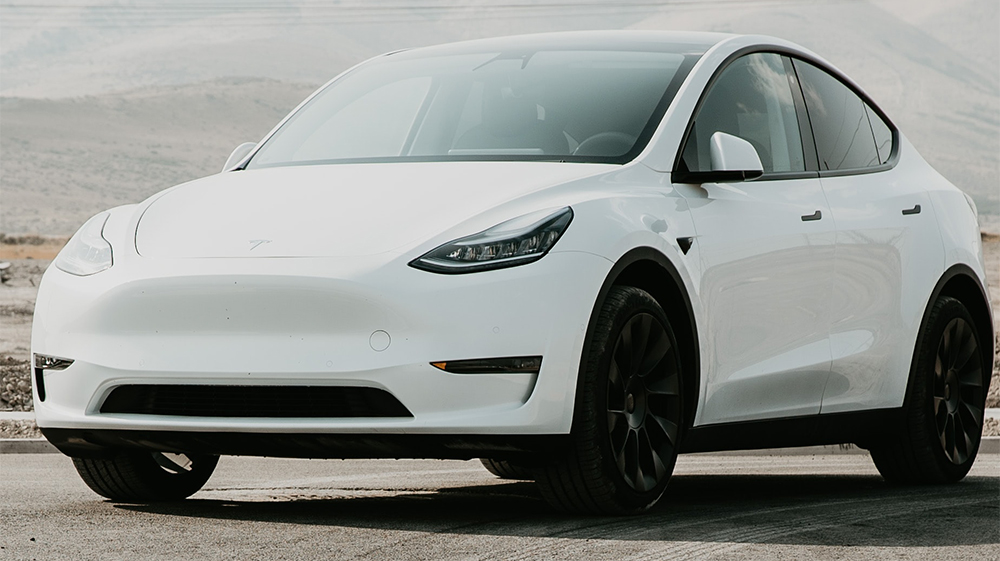
One of the most compelling financial arguments for electric vehicles is the cost of “fuel.” Charging a Tesla at home, especially during off-peak hours when electricity rates are lower, is significantly cheaper than buying gasoline. The exact cost depends on local electricity rates and the efficiency of the specific Tesla model. A typical daily commute charged at home could cost just a few dollars, whereas the equivalent range in a gasoline car could be several times more.
Tesla’s Supercharger network offers unparalleled convenience for long-distance travel, but it comes at a higher per-kilowatt-hour (kWh) cost than home charging. While still generally cheaper than gasoline for the equivalent distance, Supercharging costs vary by location and time of use. Moreover, Tesla has various charging connectors available, including the standard NACS (North American Charging Standard) and CCS Combo 1 (with an adapter). Some public charging networks might charge per minute or per session, adding another layer of cost variability. Calculating your average daily mileage and estimating your proportion of home versus public/Supercharging will provide a clearer picture of your ongoing energy expenses.
Maintenance and Repairs
Teslas are renowned for their relatively low maintenance requirements compared to ICE vehicles. There are no oil changes, spark plugs, fuel filters, or complex exhaust systems to worry about. This significantly reduces routine service costs. However, Teslas still require maintenance for tires, brakes (though regenerative braking reduces wear), wipers, cabin air filters, and occasional fluid checks. Tire wear can be a particular consideration due to the instant torque and heavier battery pack.
Where potential repair costs can escalate is with specialized components, particularly those related to the battery pack or advanced electronics. While rare, out-of-warranty repairs for these items can be expensive. Fortunately, Tesla vehicles come with comprehensive warranties on the battery and drive unit, which typically last longer than the general vehicle warranty. It’s wise to budget for unexpected repairs, though the overall cost of maintenance is generally lower than for a gasoline car over an equivalent period.
Depreciation and Resale Value
The depreciation of a vehicle is often its largest hidden cost. Historically, Tesla vehicles have demonstrated strong resale values, particularly compared to many conventional luxury vehicles. Several factors contribute to this: high demand for EVs, continuous software updates that improve vehicle functionality over time, and a perception of future-proofing. Early models, especially, have held their value well.
However, the automotive market is dynamic. Factors like new model releases, advancements in battery technology, changes in government incentives, and the overall supply and demand for EVs can influence future depreciation rates. While Teslas currently enjoy robust resale values, prospective buyers should always consider depreciation as a financial factor, understanding that future market conditions can impact the actual cash value of their vehicle when it comes time to sell or trade it in.
The Financial Case for a Tesla: Is the Investment Worth It?
Ultimately, the decision to purchase a Tesla boils down to whether the financial investment aligns with your personal circumstances and values. A holistic approach, considering both direct costs and less tangible benefits, is essential.
Calculating Your Total Cost of Ownership (TCO)
To truly understand the financial implications, it’s vital to calculate the Total Cost of Ownership (TCO) over a specific period, typically 3-5 years. This involves summing up:
- Purchase Price: (Net of any incentives/tax credits).
- Financing/Lease Costs: Total interest paid or total lease payments.
- Insurance Costs: Estimated premiums over the period.
- Charging Costs: Estimated electricity usage over the period.
- Maintenance & Minor Repairs: Estimated routine service and potential repair budget.
- Depreciation: Estimated loss in value over the period.
When comparing a Tesla’s TCO to that of a comparable ICE vehicle, the lower operational costs (charging vs. fuel, reduced maintenance) often begin to offset the higher upfront purchase price, especially over longer ownership periods. This comprehensive calculation provides a clearer financial comparison.
Environmental and Lifestyle Benefits with Financial Implications
Beyond the direct financial calculations, there are significant environmental and lifestyle benefits that can have indirect financial implications. Reducing your carbon footprint is a primary driver for many EV buyers, aligning with personal values. From a financial perspective, convenience features like waking up to a “full tank” of charge at home can save time and reduce stress associated with gas station stops. In some regions, EVs qualify for benefits like HOV lane access, potentially saving time on commutes. While not direct monetary savings, these advantages enhance quality of life and can be considered part of the overall value proposition.
Future-Proofing Your Investment
Investing in a Tesla also represents a degree of future-proofing. As the world transitions towards electrification, owning an EV positions you ahead of the curve. Tesla’s continuous over-the-air software updates mean your vehicle can gain new features and improvements over time, potentially extending its useful life and enhancing its capabilities without requiring a new purchase. Battery technology is continually improving, and while current battery degradation is minimal for most owners, future advancements in battery life and charging speeds will likely benefit the EV ecosystem. This forward-thinking aspect can offer peace of mind regarding the long-term relevance of your automotive investment.
Smart Strategies for Funding Your Tesla Dream
For those who have meticulously weighed the costs and benefits and decided that a Tesla aligns with their financial and personal goals, the next step is planning how to fund this significant purchase.
Budgeting and Saving
The foundation of any large purchase is sound budgeting and diligent saving. Start by assessing your current income, expenses, and existing financial obligations. Determine how much you can realistically save each month towards a down payment. Setting a specific savings goal and timeline can help maintain discipline. Consider automating transfers to a dedicated savings account to build your down payment efficiently. The larger the down payment, the less you’ll need to finance, reducing your total interest paid and lowering your monthly loan payments.
Exploring Financing Alternatives
While Tesla offers financing, it’s always prudent to shop around for the best loan rates. Banks, credit unions, and online lenders often compete for auto loan business, and a pre-approved loan from an external institution can give you leverage. Credit unions, in particular, are often known for offering competitive interest rates. Carefully compare interest rates, loan terms (e.g., 60 vs. 72 months), and any associated fees. Opting for a shorter loan term will result in higher monthly payments but significantly less interest paid over the life of the loan.
Maximizing Trade-in Value
If you currently own a vehicle, maximizing its trade-in value can significantly reduce the net cost of your Tesla. Research the market value of your current car using online valuation tools (e.g., Kelley Blue Book, Edmunds). Consider selling your car privately, as this often yields a higher price than trading it into a dealership, though it requires more effort. If trading in, ensure your car is clean, well-maintained, and any minor repairs are addressed, as these details can positively impact the offer. Having multiple trade-in offers can strengthen your negotiating position, whether with Tesla or a third-party buyer.
In conclusion, “how much for a Tesla” is a question that delves deep into personal finance, requiring careful consideration of various direct and indirect costs, potential savings, and financing strategies. By understanding Tesla’s pricing structure, exploring available incentives, analyzing operational expenses, and comparing different funding avenues, prospective owners can make a financially astute decision. While the upfront investment might seem substantial, a comprehensive analysis of the total cost of ownership often reveals a compelling financial case for Tesla ownership, especially when factoring in long-term savings and the evolving landscape of sustainable transportation.
aViewFromTheCave is a participant in the Amazon Services LLC Associates Program, an affiliate advertising program designed to provide a means for sites to earn advertising fees by advertising and linking to Amazon.com. Amazon, the Amazon logo, AmazonSupply, and the AmazonSupply logo are trademarks of Amazon.com, Inc. or its affiliates. As an Amazon Associate we earn affiliate commissions from qualifying purchases.