
The question “what is the price of Tesla stock?” is far more complex than simply quoting a number from a stock ticker. It encapsulates a dynamic interplay of market sentiment, technological innovation, financial performance, macroeconomic forces, and even the unique influence of its visionary leader, Elon Musk. For investors, prospective buyers, and even casual observers, understanding Tesla’s stock price (ticker: TSLA) is to grasp a microcosm of the modern investment landscape—a blend of high-growth potential, significant volatility, and a company consistently pushing the boundaries of automotive and energy industries.
Tesla, Inc. isn’t just an automaker; it’s a technology company, an energy provider, and an artificial intelligence innovator wrapped into one. This multi-faceted identity contributes to its distinct valuation in the stock market. While the immediate answer to “what is the price?” can be found with a quick search, a deeper dive reveals the intricate mechanisms that constantly sculpt its value, making it one of the most talked-about and often debated stocks on Wall Street. This article will explore how to access this real-time data, delve into the myriad factors influencing TSLA’s valuation, examine key financial metrics, and provide strategic considerations for anyone looking to understand or invest in this trailblazing company.

Navigating the Real-Time Value of TSLA
The price of Tesla stock, like any publicly traded equity, is not a static figure. It is a constantly shifting value dictated by the forces of supply and demand on financial exchanges around the world. Understanding how to find and interpret this real-time data is the first step in comprehending its investment landscape.
How to Find the Current Price
Finding the current price of Tesla stock is remarkably straightforward in the digital age. Several reliable sources provide up-to-the-minute, or near real-time, quotes:
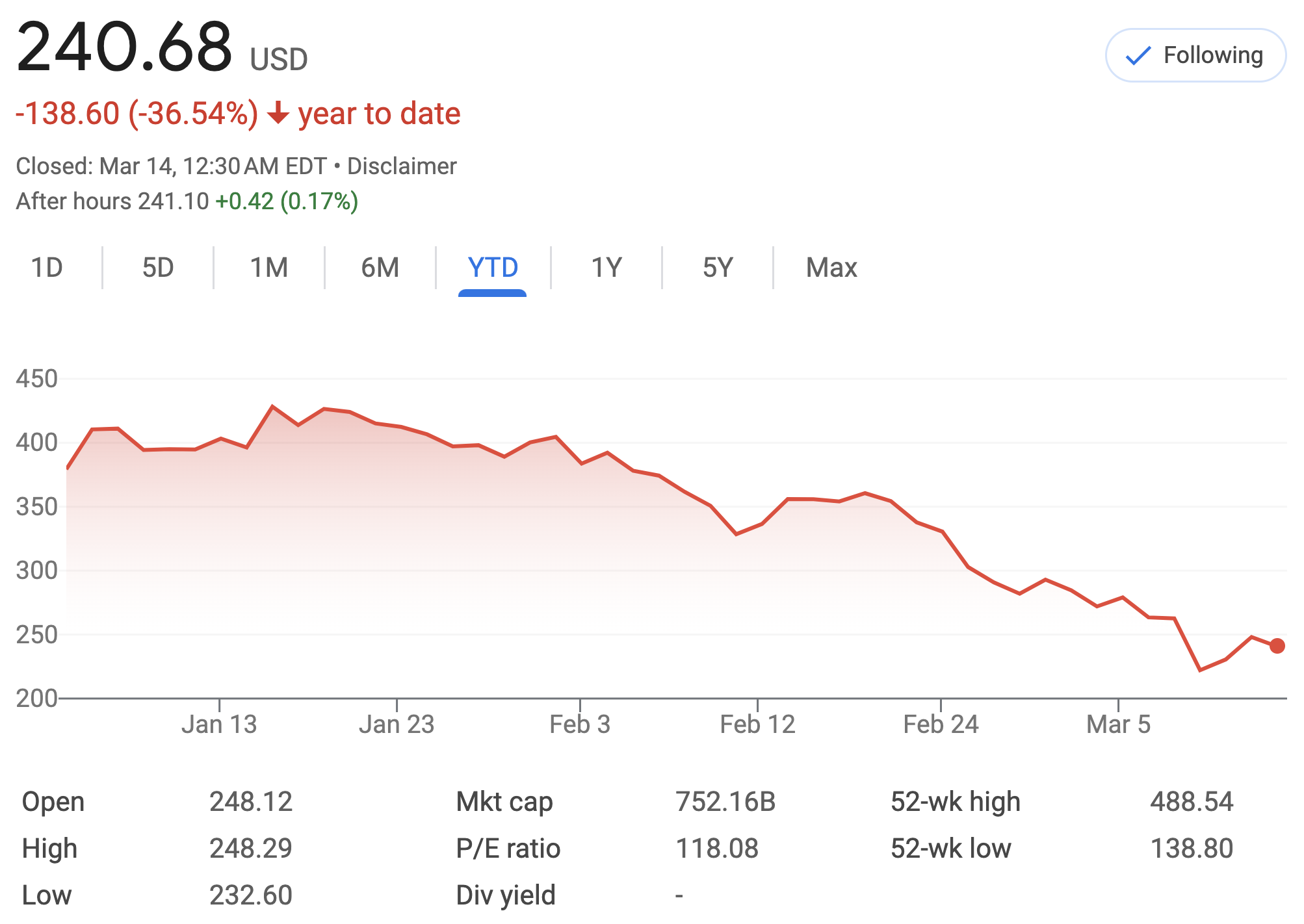
- Financial News Websites: Major financial news outlets such as Bloomberg, Reuters, Wall Street Journal, Yahoo Finance, Google Finance, and CNBC all offer detailed stock pages where you can simply type “TSLA” into their search bar. These platforms typically display the current price, its change from the previous close, daily high and low, trading volume, and often provide historical charts and related news.
- Online Brokerage Platforms: If you have an investment account with a brokerage firm (e.g., Fidelity, Charles Schwab, Robinhood, eToro), their trading platforms will provide real-time quotes, often with advanced charting tools and analytical data.
- Search Engines: A quick search on Google or Bing for “TSLA stock price” or “Tesla stock” will typically display a summary of the current price, often sourced from a major financial data provider.
It’s important to note the distinction between “real-time” and “delayed” quotes. While many public platforms offer real-time data, some free services might have a 15-20 minute delay. For most investors, this slight delay is negligible, but active traders require truly real-time information.
Understanding Price Fluctuations
Once you’ve located the price, you’ll observe it’s in constant motion during market hours (typically 9:30 AM to 4:00 PM ET on weekdays). These fluctuations are a direct result of buying and selling activity. Every time an investor places a “buy” order that matches a “sell” order, a transaction occurs, and the price potentially shifts.
Several factors contribute to these minute-by-minute changes:
- Order Flow: The sheer volume of buy and sell orders. If there’s a surge in buyers, the price tends to rise; if sellers dominate, the price falls.
- News and Announcements: Even small news items, rumors, or analyst upgrades/downgrades can cause immediate shifts as traders react.
- Algorithmic Trading: A significant portion of modern trading is executed by high-frequency trading algorithms that react to market conditions and news faster than human traders, contributing to rapid price changes.
- Bid-Ask Spread: This is the difference between the highest price a buyer is willing to pay (bid) and the lowest price a seller is willing to accept (ask). The continuous negotiation within this spread drives price movement.
Beyond daily trading hours, Tesla stock also experiences “pre-market” and “after-hours” trading. Significant news releases, such as quarterly earnings reports, often occur outside regular market hours, leading to dramatic price swings during these extended sessions as investors react to new information.
Decoding the Drivers Behind Tesla’s Valuation
The current price of TSLA stock is merely a snapshot; its underlying value is a complex tapestry woven from company performance, broader economic trends, and even the unique brand equity and leadership of Elon Musk. Investors seek to understand these drivers to project future price movements and assess the company’s intrinsic worth.
Company-Specific Performance Indicators
At its core, a company’s stock price reflects its operational and financial health. For Tesla, several key performance indicators (KPIs) are under constant scrutiny:
- Vehicle Deliveries and Production: As an automaker, the number of vehicles produced and delivered each quarter is paramount. Growth in these figures indicates expanding market share and operational efficiency. Delays or misses, conversely, can trigger sell-offs.
- Profit Margins: Tesla’s ability to maintain or expand its gross and net profit margins is critical. This indicates how efficiently it’s converting sales into profit, especially important as the company scales and potentially faces price competition.
- Technological Advancements: Progress in areas like Full Self-Driving (FSD) capabilities, battery technology, and AI innovation are not just product improvements but potential revenue streams and competitive differentiators that significantly impact investor sentiment and future growth projections.
- Energy Generation and Storage: Tesla’s energy division, including solar panels and Powerwall/Megapack storage solutions, represents a substantial growth vector often overlooked. Strong performance here diversifies revenue and fortifies its position as a holistic energy company.
- New Product Launches: Launches of new vehicles (e.g., Cybertruck, Robotaxi), or significant updates to existing ones, can generate immense hype and sales, driving stock appreciation.
Broader Market and Economic Influences
No stock exists in a vacuum. Tesla’s price is also heavily influenced by the macroeconomic environment and overall market sentiment:
- Interest Rates: Higher interest rates generally make future earnings less valuable (through a higher discount rate), often leading to a pullback in growth stocks like Tesla, which are valued heavily on future potential.
- Inflation: Persistent inflation can increase input costs for manufacturing, squeeze margins, and reduce consumer purchasing power for high-ticket items like EVs.
- Consumer Spending: Economic slowdowns or recessions can dampen demand for new vehicles, directly impacting Tesla’s sales and growth trajectory.
- Market Sentiment for Growth Stocks: Tesla is often categorized as a “growth stock,” meaning its valuation relies heavily on anticipated future earnings rather than current profits. When the market favors growth, TSLA tends to thrive; when investors become more risk-averse, growth stocks often see significant corrections.
- Geopolitical Events: Global supply chain disruptions, trade tensions, or international conflicts can impact production, raw material costs, and access to key markets, all affecting Tesla’s operations and stock price.
The “Musk Effect” and Brand Premium
Perhaps more than any other company, Tesla’s valuation is uniquely tied to its CEO, Elon Musk. His vision, public statements, and personal brand exert an undeniable influence:
- Visionary Leadership: Musk’s ambitious goals (Mars colonization, brain-computer interfaces, AI) often fuel investor optimism about Tesla’s long-term potential beyond just cars.
- Social Media Influence: Musk’s prolific use of platforms like X (formerly Twitter) means his tweets can, and often do, move the stock price—for better or worse. Announcements, controversial opinions, or even memes can trigger rapid reactions.
- Innovation Perception: Tesla is widely perceived as a leading innovator, a reputation largely built around Musk’s persona. This allows the company to command a “brand premium” in its valuation, as investors factor in its perceived ability to disrupt industries.
- Execution Risk: Conversely, Musk’s often-unconventional behavior or involvement in multiple ventures can introduce perceived “key-person” risk, where the company’s future seems heavily reliant on one individual.
Analyzing Tesla’s Financial Health and Investment Profile
To move beyond speculative price movements, serious investors delve into Tesla’s financial statements and apply various valuation methodologies. This allows for a more grounded assessment of its investment profile and potential long-term value.
Key Financial Metrics for Investors
Understanding these metrics is crucial for evaluating Tesla’s performance and financial strength:
- Revenue Growth: Tesla consistently aims for high revenue growth, indicating its expanding market penetration and sales. Investors look for sustainable growth rates year-over-year.
- Profitability (Net Income & EPS): Net income (the bottom line profit) and Earnings Per Share (EPS) are critical. Positive and growing EPS signifies that the company is translating its sales into tangible profits for shareholders.
- Free Cash Flow (FCF): This measures the cash a company generates after accounting for cash outflows to support operations and maintain its capital assets. Strong FCF indicates financial health and the ability to fund future growth, repay debt, or return value to shareholders.
- Gross Margin & Operating Margin: These ratios indicate how efficiently Tesla manages its production costs and operational expenses. Improving margins suggest economies of scale and better cost control.
- Balance Sheet Health (Cash, Debt): A strong balance sheet with ample cash reserves and manageable debt levels provides financial flexibility and resilience against economic downturns.
Valuation Multiples and Their Interpretation
Given Tesla’s growth profile, traditional valuation metrics are often viewed in a specific context:
- Price-to-Earnings (P/E) Ratio: This compares the current share price to its earnings per share. Tesla’s P/E ratio has historically been very high compared to traditional automakers, reflecting investor expectations of massive future growth and technological dominance rather than current earnings alone. A “forward P/E” (based on future estimated earnings) is often more relevant for high-growth companies.
- Price-to-Sales (P/S) Ratio: This compares market capitalization to total revenue. For companies with volatile or negative earnings, P/S can be a useful alternative, indicating how much investors are willing to pay for each dollar of sales.
- EV/EBITDA (Enterprise Value to Earnings Before Interest, Taxes, Depreciation, and Amortization): This metric provides a broader view of a company’s value, including debt, and can be useful for comparing companies with different capital structures.
Interpreting these multiples for Tesla requires context. High multiples are often justified by rapid growth, market leadership in innovative sectors, and significant future potential. However, they also imply that a great deal of future success is already “priced in,” making the stock vulnerable to any perceived stumble or failure to meet elevated expectations.
Analyst Sentiment and Market Expectations
Wall Street analysts continually track Tesla, providing ratings (buy, hold, sell) and price targets. While not always accurate, analyst consensus can influence market sentiment. Additionally, factors like short interest (the percentage of shares held by investors betting the price will fall) can indicate significant bearish sentiment, which can sometimes fuel sharp rallies (short squeezes) if the price moves against short sellers. Understanding the range of expectations—from bullish growth scenarios to bearish concerns about competition or valuation—provides a comprehensive view of the market’s current outlook.
Strategic Considerations for Investing in TSLA
Investing in Tesla, like any individual stock, requires careful consideration of personal financial goals, risk tolerance, and a thorough understanding of the company’s position within the broader market. It’s not a decision to be taken lightly.
Due Diligence and Risk Assessment
Before investing, extensive due diligence is paramount:
- Competitive Landscape: Tesla operates in an increasingly crowded EV market with traditional automakers and new entrants vying for market share. Assess its competitive advantages (brand, technology, charging infrastructure) versus its rivals.
- Regulatory and Policy Risks: Government regulations around emissions, autonomous driving, and trade policies can significantly impact Tesla’s operations and profitability. Changes in EV incentives, for example, could affect demand.
- Supply Chain Resilience: Tesla’s ability to navigate global supply chain disruptions for batteries, chips, and raw materials is crucial for maintaining production targets.
- Execution Risk: The company’s ambitious goals (FSD, Robotaxi, new gigafactories) come with significant execution risk. Delays or failures in these initiatives can impact investor confidence.
- Valuation Risk: Given its high valuation multiples, Tesla’s stock can be particularly sensitive to any news that suggests a slowdown in growth or a failure to meet aggressive forecasts.
Long-Term Vision vs. Short-Term Volatility
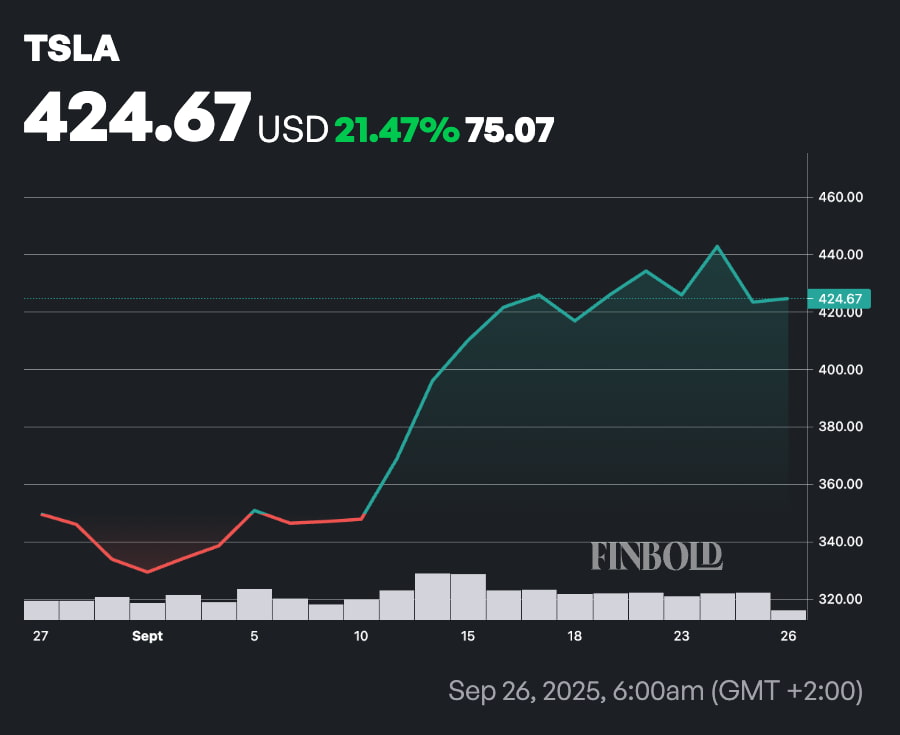
Tesla stock is renowned for its volatility, often experiencing dramatic swings based on news, analyst reports, or even a single tweet from Elon Musk.
- Long-Term Perspective: Many investors view Tesla as a long-term play, betting on its potential to dominate not just EVs but also energy storage, AI, and robotics. For these investors, short-term price fluctuations are less concerning than the company’s fundamental trajectory and technological innovation. They might employ a “buy and hold” strategy.
- Dollar-Cost Averaging: For those wary of timing the market, dollar-cost averaging (investing a fixed amount at regular intervals, regardless of the stock price) can be an effective strategy to mitigate the impact of volatility over time.
Portfolio Diversification and Asset Allocation
Even if you are highly bullish on Tesla, it is generally unwise to commit a disproportionate amount of your investment capital to a single stock.
- Diversification: A well-diversified portfolio spreads risk across various asset classes (stocks, bonds, real estate), industries, and geographies. This helps protect against the underperformance of any single investment.
- Asset Allocation: Your asset allocation should align with your age, financial goals, and risk tolerance. While a growth stock like Tesla can offer substantial returns, it also carries higher risk compared to more stable, income-generating investments. Tesla should be one component of a broader, well-thought-out investment strategy.
The Future Trajectory of Tesla Stock
Projecting the future trajectory of Tesla stock is a complex endeavor, fraught with both exciting potential and significant challenges. Its path will be shaped by its ability to innovate, execute, and adapt to an ever-evolving market.
Catalysts for Growth and Innovation
Several factors could propel Tesla’s stock to new heights:
- Full Self-Driving (FSD) Maturity: If FSD achieves regulatory approval and widespread adoption, it could unlock massive recurring revenue streams through software subscriptions and potential robotaxi services, transforming Tesla’s profitability model.
- New Vehicle Programs: The successful launch and scaling of the Cybertruck, the rumored entry-level compact car, and purpose-built robotaxis could significantly expand Tesla’s addressable market and accelerate vehicle deliveries.
- Energy Division Expansion: Growth in Powerwall, Megapack, and other energy solutions could establish Tesla as a dominant player in the global energy storage market, further diversifying its revenue and reducing reliance on automotive sales.
- Artificial Intelligence and Robotics: Beyond FSD, Tesla’s advancements in AI (e.g., Dojo supercomputer) and robotics (e.g., Optimus humanoid robot) open up entirely new, potentially massive, markets that could fundamentally redefine its valuation.
- Global Market Penetration: Continued expansion into new international markets, particularly in Asia and emerging economies, offers significant growth potential for both vehicle sales and energy products.
Potential Headwinds and Challenges
Despite the immense potential, several headwinds could temper Tesla’s growth or lead to valuation corrections:
- Increased Competition: As the EV market matures, traditional automakers (e.g., Ford, GM, VW) and new EV startups (e.g., Rivian, Lucid, BYD) are aggressively launching competing models, potentially eroding Tesla’s market share and pricing power.
- Regulatory Scrutiny: Increased scrutiny over FSD safety, environmental claims, or manufacturing practices could lead to costly recalls, fines, or operational limitations.
- Manufacturing and Supply Chain Issues: Scaling production to meet ambitious targets consistently presents ongoing manufacturing challenges and reliance on a robust global supply chain, which can be vulnerable to disruptions.
- Macroeconomic Slowdowns: Persistent inflation, high interest rates, or a prolonged global recession could significantly impact consumer demand for new vehicles and high-ticket energy solutions.
- Talent Retention: Retaining top engineering and AI talent in a competitive market is crucial for continued innovation, especially as other tech giants also vie for similar expertise.
Beyond Automotive: The AI and Energy Play
A critical aspect of Tesla’s future valuation lies in its ability to transcend its automotive identity. Many bullish investors see Tesla not primarily as a car company, but as a leader in AI, robotics, and sustainable energy. If Tesla successfully monetizes FSD as a ubiquitous software service, deploys millions of Optimus robots, or becomes a cornerstone of global energy infrastructure through its storage solutions, its valuation could dramatically shift. These non-automotive ventures represent significant optionality and could provide long-term growth vectors that insulate the company from cyclical automotive market trends. Conversely, if these ambitious projects fail to materialize or gain significant traction, investor sentiment could sour.
Conclusion
The question “what is the price of Tesla stock?” prompts a journey into the heart of modern investing. It’s a journey that reveals a complex ecosystem where a numerical value is merely the tip of an iceberg, reflecting deep currents of innovation, market dynamics, financial performance, and visionary leadership. To truly understand TSLA’s price is to appreciate the intricate dance between investor optimism, real-world execution, and the ever-present forces of economic and geopolitical change.
For potential investors, Tesla represents both immense opportunity and considerable risk. Its potential to redefine multiple industries—from transportation to energy and artificial intelligence—is tantalizing. However, its often-volatile price, high valuation, and reliance on ambitious future projects demand a disciplined, informed, and long-term investment approach. Whether you’re tracking its daily movements or contemplating a strategic allocation to your portfolio, understanding the multifaceted drivers behind Tesla’s stock price is essential for navigating one of the most compelling and transformative investment stories of our time.
aViewFromTheCave is a participant in the Amazon Services LLC Associates Program, an affiliate advertising program designed to provide a means for sites to earn advertising fees by advertising and linking to Amazon.com. Amazon, the Amazon logo, AmazonSupply, and the AmazonSupply logo are trademarks of Amazon.com, Inc. or its affiliates. As an Amazon Associate we earn affiliate commissions from qualifying purchases.