
Investing in the stock market can be a powerful pathway to wealth creation, allowing individuals to participate in the growth of companies and, by extension, the global economy. For many aspiring investors, however, the initial question isn’t what to buy, but where to buy it. The landscape of stock acquisition platforms has evolved dramatically, offering a spectrum of options from traditional full-service brokerages to modern, low-cost online platforms and innovative robo-advisors. Understanding these avenues is the first critical step toward building a successful investment portfolio.
This comprehensive guide will demystify the process, exploring the various platforms available, outlining the key factors to consider when making your choice, and detailing the step-by-step journey of buying stocks. Whether you’re a seasoned investor looking to refine your strategy or a complete novice eager to take your first plunge, navigating the options with clarity and confidence is paramount to making informed financial decisions and achieving your long-term financial goals.

Understanding the Landscape of Stock Trading Platforms
The digital age has revolutionized how individuals access financial markets, creating a diverse ecosystem of platforms where stocks can be bought. Each platform caters to different investor profiles, risk tolerances, and service preferences.
Traditional Brokerage Firms (Full-Service)
Full-service brokerage firms represent the conventional approach to investing, offering a comprehensive suite of services beyond mere transaction execution. These firms typically provide personalized financial advice, wealth management services, retirement planning, estate planning, and access to a broad range of investment products, including stocks, bonds, mutual funds, and alternative investments. Investors using full-service brokers often benefit from direct access to financial advisors who can offer tailored recommendations based on their financial situation, goals, and risk appetite.
Pros: Personalized advice, extensive research, comprehensive financial planning, human support.
Cons: Significantly higher fees (commissions, advisory fees, asset under management fees), potentially less control for self-directed investors.
Best For: High-net-worth individuals, those seeking extensive guidance, complex financial situations, or investors who prefer a hands-off approach to managing their portfolio. Examples include Merrill Lynch, Morgan Stanley, and Edward Jones.
Discount Brokerage Firms
Discount brokerages emerged as a middle ground, offering lower fees than full-service firms by stripping away some of the personalized advisory services. These platforms still provide a robust selection of investment products and usually offer some level of research tools and customer support. They cater to investors who are comfortable making their own investment decisions but still appreciate access to a diverse product range and reliable customer service. Many traditional “discount” brokers have increasingly moved towards commission-free trading for stocks and ETFs in recent years, blurring the lines with online-only platforms.
Pros: Lower fees, broad investment selection, good research tools, balances cost with features.
Cons: Less personalized advice compared to full-service, might still have some fees for certain services or trading.
Best For: Intermediate investors who are self-directed but appreciate some support and a wide range of offerings. Notable examples include Fidelity and Charles Schwab (which acquired TD Ameritrade).
Online Brokerage Platforms (Robo-Advisors & DIY)
This category represents the forefront of accessible investing, characterized by low costs, user-friendly interfaces, and often commission-free trading for stocks and Exchange-Traded Funds (ETFs). Online platforms can be further segmented into two main types:
-
DIY (Do-It-Yourself) Brokerages: These platforms empower investors to execute trades independently. They typically offer web-based and mobile applications, real-time data, and a variety of order types. Their appeal lies in their accessibility, often low minimums, and emphasis on individual control. Many have pioneered commission-free trading, making investing more affordable for everyone.
Pros: Very low to zero commissions, accessible via mobile apps, user-friendly interfaces, extensive educational resources for self-learners.
Cons: Requires self-discipline and research, no personalized advice, can sometimes encourage overtrading due to ease of use.
Best For: Beginner investors, active traders, budget-conscious investors, and those who prefer to manage their own portfolios. Examples include Robinhood, E*TRADE, Interactive Brokers, and Vanguard. -
Robo-Advisors: These are automated, algorithm-driven financial planning services that manage portfolios with minimal human intervention. Investors typically answer a questionnaire about their financial goals, risk tolerance, and time horizon, and the robo-advisor then constructs and rebalances a diversified portfolio of low-cost ETFs.
Pros: Extremely low fees (often a small percentage of assets under management), automated rebalancing, diversified portfolios, good for passive investors.
Cons: Lack of human interaction, limited customization, may not handle complex financial situations.
Best For: Passive investors, those new to investing who want a hands-off approach, individuals with limited funds to start. Examples include Betterment and Wealthfront.
Key Factors When Choosing a Brokerage
Selecting the right brokerage is a crucial decision that can significantly impact your investment journey. It’s not a one-size-fits-all choice, and what works for one investor might not be suitable for another. Careful consideration of several key factors will help you align your choice with your personal financial goals and investing style.
Fees and Commissions
This is often the first consideration for many investors. While many platforms now offer commission-free trading for stocks and ETFs, it’s essential to look beyond just the per-trade commission.
- Trading Fees: For options, mutual funds, or certain exotic securities, commissions may still apply.
- Account Maintenance Fees: Some brokers charge a monthly or annual fee, especially for accounts below a certain balance.
- Transfer Fees: If you decide to move your assets to another brokerage, there might be fees for ACATS (Automated Customer Account Transfer Service) or wire transfers.
- Inactivity Fees: Some platforms may charge you if you don’t make a certain number of trades within a period.
- Expense Ratios: When investing in ETFs or mutual funds, understand the underlying expense ratios, as these are deducted from your returns annually.
A thorough review of the fee schedule is paramount to avoid unexpected costs that can erode your returns over time.
Investment Options
Your investment strategy dictates the range of products you need access to.
- Stocks: Ensure the platform offers access to the exchanges and companies you’re interested in, including international stocks if that’s part of your plan.
- ETFs and Mutual Funds: Check the breadth of selection and if there are any commission-free ETFs or no-transaction-fee mutual funds available.
- Options and Futures: For more advanced traders, the availability and cost of trading these derivatives are important.
- Bonds: If you plan to diversify into fixed-income securities, confirm the platform’s offerings.
- Cryptocurrencies: While not traditional stocks, some platforms are integrating crypto trading, which might be a consideration for some.
A brokerage that offers a diverse range of investment products allows for greater flexibility and portfolio diversification.
Research Tools and Educational Resources
Especially for new investors, robust research tools and educational materials are invaluable.
- Fundamental Analysis: Look for access to company financial statements, analyst reports, news feeds, and economic calendars.
- Technical Analysis: Charting tools, technical indicators, and screening capabilities can aid in identifying trading opportunities.
- Educational Content: Webinars, articles, tutorials, and practice accounts (paper trading) can help you learn and hone your skills without risking real capital.
A platform that invests in empowering its users through education and data can significantly enhance your decision-making process.
User Experience and Platform Reliability
The ease of use and stability of the trading platform are critical for a smooth investing experience.
- Interface: Is the platform intuitive, easy to navigate, and visually appealing? Both desktop and mobile experiences should be considered.
- Performance: Does the platform execute trades quickly and reliably, especially during volatile market periods?
- Customer Support: What are the channels for support (phone, chat, email)? Are they responsive and knowledgeable? Availability during trading hours is crucial.
- Advanced Features: For experienced traders, features like advanced order types, algorithmic trading, and API access might be important.
A reliable and user-friendly platform reduces frustration and allows you to focus on your investments.
Security and Regulation
Protecting your investments is paramount. Ensure the brokerage adheres to strict security protocols and regulatory standards.
- SIPC and FDIC Insurance: Most U.S. brokers are members of the Securities Investor Protection Corporation (SIPC), which protects securities customers of its members up to $500,000 (including $250,000 for cash). FDIC insurance covers cash held in linked bank accounts, not investment accounts.
- Regulatory Compliance: Check if the brokerage is regulated by the Securities and Exchange Commission (SEC) and is a member of the Financial Industry Regulatory Authority (FINRA).
- Cybersecurity: Look for features like two-factor authentication, encryption, and other measures to protect your account from unauthorized access.
Choosing a well-regulated and secure platform provides peace of mind and safeguards your assets.
The Buying Process: A Step-by-Step Guide
Once you’ve chosen your brokerage platform, the actual process of buying stocks is relatively straightforward. However, understanding each step is vital for making informed decisions and executing trades effectively.
Opening an Investment Account
The first step is to open an investment account.
- Choose Account Type: Decide between an individual taxable brokerage account, a joint account, or a tax-advantaged retirement account like an IRA (Individual Retirement Account) or Roth IRA. Your choice will depend on your financial goals and tax situation.
- Provide Personal Information: You’ll need to provide your Social Security number, address, employment information, and possibly details about your financial background to comply with regulatory requirements (Know Your Customer – KYC and Anti-Money Laundering – AML).
- Agree to Terms: Review and agree to the brokerage’s terms and conditions.

Funding Your Account
After your account is open, you need to deposit money to start investing.
- Link Bank Account: Most common method. You’ll link your bank account via ACH transfer (Automated Clearing House). This typically takes 1-3 business days for funds to settle and become available for trading.
- Wire Transfer: Faster but often incurs a fee from your bank. Funds are usually available the same day.
- Check Deposit: Slower, as it involves mailing a physical check.
- Transfer from Another Brokerage: If you’re moving an existing investment account, you can initiate an ACATS transfer, which typically takes a few business days to weeks.
Researching and Selecting Stocks
Before placing an order, thorough research is paramount.
- Define Your Strategy: Are you a long-term investor focused on growth, value, or dividends? Or are you a short-term trader?
- Fundamental Analysis: Examine a company’s financial health, management, competitive landscape, industry outlook, and economic factors. Key metrics include P/E ratio, revenue growth, profit margins, and debt levels.
- Technical Analysis: Study historical price charts and volume data to identify patterns and predict future price movements. This is often used by short-term traders.
- Diversification: Don’t put all your eggs in one basket. Spread your investments across different companies, industries, and asset classes to mitigate risk.
- Understand the Business: Invest in companies whose business models you understand.
Placing an Order
Once you’ve identified a stock, it’s time to place an order.
- Select Stock Symbol: Enter the ticker symbol of the company you wish to buy (e.g., AAPL for Apple).
- Specify Quantity: Decide how many shares you want to purchase. Some brokers also allow fractional share investing, letting you invest a specific dollar amount.
- Choose Order Type:
- Market Order: Buys or sells immediately at the best available current price. Offers speed but price isn’t guaranteed, especially in volatile markets.
- Limit Order: Buys or sells at a specific price or better. You set a maximum price you’re willing to pay for a buy order, or a minimum price you’re willing to accept for a sell order. This offers price control but may not execute if the market price doesn’t reach your limit.
- Stop Order (Stop-Loss/Stop-Limit): Designed to limit potential losses. A stop-loss order becomes a market order once a specified “stop price” is reached. A stop-limit order becomes a limit order once the stop price is triggered.
- Review and Confirm: Double-check all details before confirming your order.
Monitoring and Managing Your Portfolio
Investing is an ongoing process, not a one-time event.
- Regular Review: Periodically review your portfolio’s performance against your goals.
- Rebalancing: Adjust your asset allocation if it drifts from your target due to market movements.
- Understand Tax Implications: Keep track of capital gains and losses for tax reporting. Consider holding investments for more than a year to qualify for lower long-term capital gains tax rates.
- Stay Informed: Keep abreast of company news, industry trends, and economic developments that could impact your investments.
Beyond Individual Stocks: Diversifying Your Investment Approach
While buying individual stocks is a common way to invest, it’s far from the only or even the best approach for many investors. Diversification across various investment vehicles can help manage risk and potentially enhance returns.
Exchange-Traded Funds (ETFs)
ETFs are essentially baskets of securities—such as stocks, bonds, or commodities—that trade on stock exchanges, much like individual stocks. They often track an index (e.g., S&P 500) or a particular sector.
Pros: Instant diversification, low expense ratios (annual fees), liquidity (can be bought and sold throughout the day), tax efficiency.
Cons: Can incur trading commissions (though many are commission-free), may track an index too closely without outperforming.
Best For: Investors seeking broad market exposure, diversification, and lower costs without picking individual stocks.
Mutual Funds
Mutual funds are professionally managed investment funds that pool money from many investors to purchase a diversified portfolio of securities. They are managed by fund managers who make investment decisions on behalf of the fund’s investors.
Pros: Professional management, built-in diversification, wide variety of investment strategies.
Cons: Higher expense ratios (due to active management), often trade only once a day (at market close), potential for sales loads (commissions).
Best For: Investors who prefer professional management, are comfortable with higher fees, and desire broad diversification without actively trading.
Robo-Advisors
As mentioned earlier, robo-advisors offer automated, algorithm-driven portfolio management. They build and manage diversified portfolios of low-cost ETFs based on your risk tolerance and financial goals, automatically rebalancing them as needed.
Pros: Very low fees, hands-off approach, easy to set up, good for beginners, automated rebalancing.
Cons: Limited customization, no human financial advisor interaction, may not suit complex financial situations.
Best For: Passive investors, beginners, or those who want a low-cost, automated way to invest and save for long-term goals.
Direct Stock Purchase Plans (DSPPs)
Some companies offer Direct Stock Purchase Plans (DSPPs) that allow investors to buy shares directly from the company, bypassing a brokerage firm. These plans often allow for small, recurring investments and dividend reinvestment.
Pros: Can buy fractional shares, often lower fees than traditional brokerages for small investments, convenient for long-term holding.
Cons: Limited to specific companies that offer DSPPs, less flexible than brokerage accounts, may have minimum investment requirements.
Best For: Long-term investors focused on specific companies, especially those looking to invest small amounts regularly and reinvest dividends.
Important Considerations for New Investors
Embarking on your investment journey can be exciting, but it’s crucial to approach it with a clear understanding of best practices and potential pitfalls.
Start Small and Learn Gradually
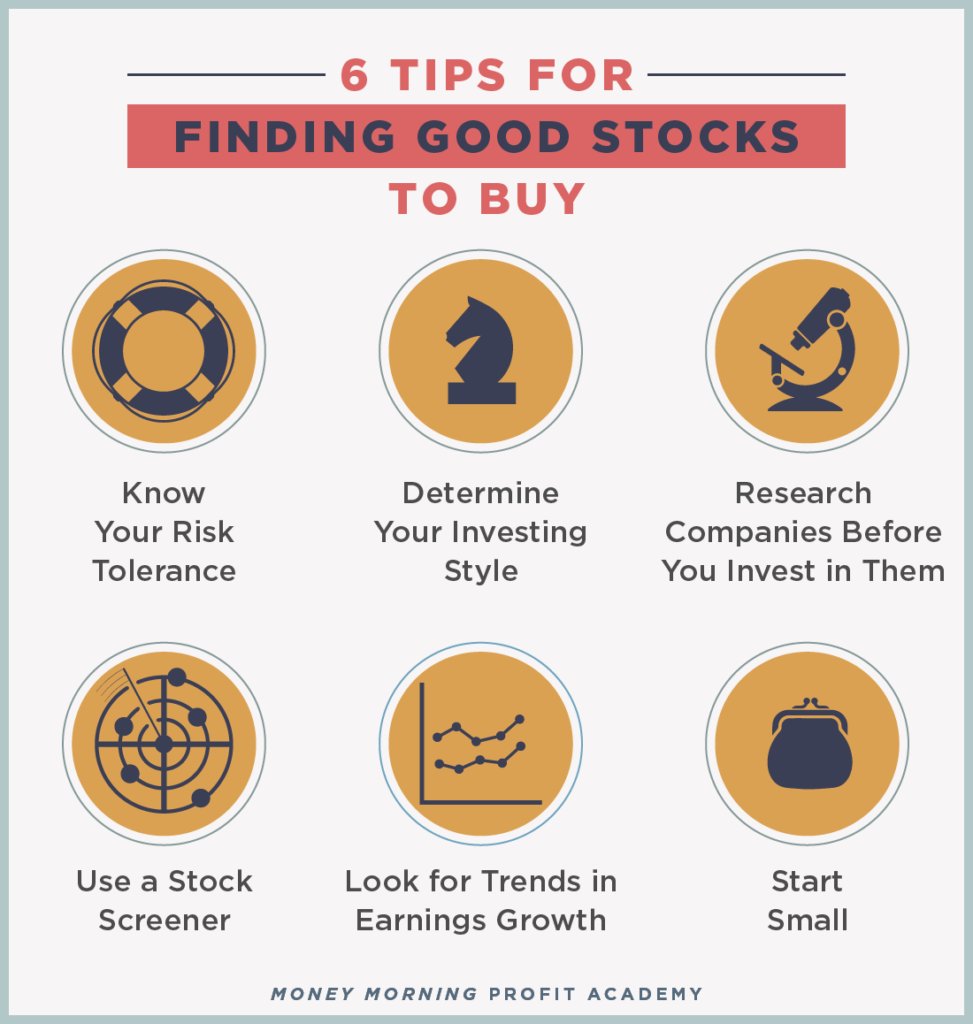
You don’t need a large sum to begin investing. Many platforms allow you to start with modest amounts, even offering fractional share investing. Begin with an amount you’re comfortable losing, as market fluctuations are inevitable. Use this initial period to learn how the market works, understand your chosen platform, and refine your research skills. Gradual entry allows you to gain experience without undue financial pressure.
Understand Your Risk Tolerance
Risk tolerance is your psychological and financial capacity to take on and withstand losses. Before investing, assess how much volatility you can handle without losing sleep or making impulsive decisions. Are you comfortable with aggressive growth stocks that can swing wildly, or do you prefer the stability of blue-chip companies and bonds? Your risk tolerance should guide your asset allocation and investment choices.
Diversify, Diversify, Diversify
This golden rule of investing cannot be overstressed. Spreading your investments across different asset classes (stocks, bonds, real estate), industries, geographies, and company sizes significantly reduces the impact of a poor performance in any single investment. Diversification mitigates risk without sacrificing potential returns over the long term. ETFs and mutual funds are excellent tools for achieving instant diversification.
Long-Term vs. Short-Term Investing
Clarify your investment horizon.
- Long-Term Investing: Typically involves holding investments for several years or decades, aiming for capital appreciation over time. This approach often smooths out short-term market volatility and benefits from compounding returns. It’s suitable for retirement planning, buying a home, or other major life goals.
- Short-Term Trading: Involves buying and selling securities quickly, often within days or weeks, to profit from small price movements. This is inherently riskier, requires significant time, research, and emotional discipline, and is generally not recommended for beginners.
Tax Implications
Understanding the tax implications of your investments is crucial.
- Capital Gains: When you sell an investment for more than you paid for it, you incur a capital gain. These are taxed differently depending on how long you held the asset (short-term vs. long-term).
- Dividends: Income received from stocks is typically taxed.
- Tax-Advantaged Accounts: Utilizing accounts like 401(k)s and IRAs (Traditional or Roth) can offer significant tax benefits, such as tax-deferred growth or tax-free withdrawals in retirement. Maximize these opportunities whenever possible.
In conclusion, the decision of where to buy stocks is a foundational step in your investment journey. By carefully considering the types of platforms available, evaluating your needs against key factors like fees, investment options, and user experience, and approaching the process with diligent research and an understanding of diversification and risk, you can confidently navigate the stock market and work towards achieving your financial aspirations. Remember, investing is a marathon, not a sprint, and continuous learning and patience are your most valuable assets.
aViewFromTheCave is a participant in the Amazon Services LLC Associates Program, an affiliate advertising program designed to provide a means for sites to earn advertising fees by advertising and linking to Amazon.com. Amazon, the Amazon logo, AmazonSupply, and the AmazonSupply logo are trademarks of Amazon.com, Inc. or its affiliates. As an Amazon Associate we earn affiliate commissions from qualifying purchases.