
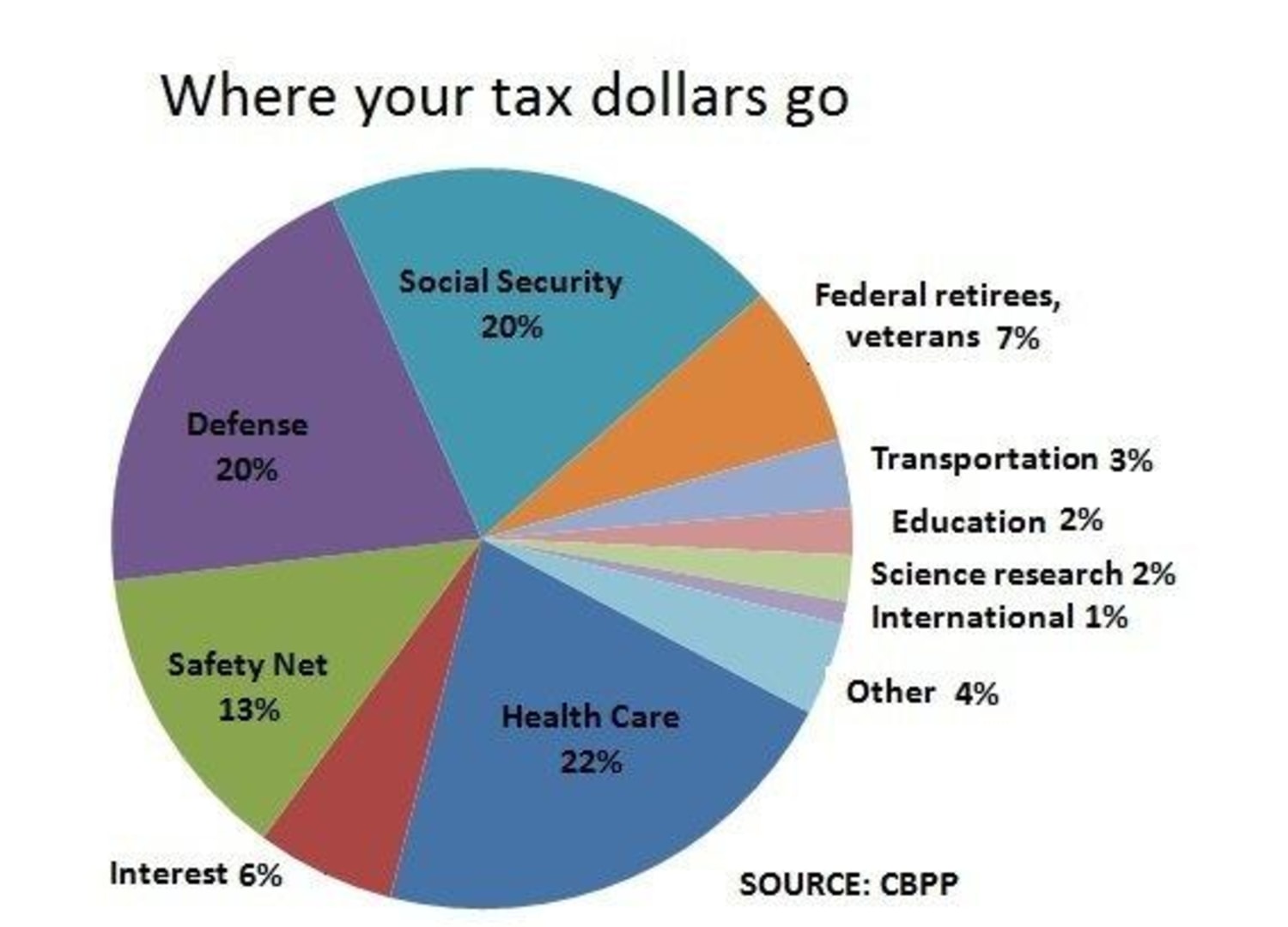
The seemingly simple question, “Where do you pay taxes?” opens a complex labyrinth of legal jurisdictions, economic principles, and individual financial responsibilities. Taxes are the lifeblood of governments worldwide, funding everything from infrastructure and education to healthcare and defense. Understanding where and why you owe taxes is not just a matter of compliance but a fundamental aspect of financial literacy and responsible citizenship. This article delves into the multi-layered nature of taxation, exploring the various jurisdictions, tax types, and practical considerations that determine where your hard-earned money ultimately contributes to the public purse.
The Fundamental Jurisdictions of Taxation
Taxation is a hierarchical system, with obligations often spanning multiple governmental levels. The primary “where” of taxation refers to the governmental authority claiming a share of your income, wealth, or consumption.
National and Federal Taxation
At the broadest level, every sovereign nation levies taxes on its residents and entities operating within its borders. This is the cornerstone of any country’s fiscal policy. In federal systems, like the United States, Canada, Australia, or Germany, this national level is often referred to as “federal” taxation. The federal government typically imposes income taxes on individuals and corporations, certain consumption taxes (like excise taxes on specific goods), and sometimes payroll taxes to fund social security and healthcare programs. The “where” here is the national treasury, the central collection point for these revenues, which are then distributed to fund national initiatives and services. For an individual, this means filing an annual tax return with their national tax authority (e.g., IRS in the US, HMRC in the UK, CRA in Canada). For businesses, it means reporting profits and adhering to national corporate tax laws.
State, Provincial, and Regional Taxes
Beneath the national or federal layer, many countries operate with sub-national governmental units that also possess taxing authority. These can be states in the US, provinces in Canada, Länder in Germany, or various regional governments elsewhere. These entities often impose their own distinct tax regimes, which can significantly impact an individual’s or business’s overall tax burden. Common taxes at this level include state income taxes, sales taxes (often in addition to national VATs), property taxes (though sometimes administered at a more local level), and various business license fees or specific industry taxes. The “where” for these taxes is the treasury or revenue department of the specific state, province, or region you reside in or conduct business within. The rates and rules can vary dramatically from one region to another, making geographical location a crucial factor in tax planning.
Local and Municipal Levies
The most granular level of taxation occurs at the local or municipal level. Cities, towns, counties, and other local districts often have the power to levy taxes to fund local services such as police and fire departments, public schools, waste management, and local infrastructure. The most prominent example is property tax, which is almost universally administered and collected by local authorities based on the assessed value of real estate within their jurisdiction. Other local taxes might include local income taxes (found in certain cities or counties), occupancy taxes (on hotel stays), and various permits and fees for local businesses. The “where” for these payments is directly to the municipal or county tax collector’s office, or sometimes integrated into a broader state collection system. These localized taxes directly reflect the cost of living and doing business in a particular community.
Understanding Different Types of Taxes and Their Payment Points
The “where do you pay taxes” question also relates to the source or nature of the income, transaction, or asset being taxed. Different types of taxes target different economic activities.
Income Tax: Individuals and Businesses
Income tax is arguably the most pervasive form of taxation, levied on wages, salaries, profits, interest, dividends, and other forms of earnings.
- Individuals: For most employed individuals, income tax is paid continuously throughout the year through a system of withholding by employers. A portion of each paycheck is sent directly to the relevant tax authorities (federal, state, and sometimes local) on your behalf. The final “where” of payment is when you file your annual tax return, reconciling what was withheld with what you actually owe, either resulting in a refund or an additional payment to the government.
- Businesses: Corporations and other business entities pay income tax on their net profits. This is typically done through estimated tax payments made quarterly to federal and state tax authorities, with a final reconciliation and payment (or refund) when the annual corporate tax return is filed. The “where” is the national and sub-national treasuries corresponding to where the business earns its income.
Consumption Taxes: Sales, VAT, and Excise Duties
Consumption taxes are levied on the purchase of goods and services.
- Sales Tax: Predominantly used in the United States, sales tax is added at the point of sale. The “where” of payment is indirect; you pay it to the vendor, who then remits it to the state or local tax authority. The tax is collected by the seller (often retail businesses) and then paid to the state and/or local government where the sale occurred.
- Value Added Tax (VAT): Common in Europe, Canada (GST/HST), and many other parts of the world, VAT is a tax on the value added at each stage of production and distribution. While it is ultimately borne by the end consumer, businesses collect VAT on sales and deduct VAT paid on their purchases, remitting the net amount to the national tax authority. The “where” of payment for VAT is the national tax authority of the country where the transaction takes place.
- Excise Duties: These are taxes on specific goods like tobacco, alcohol, fuel, or luxury items. They are often embedded in the price of the product or paid by the manufacturer/importer, who then passes the cost to the consumer. The “where” is the national or sub-national authority that imposes the duty.
Property Taxes and Wealth Transfer Taxes
These taxes are levied on assets rather than income or consumption.
- Property Taxes: As discussed, property taxes are almost universally paid to local or municipal governments where the property is located. They are typically assessed annually based on the property’s value.
- Estate and Inheritance Taxes: These are taxes on the transfer of wealth upon death or as a gift. They are generally paid to the national or state government where the deceased resided or where the assets are located, though rules vary significantly by jurisdiction. The “where” of payment here is often the national or state treasury responsible for probate and estate administration.
Corporate and Business-Specific Taxes
Beyond income tax, businesses face a multitude of other taxes depending on their industry, structure, and operations. These can include payroll taxes (to fund social security and unemployment benefits), franchise taxes (for the privilege of doing business in a state), environmental taxes, and industry-specific levies. The “where” for these taxes depends entirely on the specific governmental body imposing them – be it federal, state, or local.
Navigating Cross-Border Taxation: A Global Perspective
The question “where do you pay taxes” becomes particularly intricate when individuals or businesses operate across international borders. Global mobility and digital commerce have made understanding international tax obligations more critical than ever.
The Concept of Tax Residency
A fundamental principle in international taxation is tax residency. This determines which country has the primary right to tax an individual’s worldwide income. Residency rules vary, often based on factors like the number of days spent in a country, the location of one’s permanent home, family ties, or economic interests. An individual may be a citizen of one country but a tax resident of another, leading to potential dual taxation challenges. The country of tax residency is typically “where” an individual declares their global income.
Double Taxation Agreements and Relief Mechanisms
To prevent individuals and businesses from being taxed twice on the same income by different countries, many nations have entered into Double Taxation Agreements (DTAs). These bilateral treaties specify which country has taxing rights over particular types of income and provide mechanisms for relief, such as tax credits (allowing taxes paid in one country to offset taxes owed in another) or exemptions. Without a DTA, individuals and businesses could face prohibitive tax burdens. The “where” of final payment under a DTA can shift, but typically, the country of residency has the ultimate say, crediting taxes paid elsewhere.
Implications for Expatriates and Digital Nomads
For expatriates working abroad, understanding the “where” of taxation is paramount. They often face tax obligations in their home country (especially if it taxes citizens abroad, like the US) and their host country. Digital nomads, who often move frequently between countries, face even greater complexity, needing to meticulously track their physical presence and understand residency rules to avoid inadvertently becoming a tax resident in multiple jurisdictions or falling afoul of tax laws. For these groups, tax planning often involves navigating intricate residency rules and applying DTA provisions to correctly determine where income is declared and taxes are paid.
International Business Taxation Challenges
Multinational corporations face immense challenges in determining where their profits are taxed. Concepts like “permanent establishment” define whether a business has a sufficient presence in a country to be subject to its corporate taxes. Transfer pricing rules govern how transactions between related entities in different countries are valued to prevent artificial profit shifting. The “where” of international corporate tax is constantly evolving, with global initiatives like the OECD’s Pillar One and Pillar Two reforms aiming to ensure that profits are taxed where economic activity occurs and value is created.
Practicalities of Tax Payment: How and When
Beyond “where” in terms of jurisdiction, “where” also implies the practical mechanism and timing of tax payments.
Withholding and Payroll Deductions
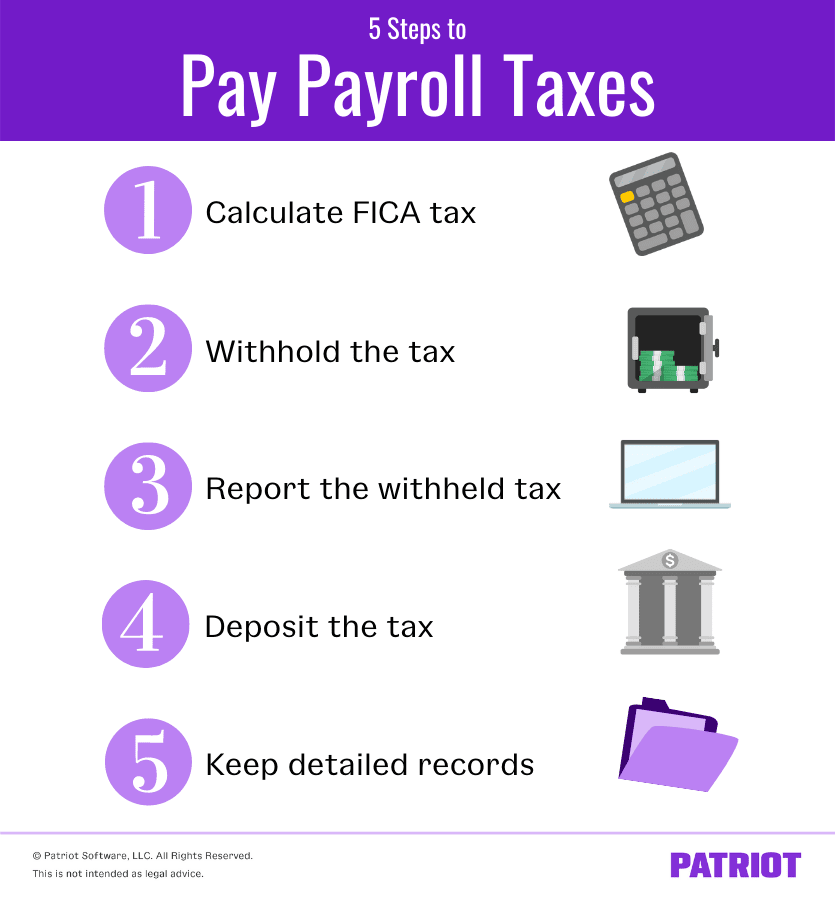
For most employees, the “where” of payment is effectively managed by their employer. Taxes (income, social security, Medicare, etc.) are withheld from each paycheck and remitted directly to the relevant tax authorities on the employee’s behalf. This system ensures a steady stream of revenue for governments and prevents employees from having a large, unexpected tax bill at the end of the year. The employer acts as a collection agent, ensuring payments flow to the federal, state, and local treasuries.
Estimated Taxes for Self-Employed and Non-Standard Income
Individuals who are self-employed, independent contractors, or who have significant income from investments or other sources not subject to withholding are typically required to pay estimated taxes quarterly. These payments are direct contributions to the federal and state tax authorities, approximating the tax liability for the year. Failure to pay estimated taxes can result in penalties. For these individuals, the “where” of payment is a proactive and direct transfer of funds to the government at specific intervals throughout the year.
Direct Payments and Electronic Filing
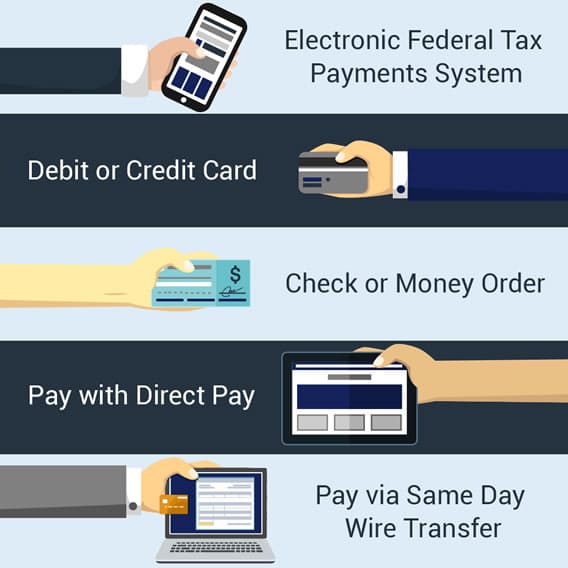
Modern tax systems heavily rely on electronic filing and direct payments. Taxpayers can typically pay any outstanding balances at the time of filing their annual returns through various digital methods: direct debit from a bank account, credit/debit card payments, or electronic funds transfers. Many tax authorities also offer online portals for managing tax accounts, making payments, and viewing payment history. The physical “where” of payment has largely transformed into a digital transfer, though the funds still land in the designated government treasury accounts.
The Role of Tax Deadlines and Compliance
The “when” is as important as the “where.” Governments establish strict deadlines for filing tax returns and making payments. Adhering to these deadlines is crucial for compliance. Penalties for late filing or late payment can be substantial. Staying informed about these dates and understanding your obligations ensures that your payments reach the correct government “where” on time.
Strategic Tax Planning and Avoiding Common Pitfalls
Understanding “where do you pay taxes” is foundational, but strategic tax planning takes this knowledge a step further, aiming to optimize financial outcomes within the bounds of the law.
The Importance of Professional Advice
Given the complexity of tax laws, especially across multiple jurisdictions or for businesses, seeking professional advice from a tax accountant, enrolled agent, or financial advisor is invaluable. They can help individuals and businesses accurately determine their tax residency, identify all applicable tax obligations (federal, state, local, international), ensure correct classification of income and expenses, and advise on legitimate strategies to minimize tax liability. This professional guidance ensures payments are directed to the right “where” and in the right amounts.
Record-Keeping and Documentation
Meticulous record-keeping is non-negotiable. Maintaining accurate records of income, expenses, deductions, and previous tax payments is essential for preparing accurate tax returns and for substantiating claims in case of an audit. Without proper documentation, it becomes challenging to prove what was paid, to whom, and why, potentially leading to incorrect tax assessments.
Understanding Tax Credits and Deductions
While taxes tell us “where” money goes, credits and deductions show us how to reduce the amount that goes there. Tax deductions reduce your taxable income, while tax credits directly reduce the amount of tax you owe. Understanding eligibility for various credits (e.g., child tax credit, education credits, energy efficiency credits) and deductions (e.g., mortgage interest, student loan interest, business expenses) can significantly lower your overall tax burden, meaning less money ultimately flows to the “where” of tax collection.
Staying Compliant in a Dynamic Tax Landscape
Tax laws are not static. They frequently change due to legislative action, economic shifts, and evolving international agreements. Staying informed about these changes, either through personal research or via professional guidance, is critical for ongoing compliance. This continuous vigilance ensures that you are always paying your taxes to the correct “where” according to the most current regulations, avoiding penalties and fostering financial security.
In conclusion, “where do you pay taxes” is a multi-faceted question answered by a combination of your physical location, the nature of your income or assets, your residency status, and the type of economic activity you engage in. From federal treasuries to local municipal offices, and increasingly through digital portals, the flow of tax payments underpins the functioning of governments worldwide, making it an essential aspect of personal and business financial management.
aViewFromTheCave is a participant in the Amazon Services LLC Associates Program, an affiliate advertising program designed to provide a means for sites to earn advertising fees by advertising and linking to Amazon.com. Amazon, the Amazon logo, AmazonSupply, and the AmazonSupply logo are trademarks of Amazon.com, Inc. or its affiliates. As an Amazon Associate we earn affiliate commissions from qualifying purchases.