
For investors, analysts, and market enthusiasts closely tracking the dynamic technology sector, few events command as much attention as a major company’s quarterly earnings report. NVIDIA, a titan in the semiconductor industry, particularly renowned for its graphics processing units (GPUs) and its pivotal role in artificial intelligence (AI) and data center acceleration, is one such company whose financial disclosures move markets and shape narratives. The question of “When is NVIDIA’s next earnings report?” is not merely a logistical inquiry; it’s a gateway to understanding the company’s performance, strategic direction, and its broader implications for the global economy.

NVIDIA’s financial results offer critical insights into the health of key technological frontiers, including the insatiable demand for AI compute, the robust gaming market, and the burgeoning opportunities in professional visualization and autonomous vehicles. Each report provides a snapshot of the company’s fiscal strength, operational efficiency, and future outlook, making it an indispensable event for anyone with a stake in its trajectory. Delving into the specifics of when to find this information, what to look for, and how these reports influence market sentiment is paramount for making informed financial decisions.
Understanding the Significance of NVIDIA’s Earnings Reports
Earnings reports are more than just a formality; they are crucial disclosures that encapsulate a company’s performance over a specific period. For a high-profile, high-growth entity like NVIDIA, these reports take on magnified importance, influencing everything from individual investment strategies to broader economic indicators.
What Earnings Reports Are and Why They Matter
An earnings report is a formal financial statement, typically released quarterly and annually, that details a company’s revenues, expenses, and profits (or losses) over the reporting period. It also often includes a balance sheet, cash flow statement, and management’s commentary on the results and future outlook. These reports are mandated by regulatory bodies, such as the U.S. Securities and Exchange Commission (SEC), to ensure transparency and provide essential information to shareholders and the public.
For investors, earnings reports are the primary mechanism to gauge a company’s financial health and operational efficiency. They reveal whether a company is growing its sales, managing its costs effectively, and generating sustainable profits. The market reacts swiftly to these disclosures, often recalibrating a company’s stock price based on whether the results meet, exceed, or fall short of analyst expectations. Beyond the headline numbers, these reports offer a narrative from management about the current business environment, competitive landscape, and strategic priorities, helping stakeholders understand the forces shaping the company’s destiny.
NVIDIA’s Position in the Market and Investor Expectations
NVIDIA holds a unique and increasingly critical position in the global technology ecosystem. As the undisputed leader in high-performance GPUs, its hardware and software platforms are foundational to advancements in artificial intelligence, machine learning, high-performance computing, data centers, and immersive gaming experiences. The ongoing AI revolution has placed NVIDIA at the epicenter of unprecedented demand for its specialized chips, making it a bellwether for the entire AI industry.
Given this strategic importance, investor expectations for NVIDIA are consistently high. Analysts tirelessly track its performance, forecasting revenue growth, profit margins, and market share across its diverse segments. Investors scrutinize these reports for validation of NVIDIA’s growth story, particularly its ability to capitalize on the AI boom and maintain its technological leadership. Any deviation from expected stellar performance can trigger significant market movements, underscoring the sensitivity of investor sentiment to NVIDIA’s results. The company’s innovative prowess, expansive ecosystem, and strong competitive moat fuel a narrative of continuous expansion, making each earnings report a testament to its execution against these lofty expectations.
Key Metrics Investors Scrutinize
When NVIDIA releases its earnings, investors and analysts dive deep into several key metrics beyond just the headline revenue and earnings per share (EPS). These provide a more nuanced picture of the company’s performance and future potential:
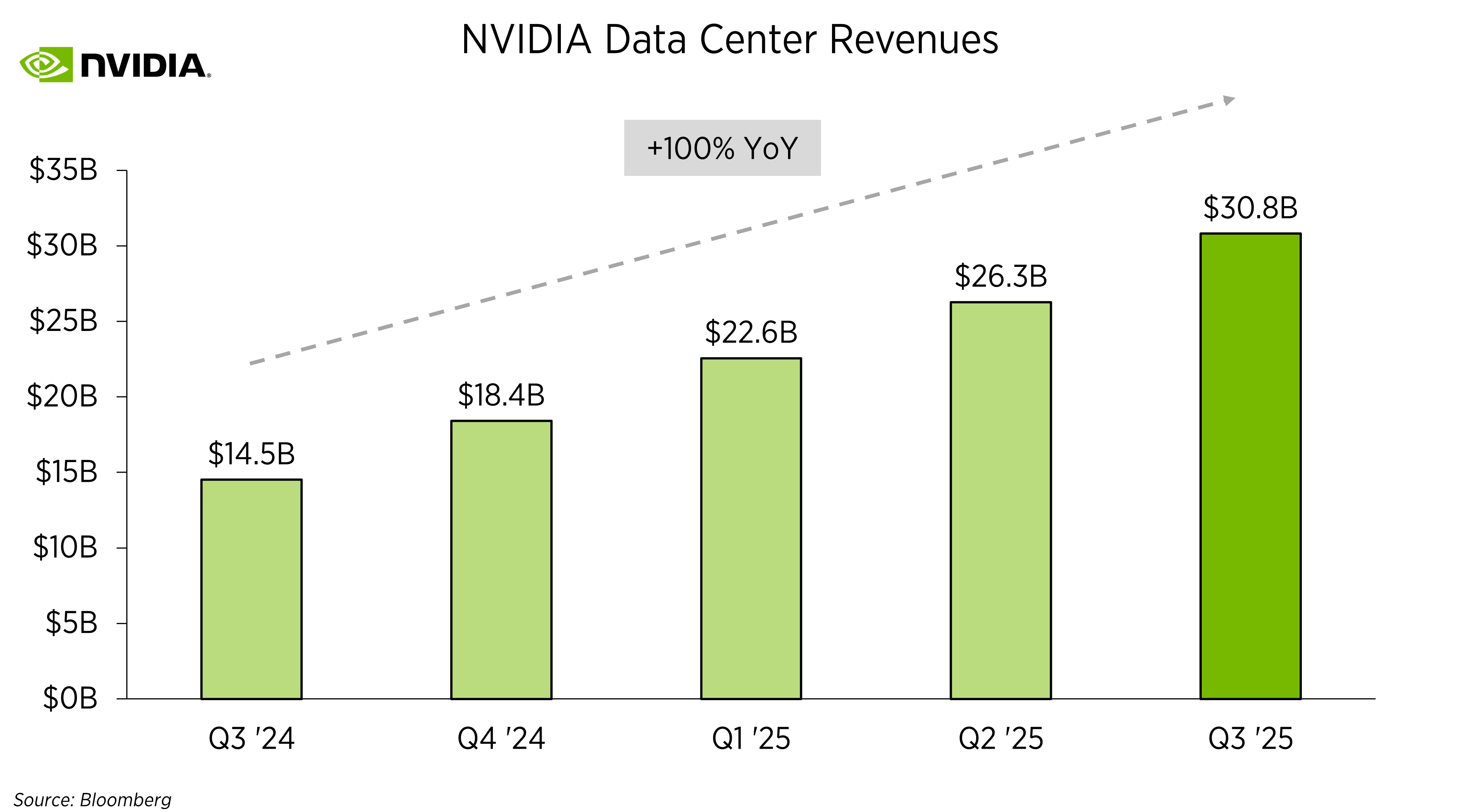
- Revenue Growth (Total and Segment-Specific): While overall revenue growth is vital, breaking it down by NVIDIA’s core segments—Data Center, Gaming, Professional Visualization, and Automotive—reveals where the growth is truly coming from and identifies areas of strength or weakness. The Data Center segment, in particular, has seen exponential growth due to AI demand.
- Gross Margins: For a hardware and design-intensive company like NVIDIA, gross margin (revenue minus cost of goods sold, divided by revenue) is a critical indicator of pricing power, efficiency in manufacturing, and product mix. Expanding margins suggest strong demand and efficient operations, while contracting margins could signal increased competition or rising input costs.
- Earnings Per Share (EPS): This widely watched metric indicates how much profit the company makes for each outstanding share. It’s often compared against analyst consensus estimates.
- Guidance and Future Outlook: Perhaps the most impactful element for immediate stock price reaction, management’s forward-looking statements for the next quarter’s revenue, gross margins, and operating expenses signal their confidence in future performance. Commentary on market trends, product pipeline, and supply chain health is equally important.
- Cash Flow from Operations: This metric reveals the actual cash generated by the company’s core business activities, reflecting its ability to fund operations, investments, and potential shareholder returns without relying on external financing.
- Research and Development (R&D) Spending: As an innovation-driven company, NVIDIA’s R&D expenditure signifies its investment in future technologies, new chip architectures, and software platforms—all crucial for maintaining its competitive edge.
How to Find NVIDIA’s Next Earnings Report Date
Knowing the specific date of NVIDIA’s next earnings report is the first step for any investor planning their strategy. Fortunately, this information is readily available through several reliable channels.
Official Company Resources: Investor Relations Website
The most accurate and reliable source for NVIDIA’s earnings report date and related materials is its official Investor Relations (IR) website. Companies are legally obligated to provide timely and transparent information to their shareholders, and the IR portal serves as the central hub for all financial communications.
To find the date, navigate to NVIDIA’s investor relations website, typically found at investor.nvidia.com. Within this site, look for sections titled “Events & Presentations,” “Financial Calendar,” or “Earnings Release Dates.” Here, NVIDIA will post the exact date and time of its upcoming earnings release, details about the associated conference call (including webcast links and dial-in information), and often, a link to the press release once it’s made public. This is also where you can find archives of past earnings reports, transcripts, and investor presentations. Always prioritize the company’s official site for critical dates to avoid misinformation.
Financial News Outlets and Data Providers
In addition to official company channels, a plethora of financial news outlets and data providers aggregate and disseminate earnings calendar information. These sources are convenient and often provide additional context, analyst estimates, and historical data.
Reputable financial news sources like Bloomberg, Reuters, The Wall Street Journal, Financial Times, and CNBC will extensively cover NVIDIA’s earnings announcements and publish the dates well in advance. Similarly, financial data platforms such as Yahoo Finance, Google Finance, Investing.com, Zacks, Seeking Alpha, and Earnings Whisper maintain comprehensive earnings calendars that list upcoming reports for thousands of companies, including NVIDIA. These platforms are excellent for quickly checking dates and often provide countdown timers, but it’s always a good practice to cross-reference with NVIDIA’s official IR site if there’s any doubt, particularly for a highly anticipated report.
Calendar of Events and Forward-Looking Statements
Companies often provide hints or ranges for their next earnings release during their current earnings conference calls or in the accompanying investor presentation slides. For instance, management might state that they anticipate releasing Q1 results “in late April or early May.” While not a precise date, this gives investors a timeframe.
Furthermore, public companies in the U.S. file regular reports with the SEC, such as the annual 10-K and quarterly 10-Q forms. While these primarily detail past financial performance, they can sometimes contain forward-looking statements or a general timeline for future reporting obligations. For example, the 10-K might state that quarterly reports are typically filed within 40-45 days of the end of each quarter. By understanding the fiscal calendar (NVIDIA’s fiscal year ends in January), one can often estimate the approximate timing of subsequent reports even before an official date is announced.
What to Look for in NVIDIA’s Earnings Report
Once the date is set, the real work begins: understanding how to dissect NVIDIA’s earnings report. This involves analyzing a broad spectrum of financial and operational details that collectively paint a comprehensive picture of the company’s health and future trajectory.
Revenue and Net Income: The Top and Bottom Lines
The most fundamental metrics are revenue (the “top line,” representing total sales) and net income (the “bottom line,” representing profit after all expenses). Investors will compare these figures against the previous quarter, the same quarter last year (year-over-year, or YoY), and crucially, against the consensus estimates provided by financial analysts. A “beat” (exceeding estimates) or “miss” (falling short) in either of these metrics can trigger immediate stock price reactions. For NVIDIA, sustained revenue growth is critical, especially given its high valuation, indicating continued demand for its innovative products and services across its target markets.
Guidance and Future Outlook: Management’s Perspective
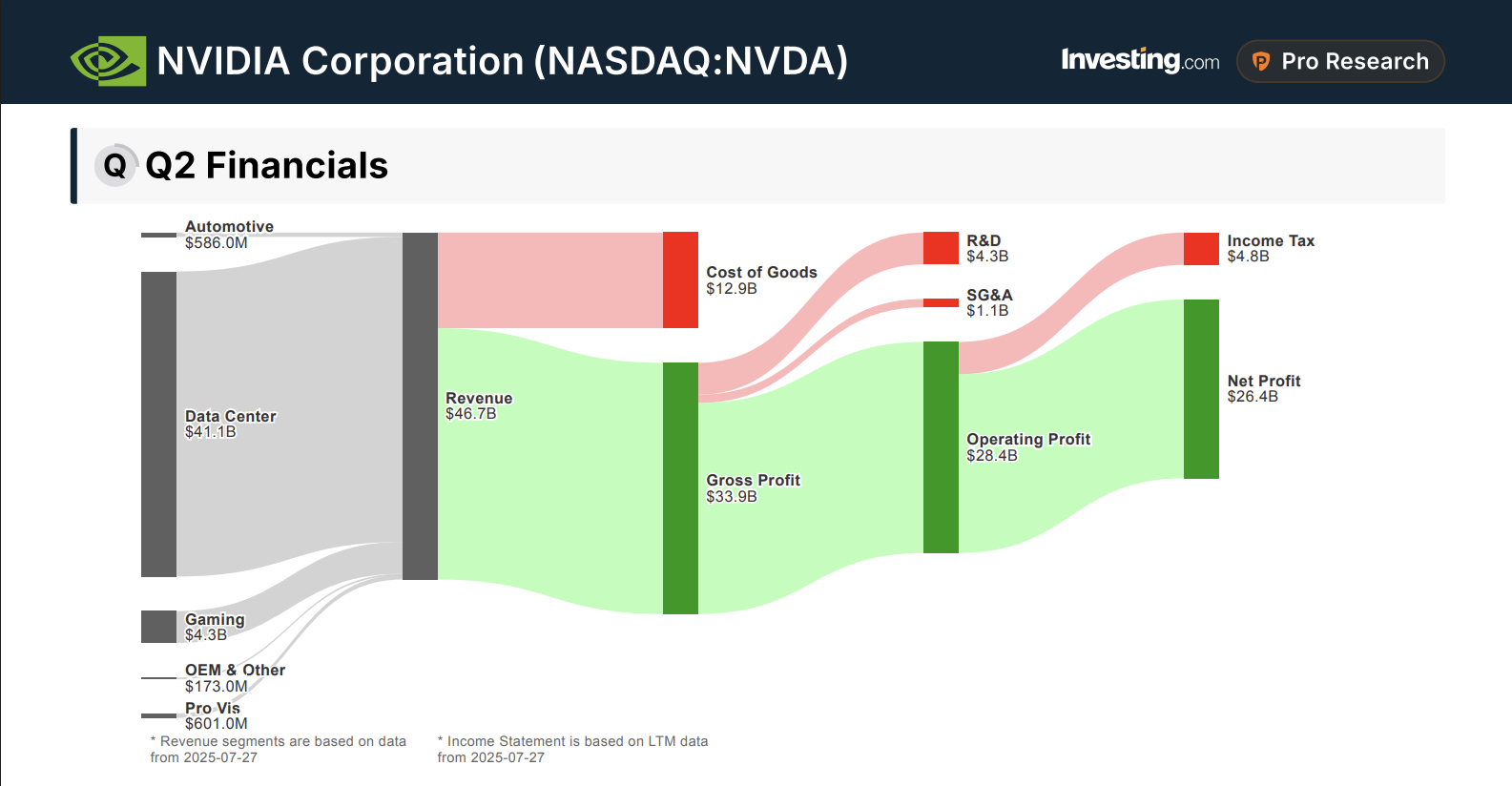
While past performance is informative, management’s guidance for the upcoming quarter and fiscal year often holds more sway over market sentiment. NVIDIA typically provides forecasts for key metrics like revenue, gross margin, and operating expenses. This outlook reflects management’s confidence in market conditions, product demand, and their ability to execute on strategic initiatives. Positive guidance often signals strong future growth, while conservative or disappointing guidance can lead to significant sell-offs, even if past results were robust. Investors also keenly listen to the conference call for qualitative commentary on product cycles, competitive dynamics, supply chain issues, and emerging market opportunities.
Segment Performance: Data Center, Gaming, Professional Visualization, Automotive
NVIDIA’s business is diversified across several high-growth segments, each with its own drivers and challenges. A detailed breakdown of revenue and profitability by segment is vital:
- Data Center: This segment is currently NVIDIA’s primary growth engine, fueled by the explosion in AI adoption, cloud computing expansion, and enterprise demand for accelerated computing. Investors look for continued strong growth rates, new product deployments (like Hopper and Blackwell architectures), and wins with major cloud providers and enterprise clients.
- Gaming: Historically NVIDIA’s largest segment, Gaming tracks consumer demand for GeForce GPUs. Investors analyze trends in GPU average selling prices (ASPs), unit volumes, and the impact of new product launches (e.g., RTX series) or competitive pressures from AMD.
- Professional Visualization: This segment caters to professionals in design, media, entertainment, and scientific research using workstation-grade GPUs and software like Omniverse. Steady performance here indicates continued strength in enterprise and creative industries.
- Automotive: While smaller, this segment represents significant future potential with NVIDIA’s DRIVE platform for autonomous vehicles and AI cockpit solutions. Investors monitor progress in partnerships with car manufacturers and overall design wins.
Shifts in the relative contribution and growth rates of these segments provide insights into NVIDIA’s evolving market strategy and responsiveness to industry trends.
Margins and Profitability Analysis
Beyond gross margins, investors scrutinize operating margins and net margins. Operating margin (operating income divided by revenue) reflects the efficiency of core business operations, excluding taxes and interest. Net margin (net income divided by revenue) is the ultimate measure of how much profit a company makes from each dollar of revenue. Analyzing trends in these margins helps assess whether NVIDIA is improving its cost structure, leveraging economies of scale, and maintaining pricing power, all critical for long-term shareholder value creation.
Research and Development (R&D) Spending and Innovation
NVIDIA’s competitive advantage is fundamentally rooted in its relentless innovation. High R&D spending, when managed effectively, is often viewed positively by investors as an investment in future growth and technological leadership. Reports will show R&D expenditure as a percentage of revenue, indicating the company’s commitment to staying ahead in fast-evolving fields like AI, advanced chip design, and software development. Investors want to see that this spending translates into a robust product pipeline and strategic technological breakthroughs.
Competitive Landscape and Market Share
While not always explicitly detailed, earnings reports and accompanying discussions often offer clues about NVIDIA’s performance relative to its competitors (e.g., AMD, Intel, custom silicon efforts by hyperscalers). Management commentary might touch upon market share dynamics, pricing strategies, or the competitive environment, providing an indirect but important gauge of NVIDIA’s standing in its key markets. Understanding this context helps investors evaluate the sustainability of NVIDIA’s growth and profitability.
The Impact of Earnings on NVIDIA’s Stock Price
No event quite electrifies the stock market like an earnings report, and for a high-momentum stock like NVIDIA, the reaction can be particularly dramatic. Understanding the mechanisms behind these movements is crucial for investors.
Short-Term Volatility and Market Reaction
The period around NVIDIA’s earnings release is characterized by heightened short-term volatility. Pre-earnings jitters often see increased options activity as traders position themselves for potential large price swings. Once the report drops—usually after market close or before market open—the stock’s price can gap up or down significantly based on whether the results and guidance beat or miss analyst expectations.
This immediate reaction is driven by a rapid recalibration of investor sentiment. A strong “beat” combined with robust guidance can lead to a surge in buying interest, pushing the stock higher. Conversely, a “miss” or, more frequently, disappointing guidance, can trigger aggressive selling, causing the stock to tumble. This volatility is a double-edged sword: it presents opportunities for nimble traders but also poses substantial risks for those caught on the wrong side of a major move. The “buy the rumor, sell the news” phenomenon is also prevalent, where the stock rallies into earnings on high expectations, only to fall back even on good news, as institutional investors take profits.
Long-Term Trends and Investor Confidence
While short-term price movements are captivating, sustained positive performance across multiple earnings reports is what drives long-term stock appreciation. Consistent beats, coupled with strong execution and strategic vision from management, build deep investor confidence. This confidence attracts institutional money, reinforces analyst upgrades, and helps create a durable upward trend in the stock price.
For long-term investors, the focus extends beyond a single quarter’s numbers to the overarching narrative that emerges over time. Are NVIDIA’s core businesses growing sustainably? Is its leadership in AI and GPUs being maintained or expanded? Is management effectively navigating economic headwinds and competitive pressures? Answers to these questions, gleaned from successive earnings reports, shape the perception of NVIDIA as a long-term growth compounder, underpinning its valuation and future prospects. A series of strong reports validates the investment thesis, while a pattern of declining performance or missed guidance can erode confidence and trigger a reassessment of its long-term viability.
The Role of Analyst Estimates and Surprises
Financial analysts play a pivotal role in setting the stage for earnings reactions. They meticulously model a company’s financials and publish consensus estimates for key metrics like EPS and revenue. An “earnings surprise” occurs when the actual results significantly deviate from these consensus estimates.
A positive earnings surprise (actual results better than expected) often leads to a stock rally, as the market rapidly reprices the stock to reflect the better-than-anticipated performance. Conversely, a negative earnings surprise (actual results worse than expected) typically triggers a sell-off. The magnitude of the surprise often correlates with the magnitude of the stock price move. Beyond official consensus, there’s also the concept of “whisper numbers”—unofficial, informal expectations that circulate among traders and investors, which can sometimes differ from the published consensus and lead to even more nuanced reactions. Understanding both the official estimates and the whisper numbers is critical for anticipating potential market reactions to NVIDIA’s earnings.
Strategic Considerations for Investors Ahead of Earnings
Navigating NVIDIA’s earnings report requires careful planning and a clear understanding of one’s investment goals and risk tolerance. Making impulsive decisions around earnings can be costly; a strategic approach is always recommended.
Risk Management and Position Sizing
The elevated volatility around earnings makes prudent risk management essential. Investors should never allocate an outsized portion of their portfolio to a single stock, especially heading into an earnings report. For those considering a position or holding a significant stake, it’s wise to review their exposure. Some investors choose to reduce their position size or employ hedging strategies (e.g., using options contracts like protective puts) to mitigate potential downside risk. The unpredictable nature of market reactions means that even good news can sometimes lead to a stock sell-off, making it imperative to manage potential losses proactively. Avoid the temptation to “go all-in” on an earnings bet, as the outcomes are never guaranteed.
Long-Term vs. Short-Term Trading Strategies
An investor’s time horizon dictates their approach to earnings.
- Long-term investors typically view earnings reports as one data point in a longer investment thesis. While they’ll analyze the report thoroughly, their decisions are rooted in the company’s fundamental strength, competitive position, and long-term growth prospects, rather than a single quarter’s beat or miss. For them, a temporary dip post-earnings, if fundamentals remain strong, might even be viewed as a buying opportunity.
- Short-term traders, conversely, may actively seek to profit from the immediate post-earnings volatility. This could involve buying or selling shares or, more commonly, trading options (like straddles or strangles) designed to profit from large price movements, regardless of direction. This strategy carries significantly higher risk and requires deep understanding of options mechanics and market dynamics. It is generally not recommended for novice investors.
Diversification and Portfolio Context
NVIDIA, despite its market leadership and strong growth, is still a single company in a single sector. Over-reliance on any single stock, especially a high-growth, high-beta one, can expose a portfolio to undue concentration risk. Before earnings, investors should consider how NVIDIA fits into their overall diversified portfolio strategy. Is the portfolio balanced across different sectors, asset classes, and risk levels? A well-diversified portfolio helps buffer the impact of any single stock’s unexpected performance. Ultimately, decisions related to NVIDIA’s earnings should be made within the broader context of an investor’s financial goals, risk tolerance, and overall asset allocation strategy. Prudent investors always conduct thorough due diligence and avoid making decisions based solely on the date of an earnings report without a comprehensive understanding of the company and market.
In conclusion, understanding when NVIDIA’s next earnings report is, how to access the information, and what metrics to scrutinize is foundational for any investor tracking this crucial technology leader. These reports offer a transparent window into NVIDIA’s financial health, strategic execution, and future potential, directly influencing market sentiment and stock valuation. By approaching earnings with a professional, insightful, and strategic mindset, investors can navigate the inherent volatility and make more informed decisions about their stake in the ongoing technological revolution that NVIDIA continues to spearhead.
aViewFromTheCave is a participant in the Amazon Services LLC Associates Program, an affiliate advertising program designed to provide a means for sites to earn advertising fees by advertising and linking to Amazon.com. Amazon, the Amazon logo, AmazonSupply, and the AmazonSupply logo are trademarks of Amazon.com, Inc. or its affiliates. As an Amazon Associate we earn affiliate commissions from qualifying purchases.