
In the sprawling landscape of global technology, few entities command as much recognition and influence as Microsoft. For decades, the company has been a titan, shaping the digital world through its operating systems, software suites, and enterprise solutions. Yet, behind every monolithic corporation stands a visionary leader whose influence can redefine its trajectory, perception, and very identity. At the helm of Microsoft, guiding its journey through an era of unprecedented technological disruption and competitive intensity, is Satya Nadella. More than just a chief executive, Nadella has served as the architect of a profound brand transformation, meticulously reshaping Microsoft’s corporate identity, market narrative, and internal culture since taking the reins in 2014.

His tenure marks a pivotal chapter, characterized by a strategic pivot that moved Microsoft from a primarily Windows-centric software giant to a dominant force in cloud computing, artificial intelligence, and a surprisingly open ecosystem. This shift wasn’t merely operational; it was a fundamental redefinition of the Microsoft brand, recalibrating how it was perceived by customers, partners, developers, and even its own employees. Understanding “who is CEO Microsoft” transcends a simple name; it’s about comprehending the strategic vision, leadership philosophy, and personal branding that has propelled one of the world’s most valuable companies into a new era of relevance and innovation. This article delves into how Satya Nadella has masterfully steered the Microsoft brand, crafting a corporate identity that is both agile and enduring in the fiercely competitive digital age.
Satya Nadella: A Leader’s Vision and the Reimagining of Microsoft’s Brand Identity
When Satya Nadella assumed the CEO role in February 2014, he inherited a company often perceived as monolithic, occasionally insular, and struggling to adapt to the mobile-first, cloud-first paradigm that was rapidly defining the tech landscape. Microsoft’s brand, while powerful, was tied to the legacy of Windows and Office, and at times, associated with a competitive posture that alienated partners and developers. Nadella’s challenge was not just to innovate technologically but to fundamentally re-envision and communicate what Microsoft stood for. His approach to leadership and strategic communication quickly became integral to the company’s renewed corporate identity.
The Shifting Tides: From Internal Strife to Unified Purpose
Before Nadella, Microsoft’s internal culture was often characterized by silos and a “stack ranking” performance review system that fostered internal competition rather than collaboration. This internal fragmentation inevitably bled into the external brand, creating inconsistencies in messaging and a perception of a company at war with itself. Nadella recognized that a coherent external brand begins with a unified internal identity. He dismantled the stack ranking system, fostering an environment where collaboration and shared success were prioritized. By doing so, he began to heal internal divisions, transforming Microsoft’s employees into a more cohesive unit that could authentically represent a revitalized brand. This shift allowed the company to speak with a more singular, purpose-driven voice to the outside world, laying the groundwork for a compelling new brand narrative centered on empowerment and partnership.
A New Public Persona: Empathy, Humility, and Strategic Clarity
Nadella’s personal brand as a leader contrasted sharply with some of his predecessors. He brought an ethos of empathy, humility, and a strong emphasis on continuous learning, famously advocating for a “growth mindset” across the organization. This wasn’t merely a personal trait; it became a cornerstone of Microsoft’s new corporate identity. The public saw a CEO who was willing to admit past mistakes, engage in open dialogue, and focus on customers’ needs with a newfound earnestness. This personal branding imbued the entire Microsoft organization with a more approachable, trustworthy, and forward-looking image. His strategic clarity, particularly around the “cloud first, mobile first” mantra, provided a clear compass that helped internal teams and external stakeholders understand Microsoft’s direction, bolstering confidence and reinforcing a consistent brand message. His ability to articulate a complex vision in an accessible manner was crucial in repositioning Microsoft in the minds of the global market.
Remolding the Corporate Image: Strategic Shifts in Microsoft’s Brand Narrative
A brand is not merely a logo or a product line; it’s a story, a promise, and a set of perceptions. Under Nadella, Microsoft’s brand narrative underwent a radical transformation, moving away from its historical emphasis on proprietary software dominance to one of openness, partnership, and empowerment across diverse platforms. This strategic recalibration was instrumental in repositioning the company as an essential partner in the digital ecosystem rather than a competitive threat to all others.
“Cloud First, Mobile First”: A Definitive Brand Statement
Perhaps the most impactful shift in Microsoft’s brand narrative was the embrace of “Cloud First, Mobile First.” This simple, yet powerful, mantra signaled a fundamental reorientation. It communicated that Microsoft’s future was not solely tied to Windows desktops but to providing services and experiences that transcended devices and operating systems, accessible anywhere via the cloud. This wasn’t just a technological strategy; it was a brand declaration. It told the market that Microsoft was no longer an antagonist to other platforms (like Apple’s iOS or Google’s Android) but a ubiquitous enabler, offering services like Office 365, Azure, and Teams wherever customers needed them. This adaptability resonated strongly with enterprises and individuals, significantly broadening Microsoft’s appeal and enhancing its image as a modern, relevant technology provider. The brand moved from being synonymous with a specific OS to embodying a comprehensive, interconnected ecosystem.
Embracing Openness and Partnerships: Dismantling Old Perceptions
For many years, Microsoft’s brand was associated with a fiercely proprietary approach, often seen as competing head-on with developers and open-source communities. Nadella systematically dismantled this perception. He fostered an era of unprecedented openness, embracing Linux, open-sourcing significant technologies, and actively engaging with developer communities. The acquisition of GitHub, the world’s largest platform for software development, was a landmark moment, signaling Microsoft’s commitment to supporting and empowering developers across all platforms, not just its own. This strategic move directly addressed historical brand weaknesses, transforming Microsoft from a perceived antagonist into a collaborative partner within the broader tech industry. This shift dramatically improved its brand equity among a crucial demographic: the innovators and creators who build the future.
The Human Element: Accessibility and Ethical AI in Brand Messaging
Nadella’s Microsoft also leaned heavily into the humanistic aspects of technology, weaving themes of accessibility, societal impact, and ethical AI into its brand narrative. Microsoft’s commitment to creating products that are accessible to everyone, regardless of ability, became a prominent and heartwarming aspect of its public image. Similarly, as AI rapidly advanced, Nadella positioned Microsoft not just as a developer of cutting-edge AI but as a proponent of responsible and ethical AI development. This proactive stance on ethical technology not only positioned Microsoft as a thoughtful leader but also helped to differentiate its brand in an increasingly crowded and often ethically ambiguous tech landscape. By highlighting these values, Microsoft cultivated a brand that resonated not just with functionality but also with purpose and social responsibility, enhancing its corporate reputation significantly.
Internal Branding: Cultivating a Culture that Aligns with External Promise
A brand is an experience, and that experience is profoundly shaped by the people who deliver it. Satya Nadella understood that for Microsoft’s external brand transformation to be authentic and sustainable, it had to be rooted in a corresponding internal cultural shift. His focus on internal branding — shaping employee mindsets, behaviors, and values — was as critical as any external marketing campaign in forging Microsoft’s new identity.
Growth Mindset: Empowering Employees as Brand Ambassadors

The most significant internal branding initiative under Nadella has been the widespread adoption of a “growth mindset,” inspired by Carol Dweck’s psychological research. This philosophy encourages continuous learning, adaptability, and embracing challenges as opportunities for growth, rather than fearing failure. By ingraining this mindset, Nadella empowered employees to innovate, take calculated risks, and collaborate more effectively. This cultural shift directly impacts the external brand: employees who embody a growth mindset are more resilient, customer-focused, and eager to solve problems, becoming authentic ambassadors for Microsoft’s innovative and adaptive identity. They contribute to a consistent and positive brand experience at every touchpoint.
Breaking Silos: Fostering Collaboration and Innovation
Historically, Microsoft was plagued by internal silos, where different product groups operated almost as independent companies, leading to fragmented efforts and often competing products. Nadella systematically broke down these barriers, encouraging cross-functional collaboration and a shared sense of purpose. Initiatives like the “One Microsoft” vision aimed to unify disparate teams under a common strategic goal. This cultural transformation fostered a more integrated product development process, leading to more cohesive and user-friendly offerings. When products like Microsoft Teams seamlessly integrate with Office 365 and Azure, it reflects an internal culture of collaboration that translates directly into a stronger, more unified brand experience for customers.
Diversity & Inclusion: A Core Pillar of Modern Corporate Identity
Under Nadella, diversity and inclusion (D&I) moved from being a compliance checklist item to a fundamental pillar of Microsoft’s internal and external brand. He recognized that a diverse workforce brings diverse perspectives, fostering greater innovation and better understanding of a global customer base. Microsoft’s robust D&I initiatives, from hiring practices to employee resource groups and inclusive product design, have become a significant part of its corporate identity. This commitment is not just about social responsibility; it’s a strategic brand move. It signals to potential employees, customers, and partners that Microsoft is a modern, equitable, and forward-thinking organization, enhancing its attractiveness as an employer and a partner in an increasingly conscious global market.
Brand Expansion and Synergy: Strategic Acquisitions Under Nadella’s Leadership
A key aspect of brand strategy involves intelligent expansion. Under Satya Nadella’s leadership, Microsoft engaged in a series of high-profile acquisitions that were not merely about market share but about strategically enhancing and extending the Microsoft brand into new ecosystems, reinforcing its cloud-first, mobile-first vision, and diversifying its public perception. These were moves designed to create synergy, bringing new capabilities and communities under the Microsoft umbrella without diluting its core identity.
LinkedIn: Integrating Professional Networking into the Microsoft Ecosystem
The acquisition of LinkedIn for $26.2 billion in 2016 was a seminal moment, showcasing Nadella’s strategic acuity in brand expansion. It wasn’t about merging software in the traditional sense; it was about integrating the world’s leading professional network into Microsoft’s enterprise offerings, creating unparalleled synergy. This move significantly strengthened Microsoft’s brand in the professional space, connecting its productivity tools (Office 365), CRM (Dynamics 365), and cloud services (Azure) with LinkedIn’s vast network of professionals. The brand message was clear: Microsoft was not just about operating systems; it was about empowering every professional and every organization on the planet to achieve more. LinkedIn brought a vast, human-centric data set and a robust network that enriched Microsoft’s brand promise of productivity and connectivity.
GitHub: Embracing the Developer Community and Open Source
The 2018 acquisition of GitHub for $7.5 billion was another bold move that dramatically reshaped Microsoft’s brand identity, especially within the critical developer community. For decades, Microsoft had a complicated relationship with open source. The GitHub acquisition, however, signaled a profound commitment to supporting the open-source community, regardless of the underlying technology stack. This strategic brand move demonstrated Nadella’s willingness to embrace and empower developers on their own terms, rebuilding trust and enhancing Microsoft’s reputation as a developer-friendly company. It communicated that Microsoft was truly platform-agnostic in its support for creation and innovation, directly counteracting long-held negative perceptions and further solidifying its image as a partner, not just a proprietor.
Gaming and Creativity: Strengthening Consumer Touchpoints
While often seen as an enterprise-focused company, Microsoft has also made significant brand plays in the consumer space, particularly through gaming and creativity. The continuous investment in Xbox and the groundbreaking acquisition of Activision Blizzard for an estimated $69 billion in 2022 further cemented Microsoft’s brand as a major player in interactive entertainment. These moves expanded its consumer reach, particularly among younger demographics, and diversified its brand image beyond business productivity. Furthermore, initiatives to integrate AI into creative tools, and hardware like the Surface line, have bolstered Microsoft’s brand as an innovator in design and user experience, appealing to a broader spectrum of creative professionals and consumers. These acquisitions and investments are not just about revenue; they are about extending the Microsoft brand into areas that foster community, creativity, and engagement, ensuring its relevance across all facets of digital life.
The Enduring Legacy: Sustaining Microsoft’s Brand Relevance in the Digital Age
Satya Nadella’s tenure as CEO of Microsoft has been nothing short of a brand renaissance. He inherited a powerful but somewhat stagnant brand and transformed it into one of the most dynamic, relevant, and respected corporate identities in the world. The legacy of his leadership is not just in financial growth or technological innovation, but in the profound reshaping of how Microsoft is perceived, understood, and trusted globally.
Navigating Emerging Technologies: AI and the Future of the Microsoft Brand
As the world stands on the precipice of an artificial intelligence revolution, Microsoft, under Nadella, is positioned at the forefront. Its significant investments in AI research, its partnership with OpenAI (creators of ChatGPT), and the rapid integration of AI capabilities across its product suite (from Azure to Office and Bing) are defining its next chapter. The challenge for Microsoft’s brand will be to navigate the complex ethical, societal, and economic implications of AI, maintaining its commitment to responsibility and accessibility. Nadella’s consistent emphasis on “responsible AI” and empowering humans with AI, rather than replacing them, is crucial for sustaining a positive brand image as this transformative technology unfolds. The brand narrative will increasingly focus on AI as a co-pilot for human ingenuity.
Global Impact and Societal Contribution: Beyond Products and Services
Beyond its technological and financial achievements, Nadella has amplified Microsoft’s brand message around global impact and societal contribution. Initiatives focused on environmental sustainability, digital skills training for underserved communities, and philanthropic efforts have become integral to Microsoft’s corporate identity. This commitment to purpose-driven branding resonates deeply with modern consumers and partners who expect corporations to be responsible global citizens. By framing Microsoft as a force for good, Nadella has broadened its brand appeal, fostering deeper emotional connections with stakeholders worldwide and reinforcing its image as a company that cares about more than just its bottom line.
The Evolving Role of the CEO in Shaping Corporate Identity
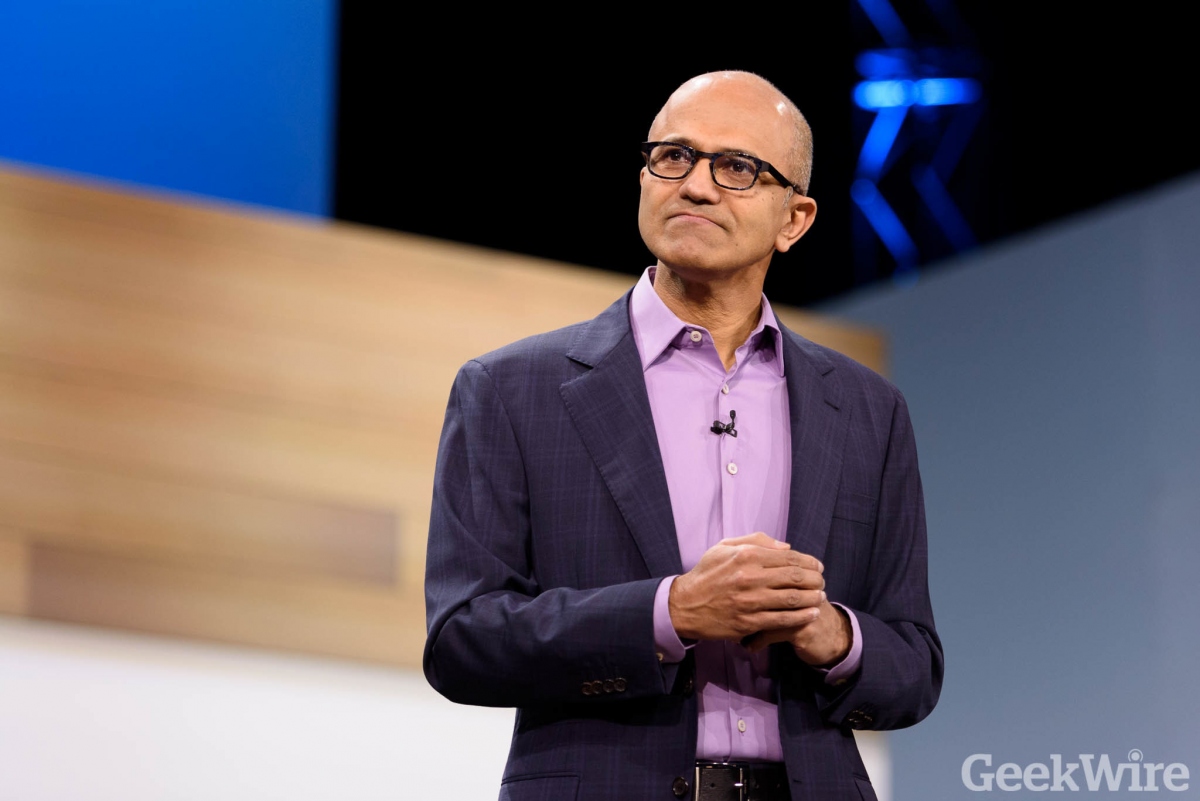
Satya Nadella’s journey illustrates the profound and evolving role of the CEO in shaping corporate identity. In an age of instant communication and intense scrutiny, the CEO is not just an executive; they are the chief brand officer, the principal storyteller, and the embodiment of the company’s values. Nadella’s leadership style—characterized by empathy, a growth mindset, and strategic clarity—has become inseparable from the Microsoft brand itself. His personal integrity and vision have revitalized a tech giant, making it not only a leader in technology but also a benchmark for adaptive and responsible corporate branding. “Who is CEO Microsoft” is therefore a question whose answer defines not just the leadership of a company, but the very essence of its brand identity in the 21st century.
aViewFromTheCave is a participant in the Amazon Services LLC Associates Program, an affiliate advertising program designed to provide a means for sites to earn advertising fees by advertising and linking to Amazon.com. Amazon, the Amazon logo, AmazonSupply, and the AmazonSupply logo are trademarks of Amazon.com, Inc. or its affiliates. As an Amazon Associate we earn affiliate commissions from qualifying purchases.