
The story of Microsoft, a name synonymous with personal computing and technological innovation, often evokes images of sprawling campuses in the Pacific Northwest, visionary leaders, and groundbreaking software. Yet, the very first chapter of this colossal tech narrative began not in the lush landscapes of Washington state, but in a rather unexpected desert city, a place that incubated the raw ambition and technical prowess of two young minds poised to change the world. Understanding where Microsoft was founded is more than just a historical footnote; it’s an insight into the specific conditions, challenges, and serendipities that forged one of the most influential technology companies of all time, setting the stage for decades of software development, operating system dominance, and the continuous push towards digital transformation. This exploration delves into the geographical and intellectual landscape that birthed Microsoft, tracing its initial sparks to its strategic relocation, and ultimately, its permanent establishment as a titan of the tech industry.

The Humble Beginnings: Albuquerque, New Mexico
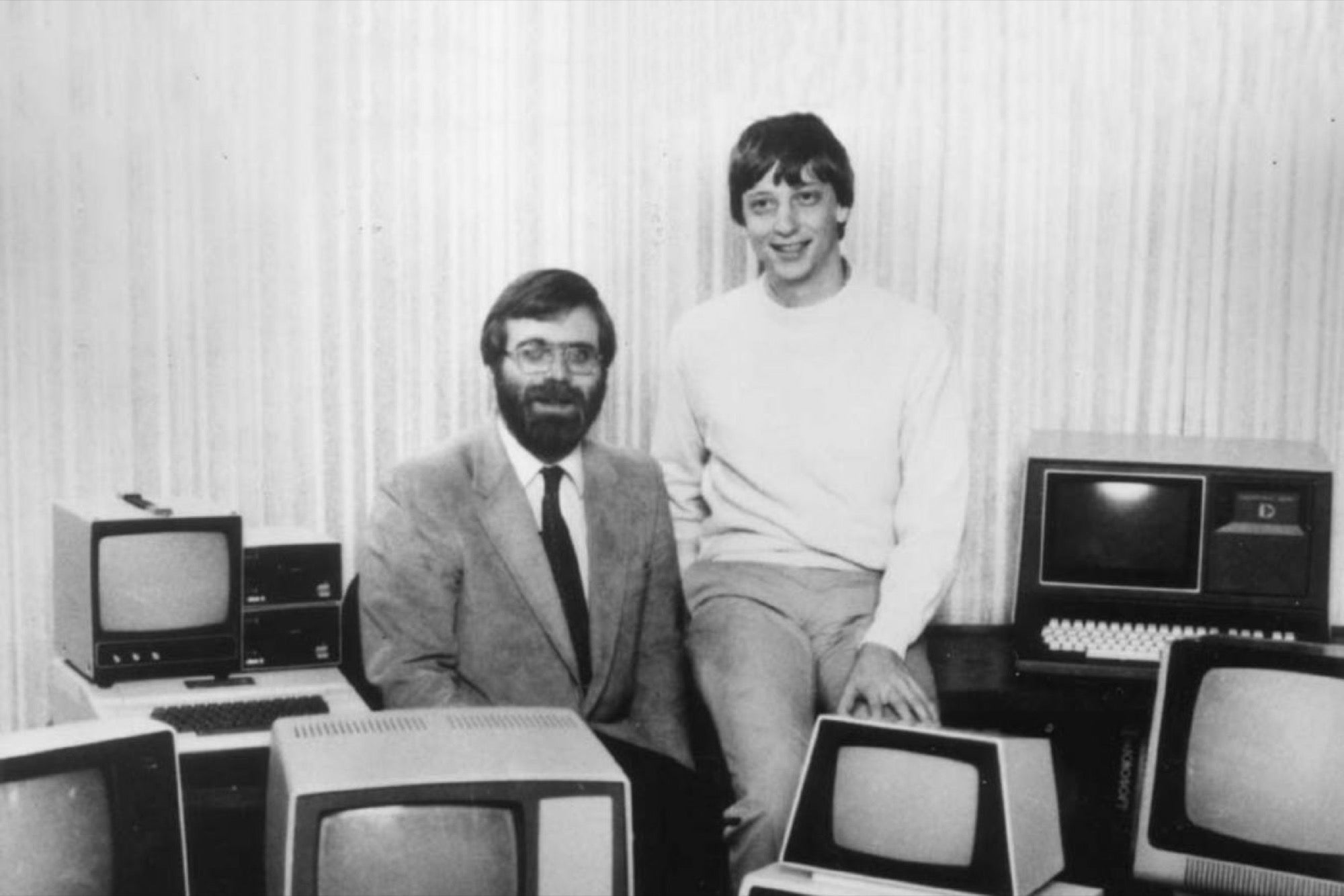
The founding location of Microsoft is a detail often overlooked in the grander narrative of its success, yet it holds significant importance as the crucible where the company’s foundational principles and initial technological breakthroughs were forged. In April 1975, Bill Gates and Paul Allen officially established Microsoft in Albuquerque, New Mexico. This choice of location was not random but deeply practical, tied directly to the early market for personal computing and the revolutionary work being done there.
The Incubation of Innovation: Paul Allen and Bill Gates’ Vision
The decision to base Microsoft in Albuquerque stemmed directly from its proximity to Micro Instrumentation and Telemetry Systems (MITS), the company behind the Altair 8800 microcomputer. The Altair, released in 1975, is widely regarded as the spark that ignited the personal computer revolution. Paul Allen had seen an article about the Altair in Popular Electronics and immediately recognized its potential, envisioning a future where every home would have a computer. Crucially, he also realized that for this vision to materialize, these machines would need accessible software.
Allen, along with Gates, who was then a student at Harvard, developed an interpreter for the BASIC programming language for the Altair. This feat, accomplished with intense dedication and technical brilliance, convinced MITS founder Ed Roberts to license their software. The agreement necessitated that Gates and Allen be physically close to MITS to refine their BASIC interpreter, provide support, and collaborate on future enhancements. Thus, Albuquerque became the natural, indeed almost mandatory, home for their nascent company.
At this juncture, Microsoft was less a corporate entity and more a two-person operation driven by relentless coding and a shared belief in the power of software. Their office was initially a nondescript rented space, far removed from the polished tech campuses of today. It was an environment characterized by long hours, late-night coding sessions, and an unwavering focus on solving complex technical problems. This period in Albuquerque was critical for solidifying their working relationship, refining their software development methodologies, and proving the commercial viability of their ideas. They were not just coding; they were defining the very concept of software as a distinct product, an intellectual property separate from the hardware it ran on. Their work on Altair BASIC was a landmark achievement, making programming accessible to a broader audience and demonstrating the transformative power of high-level languages in a world dominated by machine code.
From BASIC to Revolution: Early Software Development
The primary technological output of Microsoft during its Albuquerque years was the refinement and distribution of Altair BASIC. This interpreter was revolutionary because it allowed hobbyists and early adopters to program their Altair 8800s with relative ease, opening up the world of personal computing beyond a small circle of electronics engineers. Before BASIC, interacting with these early microcomputers was a cumbersome process involving flicking switches and understanding intricate machine language. Gates and Allen’s BASIC provided a user-friendly interface to the computer’s raw power, enabling simple applications, games, and calculations.
Beyond just an interpreter, Microsoft’s early work in Albuquerque laid the groundwork for how software would be developed, licensed, and distributed. They quickly learned the challenges of piracy in the nascent computer world, even writing an open letter to hobbyists decrying unauthorized copying of their BASIC interpreter. This early encounter with intellectual property issues underscored the value of their software creations and prompted them to think about robust business models for their technical products.
During these formative years, Microsoft’s technical team remained small but incredibly productive. They not only improved BASIC for the Altair but also adapted it for other early microprocessors and platforms, demonstrating an early understanding of portability and adaptability – key characteristics that would define Microsoft’s long-term strategy. The company’s focus was singular: to provide the foundational software layer that would make personal computers usable and desirable. This laser focus on core programming languages and operating system components firmly established their identity as a software company, a distinction that would prove pivotal in an industry often dominated by hardware manufacturers. The technical challenges they overcame in these early days – optimizing code for limited memory, ensuring compatibility, and debugging complex systems – built the engineering muscle that would serve them for decades to come.
Relocation and Rapid Expansion: Redmond, Washington Beckons
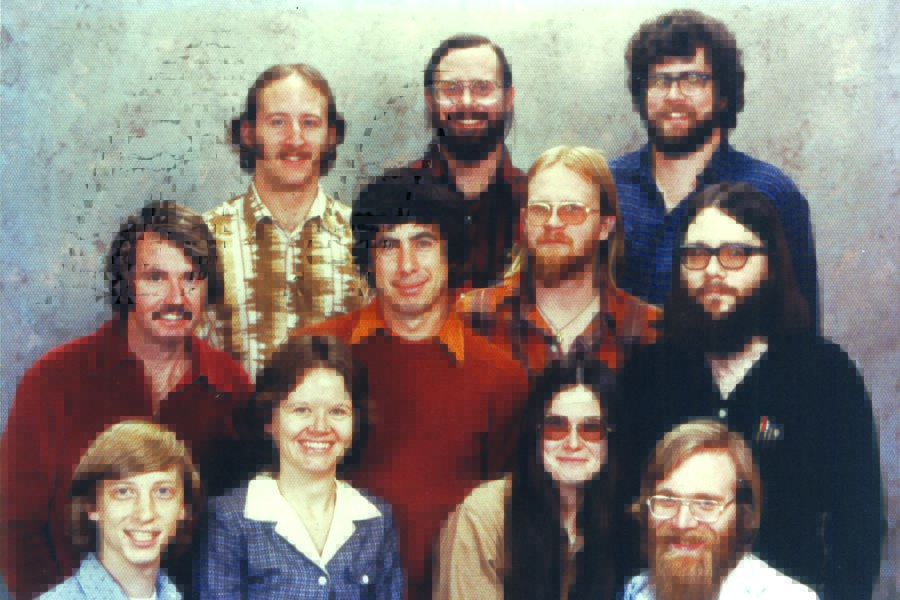
While Albuquerque provided the critical launchpad for Microsoft, it quickly became apparent that for the company to truly scale and realize its ambitious vision, a change of scenery was necessary. By late 1970s, the burgeoning tech landscape was starting to consolidate, and strategic geographical placement became a critical factor for growth. In January 1979, Microsoft made the pivotal decision to relocate its operations from the desert climes of Albuquerque to the rainier, but technologically richer, environment of Bellevue, Washington, a suburb of Seattle. This move was not just a change of address; it was a strategic repositioning that would unlock new opportunities, facilitate unprecedented growth, and forever alter the company’s trajectory.
Proximity to Talent and Infrastructure: The Pacific Northwest Advantage
The decision to move to Washington state was largely driven by the practical needs of a rapidly expanding technology company. First and foremost, it brought Bill Gates and Paul Allen closer to their roots and their established networks. Both grew up in Seattle, and their families, friends, and early influences were there. This personal connection translated into practical advantages. The Seattle area, even then, possessed a burgeoning talent pool in engineering and computer science, fueled by universities like the University of Washington and a growing aerospace industry (Boeing) that fostered technical expertise. Access to skilled programmers, engineers, and business professionals was essential as Microsoft sought to expand beyond its two founders and a handful of early employees.
Furthermore, the Pacific Northwest was beginning to develop a nascent tech infrastructure. While not yet the global hub it would become, it offered a more vibrant ecosystem for technology startups compared to Albuquerque. Access to better communication networks, logistical support, and a broader array of professional services contributed to a more conducive environment for a company intent on rapid expansion. The move enabled Microsoft to recruit top-tier talent more effectively, which was vital for developing the sophisticated software products it envisioned. The intellectual exchange and collaborative potential offered by a larger, more concentrated pool of tech-minded individuals was a significant draw. It allowed Microsoft to build diverse teams capable of tackling increasingly complex projects, moving beyond just interpreters to full-fledged operating systems and applications.
Scaling Operations: Building the Software Empire
The relocation to Washington was instrumental in enabling Microsoft to scale its operations dramatically. In Bellevue, and later Redmond, Microsoft transitioned from a small, intensely focused startup into a rapidly growing enterprise. The company began to establish formal departments, hire specialized personnel for areas like marketing, sales, and quality assurance, and implement more structured development processes. This institutionalization was essential for managing multiple concurrent software projects and expanding its product portfolio.
One of the most significant impacts of the relocation was Microsoft’s enhanced ability to secure and fulfill major contracts. The larger professional environment in Washington provided the company with the credibility and resources necessary to engage with bigger players in the emerging computer industry. This was crucial for landing the transformative deal with IBM in 1980, a contract that would define Microsoft’s future and reshape the personal computer landscape. IBM needed an operating system for its forthcoming Personal Computer (PC), and Microsoft, now with a more robust organizational structure and a growing talent base, was positioned to deliver.
The move also coincided with Microsoft’s shift from primarily licensing programming languages to developing and marketing its own operating systems and application software. The new environment facilitated the infrastructure needed for this expansion: larger office spaces, improved R&D facilities, and better access to capital. This period saw the foundational development of MS-DOS, the operating system that would become the backbone of the IBM PC and its compatibles, cementing Microsoft’s dominance in the software market. The ability to attract and retain high-caliber engineers and managers in Washington proved invaluable as Microsoft tackled the monumental task of creating a stable, efficient, and widely adopted operating system. The strategic choice of location, therefore, was not merely about logistics; it was about positioning Microsoft at the heart of an emerging tech ecosystem, ready to capitalize on the explosive growth of personal computing.
The Formative Years: Shaping the PC Revolution
Having established itself in Washington, Microsoft embarked on a period of intense growth and technological innovation that would fundamentally reshape the personal computing landscape. These formative years, spanning the early 1980s and into the early 1990s, were defined by groundbreaking software development and strategic partnerships that laid the foundation for the digital world we inhabit today. The company’s focus shifted from niche programming tools to ubiquitous operating systems and applications, democratizing access to computing power and setting industry standards.
DOS and the IBM Partnership: Dominating Early Operating Systems
The turning point for Microsoft, and perhaps for the entire personal computer industry, came with its partnership with IBM in 1980. IBM, a monolithic figure in corporate computing, was venturing into the uncharted territory of personal computers and needed an operating system for its upcoming IBM PC. Bill Gates famously secured the deal to provide an operating system, MS-DOS (Microsoft Disk Operating System), even though Microsoft did not initially own one. Through a shrewd move, Microsoft purchased an operating system called QDOS (Quick and Dirty Operating System) from Seattle Computer Products, refined it, and rebranded it as MS-DOS.
The brilliance of the IBM deal, from a technological standpoint, lay not just in providing the software but in Microsoft’s shrewd retention of the licensing rights to MS-DOS. While IBM was allowed to use PC-DOS (its version of MS-DOS) for its machines, Microsoft was free to license MS-DOS to other hardware manufacturers who began to create “IBM PC compatible” computers. This strategy led to the proliferation of MS-DOS as the de facto standard operating system for personal computers throughout the 1980s. Technologically, MS-DOS was a command-line interface (CLI) operating system, requiring users to type commands to interact with the computer. While seemingly arcane by today’s standards, it was robust, efficient for its time, and provided a standardized platform for software developers to create applications that could run across a wide range of compatible hardware. This consistency was crucial for fostering an ecosystem of third-party software, from word processors like WordPerfect to spreadsheet programs like Lotus 1-2-3, all of which relied on MS-DOS as their underlying technical foundation. Microsoft’s mastery of the operating system layer became its primary leverage in the burgeoning tech market.
Windows Ascendancy: A Graphical Leap Forward
Despite the enormous success of MS-DOS, Bill Gates and Paul Allen recognized early on the limitations of a text-based interface. Inspired by pioneering work at Xerox PARC and Apple’s Lisa and Macintosh computers, they understood that a graphical user interface (GUI) would make computers far more accessible and user-friendly. This vision led to the development of Windows.
The first version of Windows, Windows 1.0, was released in 1985. It was not a standalone operating system but rather a graphical operating environment that ran on top of MS-DOS. This technical architecture allowed Windows to leverage the existing hardware compatibility and established user base of DOS while introducing revolutionary concepts like graphical icons, menus, and mouse interaction. Early versions of Windows faced significant challenges, including performance issues and a learning curve for users accustomed to DOS commands. However, Microsoft’s commitment to the GUI vision was unwavering.
With successive iterations, particularly Windows 3.0 (1990) and Windows 3.1 (1992), Windows began to gain significant traction. These versions offered improved performance, better memory management, and a more polished user experience. Technologically, Windows provided a multitasking environment, allowing users to run multiple applications simultaneously, and introduced a standardized API (Application Programming Interface) that made it easier for developers to create software that looked and behaved consistently. This led to an explosion of Windows-based applications, including Microsoft’s own killer apps like Word and Excel, which quickly surpassed their DOS counterparts. The true breakthrough came with Windows 95, released in 1995. This version dramatically refined the user interface, integrated the operating system and GUI more tightly, and fundamentally changed how people interacted with personal computers. Windows 95 marked the complete shift from the command line to the graphical desktop, solidifying Microsoft’s technical dominance and making computing accessible to millions worldwide. This marked the zenith of Microsoft’s impact on the PC revolution, setting the stage for its continued evolution into the 21st century.
A Legacy of Tech Innovation and Global Impact
From its humble beginnings in Albuquerque to its dominant position in Redmond, Microsoft’s journey is a testament to relentless technological innovation, strategic vision, and an enduring commitment to shaping the digital world. The company’s origins and subsequent evolution laid the groundwork for many of the computing paradigms we take for granted today, demonstrating a continuous drive to adapt, diversify, and push the boundaries of what technology can achieve.
Diversification and Evolution: Beyond the Desktop
While Microsoft’s initial success was firmly rooted in operating systems and office productivity software, the company has consistently diversified its technological portfolio to remain relevant and influential. Recognizing the limitations of relying solely on the desktop PC, Microsoft embarked on a series of ambitious ventures into new technological frontiers. This diversification was not just about market expansion; it was about evolving its core technological capabilities and adapting to shifting industry trends.
One significant area of expansion was enterprise software and server technology, with products like Windows Server, SQL Server, and Exchange Server becoming foundational components for businesses worldwide. This moved Microsoft beyond individual users to providing critical infrastructure for organizations, showcasing its technical prowess in large-scale, robust systems. The company also ventured into gaming with the Xbox console, a bold move that leveraged its software expertise to create a compelling hardware and content ecosystem, directly competing with established players like Sony and Nintendo. This foray demonstrated Microsoft’s ability to innovate beyond its traditional software domains, integrating hardware, software, and network services into a cohesive entertainment platform.
More recently, Microsoft has made monumental strides in cloud computing with Azure, a comprehensive suite of cloud services that competes directly with Amazon Web Services and Google Cloud. Azure represents a fundamental shift in Microsoft’s technological focus, moving from selling shrink-wrapped software to offering scalable, on-demand computing resources and services. This pivot required massive investments in data centers, network infrastructure, and advanced distributed systems, showcasing Microsoft’s capacity for large-scale engineering and strategic reinvention. Furthermore, Microsoft has been a significant player in artificial intelligence, integrating AI capabilities across its product line, from Office 365 to Azure AI services, and making substantial investments in cutting-edge research, including its partnership with OpenAI. This continuous evolution beyond the desktop has cemented Microsoft’s position as a multi-faceted tech giant, influencing everything from corporate infrastructure to personal entertainment and cutting-edge AI research.
The Enduring Influence on Modern Technology
Microsoft’s founding and subsequent decades of innovation have left an indelible mark on modern technology, shaping not only how we interact with computers but also the very structure of the digital economy. The initial work on MS-DOS and Windows created a standardized platform that enabled the explosion of the personal computer industry, making computing accessible to the masses and fostering an ecosystem of software developers and hardware manufacturers. Without this standardized foundation, the fragmented early computer market would have struggled to achieve widespread adoption.
The company’s commitment to productivity software, exemplified by Microsoft Office (Word, Excel, PowerPoint), transformed workplaces and personal computing by providing powerful, user-friendly tools that became industry benchmarks. These applications not only improved efficiency but also set technical standards for document formats and user interfaces that influenced countless other software developments.
Today, Microsoft’s influence extends far beyond its traditional strongholds. Its cloud computing arm, Azure, powers a vast array of online services and applications, providing the invisible infrastructure that supports countless businesses and digital experiences. Its investment in AI is driving advancements in natural language processing, computer vision, and machine learning, impacting everything from search engines to autonomous systems. The Xbox continues to push boundaries in interactive entertainment, while its contributions to open-source software and developer tools (like GitHub and Visual Studio Code) underscore its ongoing commitment to empowering the global developer community.
The story of Microsoft’s founding location, therefore, is not just a geographical detail; it’s the starting point of a technological odyssey that profoundly altered human history. From a small office in Albuquerque to a global empire headquartered in Redmond, Microsoft has consistently pushed the envelope of what’s possible with software and hardware, demonstrating a remarkable ability to innovate, adapt, and remain at the forefront of technological change for nearly five decades. Its legacy is woven into the very fabric of modern computing, a testament to the vision hatched in a desert city and brought to fruition on a global scale.
aViewFromTheCave is a participant in the Amazon Services LLC Associates Program, an affiliate advertising program designed to provide a means for sites to earn advertising fees by advertising and linking to Amazon.com. Amazon, the Amazon logo, AmazonSupply, and the AmazonSupply logo are trademarks of Amazon.com, Inc. or its affiliates. As an Amazon Associate we earn affiliate commissions from qualifying purchases.