
Beyond a simple address on a business card, a company’s headquarters embodies its spirit, history, and strategic vision. For a titan like Microsoft, its home base is far more than just a collection of buildings; it is a cornerstone of its corporate identity, a physical manifestation of its global brand narrative, and a powerful symbol of its enduring influence. This article delves into the iconic location that has shaped Microsoft’s brand image and continues to project its corporate identity worldwide.
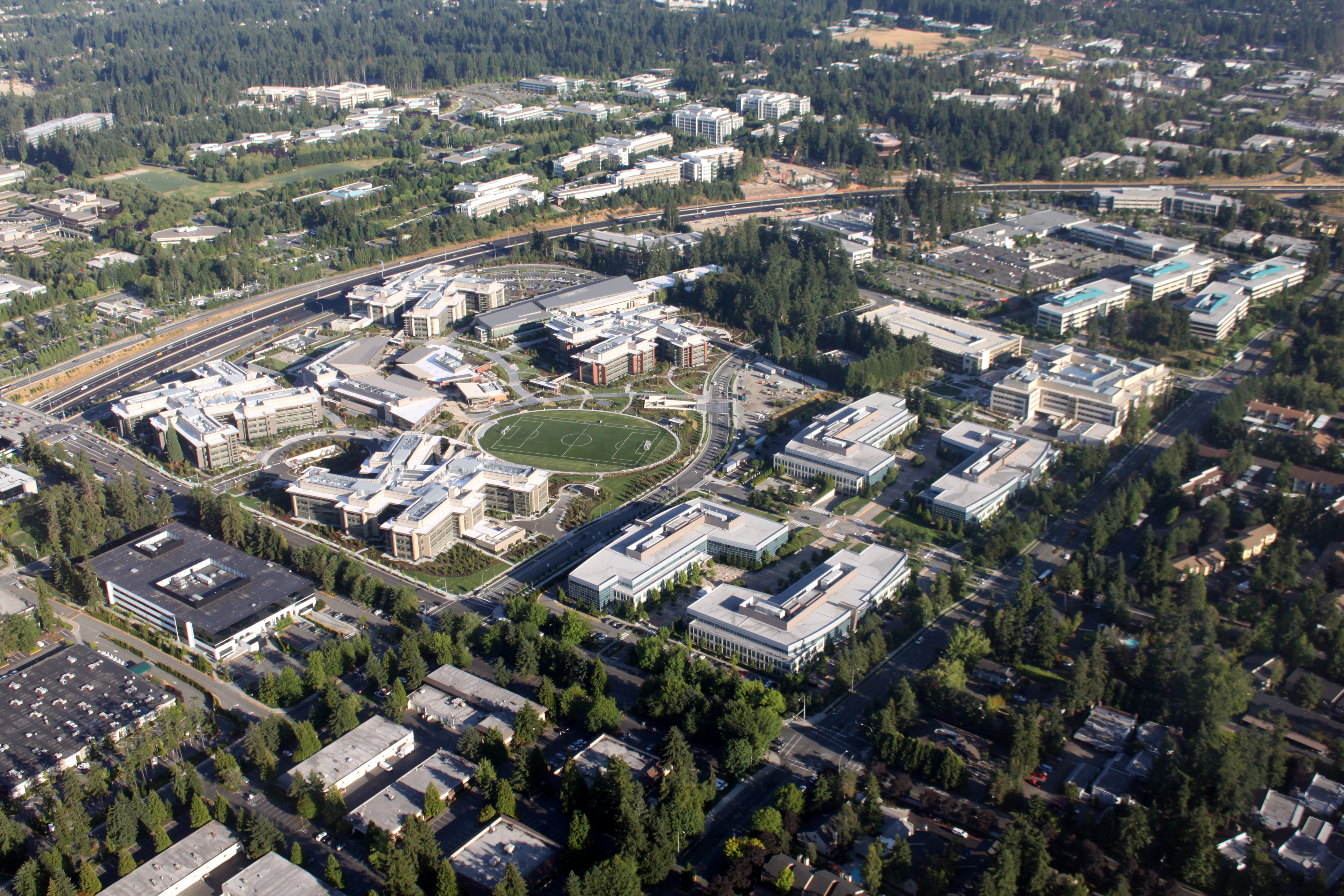
At the heart of one of the world’s most influential technology companies lies its distinctive headquarters in Redmond, Washington, USA. This sprawling campus, often simply referred to as “Redmond,” has been the central nervous system of Microsoft’s operations for decades. Its choice of location, its architectural evolution, and its role in fostering a unique corporate culture are all integral to understanding the Microsoft brand, both internally among its vast workforce and externally to customers, partners, and competitors alike. It represents a focal point where vision is cultivated, innovation is nurtured, and the strategic decisions that impact billions of people globally are made.
Redmond: More Than Just an Address – A Brand’s Genesis and Evolution
The decision of where to establish a headquarters is a foundational brand strategy choice for any company. For Microsoft, the journey to Redmond was one rooted in practicality, opportunity, and the vision of its founders, ultimately shaping an enduring corporate identity in the Pacific Northwest.
The Evergreen State’s Tech Hub: A Strategic Brand Decision
When Bill Gates and Paul Allen co-founded Microsoft in 1975, their initial operations were based in Albuquerque, New Mexico, chosen due to its proximity to MITS, the developer of the Altair 8800 microcomputer for which Microsoft developed its first product. However, as the company grew and the focus shifted from solely providing programming languages to developing a broader range of software, a move to a more advantageous location became imperative. Both Gates and Allen were originally from the Seattle area, and the pull to their roots, coupled with the burgeoning talent pool emerging from local universities and the relatively lower cost of living and business operations compared to burgeoning tech hubs like Silicon Valley at the time, made Washington state an ideal choice.
This initial relocation, first to Bellevue and then to Redmond in the 1980s, was not just a logistical move; it was a strategic branding decision. It positioned Microsoft outside the direct shadow of Silicon Valley, allowing it to cultivate its own distinct identity and culture. The Pacific Northwest offered a unique blend of natural beauty, a strong academic foundation, and a growing community of tech enthusiasts, all of which contributed to Microsoft’s ability to attract and retain top talent. This geographical positioning allowed Microsoft to carve out its unique brand narrative—one that was perhaps less flashy than its California counterparts but equally, if not more, driven by profound engineering and software innovation. The “Evergreen State” became synonymous with Microsoft’s ambition to create software that would empower individuals and businesses, shaping the digital landscape from a less-expected but deeply strategic location.
From Humble Beginnings to a Sprawling Campus: A Reflection of Brand Growth
The physical growth of Microsoft’s headquarters mirrors the dramatic expansion of its brand from a niche software developer to a global technology behemoth. What began with rented office spaces and smaller buildings in the early 1980s quickly necessitated a dedicated, expansive campus to accommodate its rapid growth and burgeoning workforce. The first significant purpose-built campus in Redmond was completed in 1986, establishing the foundational layout that would continually evolve.
Over the decades, the Redmond campus has transformed from a relatively modest collection of buildings into a vast, self-contained city of innovation. This continuous physical expansion and modernization are powerful brand statements. They signal resilience, ambition, and a commitment to future growth. Each new building, each redeveloped section, reflects an ongoing investment in its corporate identity and its promise to employees and stakeholders. The campus isn’t just a workspace; it’s a testament to Microsoft’s journey, embodying the brand’s evolution from a startup with a groundbreaking vision to an established leader continually pushing the boundaries of technology. This physical manifestation of growth reinforces its brand narrative of consistent innovation and global reach, anchoring its digital dominance with a tangible, impressive presence.
Nurturing Innovation and Culture: The Internal Brand Ecosystem
The design and environment of the Redmond campus are meticulously crafted to foster a specific internal brand culture—one predicated on collaboration, innovation, and problem-solving. Microsoft understands that its most valuable asset is its people, and the headquarters is designed to optimize their experience and productivity. The campus features an array of facilities beyond typical office spaces, including numerous cafes, fitness centers, sports fields, green spaces, and even internal transportation systems. These amenities are not merely perks; they are strategic investments in the “employer brand” and the overall corporate identity.
By creating an environment that supports work-life integration and encourages spontaneous interaction, Microsoft strengthens its internal brand messaging. It tells employees that their well-being is valued, fostering a sense of belonging and community. This culture of innovation, where teams can easily connect and ideas can flourish in state-of-the-art facilities, directly translates into the external brand perception. A company that invests in its people and provides them with world-class tools and environments is perceived as a leader, a desirable employer, and a reliable partner. The vibrant, diverse atmosphere within the Redmond campus fuels the creativity and dedication necessary to produce the cutting-edge products and services that define the Microsoft brand globally, making the headquarters a living laboratory for its corporate identity.
The Microsoft Campus: A Physical Manifestation of the Brand
Microsoft’s Redmond campus is more than just a cluster of office buildings; it is a meticulously designed environment that actively communicates and reinforces the company’s brand values and identity. Every aspect, from its architecture to its amenities, serves as a tangible expression of what Microsoft stands for.
Architecture and Design as Brand Statements
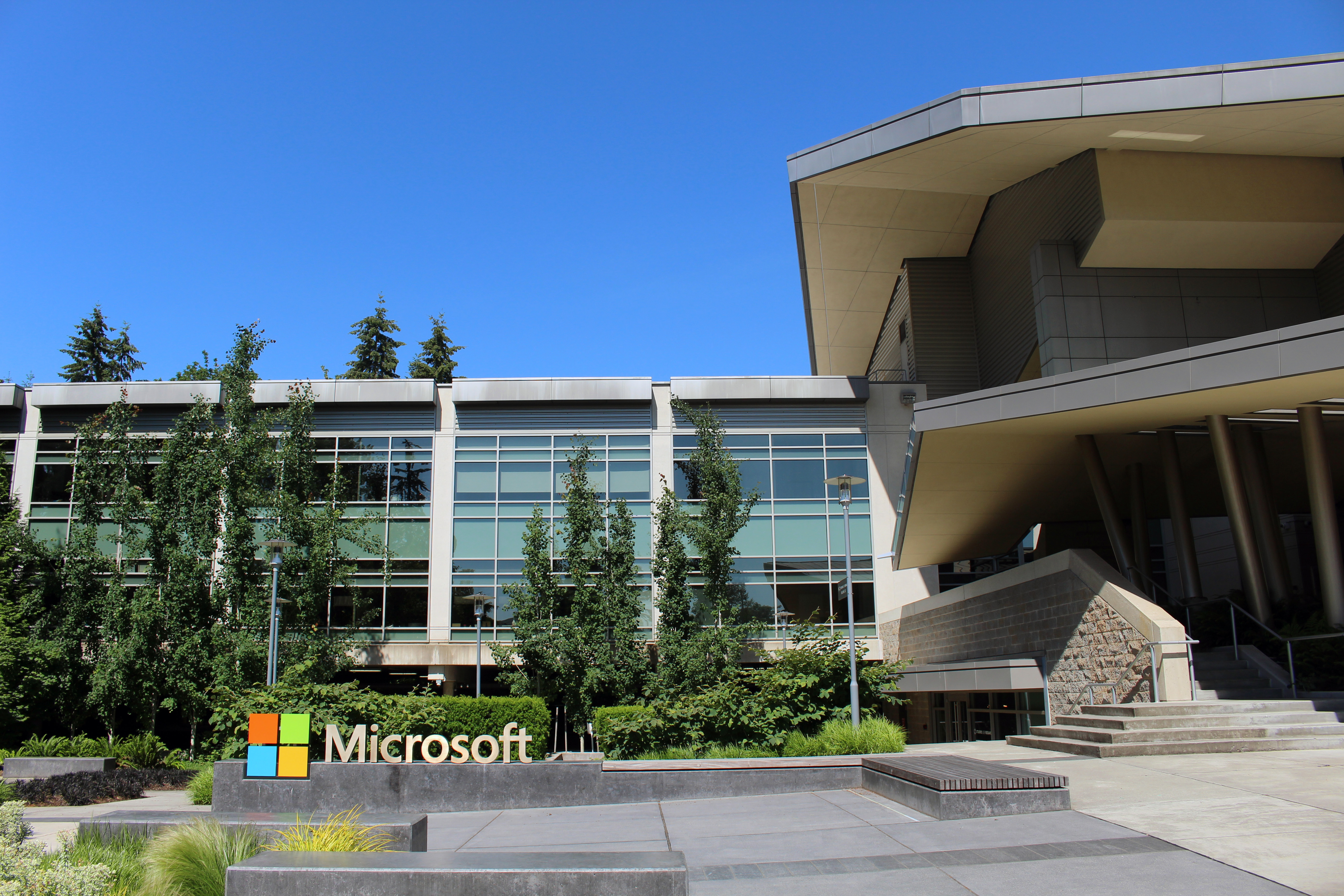
The architectural style and design philosophy of the Microsoft campus are integral to its corporate identity. Characterized by modern, often glass-clad buildings integrated with extensive green spaces and natural elements, the campus projects an image of forward-thinking innovation, transparency, and a connection to the environment. The sheer scale and thoughtful layout of the campus convey a sense of gravitas and stability, reflecting Microsoft’s position as a global leader. Buildings are often designed to facilitate collaboration, with open-plan offices, abundant common areas, and flexible workspaces that encourage interaction and idea exchange—hallmarks of a brand built on collective intelligence.
Furthermore, the design often incorporates sustainability features, such as rainwater harvesting, extensive recycling programs, and energy-efficient systems. These initiatives are not only operational choices but also powerful brand statements, aligning Microsoft’s physical infrastructure with its broader corporate social responsibility goals and its commitment to a sustainable future. The campus’s aesthetic is clean, professional, and accessible, mirroring the brand’s ambition to create technology that is powerful yet user-friendly for everyone. Walking through the Redmond campus offers a visual narrative of Microsoft’s brand: innovative, collaborative, responsible, and globally impactful.
Work-Life Integration and Employee Experience: Strengthening the Brand Inside Out
Microsoft’s investment in its employee experience at the Redmond headquarters is a direct reflection of its internal brand strategy. The campus is designed to be a self-sufficient ecosystem, providing a vast array of amenities that support work-life integration. This includes numerous dining options catering to diverse tastes, extensive fitness centers, sports fields, retail services, and even comprehensive healthcare facilities. The emphasis on convenience and well-being communicates a strong commitment to its workforce, which in turn fosters loyalty, productivity, and a positive internal culture.
These initiatives are crucial for strengthening Microsoft’s employer brand, making it an attractive destination for top talent globally. When employees feel supported, valued, and provided with resources that ease their daily lives, they become more engaged and passionate brand ambassadors. This positive internal perception inevitably translates into a stronger external brand image. A company known for taking care of its people is seen as more reliable, ethical, and innovative. The amenities and supportive environment at Redmond cultivate a sense of community and belonging, reinforcing the idea that working at Microsoft is about being part of something bigger—a global brand making a tangible difference.
Showcasing the Future: A Living Product Display
The Microsoft campus in Redmond isn’t just a place where products are developed; it’s also a dynamic showcase for the brand’s vision and technological prowess. State-of-the-art labs, innovation centers, and dedicated demonstration spaces are strategically integrated throughout the campus, serving as living product displays. Visitors, partners, and prospective clients are frequently brought to the headquarters to experience Microsoft’s latest innovations firsthand, from cutting-edge software and cloud solutions to groundbreaking hardware.
These controlled environments allow Microsoft to control the narrative around its products and services, reinforcing its brand as a leader in innovation. Product launches, technology briefings, and partner conferences held on campus leverage the impressive facilities to create memorable and impactful experiences. The ability to present its solutions within its own ecosystem—a place designed to embody innovation—lends credibility and authority to the Microsoft brand. The campus effectively becomes a tangible platform where the future of technology is not just discussed but experienced, solidifying Microsoft’s image as a visionary and a pioneer in the digital world.
Redmond’s Role in Microsoft’s Global Brand Strategy
The headquarters in Redmond is not merely a central office; it is a powerful anchor in Microsoft’s overarching global brand strategy, influencing everything from corporate identity to talent acquisition and public perception.
A Beacon of Corporate Identity
For a company as vast and globally dispersed as Microsoft, the Redmond headquarters serves as the symbolic heart from which all operations radiate. Its name itself, “Microsoft Redmond,” has become an internationally recognized signifier of the company’s origin, values, and technological leadership. This centralized corporate identity is crucial for maintaining brand consistency across diverse markets and cultures. While Microsoft has offices and data centers worldwide, Redmond remains the spiritual home, the place where foundational decisions are made, and where the core brand narrative is continuously refined.
This centralized identity ensures that whether a customer is in Tokyo, London, or São Paulo, they associate the Microsoft brand with a consistent set of values: innovation, empowerment, and reliability. The headquarters acts as a physical reference point for this abstract brand identity, providing a tangible base for a company whose products are largely intangible. It’s the place where the “Microsoft way” is cultivated, embodying the essence of a brand that has significantly shaped the modern world.
Attracting Top Talent Globally
The allure of working at Microsoft often begins with the image and reputation of its iconic headquarters. Redmond is a magnet for top talent from around the globe, playing a critical role in Microsoft’s talent branding strategy. Prospective employees are not just joining a company; they are joining an institution with a rich history, an inspiring vision, and a world-class environment designed for innovation. The campus’s reputation for fostering a challenging yet supportive work culture, coupled with its state-of-the-art facilities and commitment to cutting-edge research, makes it a highly desirable workplace.
Microsoft actively leverages its headquarters as a recruitment tool, showcasing the campus environment, the diverse teams, and the collaborative spirit during recruitment drives and online presentations. This strategic emphasis on the “Redmond experience” helps Microsoft compete for the brightest minds in technology, ensuring a continuous influx of expertise and creativity. The headquarters, therefore, is not just a place where work happens; it is a vital component of the brand’s human capital strategy, directly impacting its ability to innovate and sustain its market leadership.
Public Perception and Stakeholder Engagement
The Microsoft headquarters in Redmond is a key physical touchpoint for managing public perception and engaging with a wide range of stakeholders, including media, investors, government officials, and the local community. It serves as the primary location for high-profile events such as investor days, press conferences, and strategic partnership announcements. These events leverage the impressive backdrop of the campus to convey professionalism, transparency, and a commitment to future growth.
For the media, Redmond provides a concrete location to associate with the often abstract world of software and cloud computing, helping to contextualize stories about Microsoft’s impact. For investors, visiting the campus offers a tangible sense of the company’s scale, infrastructure, and forward-looking investments. Furthermore, Microsoft actively engages with the Redmond and greater Seattle communities, demonstrating its corporate citizenship through local initiatives, partnerships, and open-house events. This localized engagement emanating from its headquarters reinforces Microsoft’s brand as a responsible global entity, deeply embedded in and contributing to the communities where it operates.
The Evolving Workplace and the Future of the Microsoft Brand
As the world of work undergoes profound transformation, Microsoft’s headquarters in Redmond continues to evolve, reflecting its adaptive brand strategy and commitment to future-proofing its corporate identity.
Modernization and Expansion: Investing in the Future of the Brand
Microsoft is perpetually investing in its Redmond campus, not just to accommodate growth but to redefine the modern workplace and reinforce its brand as an innovator in corporate infrastructure. A multi-billion-dollar campus redevelopment project, launched in recent years, exemplifies this commitment. This ambitious undertaking involves tearing down and rebuilding older sections of the campus, adding new state-of-the-art facilities, pedestrian bridges, sports fields, and public spaces.
This continuous modernization is a powerful brand statement. It signals that Microsoft is not resting on its laurels but is actively shaping the future, both in technology and in the physical spaces where that technology is created. The renewed campus aims to foster even greater collaboration, flexibility, and a sense of community, aligning the physical environment with the brand’s evolving culture of agility and inclusivity. This investment ensures that Redmond remains a cutting-edge environment, attracting talent and showcasing Microsoft’s forward-looking brand.
Hybrid Work and Distributed Teams: Anchoring the Brand Identity
The shift towards hybrid work models, accelerated by global events, has prompted many companies to rethink the role of their physical headquarters. For Microsoft, a leader in collaboration tools, embracing hybrid work is a natural extension of its brand. While many employees now split their time between home and office, or work remotely full-time, the Redmond headquarters remains a crucial anchor for the brand’s identity and culture. It serves as the definitive “home base” where teams can converge for critical meetings, immersive brainstorming sessions, and culture-building events.
The campus’s design is adapting to support this hybrid reality, with more flexible meeting spaces, enhanced technological infrastructure for remote participation, and environments designed to maximize the value of in-person interactions. This strategic adaptation ensures that even in a distributed work environment, the physical headquarters continues to embody Microsoft’s brand values—empowerment, innovation, and connection—maintaining a tangible center for a global, increasingly virtual workforce.
Sustainability and Corporate Responsibility: A Greener Brand Identity
Microsoft’s commitment to sustainability is a growing and vital part of its corporate brand, and its Redmond headquarters plays a central role in demonstrating this commitment. The campus is a living example of Microsoft’s ambitious environmental goals, including its pledge to be carbon negative, water positive, and zero waste by 2030. Investments in renewable energy, water conservation systems, and environmentally friendly building materials are not just operational choices; they are strong brand statements.
The campus itself becomes a narrative tool, showcasing how a global technology company can operate responsibly and contribute positively to environmental stewardship. By integrating green infrastructure and sustainable practices into its core physical identity, Microsoft aligns its operational choices with its broader corporate social responsibility initiatives. This enhances its brand reputation, resonates with environmentally conscious stakeholders, and reinforces its image as a responsible and forward-thinking global citizen.

Conclusion
Microsoft’s headquarters in Redmond, Washington, is far more than just a geographic coordinate on a map. It is a living, breathing embodiment of the brand’s history, its core values, its innovative spirit, and its expansive global aspirations. From its strategic choice of location in the Pacific Northwest to its continuous architectural evolution and its role in fostering a distinct corporate culture, every aspect of the Redmond campus is meticulously designed to communicate and reinforce the Microsoft brand. It serves as a beacon of corporate identity, a magnet for global talent, a stage for innovation, and a powerful symbol of the company’s commitment to progress and responsibility. As Microsoft continues to evolve and lead in the ever-changing technological landscape, so too will its iconic home, remaining a powerful and tangible representation of one of the world’s most influential and enduring brands.
aViewFromTheCave is a participant in the Amazon Services LLC Associates Program, an affiliate advertising program designed to provide a means for sites to earn advertising fees by advertising and linking to Amazon.com. Amazon, the Amazon logo, AmazonSupply, and the AmazonSupply logo are trademarks of Amazon.com, Inc. or its affiliates. As an Amazon Associate we earn affiliate commissions from qualifying purchases.