
The story of Microsoft’s inception is not merely a tale of a company’s birth; it is a foundational chapter in the history of modern technology itself. From its humble beginnings, Microsoft rapidly ascended to become an unparalleled force, fundamentally shaping the trajectory of personal computing, software development, and the digital landscape we inhabit today. Understanding when Microsoft started involves delving into the precise moment two ambitious young men—Bill Gates and Paul Allen—channeled their shared passion for computing into a groundbreaking venture that would ultimately redefine how the world interacts with technology.
This article explores the very roots of Microsoft, tracing its establishment, its pivotal early innovations, and the strategic decisions that propelled it from a two-person startup into a global technology behemoth. We will uncover the genesis of its foundational technologies and the unwavering vision that laid the groundwork for an empire built on software.
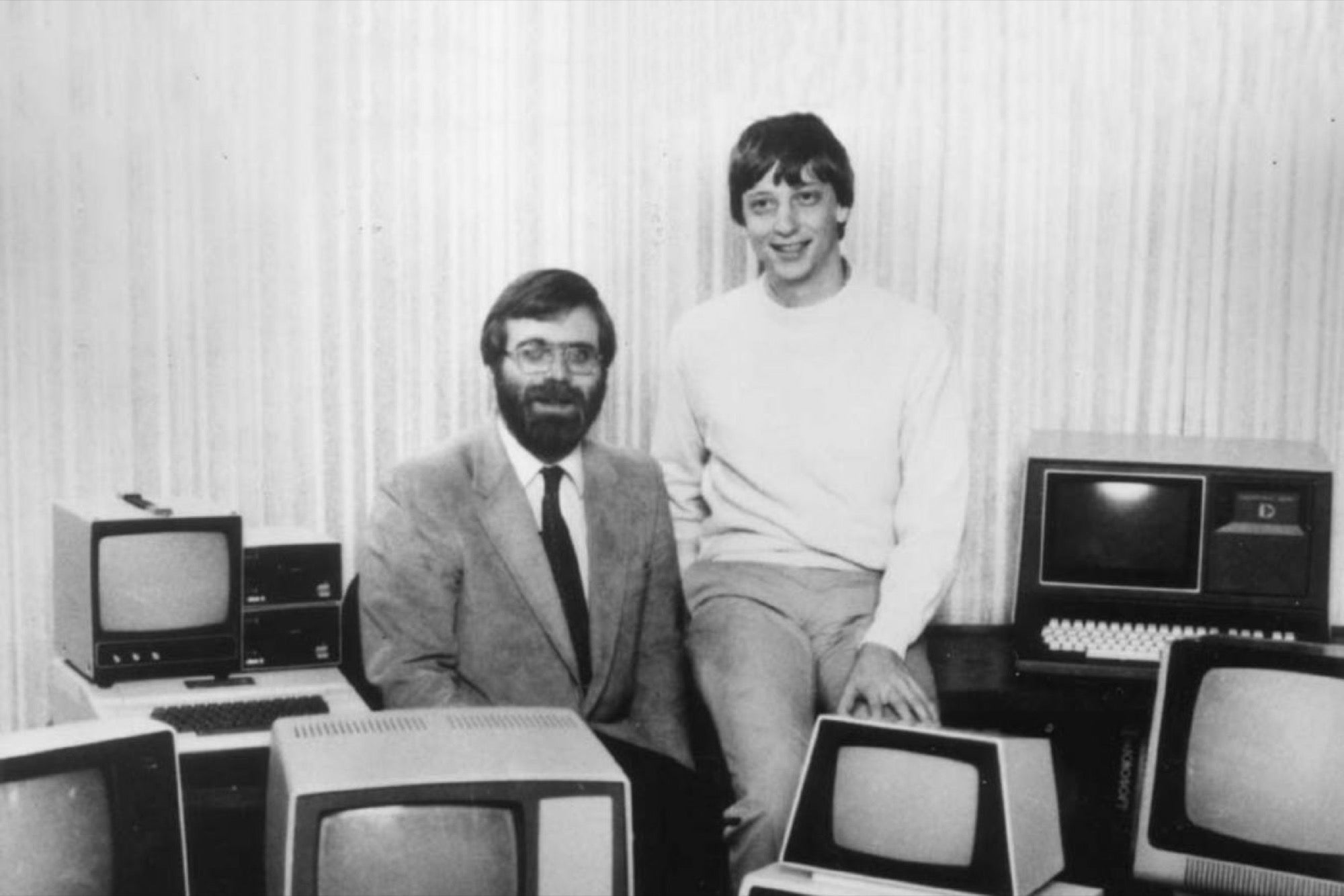
The Genesis of a Tech Giant: Humble Beginnings
Before Microsoft became synonymous with operating systems and office productivity suites, it was an idea, a vision shared by two friends who saw the immense, untapped potential of computing power for the masses. Their journey began long before the company’s official founding, forged in the nascent days of microprocessors and homebrew computer clubs.
A Shared Vision: Gates and Allen
The partnership that would eventually birth Microsoft was forged in the halls of Lakeside School in Seattle, Washington. Here, Bill Gates and Paul Allen, friends since middle school, discovered a mutual fascination with computers. This was the late 1960s and early 1970s, a time when computers were monolithic machines confined to academic institutions and large corporations. Access to these machines was rare, but Gates and Allen, through sheer determination and a bit of youthful ingenuity, managed to secure time on various early computing systems, including a DEC PDP-10.
Their experiences at Lakeside were crucial. They devoured programming manuals, experimented with different languages, and even developed their own software, demonstrating a precocious understanding of complex systems. This early exposure not only honed their technical skills but also solidified their belief in the transformative power of software, laying the intellectual groundwork for their future endeavors. They saw beyond the hardware, envisioning a future where software would be the key to unlocking computers’ true potential for a broader audience.
The Altair 8800 Catalyst
The true catalyst for Microsoft’s formation arrived in December 1974, with the publication of Popular Electronics magazine. On its cover, the MITS Altair 8800 was proudly displayed, heralded as “the world’s first minicomputer kit to rival commercial models.” For Allen and Gates, this moment was revelatory. The Altair, a build-it-yourself computer based on Intel’s 8080 microprocessor, represented the first truly affordable personal computer. While primitive by today’s standards—it had no keyboard, screen, or even sufficient memory to run complex programs—it sparked an epiphany.
They realized that for personal computers to become genuinely useful, they needed software, specifically a user-friendly programming language. Gates, then a student at Harvard, and Allen, working as a programmer at Honeywell, saw an immediate opportunity to develop a BASIC interpreter for the Altair. BASIC (Beginner’s All-purpose Symbolic Instruction Code) was a simple, high-level programming language that could make the Altair accessible to enthusiasts and hobbyists who weren’t assembly-language experts. It was a bold idea, given they didn’t have an Altair or even an Intel 8080 processor to work with initially. Yet, they made a audacious phone call to MITS, the manufacturer, claiming they had a BASIC interpreter ready. This bluff, driven by a deep conviction in their abilities, set the stage for their legendary collaboration.
Birth of Microsoft and Early Triumphs
The audacious claim to MITS led to a demonstration, which in turn led to a contract. It was this pivotal moment that solidified their partnership and necessitated the formal establishment of a company to house their ambitious software development efforts.
Founding Date and Location
Microsoft was officially founded on April 4, 1975, with Bill Gates as its first CEO. Initially, the company was based in Albuquerque, New Mexico, a strategic decision made to be close to MITS, the manufacturer of the Altair 8800, their first major client.
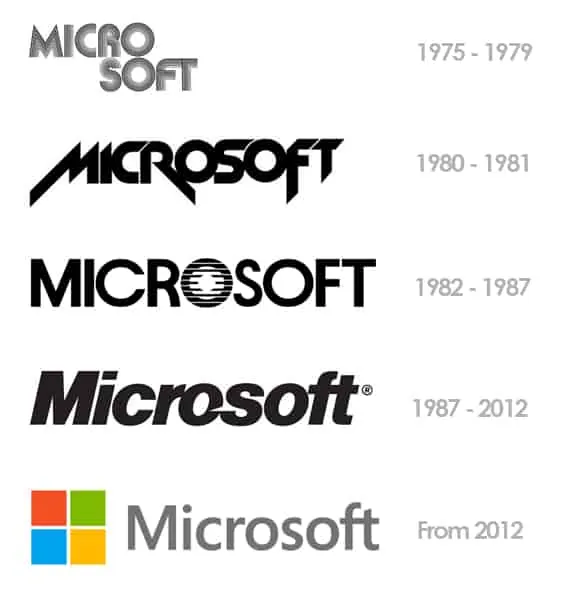
The name “Microsoft” itself was a portmanteau coined by Paul Allen, combining “microcomputer” and “software.” It was initially hyphenated as “Micro-Soft” but eventually lost the hyphen as the company grew and matured. This name perfectly encapsulated their mission: to develop software for microcomputers, making them more powerful and accessible. The two founders poured their energy into their first major project, laying the groundwork for what would become a global technology empire.
The Altair BASIC Breakthrough
The first product developed by Microsoft was Altair BASIC. Under immense pressure and tight deadlines, Allen and Gates, with significant contributions from Monte Davidoff, delivered a working version of the BASIC interpreter. Allen even flew to Albuquerque to debug and demonstrate it on an actual Altair 8800 for the first time. The success of Altair BASIC was monumental; it was the first high-level programming language available for the personal computer, transforming the Altair from a hobbyist’s kit into a programmable machine.
Altair BASIC’s success proved several things: the viability of personal computing, the critical need for software, and the extraordinary talent of Gates and Allen. However, this early triumph also highlighted a challenge that would plague the software industry for decades: piracy. Despite its innovative nature, Altair BASIC was frequently copied and distributed illegally, a problem Gates famously addressed in his “Open Letter to Hobbyists,” pleading for respect for intellectual property. This letter, written in 1976, underscored the nascent industry’s struggle with the value of software.
Expanding Horizons Beyond MITS
While Altair BASIC was a significant achievement, Microsoft quickly recognized that its future lay beyond a single hardware platform. The burgeoning microcomputer market was diversifying, with various manufacturers producing their own machines. To grow, Microsoft needed to license its BASIC interpreter to as many of these hardware companies as possible.
This strategic pivot was crucial. Instead of being tied exclusively to MITS, Microsoft began actively seeking out and securing licensing deals with other computer manufacturers, including Apple, Commodore, and RadioShack. This aggressive licensing strategy allowed Microsoft’s software to become a de facto standard across numerous early personal computing platforms, significantly expanding its reach and establishing its reputation as a premier software development house. By 1978, Microsoft had moved its operations from Albuquerque back to its home state of Washington, signaling a new phase of growth and independence. The company was no longer just a startup; it was an established player with a clear vision for democratizing computing through innovative software.
The IBM PC Deal: A Pivotal Moment
While Microsoft had found early success with BASIC, it was a seemingly innocuous request from a titan of the computing world that would irrevocably alter its trajectory and cement its place in history. This interaction with IBM was less about technological innovation from Microsoft directly, and more about strategic foresight and opportunistic execution.
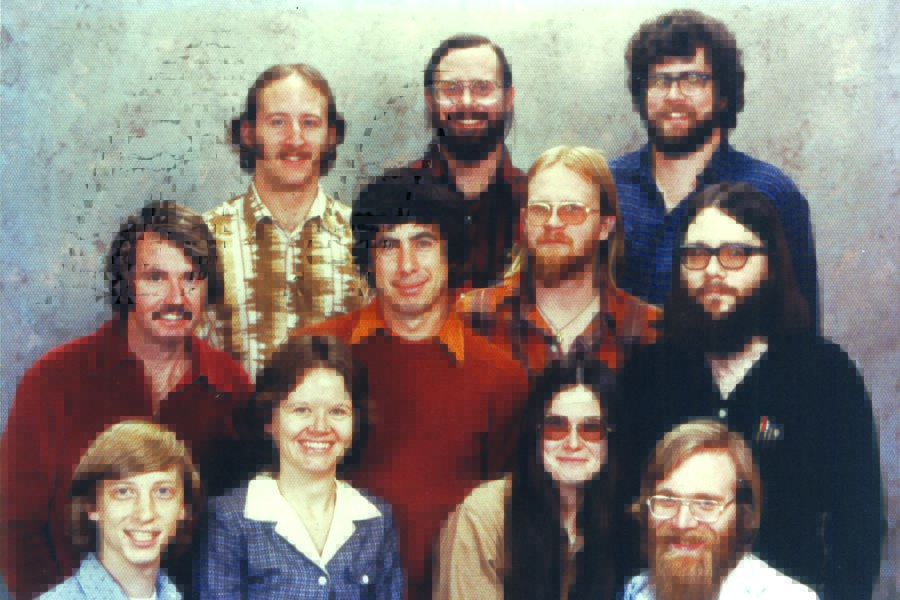
The Unforeseen Opportunity
In the late 1970s, the mainframe computer giant IBM, watching the rapid growth of the personal computer market, decided it could no longer ignore the trend. They embarked on a secretive project to develop their own personal computer, codenamed “Project Chess.” Uncharacteristically for the traditionally vertically integrated company, IBM decided to outsource many components, including the operating system and key software, to speed up development.
In 1980, IBM approached Microsoft, initially to inquire about licensing BASIC, a language Microsoft had already established as a standard. During their discussions, however, IBM also expressed a need for an operating system for their new PC. This was the moment of unforeseen opportunity. While Microsoft did not have an operating system of its own ready for a PC at that time, Bill Gates, ever the astute businessman, recognized the enormous potential of this request. He knew a deal with IBM could catapult Microsoft into an entirely different league.
Acquiring QDOS and Creating MS-DOS
Microsoft’s existing relationships with IBM and its proven track record with BASIC put it in a prime position. The popular narrative suggests IBM first approached Digital Research, creator of the CP/M operating system, which was dominant at the time. However, a deal never materialized, for reasons still debated. This opened the door wide for Microsoft.
To fulfill IBM’s request, Microsoft made a decisive and incredibly strategic move. They purchased an operating system called 86-DOS (also known as QDOS, for “Quick and Dirty Operating System”) from Seattle Computer Products for a reported sum of $50,000. QDOS was developed by Tim Paterson and was largely compatible with CP/M. Microsoft then adapted and refined QDOS, rebranding it as MS-DOS (Microsoft Disk Operating System) for the IBM PC. This rapid acquisition and adaptation demonstrated Microsoft’s agility and Gates’s keen understanding of market dynamics. It wasn’t about building from scratch, but about securing the right technology at the right time.
The Licensing Game-Changer
The true genius of the IBM deal, and arguably one of the most consequential business decisions in tech history, lay in the licensing agreement for MS-DOS. IBM wanted to buy MS-DOS outright, but Gates insisted on licensing it to IBM on a per-copy basis. Crucially, Microsoft retained the right to license MS-DOS to other hardware manufacturers.
This non-exclusive licensing strategy proved to be a masterstroke. When the IBM PC launched in 1981, it was an instant success, legitimizing the personal computer in the eyes of businesses and consumers. But because MS-DOS was licensed, not sold, Microsoft could then license the same operating system to the burgeoning market of “IBM PC compatible” manufacturers. These companies reverse-engineered the IBM PC’s hardware but needed an operating system to run it. MS-DOS became the standard, solidifying Microsoft’s control over the essential software layer of the personal computer ecosystem. This single decision transformed Microsoft from a successful software house into the gatekeeper of the PC era, laying the foundation for unparalleled growth and market dominance.
Building the Software Empire: Post-DOS Era Foundations
With MS-DOS firmly established as the operating system for the dominant PC platform, Microsoft’s focus expanded beyond just the foundational layer. The company began to strategically build out a comprehensive software ecosystem, anticipating future trends and consolidating its position.
Graphical User Interfaces: Windows Takes Shape
The success of the Apple Macintosh, launched in 1984, highlighted a significant shift in user interaction: the advent of the graphical user interface (GUI). While MS-DOS was powerful, its command-line interface was intimidating for many users. Microsoft recognized the imperative to move beyond text-based computing.
Their response was Microsoft Windows. Announced in 1983 and officially launched in November 1985 as Windows 1.0, it was initially an extension of MS-DOS, running applications in a graphical environment. Early versions of Windows were met with mixed reviews and struggled to gain widespread adoption, partly due to hardware limitations and a lack of compelling applications. However, Gates and his team held a long-term vision. They understood that the future of computing was graphical, and they continued to invest heavily in its development. Subsequent versions, particularly Windows 3.0 in 1990 and Windows 95, would dramatically improve user experience, application support, and ultimately become the dominant GUI operating system worldwide. This persistent commitment to evolving the user interface was critical to maintaining Microsoft’s relevance in a rapidly changing tech landscape.
The Rise of Application Software
Beyond the operating system, Microsoft also recognized the need to provide essential tools for users and businesses. Their strategy was to create a full suite of application software that would work seamlessly with their operating systems, further entrenching their position.
This led to the development and aggressive marketing of applications like Microsoft Word and Microsoft Excel. While not the first word processors or spreadsheet programs on the market, Microsoft’s versions were meticulously designed, continuously improved, and bundled together. The launch of Microsoft Office as an integrated suite of productivity applications—which included Word, Excel, and later PowerPoint and Outlook—was another game-changer. By offering a comprehensive and cohesive set of tools, Microsoft made it incredibly convenient for users to choose their ecosystem. This strategy not only generated significant revenue but also created a powerful lock-in effect, making it difficult for users to switch to competing platforms without sacrificing compatibility and familiarity. The bundling of applications solidified Microsoft’s status as a ubiquitous presence on nearly every personal computer.
Legacy and Continuous Evolution in Tech
From its audacious beginning with Altair BASIC to its eventual dominance in operating systems and application software, Microsoft’s starting point marks a watershed moment in the history of technology. The company’s journey from 1975 onward is a testament to vision, strategic execution, and relentless innovation that continues to shape the digital world.
A Vision Realized: Impact on Personal Computing
Microsoft’s inception and subsequent growth fulfilled the early vision of Bill Gates and Paul Allen: to put “a computer on every desk and in every home.” By creating accessible and powerful software, first through BASIC and then through MS-DOS and Windows, Microsoft effectively democratized computing. They made complex machines usable for the average person, empowering individuals and businesses with tools that were once the exclusive domain of large institutions. The ubiquity of Windows as an operating system and Office as a productivity suite fundamentally changed how work was done, how information was processed, and how people interacted with technology on a daily basis. Without Microsoft’s early contributions and strategic decisions, the personal computing revolution would undoubtedly have taken a very different path, and perhaps a much slower one.
Enduring Innovation and Future Trajectories
Decades after its founding, Microsoft continues to be a central pillar of the technology industry. While its initial focus was on operating systems and desktop applications, the company has consistently adapted and diversified. From its successful foray into gaming with Xbox to its significant leadership in cloud computing with Azure, and its deep investments in artificial intelligence, Microsoft demonstrates an enduring capacity for innovation. The company’s ongoing evolution, spearheaded by initiatives in cutting-edge areas like AI, quantum computing, and mixed reality, illustrates its commitment to shaping the next frontiers of technology. Its journey from a two-person startup developing a BASIC interpreter to a global tech leader employing hundreds of thousands and influencing countless more highlights the profound and lasting legacy of its 1975 beginnings.
The question “When did Microsoft start?” thus transcends a simple date. It encapsulates the moment a potent blend of youthful ambition, technical prowess, and a keen understanding of market needs ignited a revolution, forever changing the landscape of technology and the way we experience the world.
aViewFromTheCave is a participant in the Amazon Services LLC Associates Program, an affiliate advertising program designed to provide a means for sites to earn advertising fees by advertising and linking to Amazon.com. Amazon, the Amazon logo, AmazonSupply, and the AmazonSupply logo are trademarks of Amazon.com, Inc. or its affiliates. As an Amazon Associate we earn affiliate commissions from qualifying purchases.