
The question “what is the stock price of Microsoft?” is far more than a simple query for a number; it’s an entry point into understanding market dynamics, corporate valuation, and the intricate world of investing. Microsoft (NASDAQ: MSFT) stands as one of the world’s most influential and valuable companies, a titan of technology whose financial performance reverberates across global markets. For both seasoned investors and curious newcomers, grasping the significance of its stock price involves delving beyond the immediate ticker tape and exploring the fundamental and technical factors that drive its valuation.
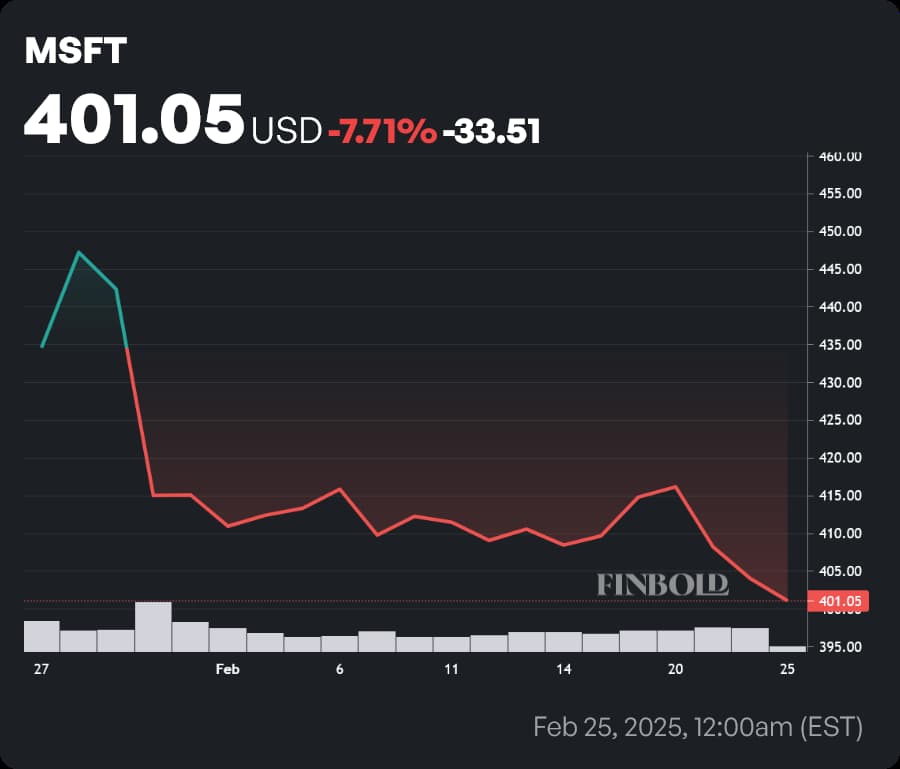
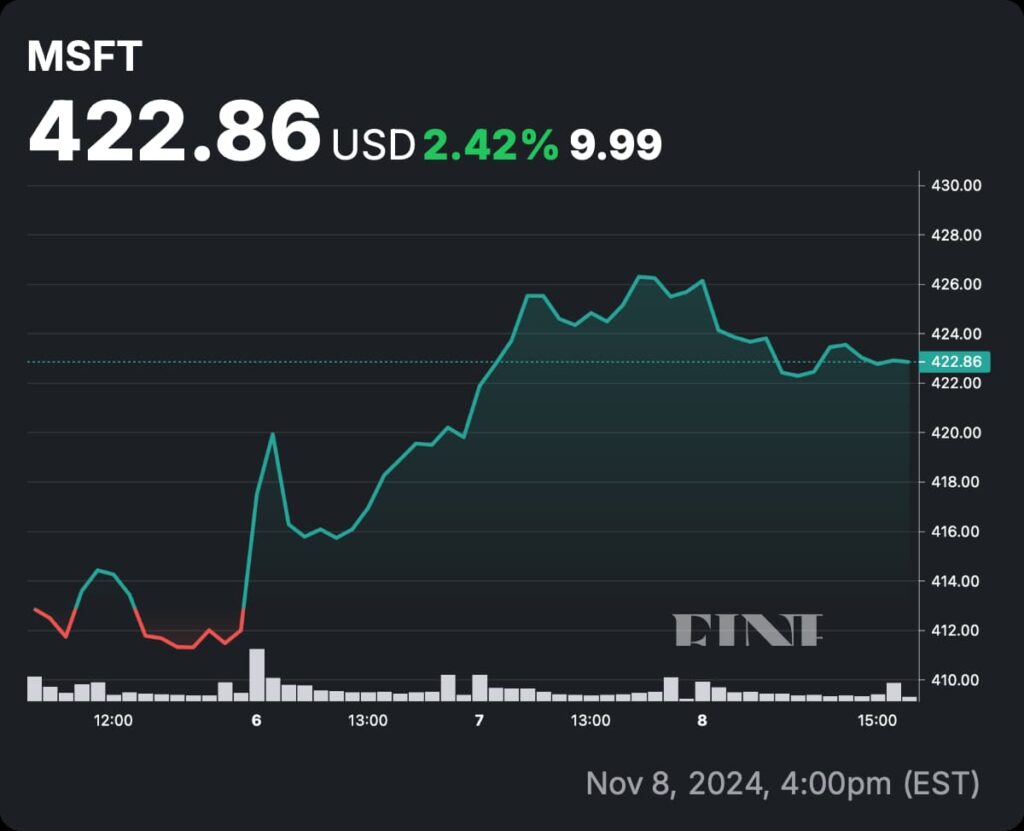
At any given moment, Microsoft’s stock price reflects a consensus of what the market believes the company is worth, incorporating its current financial health, future growth prospects, competitive landscape, and broader economic conditions. This price is a dynamic figure, fluctuating continuously throughout trading hours as millions of shares are bought and sold. While a snapshot answer might give you a number like “$X per share” at a specific second, the true insight comes from understanding why it’s at that price, how it got there, and what it might mean for an investment decision. This article will dissect these layers, providing a comprehensive guide to understanding Microsoft’s stock price within the broader context of personal finance and investing.
Understanding Microsoft’s Stock (MSFT) in the Market
Microsoft’s journey from a software pioneer to a diversified cloud and gaming powerhouse is reflected vividly in its stock performance. Its ticker symbol, MSFT, is among the most recognized on the Nasdaq exchange, representing a company that has not only adapted to technological shifts but often spearheaded them.
The Dynamics of Real-Time Stock Quotes
A stock price, at its core, is the last price at which a share of the company was traded. For Microsoft, this price is constantly updated during market hours (typically 9:30 AM to 4:00 PM Eastern Time on weekdays, excluding holidays) based on supply and demand. If there are more buyers than sellers at a given price, the price tends to rise; conversely, an abundance of sellers drives the price down. This real-time fluctuation is influenced by a myriad of factors, from breaking news and earnings reports to broader market sentiment and macroeconomic indicators. Accessing real-time quotes is straightforward through financial news websites, brokerage platforms, or even a simple search engine query, but understanding the underlying forces is crucial.
Key Factors Influencing MSFT’s Valuation
Microsoft’s valuation is not arbitrary; it’s a complex equation with many variables. One of the most significant factors is its earnings reports. Quarterly and annual reports detail the company’s revenue, profit, and future guidance, directly impacting investor confidence. Strong earnings, particularly those that beat analyst expectations, usually lead to a rise in stock price, while disappointing results can trigger a sell-off.
Beyond earnings, product launches and innovations play a vital role. Announcements related to new AI capabilities (like Copilot), advancements in Azure cloud services, or significant updates to Windows and Xbox ecosystems can generate excitement and drive investor interest. Competitive landscape is another critical element; how Microsoft stacks up against rivals like Amazon (AWS), Google (Google Cloud), and Apple in various sectors influences its perceived market dominance and future potential.
Lastly, broader economic conditions and interest rate policies from central banks (like the Federal Reserve) significantly affect how investors value growth stocks like Microsoft. Higher interest rates can make future earnings less attractive, sometimes leading to a rotation out of tech stocks, while a robust economy generally provides a favorable environment for corporate growth.
Historical Performance and Market Context
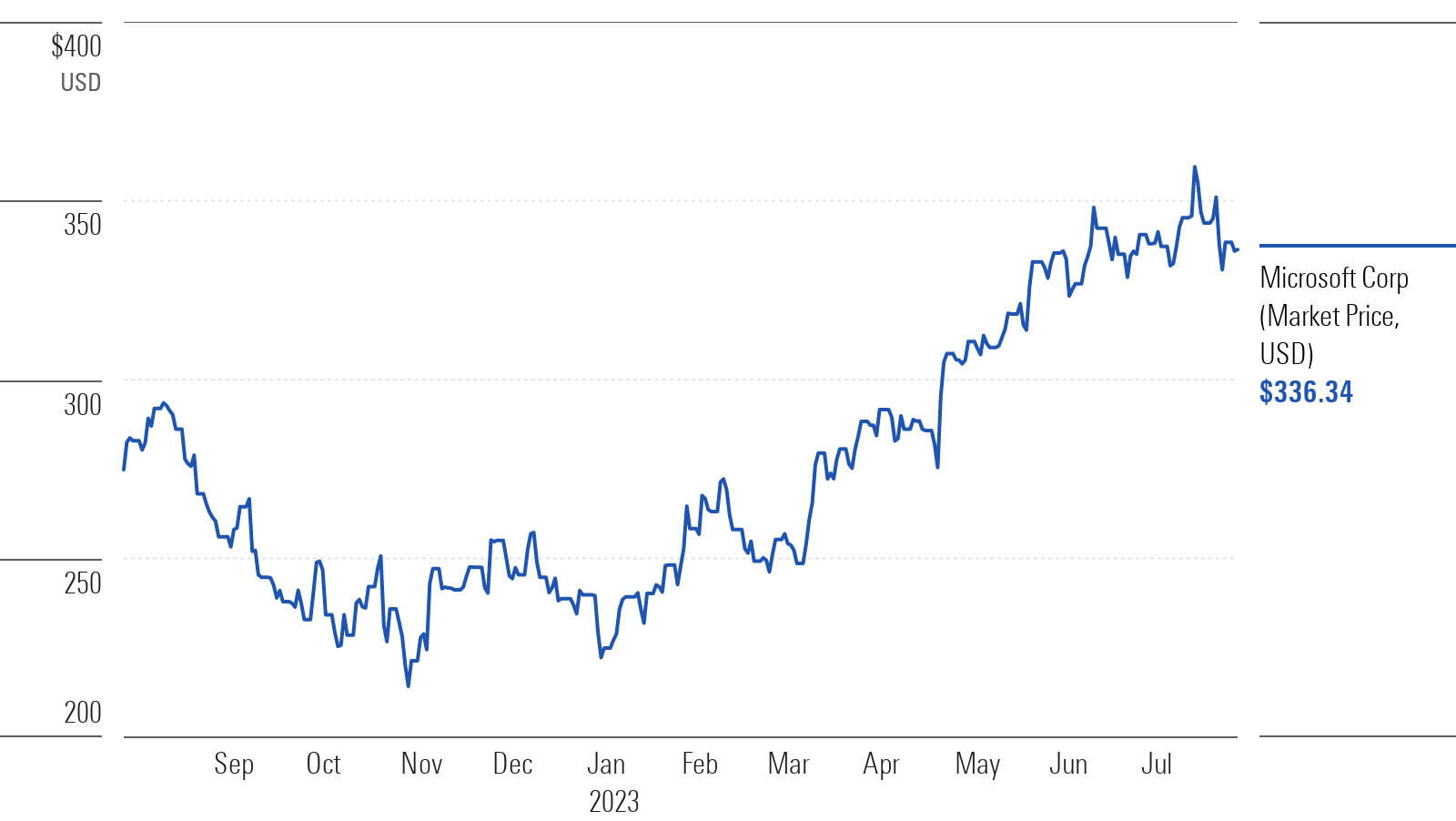
Examining Microsoft’s historical stock performance offers invaluable context. Over decades, MSFT has demonstrated remarkable resilience and growth, navigating dot-com busts, financial crises, and intense competition. Its transformation under various leaderships, particularly its pivot to cloud computing with Azure, has been a game-changer, diversifying its revenue streams beyond its traditional Windows and Office software. Analyzing long-term charts reveals patterns of growth, periods of consolidation, and recovery from downturns. This historical perspective is crucial for understanding the company’s ability to innovate, adapt, and consistently deliver value to shareholders, shaping its current market perception as a stable yet innovative growth stock.
Analyzing Microsoft as an Investment
For those considering adding Microsoft to their portfolio, a deeper dive into both fundamental and technical analysis is essential. This two-pronged approach helps investors form a comprehensive view of the company’s health and market momentum.
Fundamental Analysis: Revenue Streams and Profitability
Fundamental analysis focuses on the intrinsic value of a company by scrutinizing its financial statements, management, competitive advantages, and market. Microsoft boasts a highly diversified and robust business model:
- Productivity and Business Processes: This segment includes Office 365, LinkedIn, and Dynamics 365, providing steady subscription revenue and enterprise solutions.
- Intelligent Cloud: Azure, Microsoft’s cloud computing platform, is a primary growth engine, competing directly with AWS and Google Cloud. Its rapid expansion is a key driver for the stock.
- More Personal Computing: This includes Windows licenses, Xbox gaming, Surface devices, and search advertising. While mature, these segments provide significant cash flow and maintain brand relevance.
Profitability metrics like net income, profit margins, and return on equity (ROE) are crucial. Microsoft consistently delivers strong profit margins, indicative of its pricing power and operational efficiency. Investors also look at free cash flow (FCF), which represents the cash a company generates after accounting for cash outflows to support operations and maintain its capital assets. A healthy FCF allows Microsoft to invest in R&D, pursue acquisitions, pay dividends, and conduct share buybacks, all of which can enhance shareholder value. Analysts will also use valuation ratios like the Price-to-Earnings (P/E) ratio, Price-to-Sales (P/S) ratio, and PEG ratio to compare MSFT’s valuation against its peers and historical averages, assessing if the stock is currently undervalued, fairly valued, or overvalued.
Technical Analysis: Chart Patterns and Indicators
Technical analysis, in contrast to fundamental analysis, involves evaluating investments by analyzing statistical trends gathered from trading activity, such as price movement and volume. While fundamentals tell you what to buy, technicals often tell you when to buy.
For MSFT, technical analysts study price charts to identify patterns (e.g., head and shoulders, double tops/bottoms), trends (upward, downward, sideways), and support/resistance levels. Moving averages (e.g., 50-day, 200-day) are commonly used to smooth out price data and identify trends. A stock trading above its 200-day moving average is generally considered to be in an uptrend, for example.
Volume is another important indicator; high volume during a price move can confirm the strength of that move. Other popular indicators include the Relative Strength Index (RSI), which measures the speed and change of price movements to identify overbought or oversold conditions, and the MACD (Moving Average Convergence Divergence), which shows the relationship between two moving averages of a stock’s price. While technical analysis can be subjective, it provides tools for identifying potential entry and exit points and managing risk, complementing the long-term perspective offered by fundamental analysis.
Competitive Landscape and Future Growth Drivers
Microsoft operates in highly competitive and rapidly evolving markets. Its primary competitors include Amazon (AWS), Google (Google Cloud, search, Android), Apple (devices, services), Oracle, Salesforce, Sony (gaming), and numerous smaller software and AI startups. Microsoft’s ability to maintain its competitive edge hinges on continuous innovation, strategic acquisitions, and effective ecosystem integration.
Future growth drivers for MSFT are firmly rooted in its leadership in:
- Artificial Intelligence (AI): Microsoft’s significant investment in OpenAI (developer of ChatGPT) and its integration of AI across its product suite (Azure AI, Copilot in Office, Windows, Dynamics) positions it at the forefront of the AI revolution, promising new revenue streams and efficiency gains.
- Cloud Computing (Azure): The continued global shift to cloud infrastructure provides a robust tailwind for Azure, with increasing demand from enterprises for scalable, secure, and intelligent cloud services.
- Gaming (Xbox and Activision Blizzard King): The acquisition of Activision Blizzard King significantly bolsters Microsoft’s position in the gaming industry, expanding its content library and subscriber base for Xbox Game Pass.
- Enterprise Software and Services: Ongoing digital transformation initiatives by businesses worldwide ensure sustained demand for Microsoft’s comprehensive suite of enterprise software, including Office 365, Dynamics 365, and cybersecurity solutions.
These areas represent strong avenues for future revenue and earnings growth, which are critical for sustaining investor confidence and driving the stock price higher over the long term.
How to Find and Track Microsoft’s Stock Price
Accessing real-time or delayed stock quotes for Microsoft is easy, but understanding the surrounding data is key to informed decision-making.
Reliable Financial Data Sources
Numerous platforms offer up-to-the-minute stock information. Reputable sources include:
- Major Financial News Websites: Bloomberg, Reuters, The Wall Street Journal, Yahoo Finance, Google Finance, and CNBC provide real-time or slightly delayed quotes, alongside news, analyst ratings, and financial data.
- Brokerage Platforms: If you have an investment account, your brokerage’s platform (e.g., Fidelity, Charles Schwab, Robinhood, Interactive Brokers) will offer comprehensive real-time data, charting tools, and research.
- Stock Market Apps: Many mobile applications are dedicated to tracking stocks and portfolios.
When checking the price, look for details like the “last trade price,” “bid price” (the highest price a buyer is willing to pay), “ask price” (the lowest price a seller is willing to accept), “volume” (number of shares traded), “day’s high/low,” and “52-week high/low.” These metrics provide a more complete picture than just the last traded price.
Investment Platforms and Brokerage Tools
Beyond just showing the price, modern investment platforms offer a wealth of tools for tracking MSFT. You can set up watchlists to monitor its performance against other stocks, create custom charts with various technical indicators, and receive alerts for significant price movements or news. Many platforms also offer research reports, analyst commentary, and access to SEC filings (like 10-K and 10-Q reports), which provide detailed financial information directly from the company. Understanding how to navigate these tools empowers investors to conduct their own due diligence and stay informed.
Understanding Financial Metrics Beyond Just Price
While the stock price is the headline figure, sophisticated investors look at a broader array of financial metrics to assess Microsoft’s health and valuation:
- Market Capitalization: This is the total value of all outstanding shares (stock price x number of shares). Microsoft consistently ranks among the top companies by market cap globally, signifying its immense size and influence.
- Dividend Yield: Microsoft is a dividend-paying company, offering a small but consistent payout to shareholders. The dividend yield (annual dividend per share / stock price) can be attractive to income-focused investors, though MSFT is primarily viewed as a growth stock.
- Earnings Per Share (EPS): This indicates how much profit the company makes for each outstanding share. Investors track EPS growth and compare it to analyst estimates.
- Revenue Growth: The rate at which the company’s sales are increasing. Sustainable revenue growth is a strong indicator of a healthy business.
- Debt-to-Equity Ratio: Measures a company’s financial leverage. While Microsoft has a strong balance sheet, understanding its debt levels is important for assessing financial risk.
By considering these metrics in conjunction with the stock price, investors can gain a much deeper and more nuanced understanding of Microsoft’s financial standing and its potential as an investment.
The Broader Implications for Investors
Investing in a company like Microsoft involves understanding its role within a diversified portfolio and its long-term prospects.
MSFT’s Role in a Diversified Portfolio
For many investors, Microsoft represents a cornerstone “blue-chip” stock. Its size, financial stability, and diversified business segments make it a relatively lower-risk component compared to smaller, more volatile growth stocks. Including MSFT in a portfolio can provide exposure to the technology sector, balance risk, and offer long-term capital appreciation. However, even a company as robust as Microsoft should not be the sole holding in a portfolio. Diversification across different industries, asset classes (stocks, bonds, real estate), and geographies is crucial for mitigating risk and achieving consistent returns.
Dividends, Stock Splits, and Shareholder Returns
Microsoft has a history of returning value to shareholders through dividends and share buybacks. While its dividend yield is not exceptionally high compared to some mature income stocks, it provides a steady stream of income that can be reinvested. Share buybacks, where a company repurchases its own shares from the open market, reduce the number of outstanding shares, which can boost EPS and support the stock price. Microsoft has also conducted stock splits in the past, which increase the number of shares while decreasing the per-share price proportionally. Splits make shares more accessible to a broader range of investors and can increase liquidity, though they do not change the underlying value of an investor’s total holding. These actions demonstrate management’s commitment to shareholder value.
Risk Assessment and Long-Term Outlook
No investment is without risk, and Microsoft is no exception. While its dominant market position provides a strong moat, risks include:
- Intense Competition: The tech industry is fiercely competitive, with constant innovation required to stay ahead.
- Regulatory Scrutiny: As a large tech conglomerate, Microsoft faces ongoing antitrust and regulatory challenges globally, which could impact its business practices or lead to fines.
- Economic Downturns: A significant recession could reduce enterprise IT spending and consumer purchases, impacting Microsoft’s revenue.
- Technological Disruption: While Microsoft has proven adept at adapting, a major technological shift could pose a threat if the company fails to pivot effectively.
Despite these risks, Microsoft’s long-term outlook remains positive, primarily driven by its leadership in cloud computing, AI, and enterprise software. Its strong balance sheet, consistent innovation, and diversified revenue streams position it well for continued growth. For long-term investors, the focus remains on Microsoft’s ability to execute its strategic vision, expand its market share in critical areas, and continue to generate substantial free cash flow, all of which ultimately underpin the enduring value reflected in its stock price.
In conclusion, understanding “what is the stock price of Microsoft” requires moving beyond a simple numerical answer. It necessitates an exploration of market forces, financial fundamentals, technical indicators, and a comprehensive view of the company’s competitive landscape and future prospects. For investors, MSFT represents a compelling blend of stability, growth, and innovation, making it a perennial subject of interest in the financial world.
aViewFromTheCave is a participant in the Amazon Services LLC Associates Program, an affiliate advertising program designed to provide a means for sites to earn advertising fees by advertising and linking to Amazon.com. Amazon, the Amazon logo, AmazonSupply, and the AmazonSupply logo are trademarks of Amazon.com, Inc. or its affiliates. As an Amazon Associate we earn affiliate commissions from qualifying purchases.