
The journey through higher education often culminates not just in a diploma, but also in a significant financial obligation: student loans. For many, the transition from student life to the world of loan repayments can feel daunting, a complex maze of acronyms, interest rates, and repayment plans. Understanding “how do I pay student loans” is not merely about writing a check; it’s about strategizing, optimizing, and navigating a critical financial responsibility that can impact your financial health for years to come. This comprehensive guide will demystify the process, offering actionable insights and a clear roadmap to successfully manage your student loan debt.

Understanding Your Student Loan Landscape
Before you can effectively pay off your student loans, you need to understand exactly what you owe, to whom, and under what terms. This foundational knowledge is the bedrock of any successful repayment strategy.
Types of Student Loans: Federal vs. Private
The first critical distinction to make is between federal and private student loans. This difference profoundly impacts your repayment options, interest rates, and borrower protections.
- Federal Student Loans: These are loans provided by the U.S. government. They often come with fixed interest rates, and crucially, offer a wider array of flexible repayment plans, deferment, forbearance, and potential forgiveness programs. Examples include Stafford Loans (Direct Subsidized and Unsubsidized), PLUS Loans, and Perkins Loans (though new Perkins loans are no longer issued).
- Private Student Loans: These are loans from banks, credit unions, state-affiliated organizations, or other private lenders. They typically have variable or fixed interest rates that can be higher than federal loans, and generally offer fewer repayment protections and less flexibility. Eligibility and interest rates for private loans are often based on the borrower’s (or co-signer’s) creditworthiness.
Key Loan Terms to Know
Familiarizing yourself with the jargon is essential to understanding your loan obligations.
- Interest Rate: This is the cost of borrowing money, expressed as a percentage of the principal. Federal loans generally have fixed rates, while private loans can have fixed or variable rates.
- Principal: The original amount of money borrowed, or the remaining balance on which interest is calculated.
- Loan Servicer: This is the company that handles your loan payments, provides customer service, and manages your account. For federal loans, common servicers include Nelnet, Aidvantage, MOHELA, and Edfinancial. For private loans, it’s typically the bank or financial institution you borrowed from. It’s crucial to know your servicer as they are your primary point of contact for all repayment inquiries.
- Grace Period: A period after you graduate, leave school, or drop below half-time enrollment during which you are not required to make payments. This period typically lasts six months for most federal student loans.
- Capitalization: This occurs when unpaid interest is added to your loan’s principal balance. When interest capitalizes, your total loan amount increases, and you start paying interest on a larger principal, which can significantly increase the total cost of your loan over time.
- Default: Failing to make loan payments as specified in your promissory note. Defaulting can have severe consequences, including damaged credit, wage garnishment, and loss of eligibility for future federal aid.
Assessing Your Financial Situation
Before choosing a repayment plan, take a brutally honest look at your current income, expenses, and other financial obligations. Create a detailed budget to understand how much disposable income you genuinely have available for loan payments. This assessment will guide you towards the most suitable repayment strategy.
Navigating Federal Student Loan Repayment Options
Federal student loans offer a suite of repayment plans designed to accommodate various financial situations. Understanding these options is key to choosing the one that best fits your budget and long-term goals.
Standard Repayment Plan
This is the default plan for most federal student loans. You pay a fixed amount each month for up to 10 years (or 10 to 30 years for consolidated loans). It typically results in the lowest total interest paid over the life of the loan and gets you out of debt the fastest, assuming you can afford the monthly payments.
Income-Driven Repayment (IDR) Plans
IDR plans are designed for borrowers who are struggling to afford payments under the Standard Plan. Your monthly payment is calculated based on your income, family size, and state of residence. After 20 or 25 years of qualifying payments (depending on the plan and loan type), any remaining balance may be forgiven, though the forgiven amount may be taxable. The main IDR plans include:
- REPAYE (Revised Pay As You Earn): Generally caps payments at 10% of discretionary income.
- PAYE (Pay As You Earn): Caps payments at 10% of discretionary income, but never more than what you’d pay on the Standard Plan.
- IBR (Income-Based Repayment): Caps payments at 10% or 15% of discretionary income, depending on when you took out your loans.
- ICR (Income-Contingent Repayment): Caps payments at 20% of discretionary income or what you’d pay on a fixed 12-year payment plan, whichever is less.
IDR plans are particularly beneficial if your income is low relative to your debt or if you anticipate a career path that qualifies for Public Service Loan Forgiveness (PSLF).
Graduated Repayment Plan
Under this plan, payments start low and gradually increase, usually every two years. This can be helpful if you expect your income to grow over time, but you’ll pay more interest overall compared to the Standard Plan. The repayment period is typically 10 years.
Extended Repayment Plan
If your federal loan balance exceeds a certain threshold (currently over $30,000) and you need lower monthly payments than the Standard Plan offers, the Extended Repayment Plan allows you to stretch out your payments for up to 25 years. You can choose either fixed or graduated payments. While it reduces your monthly burden, it significantly increases the total interest paid.
Consolidation and Refinancing
- Federal Direct Consolidation Loan: This allows you to combine multiple federal student loans into a single new loan with one monthly payment. The interest rate is the weighted average of your original loans, rounded up to the nearest one-eighth of a percentage. Consolidation can help simplify your payments and potentially open doors to new IDR plans or PSLF if you have certain older loan types.
- Refinancing (Federal to Private): This involves taking out a new private loan to pay off one or more existing federal or private student loans. The goal is typically to secure a lower interest rate or a more favorable repayment term. Crucially, refinancing federal loans into a private loan means sacrificing all federal loan benefits, including access to IDR plans, deferment, forbearance options, and forgiveness programs. This step should only be considered after careful thought and if you are confident in your stable financial situation.
Strategies for Tackling Private Student Loans
Private student loans, while lacking the robust protections of federal loans, still offer options for repayment, albeit with less flexibility.
Direct Repayment and Loan Servicer Communication
The primary way to pay private loans is directly through your loan servicer. Unlike federal loans, there isn’t a standardized set of repayment plans. Your terms are set by your original loan agreement. If you’re struggling, proactive communication with your private lender is paramount. They may offer limited forbearance, modified payment plans, or interest rate reductions in specific hardship cases, though this is entirely at their discretion.
Refinancing Private Loans for Better Terms
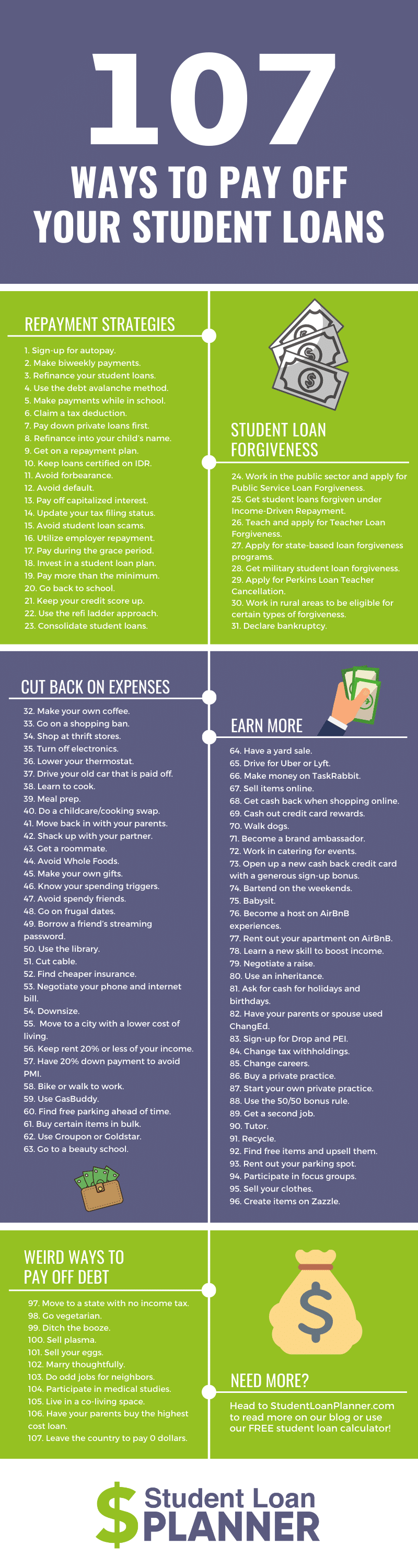
Refinancing is often a more viable and beneficial strategy for private student loans. If your credit score has improved since you first took out the loan, or if interest rates have dropped, you might qualify for a lower interest rate through refinancing. This can significantly reduce your monthly payment and the total interest you pay over the life of the loan. Shop around with multiple private lenders to compare rates and terms.
Hardship Options with Private Lenders
While not as comprehensive as federal options, some private lenders do offer limited hardship programs. These might include:
- Temporary Forbearance: Suspending payments for a short period (e.g., 3-6 months) due to job loss, illness, or other financial emergencies. Interest usually continues to accrue during this time.
- Payment Modifications: In rare cases, a lender might agree to temporarily lower your monthly payment by extending the loan term or offering interest-only payments.
Always inquire about these options before missing a payment, and be prepared to provide documentation of your financial hardship.
Optimizing Your Repayment Strategy
Beyond simply making your monthly payments, several strategies can help you accelerate your repayment, minimize interest, and achieve financial freedom faster.
Making Extra Payments
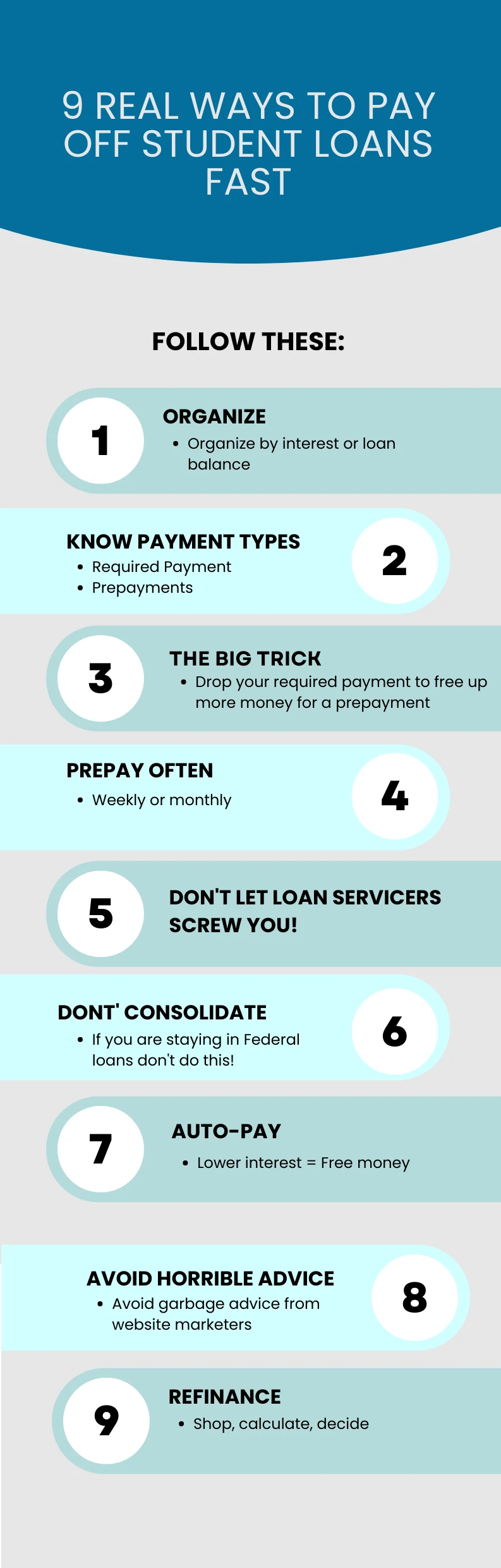
The most straightforward way to reduce total interest and pay off your loans faster is to make extra payments whenever possible. Ensure that any extra payments are applied directly to the principal balance of your highest-interest loan to maximize impact. Contact your servicer to confirm how extra payments are applied.
Bi-Weekly Payments
Instead of making one monthly payment, divide your monthly payment in half and pay that amount every two weeks. This results in 26 half-payments per year, which equates to 13 full monthly payments instead of 12. This subtle shift can shave years off your repayment timeline and save a significant amount in interest.
Avalanche vs. Snowball Method
These are two popular debt repayment strategies:
- Debt Avalanche: Focuses on paying off the loan with the highest interest rate first, while making minimum payments on all other loans. Once the highest-interest loan is paid off, you roll that payment amount into the next highest-interest loan. This method saves the most money on interest.
- Debt Snowball: Prioritizes paying off the smallest loan balance first, while making minimum payments on all other loans. Once the smallest loan is paid off, you roll that payment amount into the next smallest loan. This method provides psychological wins that can keep you motivated, though it may cost more in interest.
Choose the method that best aligns with your financial personality and goals.
Leveraging Employer Benefits
Some employers offer student loan assistance programs as part of their benefits package. This could include direct contributions to your loan principal, matching contributions, or access to refinancing platforms with negotiated rates. Check with your HR department to see if such benefits are available to you.
Automating Payments and Discounts
Many loan servicers offer a small interest rate reduction (typically 0.25%) if you sign up for automatic payments. This not only saves you money but also ensures you never miss a payment, protecting your credit score.
What to Do When You Can’t Pay
Life happens, and sometimes despite your best efforts, you might face a situation where you can’t afford your student loan payments. It’s crucial to act proactively and understand your options to avoid default.
Deferment and Forbearance
These are temporary pauses in your loan payments.
- Deferment: Allows you to postpone payments for specific reasons (e.g., unemployment, economic hardship, returning to school). Interest on subsidized federal loans does not accrue during deferment, but it usually does for unsubsidized and private loans.
- Forbearance: Allows you to temporarily stop or reduce your payments, but interest accrues on all loan types (subsidized and unsubsidized federal, and private) during forbearance. It’s typically granted for situations like financial difficulty or medical expenses.
Both options should be considered temporary solutions, as interest accrual can increase your total loan cost. Always exhaust deferment options first if available and if you have subsidized loans.
Exploring Loan Forgiveness Programs
Federal student loans offer several avenues for forgiveness, though they often come with strict eligibility requirements and long commitment periods.
- Public Service Loan Forgiveness (PSLF): Available to full-time employees of government or qualifying non-profit organizations. After 120 qualifying monthly payments (usually under an IDR plan), the remaining balance on Direct Loans may be forgiven, tax-free.
- Teacher Loan Forgiveness: For full-time teachers in low-income schools or educational service agencies. Can forgive up to $17,500 of Direct Subsidized and Unsubsidized Loans after five consecutive years of teaching.
- Total and Permanent Disability (TPD) Discharge: If you become totally and permanently disabled, you may be eligible to have your federal student loans discharged.
- Borrower Defense to Repayment: Forgiveness may be granted if your school misled you or engaged in misconduct related to your federal student loans.
Private student loans generally do not offer forgiveness programs, with rare exceptions in cases of permanent disability or death.
Seeking Professional Financial Advice
If you’re feeling overwhelmed or unsure about the best path forward, consider consulting a non-profit credit counseling agency or a fee-only financial advisor. They can provide personalized guidance, help you create a budget, and navigate complex repayment scenarios. Be wary of companies that promise quick fixes or charge hefty fees for services you can get for free from your loan servicer or the Department of Education.
Paying student loans is a marathon, not a sprint. By understanding your loan details, exploring the available repayment options, optimizing your strategy, and knowing what to do in times of hardship, you can navigate this financial responsibility with confidence and work towards a debt-free future. The key is to be proactive, stay informed, and commit to a plan that works for you.
aViewFromTheCave is a participant in the Amazon Services LLC Associates Program, an affiliate advertising program designed to provide a means for sites to earn advertising fees by advertising and linking to Amazon.com. Amazon, the Amazon logo, AmazonSupply, and the AmazonSupply logo are trademarks of Amazon.com, Inc. or its affiliates. As an Amazon Associate we earn affiliate commissions from qualifying purchases.