
In the landscape of personal finance, car insurance is often viewed as a mandatory monthly expense—a line item in a budget that many consumers pay with little thought until an accident occurs. However, viewed through the lens of strategic financial planning, car insurance is one of the most critical risk management tools an individual can possess. The “best” car insurance company is not merely the one with the cleverest marketing or the lowest introductory rate; it is the entity that offers the optimal balance of financial stability, comprehensive coverage, and long-term value.
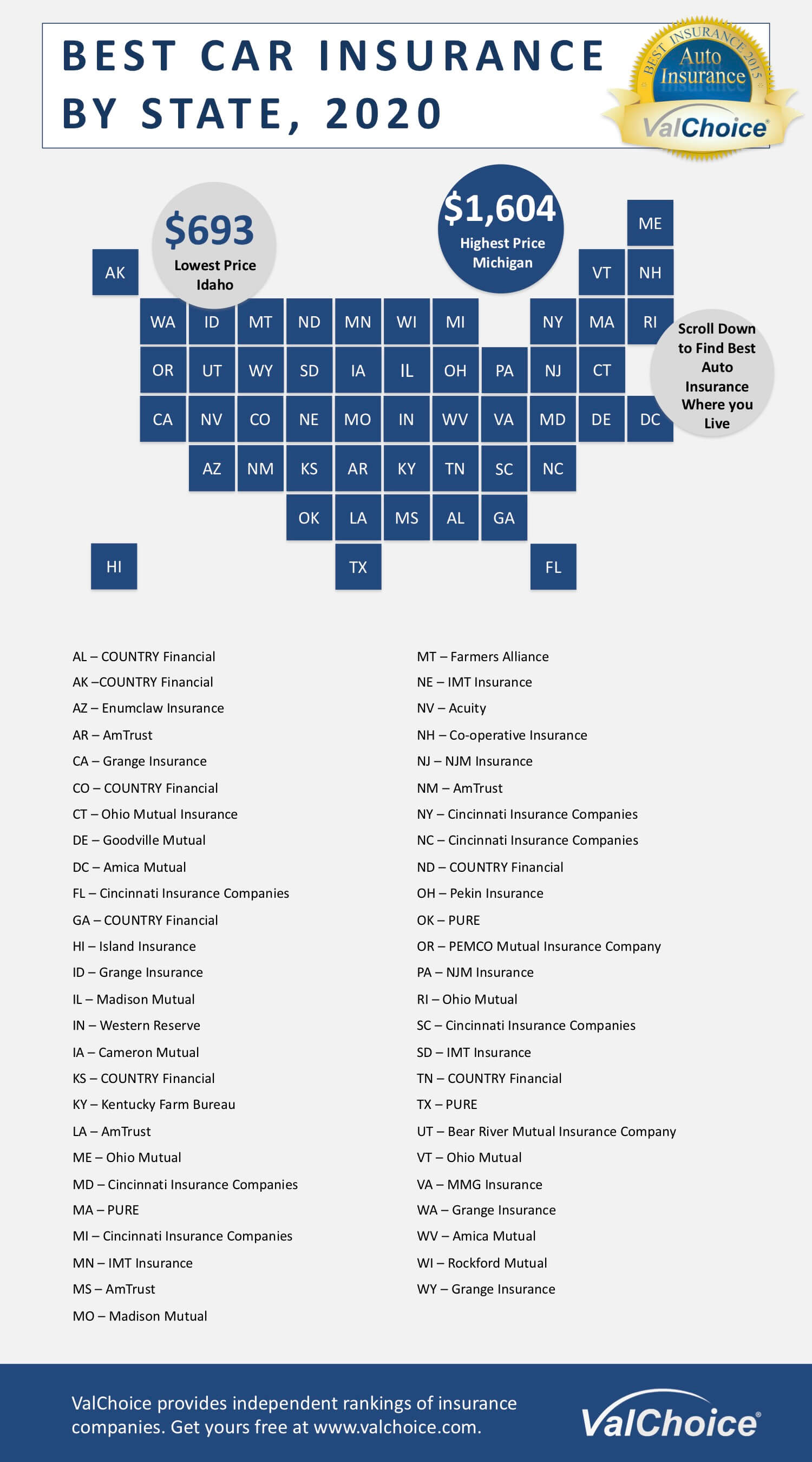
Selecting the right provider requires a deep dive into the mechanics of insurance as a financial product. It involves understanding how premiums affect your cash flow and how coverage limits protect your net worth from catastrophic litigation. This guide explores the top-tier car insurance companies from a strictly financial perspective, helping you navigate the complexities of the market to secure your economic future.
The Role of Auto Insurance in a Holistic Financial Plan
Before identifying specific companies, it is essential to understand why this choice is a cornerstone of personal finance. Car insurance serves as a hedge against “tail risk”—low-probability, high-impact events that could potentially bankrupt an individual. If you are found liable for a multi-car accident resulting in significant medical injuries, the costs can easily exceed hundreds of thousands of dollars. Without adequate insurance, your personal assets, including your home, savings, and even future earnings, could be at risk.
Risk Mitigation and Asset Protection
The primary function of car insurance is asset protection. While state laws require minimum liability coverage, these minimums are rarely sufficient for someone with a growing net worth. For instance, a state minimum of $25,000 for bodily injury will not cover a serious hospital stay. When evaluating the best insurance companies, you must look for those that allow you to scale your coverage limits efficiently. A financially savvy policyholder looks for “umbrella” integration—where your auto policy works in tandem with a personal excess liability policy to provide a seamless shield over your entire financial life.
Understanding Liability vs. Comprehensive Coverage
From a money management perspective, insurance is about deciding which risks to retain and which to transfer. “Liability” coverage transfers the risk of harming others to the insurance company. “Comprehensive” and “Collision” coverages protect the capital value of your vehicle. If you drive an older vehicle with a low market value, continuing to pay for comprehensive coverage may be a poor financial move; the premiums paid over two years might exceed the total value of the car. The best insurance companies provide the tools and transparency to help you make these cost-benefit analyses.
Quantitative Metrics for Evaluating Insurance Providers
To determine which company is truly the “best,” one must look beyond the premium price. In the world of finance, we use quantitative metrics to assess the reliability and value of a service provider. For an insurance company, these metrics include claims-paying ability, loss ratios, and price stability.
Premium Costs and Deductible Structures
The premium is the “cost of carry” for your insurance policy. However, the deductible is your “out-of-pocket” risk retention. A common financial strategy is to opt for a higher deductible—say $1,000 instead of $500—to lower the annual premium. Over time, the savings in premiums usually exceed the cost of the higher deductible, provided you have an emergency fund to cover the difference. The best companies offer a wide range of deductible options and “disappearing deductible” programs that reward long-term safe driving, effectively lowering your financial risk over time.
Financial Strength Ratings (AM Best, S&P)
A policy is only as good as the company’s ability to pay a claim. This is where financial ratings come into play. Organizations like AM Best and Standard & Poor’s (S&P) provide independent assessments of an insurer’s balance sheet. When choosing a provider, look for a rating of “A” (Excellent) or higher. Companies like State Farm and Berkshire Hathaway (Geico’s parent company) maintain massive capital reserves. In a major economic downturn or a period of high-frequency natural disasters, you want an insurer that is “too big to fail” or at least sufficiently capitalized to honor every claim without delay.
Identifying Top-Tier Providers by Financial Value
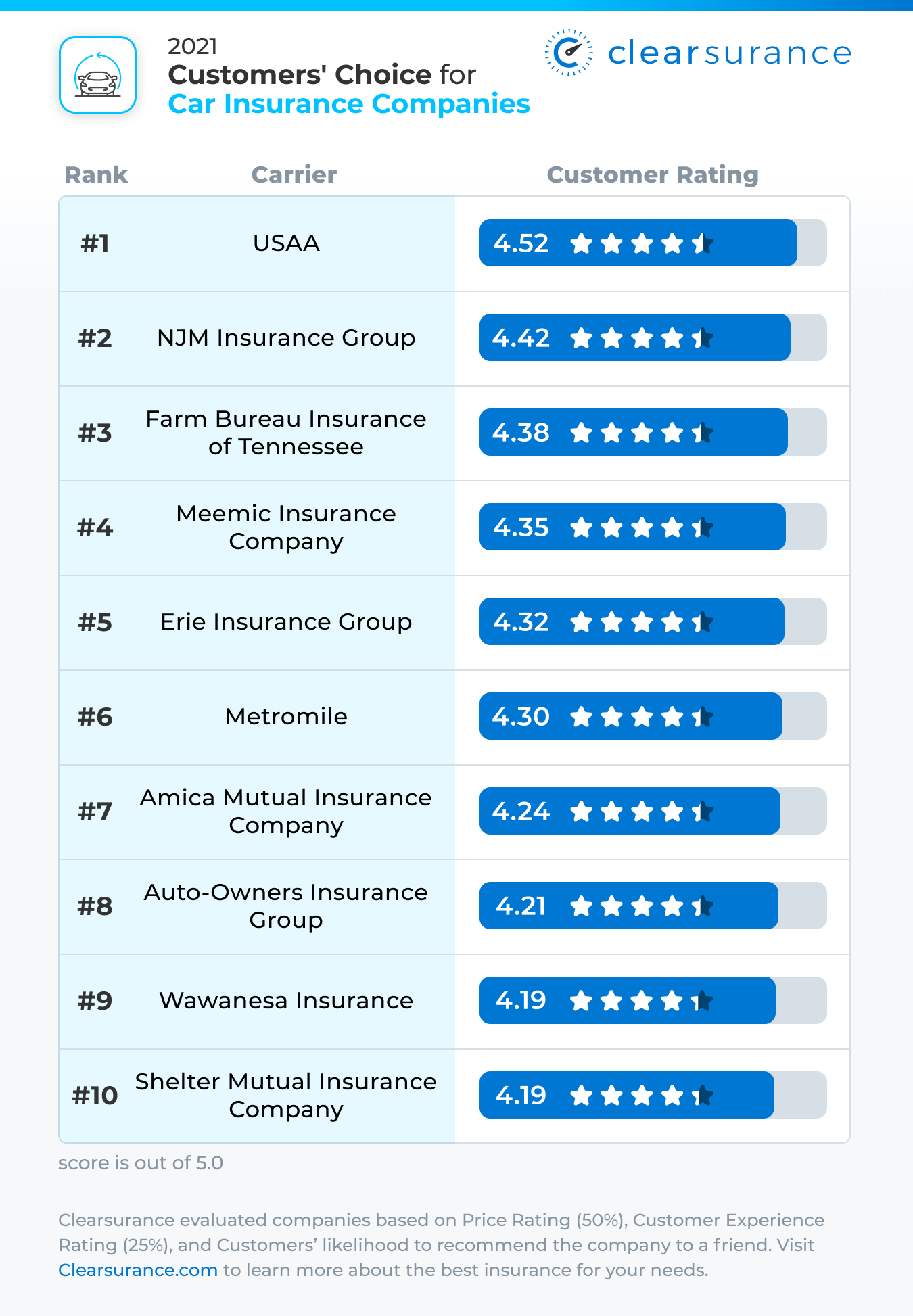
While the market is crowded, a few companies consistently stand out for their financial performance and value proposition. These companies are often categorized into market leaders (scale-based) and niche leaders (demographic-based).
The Market Leaders: Progressive, Geico, and State Farm
Progressive and Geico have revolutionized the insurance market through the use of sophisticated data analytics. From a financial standpoint, their ability to “price risk” accurately allows them to offer highly competitive rates to safe drivers.
- Geico is often the low-cost leader for individuals with standard driving profiles, benefiting from low overhead due to its direct-to-consumer model.
- Progressive excels for drivers with slightly more complex profiles, utilizing its “Name Your Price” tool to help consumers fit insurance into a strict monthly budget.
- State Farm, as a mutual company, is owned by its policyholders rather than shareholders. This structure often leads to high levels of customer retention and a focus on long-term financial stability rather than quarterly earnings.
Niche Leaders: USAA and Erie Insurance
For those who qualify, niche insurers often provide the best financial ROI.
- USAA is consistently ranked as the top insurer in the United States, but it is exclusively available to military members and their families. From a money perspective, USAA’s “Subscriber’s Savings Accounts” actually return a portion of the company’s profits to the policyholders in years where claims are low—a rare example of an insurance product acting almost like a dividend-paying investment.
- Erie Insurance is known for its “Erie Rate Protect” feature, which freezes your premium even after a claim, protecting your future cash flow from the volatility of rate hikes.
Strategies to Optimize Your Insurance Premiums
Securing the best insurance company is only half the battle; the other half is optimizing your profile to ensure you are receiving the best possible financial terms. Insurance is one of the few financial products where the consumer has a significant amount of control over the price they pay.
Bundling and Multi-Policy Discounts
The most effective way to lower the “per-unit” cost of insurance is through bundling. Insurance companies have high customer acquisition costs. To retain clients, they offer deep discounts—often 10% to 25%—if you bundle auto insurance with homeowners, renters, or life insurance. This not only simplifies your financial life by centralizing your bills but also significantly increases the “Total Value” of your insurance spend.
Leveraging Credit Scores and Driving Records
In most states, insurance companies use a “credit-based insurance score.” Statistically, there is a high correlation between financial responsibility (credit management) and physical responsibility (safe driving). By maintaining a high credit score, you signal to the insurer that you are a low-risk client, which can result in premiums that are hundreds of dollars lower than those of a peer with a poor credit score. Treat your insurance premium as an incentive to maintain your overall financial health.
The Future of Insurance: Telematics and Usage-Based Models
As technology and finance converge, the way we pay for car insurance is shifting from “actuarial averages” to “individual behavior.” This shift represents a significant opportunity for individuals looking to minimize their expenses through disciplined behavior.
How Pay-Per-Mile Can Save You Money
For remote workers or retirees who drive less than 8,000 miles a year, traditional insurance is often an inefficient use of capital. Companies like Metromile (now part of Lemonade) and Nationwide’s SmartMiles offer pay-per-mile structures. This allows you to convert a “fixed cost” into a “variable cost,” aligning your insurance expenses directly with your vehicle usage.

The Financial Impact of Telematics
Usage-based insurance (UBI) programs, such as Progressive’s Snapshot or State Farm’s Drive Safe & Save, use smartphone apps or plug-in devices to monitor driving habits. If you are a disciplined driver—avoiding hard braking and late-night driving—you can earn discounts of up to 30% or 40%. From a personal finance perspective, this is the equivalent of a “behavioral tax credit.” It rewards the low-risk consumer with lower costs, effectively penalizing the high-risk pool.
In conclusion, the best car insurance company is the one that aligns with your specific financial goals, offers ironclad protection for your assets, and provides a transparent path to lowering your costs through responsible behavior. By treating car insurance as a strategic financial asset rather than a burdensome expense, you can ensure that your journey toward long-term wealth is protected against the unforeseen risks of the road.
aViewFromTheCave is a participant in the Amazon Services LLC Associates Program, an affiliate advertising program designed to provide a means for sites to earn advertising fees by advertising and linking to Amazon.com. Amazon, the Amazon logo, AmazonSupply, and the AmazonSupply logo are trademarks of Amazon.com, Inc. or its affiliates. As an Amazon Associate we earn affiliate commissions from qualifying purchases.