
The question “how is Nasdaq doing today?” is a perennial one for investors, economists, and anyone tracking the pulse of the global financial markets. As the world’s second-largest stock exchange by market capitalization and home to a disproportionate number of the most influential technology and growth companies, the Nasdaq Composite and its brethren indices are often seen as barometers for innovation, investor sentiment, and future economic prospects. A glance at Nasdaq’s daily performance offers more than just numbers; it provides a snapshot of the prevailing economic winds, the impact of corporate news, and the shifting tides of investor confidence, all within the intricate framework of global finance.
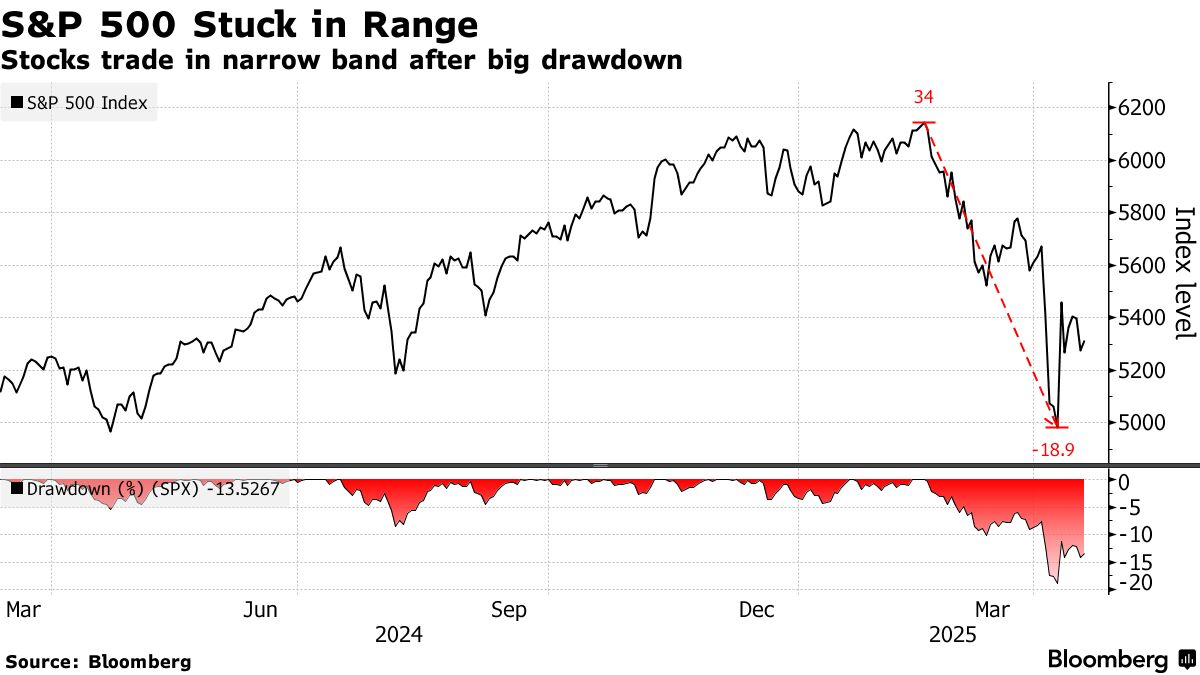
Understanding Nasdaq’s daily movements requires looking beyond the immediate percentage gains or losses. It demands an appreciation for the complex interplay of macroeconomic forces, sector-specific catalysts, and individual company dynamics. For many, Nasdaq serves as the frontier of investing, where disruptive technologies and high-growth potential promise significant returns, albeit often accompanied by higher volatility. Whether you’re a seasoned investor checking your portfolio, a financial analyst preparing a report, or simply curious about the health of the tech-driven economy, deciphering Nasdaq’s daily narrative is a critical exercise in financial literacy and strategic insight.
Understanding Nasdaq’s Daily Performance
To truly grasp how Nasdaq is doing on any given day, one must first comprehend its composition and the mechanisms that drive its fluctuations. It’s not merely a collection of stocks but a dynamic ecosystem reflecting broad economic trends and the specific fortunes of its constituent companies.
What is the Nasdaq Composite?
At the heart of “how Nasdaq is doing” lies the Nasdaq Composite Index. Unlike the Dow Jones Industrial Average, which is price-weighted and composed of 30 large, established companies, the Nasdaq Composite is a market-capitalization-weighted index that includes virtually all common stocks listed on the Nasdaq stock market. This broad scope, encompassing over 3,000 companies, gives it a unique sensitivity to overall market trends, especially those in the technology and growth sectors. Its weighting by market cap means that movements in larger companies, like Apple, Microsoft, Amazon, Google (Alphabet), and Meta (Facebook), have a more significant impact on the index’s daily performance. The Nasdaq 100, a subset of the Composite comprising the 100 largest non-financial companies listed on Nasdaq, is another widely followed benchmark, often used as a proxy for the performance of large-cap growth and technology stocks.
Key Drivers of Daily Movement
The daily movements of Nasdaq indices are a consequence of a myriad of factors, each contributing to the collective sentiment that drives buying and selling. Macroeconomic news often sets the stage; inflation reports, interest rate decisions from the Federal Reserve, employment data, GDP figures, and consumer confidence surveys can sway the market dramatically. Positive economic indicators might signal a robust economy, encouraging investment in growth stocks, while concerns over inflation or an impending recession could trigger risk-off sentiment, leading to sell-offs.
Corporate earnings reports are another powerful catalyst. For individual stocks and, by extension, the entire index, an earnings beat or miss can send shares soaring or plummeting. Given Nasdaq’s concentration of technology companies, these reports often provide insights into spending habits, innovation cycles, and industry-specific challenges or opportunities. Furthermore, geopolitical events—such as trade disputes, political instability, or international conflicts—can introduce uncertainty, prompting investors to seek safer assets and reduce exposure to riskier growth stocks. Even commodity prices, particularly oil, can indirectly impact Nasdaq companies through production costs or consumer spending power.
Where to Find Real-Time Data
For investors and market watchers, accessing real-time data is crucial for assessing Nasdaq’s current status. Numerous platforms and outlets provide this information. Major financial news websites like Bloomberg, Reuters, The Wall Street Journal, Yahoo Finance, and CNBC offer live index tracking, stock quotes, market commentary, and breaking news. Brokerage platforms provide granular data for their users, including advanced charting tools, historical data, and personalized portfolio tracking. Additionally, stock market apps for mobile devices offer convenient, on-the-go access to real-time quotes and news feeds, enabling investors to stay informed throughout the trading day. These resources allow for an immediate understanding of whether Nasdaq is trending up, down, or sideways, and often provide the context needed to interpret those movements.
Decoding Today’s Market Trends on Nasdaq
Delving deeper into Nasdaq’s daily performance involves dissecting the specific trends and events that are shaping the market in the immediate term. This requires an analytical eye on both broad economic forces and individual company narratives.
Macroeconomic Influences Shaping the Day
Every trading day on Nasdaq unfolds against a backdrop of macroeconomic forces. Today, specific concerns or optimistic outlooks will invariably be driving market sentiment. For instance, if the latest inflation data comes in higher than expected, it could signal that the Federal Reserve might maintain or even increase interest rates, which typically dampens the enthusiasm for growth stocks by raising borrowing costs and diminishing the present value of future earnings. Conversely, a report indicating cooling inflation might spark a rally. Employment figures, such as the jobless claims or non-farm payrolls, also provide critical insights into the health of the labor market, impacting consumer spending power and, consequently, corporate revenues. The ongoing narrative surrounding central bank policy—whether the Fed is perceived as hawkish or dovish—is a constant undercurrent, influencing everything from bond yields to investor appetite for risk. These overarching themes dictate the market’s risk-on or risk-off posture for the day.
Sectoral Performance: Tech’s Leading Role
Given Nasdaq’s heavy concentration in the technology sector, the performance of tech stocks is paramount. On any given day, specific tech sub-sectors might lead or lag. We might see semiconductor stocks reacting to news regarding global chip supply or demand, with companies like Nvidia or AMD showing significant movement. The AI revolution continues to be a major theme, and news related to advancements in artificial intelligence, new product launches, or competitive dynamics among AI leaders (e.g., Microsoft, Google) can ripple across the entire tech landscape. Software-as-a-Service (SaaS) companies, cybersecurity firms, and cloud computing providers are also closely watched, with their quarterly reports and guidance often serving as bellwethers for enterprise spending and digital transformation trends. A strong showing from these tech giants can pull the entire index higher, while weakness can quickly drag it down, underscoring tech’s disproportionate influence.
Impact of Corporate Earnings and News
Beyond the broad strokes, individual corporate earnings announcements and specific company news can dramatically shape Nasdaq’s daily trajectory. For example, if a major constituent like Apple or Amazon reports quarterly results today that significantly beat or miss expectations, or provides surprisingly strong or weak guidance for the upcoming quarter, its stock price can experience considerable volatility. Due to their heavy weighting in the index, such movements have a noticeable effect on the Nasdaq Composite. Beyond earnings, other forms of corporate news can also move markets: a significant merger or acquisition announcement (M&A), a groundbreaking product launch, a major regulatory ruling against a tech giant, or even executive leadership changes can trigger substantial stock price reactions. These company-specific events often add layers of complexity to the daily market narrative, requiring investors to stay abreast of both macro trends and micro developments.
Implications for Investors and the Broader Economy
Understanding Nasdaq’s daily machinations is not just an academic exercise; it has tangible implications for both individual investors shaping their financial futures and economists assessing the broader health of the economy.
Short-Term Volatility vs. Long-Term Strategy
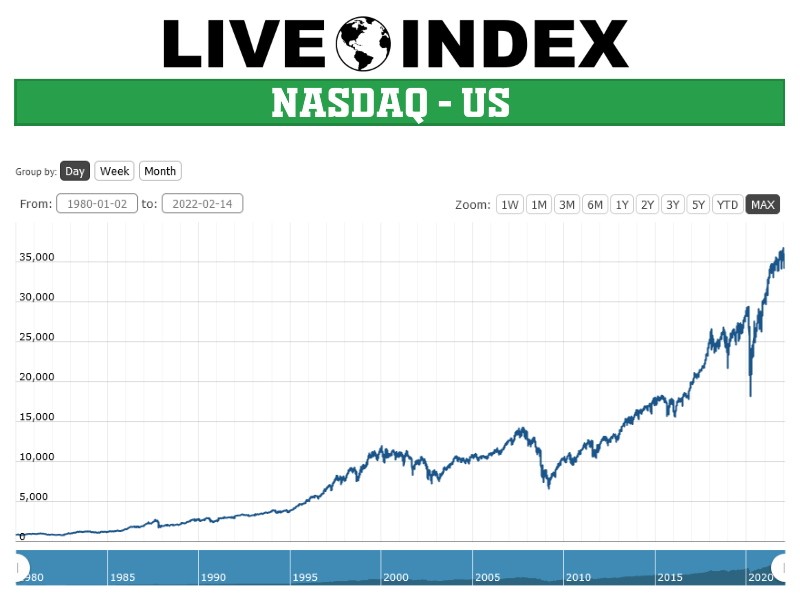
Nasdaq, particularly its growth-oriented companies, is known for its volatility. A 2% or 3% move in either direction on a given day is not uncommon. For individual investors, it’s crucial to differentiate between short-term market noise and long-term investment strategy. Reacting emotionally to daily ups and downs can lead to poor decision-making, such as selling during a dip and missing the subsequent recovery, or buying into hype at a peak. A robust long-term strategy, typically involving a diversified portfolio and a clear investment thesis, allows investors to weather these daily fluctuations. Historically, despite periods of significant downturns, the Nasdaq Composite has demonstrated remarkable resilience and growth over decades, rewarding patient investors. The daily “how is Nasdaq doing” question, while important for context, should rarely be the sole determinant of investment actions for those with a multi-year horizon.
Diversification and Risk Management in a Tech-Centric Market
The dominance of technology companies on Nasdaq, while offering substantial growth potential, also highlights the importance of diversification and risk management. An overconcentration in a single sector, even one as dynamic as tech, can expose an investor to undue risk should that sector face headwinds. A well-diversified portfolio might include exposure to other sectors (e.g., healthcare, industrials, financials, consumer staples) and asset classes (e.g., bonds, real estate) that may not be as directly correlated with tech performance. For those specifically targeting Nasdaq-listed companies, internal diversification within the tech sector—across different sub-industries, market caps, and business models—is also crucial. Utilizing strategies like dollar-cost averaging, where one invests a fixed amount regularly regardless of market movements, can also mitigate the risk of timing the market incorrectly and capitalize on market volatility over time.
Nasdaq as a Bellwether for Innovation and Growth
Beyond investment returns, Nasdaq serves a vital role as a bellwether for innovation and economic growth. The companies listed on Nasdaq are often at the forefront of technological advancement, driving progress in areas like artificial intelligence, biotechnology, sustainable energy, and digital commerce. Their performance often reflects the market’s assessment of future economic potential and the willingness of capital to fund disruptive ideas. When Nasdaq is performing well, it often signals investor confidence in the future trajectory of technology and the broader economy’s capacity for growth. Conversely, sustained weakness might suggest concerns about the pace of innovation, regulatory hurdles, or an environment less conducive to high-growth ventures. Thus, monitoring Nasdaq is not just about tracking stock prices; it’s about observing the dynamic interplay between capital, innovation, and the evolution of the global economy.
Navigating the Future: Outlook for Nasdaq Investors
Looking beyond today’s performance, what does the future hold for Nasdaq and those invested in its promising, yet sometimes turbulent, landscape? Navigating this dynamic environment requires a forward-looking perspective, anticipating catalysts, and adopting prudent strategies.
Anticipating Future Catalysts and Headwinds
The future performance of Nasdaq will be shaped by a combination of ongoing trends and emerging events. Technological breakthroughs remain a primary catalyst. Continued advancements in AI, quantum computing, biotechnology, and renewable energy could unlock new markets and drive exponential growth for leading companies. However, regulatory scrutiny on large tech companies, especially concerning antitrust, data privacy, and competition, presents a potential headwind that could impact business models and profitability. Interest rate policy from central banks will continue to be a dominant factor; any shifts in the Federal Reserve’s stance on inflation and rates will directly influence the valuation of growth stocks. Geopolitical developments, global economic growth rates, and shifts in consumer and enterprise spending patterns will also play critical roles. Investors must remain vigilant, monitoring these macro and micro forces to anticipate their impact on Nasdaq-listed companies.
Strategies for Prudent Investing in a Dynamic Environment
In such a fluid market, prudent investing requires discipline and adaptability. Staying informed is paramount, consuming diverse financial news and analysis to build a comprehensive understanding of market drivers. Regular portfolio review and rebalancing are essential to ensure that one’s asset allocation remains aligned with risk tolerance and investment goals. If a particular sector or stock has outperformed significantly, it might be prudent to trim some gains to reallocate to underperforming areas or maintain desired diversification levels. For long-term investors, continuing to dollar-cost average into high-quality growth companies remains a robust strategy to build wealth over time, mitigating the impact of market timing. Emphasizing companies with strong balance sheets, sustainable competitive advantages, and proven management teams can also provide a buffer against market volatility.

The Enduring Appeal of Growth Stocks
Despite the inherent volatility and periods of correction, the enduring appeal of growth stocks on Nasdaq remains strong. These companies, by their very nature, are often at the forefront of innovation, developing products and services that redefine industries and enhance daily life. While their valuations can sometimes appear stretched based on traditional metrics, their potential for future earnings expansion and market disruption can justify these premiums over the long term. For investors seeking significant capital appreciation, a thoughtful allocation to growth-oriented companies within Nasdaq remains a core component of a well-rounded portfolio. The ability of these firms to adapt, innovate, and capture new market share ensures that Nasdaq will continue to be a critical indicator of economic progress and a fertile ground for investment opportunities well into the future.
aViewFromTheCave is a participant in the Amazon Services LLC Associates Program, an affiliate advertising program designed to provide a means for sites to earn advertising fees by advertising and linking to Amazon.com. Amazon, the Amazon logo, AmazonSupply, and the AmazonSupply logo are trademarks of Amazon.com, Inc. or its affiliates. As an Amazon Associate we earn affiliate commissions from qualifying purchases.