
The question of when interest rates will begin their descent has become a pervasive query, echoing through boardrooms, kitchen tables, and investment forums alike. After a period of aggressive monetary tightening by central banks worldwide to combat surging inflation, the global economy finds itself in a precarious balance. High interest rates, while effective in cooling an overheated economy, also present significant challenges for borrowers, businesses, and economic growth. Understanding the trajectory of interest rates requires a deep dive into the complex interplay of economic indicators, central bank mandates, and geopolitical forces. There’s no crystal ball, but by analyzing the key drivers, we can form more informed expectations and prepare for potential shifts.
Understanding the Current Economic Landscape
To comprehend when interest rates might fall, we must first grasp why they rose and the current state of play. Central banks, like the U.S. Federal Reserve, the European Central Bank, and the Bank of England, utilize interest rates as their primary tool to manage economic stability, with a dual mandate often centered on price stability (controlling inflation) and maximum sustainable employment.
The Role of Central Banks and Monetary Policy
Central banks adjust a key policy rate (e.g., the federal funds rate in the US) which influences borrowing costs across the entire financial system. When inflation accelerates, central banks typically raise this rate to make borrowing more expensive, thereby slowing down spending and investment. This reduces demand, which in turn should alleviate price pressures. Conversely, when the economy is sluggish or facing deflationary risks, central banks lower rates to encourage borrowing, spending, and economic activity. The recent cycle saw an unprecedented pace of rate hikes globally, moving from near-zero levels to multi-decade highs, specifically to rein in inflation that spiked after pandemic-era fiscal stimulus and supply chain disruptions.
The Fight Against Inflation
The primary catalyst for the current high-interest rate environment was persistent and elevated inflation. Following years of low inflation, the post-pandemic period saw a surge in consumer demand, exacerbated by supply chain bottlenecks, energy price shocks, and robust labor markets. Central banks responded decisively, raising rates to bring inflation back towards their target levels, typically around 2%. This aggressive tightening aimed to cool demand, curb wage-price spirals, and anchor inflation expectations. While headline inflation has shown signs of moderation, often due to falling energy prices and easing supply chains for goods, core inflation (which excludes volatile food and energy components) has proven stickier, particularly in the services sector. This “stickiness” is a key concern for central bankers, signaling that the job of taming inflation is not yet complete.
Key Economic Indicators to Watch
Central banks are data-dependent, meaning their decisions are heavily influenced by a range of economic indicators. Monitoring these can provide clues about future rate movements:
- Inflation Data (CPI, PPI, PCE): The Consumer Price Index (CPI), Producer Price Index (PPI), and Personal Consumption Expenditures (PCE) index are crucial for tracking price changes. A sustained downward trend in these indicators, especially core measures, is necessary before rate cuts can be considered.
- Labor Market Reports (Unemployment Rate, Job Growth, Wage Growth): A strong labor market, characterized by low unemployment and robust wage growth, can fuel inflation. Central banks will want to see some softening here, but not a collapse, to ensure a “soft landing.”
- GDP Growth: Gross Domestic Product (GDP) measures economic output. While central banks aim for growth, excessively rapid growth can be inflationary. A slowdown in growth, particularly if accompanied by falling inflation, could pave the way for rate cuts.
- Consumer Spending and Business Investment: These indicators reflect the health of demand in the economy. A significant contraction could signal an impending recession, potentially forcing central banks to lower rates.
- Manufacturing and Services PMIs: Purchasing Managers’ Indices provide a forward-looking view of economic activity. Declining PMIs suggest economic contraction, which might prompt a dovish shift.
Factors Influencing Future Rate Decisions
The path forward for interest rates is not predetermined. A multitude of interconnected factors will shape central bank decisions in the coming months and quarters.
Persistent Inflationary Pressures vs. Disinflationary Trends
The central tension in current economic forecasts is between persistent inflationary pressures and emerging disinflationary trends. While some components of inflation, such as goods prices, have decelerated significantly due to improved supply chains and weaker demand, other areas remain elevated. Service sector inflation, driven by labor costs and rents, has proven particularly resilient. Wage growth, while easing in some regions, remains strong enough in others to concern central bankers that it could contribute to a wage-price spiral. Until central banks are confident that inflation is not just falling but is sustainably moving back to their 2% target, they are likely to maintain a cautious stance.
Labor Market Strength
The resilience of global labor markets has been a pleasant surprise for many economists but also a potential impediment to rapid rate cuts. Low unemployment rates and robust job creation can keep upward pressure on wages, making it harder for inflation to return to target. Central banks face a delicate balancing act: they want to see a moderation in labor demand and wage growth to curb inflation, but without triggering a sharp rise in unemployment and a deep recession. A gradual cooling of the labor market, rather than a sudden freeze, is the ideal scenario for a “soft landing” and subsequent rate cuts.
Geopolitical Events and Supply Chain Resilience
External shocks have a significant impact on inflation and economic stability. Geopolitical tensions, such as ongoing conflicts or trade disputes, can disrupt global supply chains, drive up commodity prices (especially energy and food), and inject uncertainty into financial markets. Any major escalation or new crisis could easily reignite inflationary pressures, forcing central banks to keep rates higher for longer or even reverse course on potential cuts. Conversely, a period of global stability and improved supply chain resilience would be conducive to disinflation and more accommodative monetary policy.
Government Fiscal Policy
The interaction between government spending and monetary policy is another critical factor. Large government deficits and increased public spending can stimulate demand, potentially counteracting the disinflationary effects of higher interest rates. If governments continue to run expansive fiscal policies, central banks might feel compelled to maintain tighter monetary policy for longer to prevent inflation from re-emerging. Conversely, fiscal consolidation efforts could aid central banks in their fight against inflation, potentially allowing for earlier rate cuts.

Potential Scenarios for Interest Rate Trajectories
While precise timing is elusive, economists and market participants generally consider a few broad scenarios for how interest rates might evolve.
The “Soft Landing” Scenario
This is the most hoped-for outcome: inflation gradually subsides to target levels without a significant economic downturn or recession. In this scenario, central banks would begin to cut rates in a measured fashion, perhaps starting in late 2024 or early 2025, as evidence mounts that their inflation fight has been successful and the economy is gently slowing. Rate cuts would be gradual, aimed at normalizing policy rather than aggressively stimulating a collapsing economy. This path relies on a delicate balance of moderating demand, easing wage pressures, and stable geopolitical conditions.
The “Hard Landing” Scenario
A “hard landing” implies that the aggressive rate hikes tip the economy into a recession. If growth stalls sharply, unemployment rises significantly, and corporate earnings decline, central banks would likely be compelled to cut rates more aggressively and swiftly. These cuts would be a response to economic distress, aimed at stimulating activity and preventing a deeper downturn. The timing of such cuts would depend on the severity and duration of the recession, potentially starting earlier than in a soft landing scenario but driven by less desirable economic conditions.
The “Higher for Longer” Scenario
This scenario suggests that inflation proves more persistent than anticipated, perhaps due to ongoing supply shocks, strong wage growth, or resilient consumer demand. In this case, central banks might decide to keep interest rates elevated for a longer period, potentially extending through 2025 or even beyond, to ensure inflation is truly beaten. This would imply that the market’s current expectations for rate cuts are too optimistic. This scenario would be challenging for highly indebted businesses and consumers but could offer continued benefits to savers and those invested in short-term fixed income.
Market Expectations vs. Central Bank Dot Plots
It’s common for market expectations (derived from futures contracts and analyst forecasts) to diverge from central banks’ own projections (often presented in “dot plots” that show individual policymakers’ rate forecasts). Historically, markets tend to price in rate cuts sooner and more aggressively than central banks indicate, especially if they anticipate a rapid economic slowdown. However, central banks often prioritize their inflation mandate, signaling a “higher for longer” stance until the data unequivocally supports a pivot. Understanding this potential gap is crucial for investors and businesses making financial plans.
Implications for Personal Finance and Business
Regardless of the precise timing, the current and anticipated interest rate environment has significant implications across personal finance and business.
For Savers and Investors
High-interest rates have been a boon for savers, with high-yield savings accounts, money market funds, and Certificates of Deposit (CDs) offering attractive returns not seen in over a decade. For investors, fixed-income instruments like bonds have become more appealing, offering competitive yields. However, equities can face headwinds as higher borrowing costs impact corporate profitability and make bonds a more competitive alternative. Investors must carefully assess their risk tolerance and investment horizons, potentially favoring dividend-paying stocks or value stocks over growth stocks in a higher-rate environment.
For Borrowers (Mortgages, Loans, Credit Cards)
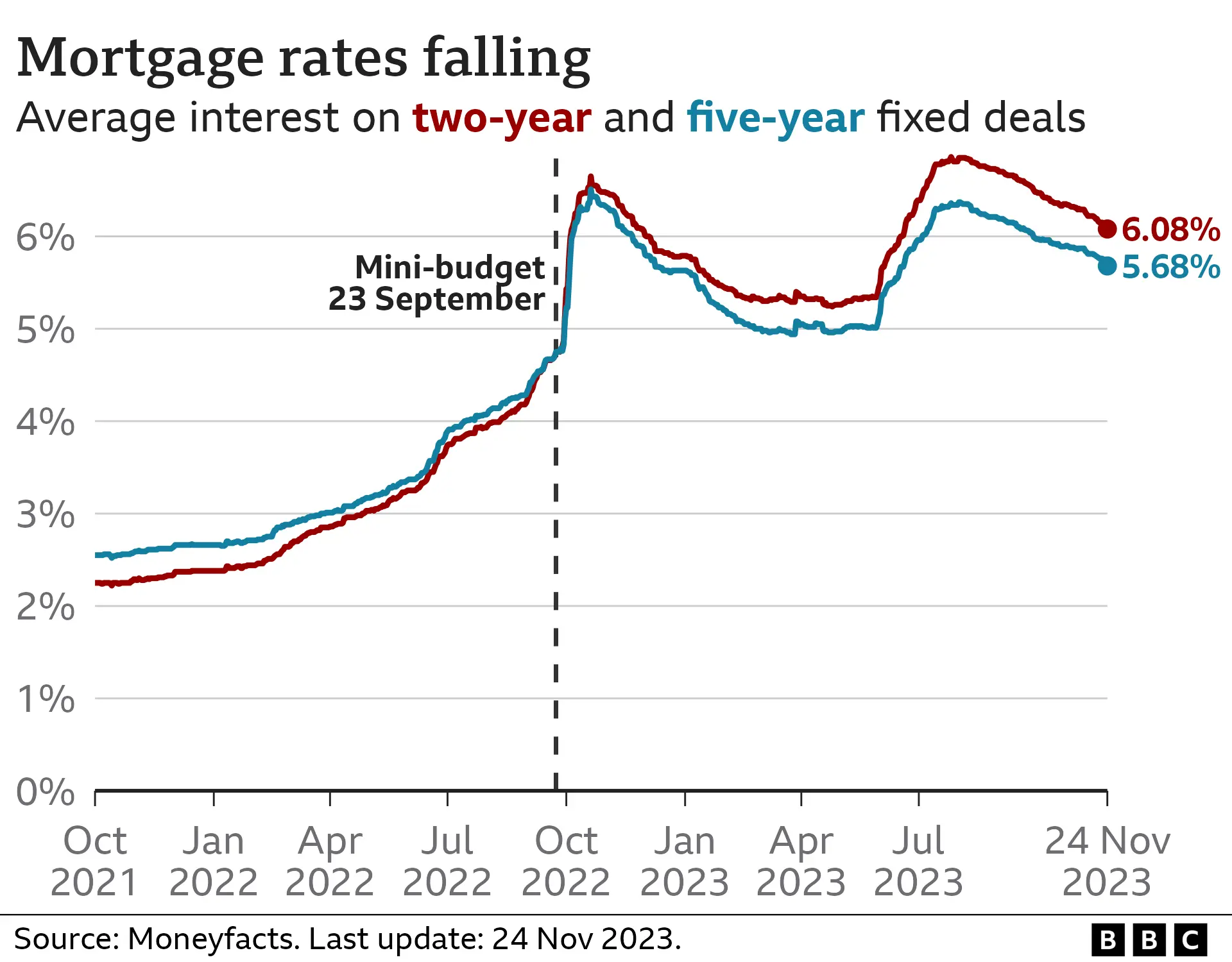
Borrowers have felt the pinch of higher rates most acutely. Mortgage rates have soared, making homeownership less affordable and refinancing less attractive. Personal loans, auto loans, and especially credit card interest rates have also increased, raising the cost of debt. Individuals with variable-rate debt should prioritize paying it down. Those considering new loans or mortgages should factor in the higher costs and explore all options for locking in rates or managing their debt burden. Financial prudence, including diligent budgeting and debt management, is paramount.
For Businesses
Businesses face increased borrowing costs, which can stifle investment, expansion plans, and overall profitability. Startups and small businesses reliant on external funding may find capital more expensive and harder to access. Corporations with significant debt burdens may see their interest expenses rise, impacting their bottom line. Conversely, businesses with strong balance sheets and less reliance on debt may be more resilient. The environment encourages operational efficiency, cash flow management, and strategic capital allocation.
Strategic Planning in an Uncertain Environment
Given the uncertainty, both individuals and businesses need to adopt a flexible and proactive approach to financial planning. This includes stress-testing budgets against various interest rate scenarios, diversifying investment portfolios, and maintaining adequate emergency funds. Consulting with financial advisors can help tailor strategies to individual circumstances, ensuring preparedness for whatever direction interest rates may take. The key is to stay informed, adapt to evolving economic signals, and make decisions that align with long-term financial goals.
Conclusion
The question of “when will interest rates go down” is less about a specific date and more about a complex set of economic conditions aligning. Central banks are likely to maintain their cautious stance, prioritizing their fight against inflation until they are confident it is sustainably returning to target. While market expectations for rate cuts often run ahead of official guidance, the actual trajectory will be dictated by the evolution of inflation, the health of the labor market, geopolitical stability, and overall economic growth. By understanding these critical factors, individuals and businesses can better anticipate potential shifts, adapt their financial strategies, and navigate this uncertain economic landscape with greater confidence and resilience.
aViewFromTheCave is a participant in the Amazon Services LLC Associates Program, an affiliate advertising program designed to provide a means for sites to earn advertising fees by advertising and linking to Amazon.com. Amazon, the Amazon logo, AmazonSupply, and the AmazonSupply logo are trademarks of Amazon.com, Inc. or its affiliates. As an Amazon Associate we earn affiliate commissions from qualifying purchases.