
Buying a home is often the largest financial commitment an individual or family will make in their lifetime. It’s an exciting milestone, representing stability, investment, and a place to create lasting memories. However, the path to homeownership can seem daunting, especially when navigating the complexities of securing a home loan. Many prospective buyers feel overwhelmed by the paperwork, terminology, and the sheer number of steps involved.
This comprehensive guide is designed to demystify the home loan application process, providing a clear, step-by-step roadmap for aspiring homeowners. We’ll delve into everything from preparing your finances and understanding loan types to submitting your application and navigating the closing process. By equipping yourself with knowledge and a strategic approach, you can transform a potentially stressful experience into a streamlined journey toward owning your dream home. Our aim is to empower you with the insights needed to make informed decisions, minimize stress, and ultimately secure a home loan that perfectly aligns with your financial goals and lifestyle.
Understanding Your Readiness and Eligibility
Before you even think about looking at properties or approaching lenders, it’s crucial to take a realistic look at your current financial situation and understand what lenders typically look for. This foundational step ensures you’re not just ready to apply, but also eligible for the best possible terms.
Assessing Your Financial Health
Your financial health is the bedrock of your home loan application. Lenders scrutinize several key areas to gauge your ability to manage a significant mortgage commitment.
- Credit Score and History: This is perhaps the most critical factor. Your credit score (FICO score is commonly used) is a numerical representation of your creditworthiness, reflecting your history of borrowing and repaying debt. A higher score (generally 740 and above) signals lower risk to lenders, often translating into more favorable interest rates. Lenders will also review your full credit report for any delinquencies, bankruptcies, or high credit utilization. It’s wise to obtain copies of your credit report from all three major bureaus (Experian, Equifax, Transunion) well in advance to dispute any inaccuracies.
- Debt-to-Income (DTI) Ratio: Your DTI ratio is a percentage that compares your total monthly debt payments to your gross monthly income. Lenders typically prefer a DTI ratio below 36%, though some programs may allow up to 43% or even 50% for qualified buyers. This ratio is crucial because it indicates how much of your income is already committed to other debts, and thus, how much is left to cover a mortgage payment.
- Savings for Down Payment and Closing Costs: While there are low-down-payment options available, having a substantial down payment (traditionally 20% to avoid Private Mortgage Insurance or PMI) is beneficial. Lenders also require funds for closing costs, which can range from 2% to 5% of the loan amount. Demonstrating that you have these funds readily available, often in a liquid savings account, reassures lenders of your financial stability.
- Employment Stability and Income Verification: Lenders want to see a consistent employment history, typically for at least two years in the same field or with the same employer. They will verify your income through pay stubs, W-2 forms, and potentially tax returns for self-employed individuals. Stable income gives lenders confidence in your ability to make consistent mortgage payments.
Key Eligibility Criteria for Home Loans
Beyond your personal financial health, various external factors and program-specific rules determine your eligibility for different types of home loans.
- Loan Types and Their Requirements:
- Conventional Loans: These are not government-backed and often require good to excellent credit. They typically offer more flexibility but may require a higher down payment if you wish to avoid PMI.
- FHA Loans: Backed by the Federal Housing Administration, these loans are popular for first-time homebuyers due to more lenient credit requirements and lower down payments (as little as 3.5%). However, they require mortgage insurance premiums (MIP) for the life of the loan.
- VA Loans: Offered to eligible service members, veterans, and surviving spouses, VA loans are known for requiring no down payment and no private mortgage insurance. They also feature competitive interest rates.
- USDA Loans: Backed by the U.S. Department of Agriculture, these loans are for low-to-moderate income borrowers in eligible rural and suburban areas. They often require no down payment.
- Jumbo Loans: For loan amounts exceeding conventional loan limits, jumbo loans cater to higher-priced properties and typically have stricter eligibility criteria, including higher credit scores and larger down payments.
- Property Type and Location: The type of property (single-family home, condo, multi-family, manufactured home) and its location can influence loan eligibility. Some loan programs have specific requirements or restrictions based on property characteristics or designated areas.
- Occupancy Requirements: Most primary home loans are for properties you intend to occupy as your primary residence. Lenders distinguish between primary residences, secondary homes, and investment properties, with different terms and eligibility for each.
By thoroughly assessing these factors, you can get a realistic picture of your borrowing power and identify any areas that need improvement before you officially begin the application process.
The Pre-Application Phase: Preparation and Research
Once you have a solid understanding of your financial standing and potential eligibility, the next phase involves meticulous preparation and thorough research. This stage is crucial for streamlining the actual application and ensuring you secure the most advantageous loan terms.
Gathering Essential Documents
The home loan application process is notoriously document-heavy. Having everything organized and ready beforehand will save you significant time and stress. Lenders will require documentation to verify every aspect of your financial life.
- Personal Identification: Government-issued ID (driver’s license, passport), Social Security card.
- Income Verification:
- Last two years of W-2 forms (if employed).
- Recent pay stubs (typically 30-60 days’ worth).
- If self-employed: Last two years of federal tax returns (all schedules), profit and loss statements, and business bank statements.
- Proof of other income: Social Security benefits, pension, alimony, child support, etc.
- Asset Verification:
- Last two to three months of bank statements (checking, savings) for all accounts.
- Investment account statements (401k, IRA, brokerage accounts).
- Gift letters (if receiving funds for down payment or closing costs from family/friends).
- Debt Documentation:
- Statements for all existing loans (student loans, auto loans, personal loans).
- Credit card statements.
- Other recurring debt obligations (alimony, child support payments).
- Residential History:
- Proof of previous addresses (utility bills, previous lease agreements).
- Landlord contact information if you rent.
It’s advisable to create a dedicated folder, either physical or digital, for all these documents. Be prepared to provide updated versions as your application progresses.
Researching Lenders and Loan Types
Not all lenders are created equal, and not all loan products will suit your specific needs. This research phase is critical for finding the right fit.
- Types of Lenders:
- Banks (Retail Banks): Large financial institutions offering a wide range of products. They might have competitive rates and established processes but can sometimes be less flexible.
- Credit Unions: Member-owned non-profit organizations often offering personalized service and potentially lower fees or better rates for their members.
- Mortgage Brokers: Intermediaries who work with multiple lenders to find you the best loan product and rate. They can be invaluable for finding niche products or for borrowers with unique financial situations.
- Online Lenders: Streamlined, often technology-driven application processes that can lead to quick approvals and competitive rates, but might offer less personalized service.
- Comparing Loan Offers: Don’t just focus on the interest rate. Look at the Annual Percentage Rate (APR), which includes fees and other costs, giving a more accurate picture of the total cost of borrowing. Compare origination fees, closing costs, points (if any), and potential prepayment penalties. A difference of even a quarter of a percentage point in interest rate can save tens of thousands of dollars over the life of a loan.
- Understanding Lender Reputation and Customer Service: Read reviews, ask for referrals, and gauge the lender’s responsiveness and transparency. A good lender will communicate clearly and answer all your questions thoroughly.
Getting Pre-Approved vs. Pre-Qualified
These terms are often used interchangeably, but there’s a significant difference.
- Pre-Qualification: This is an informal assessment based on information you provide verbally or through a simple online form. It gives you a rough estimate of what you might be able to borrow. It’s a good starting point for understanding your potential, but carries no guarantee.
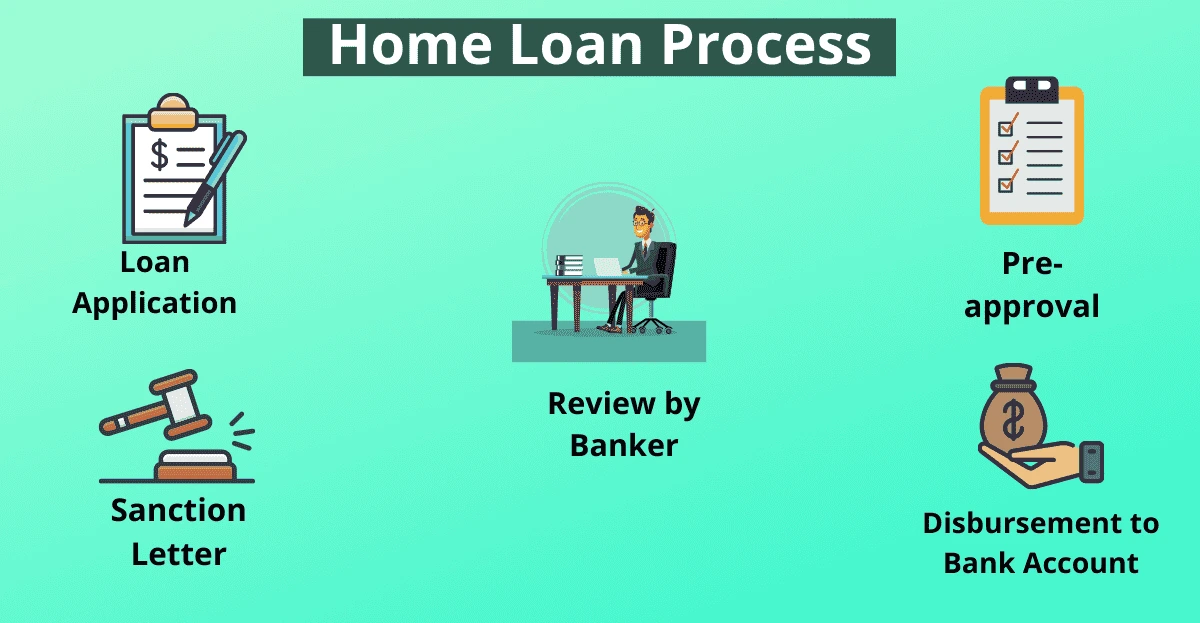
- Pre-Approval: This is a much more robust process where a lender verifies your financial information (income, credit, assets) and commits to lending you a specific amount, subject to an appraisal of the property you choose. A pre-approval letter is a powerful tool when house hunting, signaling to sellers that you are a serious and qualified buyer, which can give you an edge in competitive markets. It’s highly recommended before you start seriously looking at homes.
Securing a pre-approval provides clarity on your budget and strengthens your position as a buyer, setting the stage for a smoother application when you find your ideal home.
The Application Process: Step-by-Step Submission
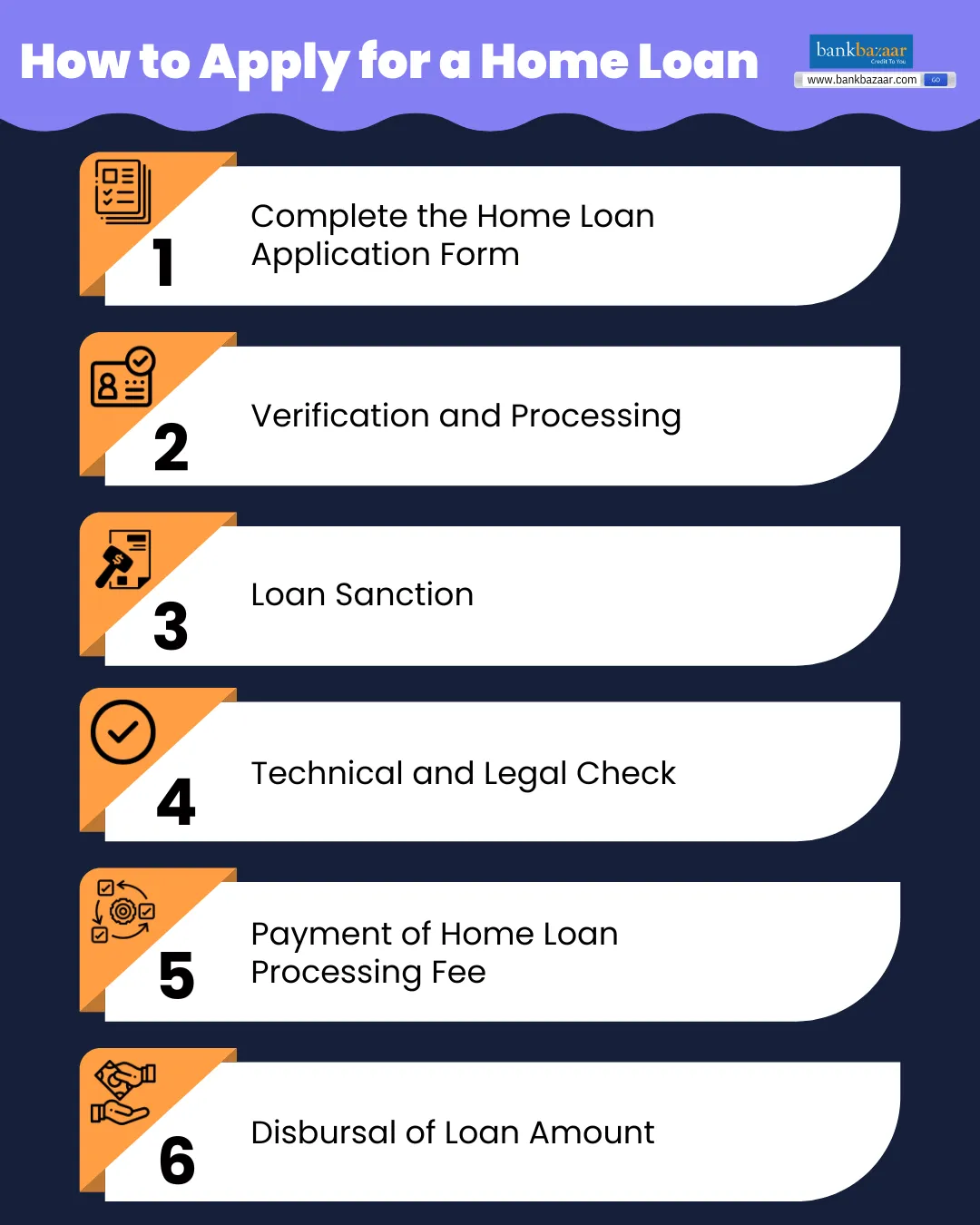
With your finances in order, documents gathered, and pre-approval in hand, you’re ready for the formal application process. This phase moves from preparation to active engagement with your chosen lender, culminating in the critical underwriting stage.

Completing the Loan Application
The actual loan application, often referred to as the Uniform Residential Loan Application (Form 1003), is a detailed document that consolidates all the information you’ve previously prepared.
- Accuracy is Key: Double-check every entry for accuracy. Any discrepancies or incomplete information can cause delays or even rejection. Be prepared to provide details on your employment history, income, assets, liabilities, and residential history.
- Full Disclosure: Honesty is paramount. Attempting to hide debts or inflate income will not only be discovered by the lender during verification but can also have serious legal consequences. Lenders have sophisticated systems to cross-reference information.
- Co-Borrowers: If you’re applying with a co-borrower (e.g., a spouse), they will also need to provide all the same detailed financial information and sign the application. Their credit history and financial health will also be evaluated.
- Understanding Disclosures: As you complete the application, you’ll receive various disclosures, including the Loan Estimate. This critical document outlines your estimated interest rate, monthly payment, closing costs, and other loan terms. Review it carefully, ask questions, and ensure it aligns with what you were promised during pre-approval. You have three business days to review this document after receiving it.
Underwriting: The Lender’s Due Diligence
Once your application is submitted, it moves to the underwriting department. This is where a professional underwriter thoroughly evaluates your application, documents, and the property itself to assess the risk involved.
- Verification of Information: The underwriter will verify everything you submitted. They will contact your employers, banks, and other creditors. Expect requests for additional documentation or clarification if anything is unclear or incomplete. This back-and-forth is common, so be responsive and patient.
- Credit Review: A final, hard credit inquiry will be made. The underwriter will look for any recent changes to your credit report, new debts, or missed payments since your initial pre-approval.
- Risk Assessment: The underwriter’s primary role is to ensure that you meet all the lender’s guidelines and the requirements of the specific loan program (FHA, VA, Conventional, etc.). They assess your capacity to repay the loan, your creditworthiness, and the collateral (the property itself).
- Loan Conditions: It’s common for underwriters to issue “conditions” – a list of items or documents they need before they can give final approval. These could range from a simple explanation for a gap in employment to updated bank statements or a specific tax form. Address these conditions promptly and thoroughly.
Appraisal and Inspection
Parallel to the underwriting of your financial qualifications, the property itself undergoes critical evaluations.
- Appraisal: The lender will order a professional appraisal of the property. An independent appraiser will assess the home’s value based on its condition, features, and recent sales of comparable properties in the area. The appraisal protects the lender by ensuring the loan amount does not exceed the property’s market value. If the appraisal comes in lower than the agreed-upon purchase price, it can become a point of negotiation between buyer and seller, or require the buyer to bring more cash to closing.
- Home Inspection: While not usually a requirement for the loan itself (though highly recommended by lenders), a home inspection is crucial for your protection. A professional inspector evaluates the structural and mechanical condition of the home, identifying potential issues like roof problems, plumbing leaks, electrical hazards, or foundation concerns. This inspection can uncover costly repairs that you might want the seller to address, or it could give you grounds to renegotiate the purchase price or even back out of the deal, depending on your purchase agreement terms.
- Title Search: A title company performs a title search to ensure there are no liens, unpaid taxes, or other legal claims against the property that could prevent a clear transfer of ownership. They will also issue title insurance to protect both you and the lender.
Successfully navigating these steps requires meticulous attention to detail and proactive communication. Being responsive to your lender’s requests and understanding each stage of the process will keep your application moving smoothly towards approval.
Navigating Approval, Closing, and Beyond
After the intensive application and underwriting phase, the culmination of your efforts approaches: loan approval and the final closing. However, the journey doesn’t end there; understanding your post-closing responsibilities is just as vital.
Receiving Loan Approval and Finalizing Terms
The moment you receive official loan approval is a significant milestone. This means the underwriter is satisfied with all aspects of your financial profile and the property.
- Conditional vs. Final Approval: Often, you’ll first receive a “conditional approval,” meaning final approval is contingent upon satisfying a few remaining minor items (e.g., an updated pay stub, proof of homeowner’s insurance). Once all conditions are met, you’ll get the “clear to close.”
- Reviewing the Closing Disclosure (CD): Three business days before your scheduled closing date, you will receive a Closing Disclosure. This document is extremely important as it provides the final, definitive terms of your loan, including the interest rate, monthly payment, and all closing costs. Compare it meticulously to the Loan Estimate you received earlier. Any significant discrepancies should be immediately questioned and clarified with your lender. This three-day review period is mandated by law to give you ample time to understand all financial implications before signing.
- Locking in Your Interest Rate: By this stage, you should have already locked in your interest rate. If you haven’t, or if your lock is about to expire, discuss options with your lender. An interest rate lock guarantees the rate you will pay, protecting you from market fluctuations between approval and closing.
The Closing Process: What to Expect
Closing day, also known as settlement, is when you officially become a homeowner. It typically takes place at the office of a title company, attorney, or escrow agent.
- Participants: You, the seller (often represented by their agent or attorney), your real estate agent, and the closing agent will typically be present. Your lender will not usually be there but is represented by the documents.
- Signing Documents: Be prepared to sign a lot of paperwork. This includes the promissory note (your promise to repay the loan), the mortgage or deed of trust (giving the lender a lien on your property), and numerous other legal documents. Take your time, read carefully, and don’t hesitate to ask the closing agent to explain anything you don’t understand.
- Bringing Funds: You will need to bring certified funds (cashier’s check or wire transfer) to cover your down payment (if applicable) and any remaining closing costs. The exact amount will be detailed on your Closing Disclosure.
- Transfer of Ownership: Once all documents are signed and funds exchanged, the deed is recorded, and the keys are typically handed over. Congratulations – you are officially a homeowner!
Post-Closing Responsibilities and Financial Planning
Becoming a homeowner entails new responsibilities and ongoing financial management.
- Mortgage Payments: Your first mortgage payment will typically be due one full month after closing (e.g., if you close on March 15th, your first payment is usually May 1st). Ensure you know when and how to make payments.
- Escrow Account: Many mortgages include an escrow account, where a portion of your monthly payment goes towards property taxes and homeowner’s insurance. The lender manages this account, paying these bills on your behalf. Review your escrow statements annually.
- Home Maintenance and Repairs: Factor in ongoing costs for home maintenance, utilities, and potential repairs. Creating an emergency fund specifically for home-related expenses is a wise financial strategy.
- Budgeting and Refinancing: Continue to monitor your budget and debt. Over time, interest rates might change, or your financial situation might evolve, making refinancing a potential option to lower payments, change loan terms, or access equity.
Understanding these post-closing responsibilities ensures that the excitement of homeownership transitions into a sustainable and financially sound long-term reality.
Common Pitfalls and Expert Tips for a Smooth Application
While the home loan application process is rigorous, many common pitfalls can be avoided with foresight and discipline. Following expert advice can significantly smooth your journey to approval.
Avoiding Common Mistakes
Being aware of potential missteps can help you steer clear of unnecessary delays and stress.
- Making Major Financial Changes: Do not make significant financial decisions between pre-approval and closing. This includes changing jobs, taking out new loans (e.g., car loans, furniture financing), opening new credit cards, closing old accounts, or making large, unexplained deposits into your bank accounts. Any of these actions can alter your DTI ratio, credit score, or asset picture, potentially jeopardizing your loan approval.
- Ignoring Your Credit Report: Don’t wait until the last minute to check your credit report. Disputing errors can take time, so do this well in advance. Keep monitoring your credit throughout the application process.
- Failing to Disclose Information: Withholding information, such as undisclosed debts, income sources, or financial judgments, will almost certainly be uncovered by the underwriter. This can lead to delays, mistrust, or even outright denial of your loan. Transparency is always the best policy.
- Poor Document Organization: A disheveled approach to documents (missing papers, outdated statements, unread emails) can lead to frustrating delays. Lenders require specific formats and recent dates. Keep everything organized and readily accessible.
- Being Unresponsive to Lender Requests: Underwriters often need quick responses to clarify information or request additional documentation. Delays on your part can push back your closing date, which can have ripple effects for all parties involved in the transaction.
Maximizing Your Chances of Approval
Proactive measures and strategic planning can significantly enhance your appeal to lenders.
- Pay Down Debt and Improve Credit: Before applying, actively work to reduce high-interest debt, especially credit card balances. This lowers your DTI and improves your credit utilization, both boosting your credit score. Make all payments on time and in full.
- Build Up Savings: Accumulating a larger down payment not only reduces your loan amount but also demonstrates financial discipline to lenders. Having ample reserves beyond the down payment and closing costs provides a buffer and signals stability.
- Get Pre-Approved Early: As discussed, pre-approval is invaluable. It solidifies your budget, identifies any potential issues early on, and makes you a more attractive buyer to sellers.
- Communicate Proactively: Maintain open and honest communication with your loan officer. Inform them immediately of any changes to your employment, income, or financial situation. Don’t be afraid to ask questions. A good loan officer is your advocate and guide through the process.
- Shop Around for Lenders: Don’t settle for the first offer you receive. Obtain quotes from multiple lenders (banks, credit unions, mortgage brokers) to compare interest rates, fees, and customer service. You can typically do this within a 14-45 day window without significantly impacting your credit score, as multiple inquiries for the same type of loan are usually grouped as one.
- Understand Your Loan Type: Be clear about the specifics of the loan you’re applying for. Each type (Conventional, FHA, VA, USDA) has unique requirements and benefits. Ensure the loan aligns with your long-term financial goals.
By diligently avoiding common pitfalls and implementing these expert tips, you can transform the often-complex home loan application into a smoother, more efficient, and ultimately successful endeavor, bringing you closer to the keys to your new home.
aViewFromTheCave is a participant in the Amazon Services LLC Associates Program, an affiliate advertising program designed to provide a means for sites to earn advertising fees by advertising and linking to Amazon.com. Amazon, the Amazon logo, AmazonSupply, and the AmazonSupply logo are trademarks of Amazon.com, Inc. or its affiliates. As an Amazon Associate we earn affiliate commissions from qualifying purchases.