
Understanding the “average mortgage” is a financial touchstone for millions of prospective homeowners and existing property owners alike. It’s a question that delves deep into the heart of personal finance, real estate markets, and long-term financial planning. While a single, definitive number for “the average mortgage” can be elusive due to the dynamic nature of housing markets and individual financial circumstances, exploring this concept provides invaluable insights into one of life’s most significant financial commitments.
A mortgage, at its core, is a loan used to purchase a home or property, with the property itself serving as collateral. The repayment of this loan, typically spread over many years, forms a substantial part of a household’s monthly expenditure. Knowing the average mortgage amount, payment, and associated costs helps individuals set realistic expectations, plan their budgets, and make informed decisions about homeownership. It acts as a benchmark, a point of reference against which personal aspirations and financial realities can be measured. However, it’s crucial to understand that an average is just that – an average. It’s a statistical representation that smooths over a vast landscape of individual variation, influenced by a myriad of factors from location and interest rates to personal creditworthiness and down payment size. This article will deconstruct what constitutes an average mortgage, explore the factors that drive its variability, and offer strategies for navigating this complex financial terrain.

Deconstructing the “Average” Mortgage: Key Influencing Factors
The idea of a single, national “average mortgage” is a statistical simplification. In reality, what one borrower pays and another owes can differ dramatically. Several critical factors converge to shape the principal loan amount, the interest rate applied, and consequently, the monthly payment. Understanding these variables is the first step toward demystifying your potential mortgage journey.
Geographic Location
Perhaps the most significant determinant of mortgage size is where you choose to live. Real estate is inherently local. Housing prices exhibit immense variations across different states, cities, and even neighborhoods within the same metropolitan area. For instance, the average home price, and thus the average mortgage, in a high-cost-of-living area like San Francisco or New York City, will dwarf that in a more affordable region of the Midwest or a rural town. This disparity is driven by factors such as population density, job market strength, supply and demand dynamics, and local economic growth. A larger purchase price directly translates to a larger loan amount, assuming a consistent down payment percentage.
Property Type and Size
The characteristics of the property itself play a crucial role. A sprawling single-family home with multiple bedrooms and bathrooms will naturally command a higher price than a modest condominium or a townhouse. Square footage, lot size, the age and condition of the property, and specific amenities (e.g., swimming pool, updated kitchen, premium views) all contribute to the overall value and, subsequently, the mortgage amount. Luxury properties will push averages up, while smaller, entry-level homes pull them down, creating a broad spectrum of loan sizes.
Down Payment Percentage
The down payment is the initial sum of money a buyer pays upfront, reducing the amount they need to borrow. A larger down payment directly translates to a smaller principal mortgage amount. For example, on a $400,000 home, a 20% down payment means borrowing $320,000, while a 5% down payment means borrowing $380,000. Beyond reducing the loan size, a substantial down payment can also impact the interest rate offered by lenders and may eliminate the need for Private Mortgage Insurance (PMI), further reducing monthly costs.
Mortgage Interest Rates
Interest rates are the cost of borrowing money, expressed as a percentage of the principal. They are a critical component of the monthly payment and the total cost of the loan over its lifetime. Interest rates are influenced by several macro and microeconomic factors:
- Economic Climate: Federal Reserve policy, inflation, and the overall health of the economy heavily impact prevailing interest rates.
- Lender-Specific Factors: Each lender sets its own rates based on its risk assessment and business model.
- Borrower’s Credit Score: A higher credit score (generally above 740-760) typically qualifies borrowers for the most favorable interest rates, as it signals lower risk to the lender.
- Loan Type: Fixed-rate mortgages offer a constant interest rate for the life of the loan, providing predictability. Adjustable-rate mortgages (ARMs) have an initial fixed period, after which the rate can fluctuate based on market indices.
Loan Term Length
The term length refers to the duration over which the mortgage is repaid. Common terms are 15-year and 30-year mortgages, though other durations exist. A shorter loan term (e.g., 15 years) typically results in higher monthly payments because the principal is repaid over a shorter period. However, it also means paying significantly less interest over the life of the loan. Conversely, a longer term (e.g., 30 years) offers lower monthly payments, making homeownership more accessible, but accrues substantially more interest over time.
Borrower’s Financial Health
A lender’s decision to approve a mortgage and the terms they offer are heavily contingent on the borrower’s financial profile.
- Credit Score: A robust credit history and high credit score demonstrate responsible financial behavior, making a borrower more attractive to lenders and unlocking lower interest rates.
- Debt-to-Income (DTI) Ratio: This ratio compares your total monthly debt payments to your gross monthly income. Lenders use DTI to assess your ability to manage additional mortgage payments. A lower DTI (typically below 43%) indicates a healthier financial standing and a higher likelihood of loan approval with favorable terms.
- Income Stability: Lenders prefer borrowers with stable, verifiable income, often requiring employment history and income documentation.
Understanding the Components of a Mortgage Payment (PITI)
When you receive your monthly mortgage statement, the total amount isn’t just repaying the money you borrowed. It’s a composite figure, often referred to by the acronym PITI, representing the four primary components that make up the vast majority of your monthly housing costs, especially for escrowed mortgages.
Principal and Interest
This is the core of your mortgage payment.
- Principal: This is the portion of your payment that goes directly towards reducing the actual loan amount you borrowed. As you pay down the principal, your equity in the home increases.
- Interest: This is the cost of borrowing the money, paid to the lender for the privilege of using their capital. In the early years of a typical mortgage (especially a 30-year fixed), a larger portion of your monthly payment goes towards interest. As the loan matures, more of each payment is applied to the principal. This phenomenon is explained by an amortization schedule, which details how each payment is split between principal and interest over the life of the loan.
Property Taxes
Homeowners are required to pay property taxes to their local government (county, city, school district) based on the assessed value of their property. These taxes fund local services like schools, roads, and emergency services. Property taxes can vary significantly by location and are usually reassessed periodically. Most lenders require these taxes to be collected as part of your monthly mortgage payment and held in an escrow account. The lender then pays the tax bill on your behalf when it’s due.
Homeowner’s Insurance
Protecting your home from damage due to fire, natural disasters, theft, and other perils is crucial. Lenders mandate homeowner’s insurance to safeguard their investment (the property that serves as collateral for the loan). Like property taxes, homeowner’s insurance premiums are typically collected monthly by the lender and held in an escrow account, from which the annual premium is paid. The cost of insurance depends on factors like the home’s value, location, construction materials, and the coverage chosen.
Private Mortgage Insurance (PMI)
If you make a down payment of less than 20% of the home’s purchase price, most lenders will require you to pay Private Mortgage Insurance (PMI). PMI protects the lender, not you, in case you default on your loan. It’s an additional monthly cost that can add a significant amount to your payment. PMI rates vary but typically range from 0.3% to 1.5% of the original loan amount per year. Fortunately, PMI is not usually a permanent expense. Once your loan-to-value (LTV) ratio reaches 80% (meaning you have 20% equity in your home), you can typically request to have PMI canceled. It will also automatically terminate once your equity reaches 78% of the original home value.
Current Averages and Trends in the Mortgage Market
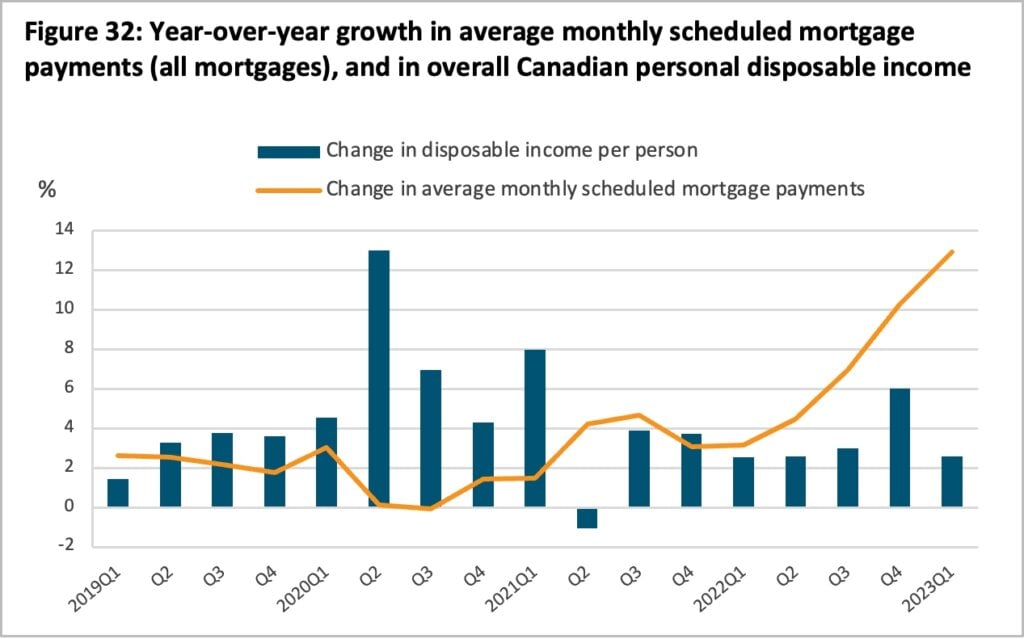
While providing exact real-time figures is beyond the scope of a static article, understanding the general trends and magnitudes helps contextualize the “average mortgage.” National averages are dynamic, shifting with economic conditions, housing demand, and interest rate policies.
National Averages (Illustrative Ranges)
As of recent periods, and subject to constant fluctuation, the average mortgage loan amount in the U.S. has often hovered between $350,000 and $450,000 for conventional loans, though this can dip lower or surge higher depending on the specific quarter and economic climate. For first-time homebuyers, this average might be slightly lower due to smaller budgets and often utilizing FHA loans.
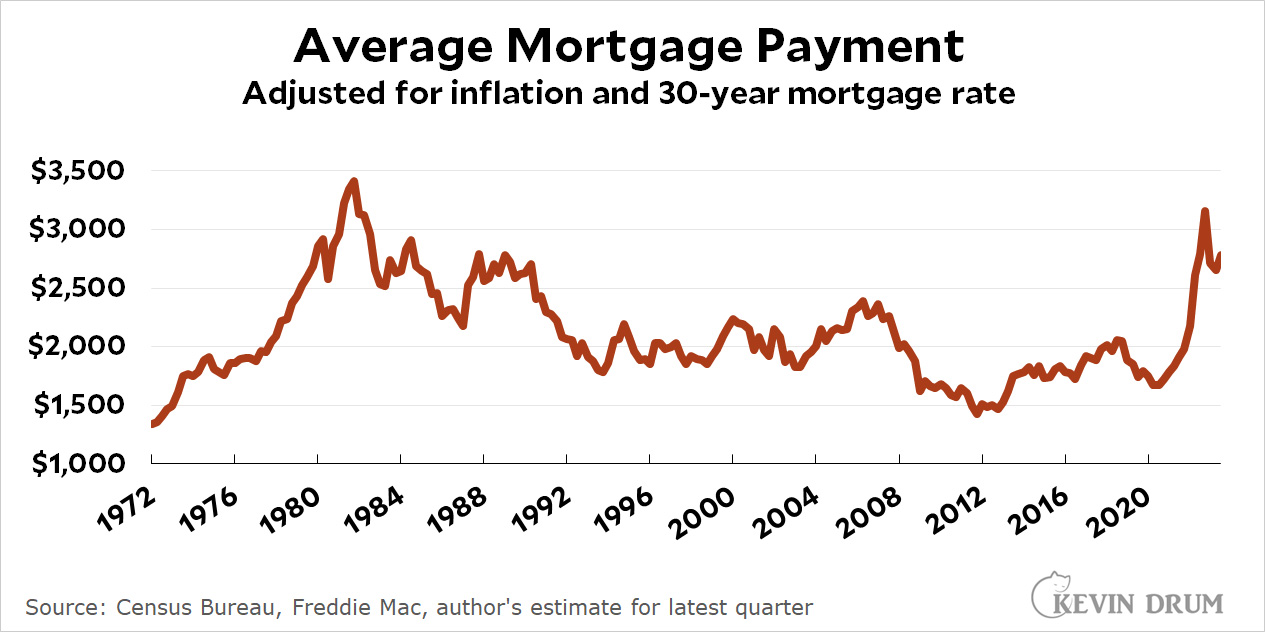
The average monthly mortgage payment (PITI) also varies widely but often falls in the range of $2,000 to $3,000+, depending on the average mortgage size, prevailing interest rates, property taxes, and insurance costs in a given area. For instance, with an illustrative mortgage of $400,000 at a 7% interest rate on a 30-year fixed term, the principal and interest payment alone would be approximately $2,661, not including taxes and insurance.
Mortgage interest rates are highly volatile. While they reached historic lows in the early 2020s, they have since climbed, often ranging between 6% and 8%+ for a 30-year fixed conventional mortgage, again, subject to market forces and individual borrower profiles. For precise, up-to-the-minute data, resources like Freddie Mac’s Primary Mortgage Market Survey (PMMS) or reports from the Mortgage Bankers Association (MBA) are invaluable.
Regional Disparities
The most striking feature of mortgage averages is their regional disparity. A $400,000 mortgage might be considered average in a suburban area of Texas, while in parts of California, it might only cover a small condo, and in rural Kansas, it could buy a substantial property. These differences are largely due to localized housing supply and demand, economic opportunities, and population growth. Therefore, any national average serves as a general indicator, but local market research is paramount.
Impact of Economic Climate
The broader economic environment profoundly influences the mortgage market.
- Inflation: Higher inflation often prompts central banks (like the Federal Reserve) to raise benchmark interest rates, which in turn pushes up mortgage rates.
- Interest Rate Hikes/Cuts: Direct changes in the federal funds rate by the Fed impact the cost of borrowing for banks, which they pass on to consumers.
- Housing Market Supply/Demand: A shortage of available homes (low supply) coupled with high buyer demand typically drives up home prices, leading to larger mortgage amounts. Conversely, an oversupply or reduced demand can stabilize or lower prices.
- Job Market Health: A strong job market instills consumer confidence, encouraging home purchases and potentially leading to more competitive lending.
First-Time Homebuyer Trends
First-time homebuyers often face unique challenges, including accumulating a sufficient down payment and navigating a competitive market. They frequently rely on government-backed loans:
- FHA Loans: Insured by the Federal Housing Administration, these loans allow for lower down payments (as low as 3.5%) and are more forgiving on credit scores, making homeownership accessible to a wider range of buyers.
- VA Loans: Offered to eligible service members, veterans, and surviving spouses, VA loans require no down payment and often come with competitive interest rates.
- USDA Loans: Backed by the U.S. Department of Agriculture, these loans are for low-to-moderate-income buyers in eligible rural areas and also require no down payment.
These programs play a vital role in shaping the average mortgage experience for new entrants into the housing market, potentially leading to smaller down payments and slightly different loan structures compared to conventional loans.
Strategies for Managing Your Mortgage and Financial Well-being
Navigating the complexities of mortgages requires a proactive approach to financial planning. While the “average mortgage” provides a benchmark, optimizing your personal mortgage experience and ensuring long-term financial well-being demands strategic decision-making.
Improving Your Financial Profile
Before even applying for a mortgage, focusing on strengthening your financial health can yield significant benefits:
- Boost Credit Score: Lenders reward higher credit scores with lower interest rates. Pay bills on time, reduce outstanding debt, and monitor your credit report for errors. Even a slight improvement in your score can save you tens of thousands of dollars in interest over the life of the loan.
- Reduce Debt-to-Income (DTI) Ratio: Lowering your existing debt (credit cards, car loans, student loans) frees up more of your income, making you a less risky borrower and potentially allowing you to qualify for a larger loan or better terms.
- Save for a Larger Down Payment: As discussed, a larger down payment reduces the principal borrowed, lowers monthly payments, and can help you avoid PMI. Aiming for 20% or more, if feasible, is a sound financial goal.
Shopping for the Best Rates
Never settle for the first offer you receive. Mortgage rates can vary significantly between lenders for the same borrower profile on the same day.
- Compare Multiple Lenders: Contact several banks, credit unions, and mortgage brokers. Obtain Good Faith Estimates from each to compare interest rates, APR (Annual Percentage Rate – which includes fees), closing costs, and other loan terms.
- Understand APR vs. Interest Rate: The interest rate is the cost of borrowing. The APR is a broader measure of the cost of the loan, including the interest rate plus most fees and other charges, providing a more comprehensive view of the total cost.
Refinancing Opportunities
Refinancing involves taking out a new mortgage to pay off your old one. It’s a strategy that can be beneficial under certain circumstances:
- Lower Interest Rates: If market interest rates have dropped significantly since you obtained your original mortgage, refinancing to a lower rate can reduce your monthly payments and the total interest paid.
- Shorter Loan Term: You might refinance from a 30-year to a 15-year mortgage to pay off your home faster, often at a slightly lower interest rate, though with higher monthly payments.
- Cash-Out Refinance: This allows you to tap into your home equity by taking out a new, larger mortgage and receiving the difference in cash. This cash can be used for home improvements, debt consolidation, or other financial needs.
Prepayment Strategies
Making extra payments towards your principal can dramatically reduce the total interest paid and shorten the loan term:
- Bi-Weekly Payments: By paying half of your monthly payment every two weeks, you end up making one extra full payment per year, effectively reducing your loan term and interest.
- Rounding Up Payments: Consistently rounding up your monthly payment by a small amount (e.g., an extra $50 or $100) directs more funds to the principal.
- Lump Sum Payments: Using bonuses, tax refunds, or other unexpected windfalls to make additional principal payments can have a substantial impact over time. Always ensure any extra payments are explicitly applied to the principal.
Conclusion
The question “how much is the average mortgage” opens a gateway to a comprehensive understanding of one of the most significant financial commitments an individual or family will ever make. It’s clear that there isn’t a single, universally applicable average, but rather a dynamic range shaped by an intricate web of personal, geographic, and economic factors. From the location of the home and its characteristics to prevailing interest rates and an individual’s financial health, every element plays a role in determining the ultimate cost and structure of a mortgage.
By deconstructing the components of a mortgage payment, understanding current market trends, and strategically planning for homeownership, individuals can move beyond simply knowing the average. They can empower themselves to make informed decisions, optimize their mortgage terms, and build a solid foundation for their financial future. The journey to homeownership is as unique as each homeowner, requiring diligent research, careful budgeting, and a proactive approach to managing one’s financial well-being. Always consider consulting with financial advisors and reputable mortgage professionals to tailor advice to your specific circumstances and achieve your homeownership goals.
aViewFromTheCave is a participant in the Amazon Services LLC Associates Program, an affiliate advertising program designed to provide a means for sites to earn advertising fees by advertising and linking to Amazon.com. Amazon, the Amazon logo, AmazonSupply, and the AmazonSupply logo are trademarks of Amazon.com, Inc. or its affiliates. As an Amazon Associate we earn affiliate commissions from qualifying purchases.