
In the intricate tapestry of global finance, few economic indicators hold as much sway over our daily lives as interest rates. From the cost of borrowing for a home or car to the returns on our savings, these seemingly abstract numbers dictate the flow of money, influence market dynamics, and shape individual and corporate financial decisions. Understanding “what interest rates are at right now” is not merely an academic exercise; it’s a critical component of prudent financial planning in an ever-evolving economic landscape.
For the past couple of years, many major economies have witnessed a significant shift in interest rate policies, moving away from the historically low or even zero-rate environments that characterized the post-2008 financial crisis era. Central banks, grappling with persistent inflation spurred by supply chain disruptions, geopolitical events, and robust consumer demand, have embarked on aggressive monetary tightening cycles. This pivot has reshaped the financial world, creating both challenges for borrowers and opportunities for savers. This article will dissect the current interest rate environment, explore its multifaceted impacts, and offer insights into navigating these financial currents.
Understanding the Current Interest Rate Landscape
At the heart of the current interest rate discussion are the actions of central banks. These institutions, such as the U.S. Federal Reserve, the European Central Bank (ECB), and the Bank of England, are tasked with maintaining price stability and fostering sustainable economic growth. Their primary tool for achieving these objectives is the manipulation of benchmark interest rates.
The Central Bank’s Role: A Global Perspective
Central banks set a key short-term interest rate, often referred to as the policy rate or target rate. In the U.S., this is the federal funds rate; in the Eurozone, it’s the main refinancing operations rate; and in the UK, it’s the Bank Rate. These benchmark rates dictate the cost at which commercial banks lend to and borrow from each other, which in turn influences the interest rates banks offer to their customers.
The recent period has seen central banks globally engage in a synchronized effort to combat inflation. After years of near-zero rates designed to stimulate economic activity, the surge in consumer prices forced a dramatic pivot towards monetary tightening. This involves raising interest rates to cool down an overheating economy by making borrowing more expensive, thereby reducing demand and theoretically bringing inflation back down to target levels (typically around 2%). While the pace of rate hikes has varied and some central banks have paused or signaled a potential end to their hiking cycles, the overarching theme has been one of significantly higher rates compared to the previous decade.
Key Benchmark Rates and Their Current Status
As of recent trends, policy rates across major economies have settled at levels not seen in over a decade. For instance, the U.S. Federal Reserve’s federal funds target rate has risen substantially, moving from near-zero to a range that signifies a restrictive monetary policy stance. Similarly, the European Central Bank and the Bank of England have implemented a series of increases, bringing their respective benchmark rates to elevated levels.
These direct policy rates serve as the foundation upon which a myriad of other financial products are priced. When the federal funds rate rises, for example, the prime rate (which banks charge their most creditworthy customers) also typically increases, impacting everything from credit card APRs to personal loans. It’s crucial to recognize that while central banks set a target range, the actual rates observed in the market can fluctuate based on supply and demand for funds, market expectations, and individual borrower risk profiles. However, the direction and magnitude of central bank moves undeniably set the overarching tone for the cost of money throughout the economy.
How Current Interest Rates Impact Your Personal Finance
The abstract concept of interest rates quickly becomes very real when it touches your personal financial decisions. Whether you’re borrowing to make a significant purchase or trying to grow your savings, current rates directly influence your financial outcomes.
Borrowing Costs: Mortgages, Auto Loans, Credit Cards
Perhaps the most immediate and significant impact of higher interest rates is felt in borrowing costs.
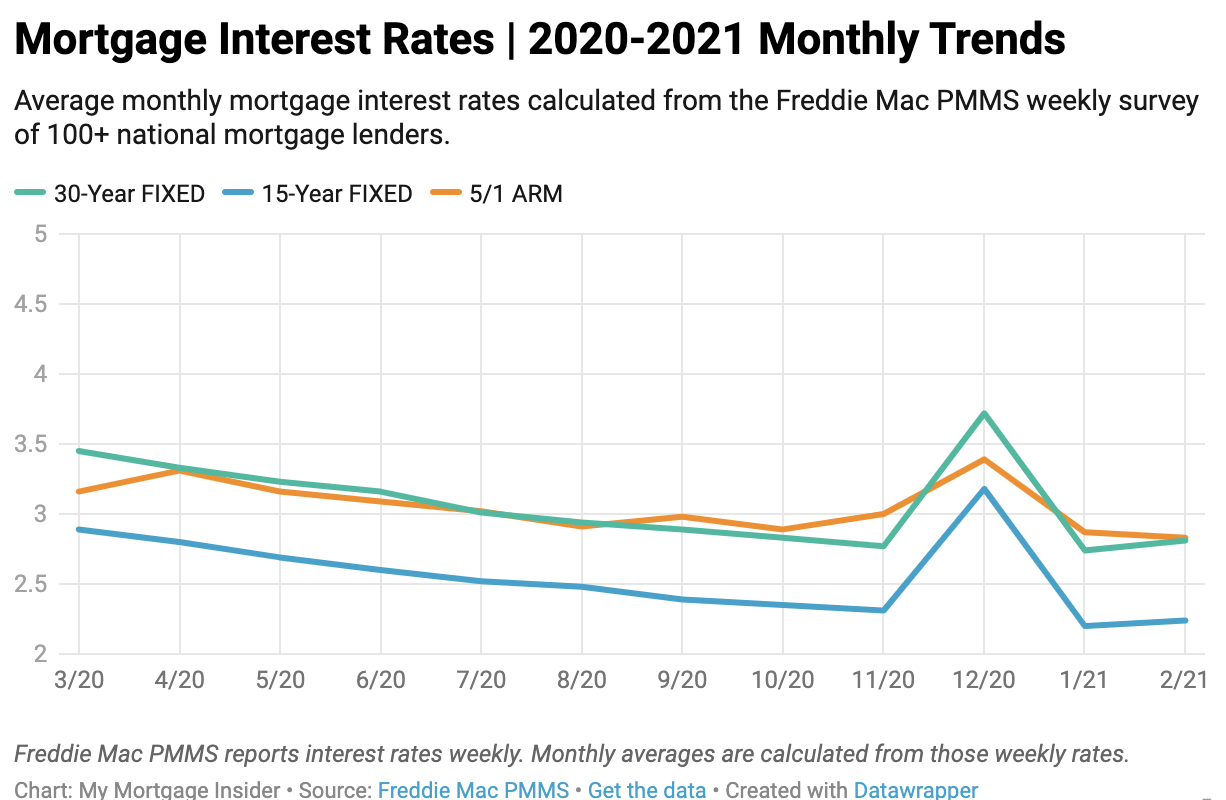
- Mortgages: For prospective homebuyers, higher rates translate to more expensive mortgages, pushing up monthly payments and potentially reducing purchasing power. Those with variable-rate mortgages (like ARMs in the U.S. or trackers in the UK) may have seen their payments rise considerably. Even for fixed-rate mortgages, the cost of borrowing has surged, making refinancing less attractive than it was in recent years.
- Auto Loans: Financing a new or used vehicle also becomes more costly. Higher interest rates on auto loans mean larger monthly payments over the life of the loan, increasing the total cost of ownership.
- Credit Cards: Credit card interest rates, often tied to the prime rate, are particularly sensitive to central bank policy shifts. As policy rates rise, so do the Annual Percentage Rates (APRs) on credit cards. For consumers carrying a balance, this means the cost of that debt increases, making it harder to pay off and potentially trapping individuals in a cycle of growing interest payments.
- Personal Loans and Student Loans: Similarly, the interest rates on unsecured personal loans and certain types of student loans (especially private ones) have generally trended upwards, increasing the burden on borrowers.
Savings and Investments: A Silver Lining?
While borrowers face increased costs, the other side of the coin presents opportunities for savers and certain investors.
- Savings Accounts and Certificates of Deposit (CDs): One of the clearest benefits of higher rates is the improved yield on savings. High-Yield Savings Accounts (HYSAs) and Certificates of Deposit (CDs) now offer significantly more attractive returns than they have in over a decade. This provides an incentive for individuals to save more and earn a respectable, low-risk return on their cash.
- Fixed-Income Investments (Bonds): Higher interest rates generally mean higher yields on newly issued bonds. For investors, this makes fixed-income securities more appealing, as they can lock in better returns. However, existing bonds issued when rates were lower may see their market value decrease as new, higher-yielding bonds become available, reflecting the inverse relationship between bond prices and yields.
- Stock Market Implications: The impact on the stock market is more nuanced. Higher interest rates can make borrowing more expensive for companies, potentially slowing growth and impacting profitability. They also make alternative investments (like bonds) more attractive, which can divert money away from stocks. Furthermore, higher rates are used to “discount” future corporate earnings when calculating valuations, which can put downward pressure on stock prices, particularly for growth companies that promise earnings far in the future.
Interest Rates and the Broader Economy
The ripple effects of interest rate changes extend far beyond individual wallets, permeating the entire economic fabric.
Business Finance and Investment Decisions
For businesses, interest rates are a critical factor in investment and operational decisions:
- Cost of Capital: Higher rates increase the cost of borrowing for businesses, whether it’s for expanding operations, purchasing new equipment, or investing in research and development. This can lead companies to delay or scale back investment plans, potentially slowing overall economic growth.
- Mergers and Acquisitions (M&A): M&A activity can also be affected, as financing large deals becomes more expensive. This can cool down what has been a hot market for corporate consolidation.
- Consumer Spending: As borrowing costs rise for individuals and businesses, consumer spending typically slows down. This is a deliberate objective of central banks trying to rein in inflation, as reduced demand can help cool prices. However, if spending contracts too sharply, it can lead to economic slowdowns or even recessions.
Inflation, Recession Fears, and Economic Growth
The current interest rate environment is largely a response to elevated inflation. Central banks are treading a fine line: raise rates enough to curb inflation without stifling economic growth to the point of triggering a recession.
- Inflation Control: The primary aim is to bring inflation back to target levels. By making money more expensive and reducing aggregate demand, central banks hope to restore price stability.
- Recession Fears: Aggressive rate hikes carry the risk of pushing the economy into a recession. A “soft landing,” where inflation subsides without a significant economic contraction, is the ideal scenario but notoriously difficult to achieve. Concerns about a “hard landing” (a more severe recession) often accompany periods of rapid monetary tightening.
- Global Interconnectedness: Interest rate decisions in one major economy can have global implications. For example, higher rates in the U.S. can strengthen the dollar, making imports cheaper for American consumers but potentially making U.S. exports more expensive for other countries, affecting global trade balances.
What to Expect: Future Trends and Economic Indicators
The future trajectory of interest rates is a subject of constant speculation and analysis, influenced by a dynamic interplay of economic data and global events.
Factors Influencing Future Rate Decisions
Central banks make data-dependent decisions, meticulously scrutinizing a range of economic indicators:
- Inflation Data: Core inflation metrics, such as the Consumer Price Index (CPI) and Producer Price Index (PPI), remain paramount. If inflation shows clear signs of decelerating towards target, central banks may ease their stance. Conversely, persistent inflation could necessitate further tightening.
- Employment Figures: Labor market strength (low unemployment, strong wage growth) can indicate an economy that’s still running hot, potentially contributing to inflation, and thus supporting higher rates. Weakening employment data, however, could signal an economy cooling too rapidly, prompting central banks to reconsider their policy.
- GDP Growth: The overall health and growth rate of the economy are critical. Robust growth might allow for higher rates, while stagnation or contraction could lead to rate cuts.
- Consumer Spending and Business Investment: These indicators reflect aggregate demand. A significant slowdown could signal the need for policy adjustments.
- Geopolitical Events: Unforeseen events like conflicts, energy crises, or new trade tensions can disrupt supply chains, impact commodity prices, and influence inflation and economic growth, potentially altering central bank plans.
Strategies for Navigating the Current Rate Environment
Given the current and anticipated future rate environment, individuals and businesses can adopt several strategies:
-
For Borrowers:
- Debt Prioritization: Focus on paying down high-interest debt, particularly credit card balances.
- Refinancing Considerations: Evaluate if refinancing makes sense. While rates are higher than they were, if you have very high-interest debt, consolidating into a lower-rate personal loan or fixed-rate option might be beneficial.
- Budget Review: Adjust spending to accommodate higher monthly payments on existing variable-rate loans.
- Fixed vs. Variable: For new loans (mortgages, auto), strongly consider locking in a fixed rate if you anticipate rates continuing to rise or staying elevated for an extended period.
-
For Savers:
- Maximize High-Yield Accounts: Transfer idle cash from traditional low-yield savings accounts to high-yield savings accounts (HYSAs) or money market accounts to earn more.
- Explore Certificates of Deposit (CDs): For funds you don’t need immediate access to, CDs can offer even higher fixed returns for specific terms.
- Consider Treasury Bills/Bonds: Short-term government securities are also offering attractive yields.
-
For Investors:
- Diversification: Maintain a well-diversified portfolio across different asset classes, sectors, and geographies to mitigate risks.
- Long-Term Perspective: Avoid making impulsive decisions based on short-term rate fluctuations. Focus on long-term investment goals.
- Value Investing: In a higher-rate environment, companies with strong fundamentals, consistent cash flow, and reasonable valuations may outperform.
- Review Fixed Income: Evaluate your bond holdings. Shorter-duration bonds are less sensitive to interest rate changes than longer-duration bonds.
Conclusion
The question “what are interest rates at right now” leads us to a complex yet critical understanding of today’s financial world. We are living in an era where the cost of money has significantly increased after a prolonged period of ultra-low rates. This shift, driven by central banks’ efforts to combat inflation, has profound implications across personal finance, business operations, and the broader economy.
While higher rates present challenges for borrowers, they also offer tangible benefits for savers and provide opportunities for strategic financial planning. The economic landscape remains dynamic, with future interest rate decisions hinging on a confluence of inflation data, employment figures, and global developments. By staying informed, adapting financial strategies, and maintaining a proactive approach, individuals and businesses can effectively navigate the currents of the current interest rate environment and position themselves for future financial resilience.
aViewFromTheCave is a participant in the Amazon Services LLC Associates Program, an affiliate advertising program designed to provide a means for sites to earn advertising fees by advertising and linking to Amazon.com. Amazon, the Amazon logo, AmazonSupply, and the AmazonSupply logo are trademarks of Amazon.com, Inc. or its affiliates. As an Amazon Associate we earn affiliate commissions from qualifying purchases.