
The dream of homeownership often begins with a simple question: “What is the 30-year fixed mortgage rate?” This inquiry is more than just a curiosity; it’s the gateway to understanding one of the most significant financial commitments many individuals will ever make. The 30-year fixed mortgage stands as a cornerstone of the American housing market, offering a unique blend of stability and affordability that has made it a perennially popular choice for homebuyers. But what exactly does this rate represent, how is it determined, and what does it mean for your financial future?

In an ever-evolving economic landscape, where interest rates can fluctuate based on a myriad of global and domestic factors, comprehending the intricacies of the 30-year fixed mortgage rate is paramount. It’s not merely a number; it’s a critical component of your monthly budget, a determinant of your overall cost of borrowing, and a factor that can influence your long-term wealth accumulation. This article delves deep into the mechanics, influences, comparison strategies, and ultimate suitability of the 30-year fixed mortgage rate, providing a comprehensive guide for both first-time homebuyers and seasoned investors alike. By demystifying this crucial financial instrument, we aim to equip you with the knowledge needed to make informed decisions that align with your personal financial goals and housing aspirations.
Understanding the 30-Year Fixed Mortgage
At its core, a 30-year fixed mortgage is a home loan where the interest rate remains constant for the entire duration of the 30-year repayment period. This stability is its defining characteristic and primary appeal, setting it apart from other loan products like adjustable-rate mortgages (ARMs). For three decades, your principal and interest payments will stay the same, regardless of market volatility.
The Mechanics of a Fixed Rate
When you secure a 30-year fixed mortgage, the interest rate quoted at the time of closing is locked in for the life of the loan. This means your monthly payment for principal and interest will never change, providing unparalleled predictability in your budgeting. While your total monthly housing payment might fluctuate slightly due to changes in property taxes and homeowners insurance (which are often escrowed), the core component—the amount going towards your loan balance and interest—remains constant.
The repayment structure of a fixed mortgage is based on an amortization schedule. In the early years of the loan, a larger portion of your monthly payment goes towards interest, with a smaller amount applied to the principal balance. As you progress through the loan term, this ratio gradually shifts, with more of your payment going towards reducing the principal. By the end of the 30 years, assuming all payments are made on time, the loan will be fully paid off.
Why 30 Years? Examining the Amortization Schedule
The 30-year term is particularly attractive because it spreads the repayment over an extended period, resulting in lower monthly payments compared to shorter-term mortgages like a 15-year fixed loan. This reduced monthly burden makes homeownership more accessible and affordable for a broader range of individuals and families, allowing them to qualify for larger loan amounts or retain more disposable income each month.
However, the trade-off for these lower monthly payments is that you will pay significantly more interest over the life of the loan. While each individual payment is smaller, the cumulative effect of 360 payments at a given interest rate means a substantial portion of your total repayment goes to the lender as interest. This extended amortization period, while offering financial flexibility in the short term, does come with a higher overall cost of borrowing.
Key Benefits and Drawbacks
The most significant benefit of a 30-year fixed mortgage is the stability and predictability it offers. Homeowners are shielded from potential interest rate hikes, allowing for consistent budgeting and peace of mind. This stability is particularly valuable during periods of economic uncertainty or rising rates. It also provides flexibility, as the lower monthly payments can free up cash flow for other investments, savings, or personal expenses.
Conversely, the primary drawback is the higher total interest paid over the loan’s lifetime compared to shorter-term options. Additionally, 30-year fixed rates are typically slightly higher than 15-year fixed rates at any given time, reflecting the lender’s increased risk over a longer term and the time value of money. This means that while your monthly payment is lower, the true cost of borrowing is greater. For those who can comfortably afford higher monthly payments, a shorter-term mortgage can be a more financially efficient choice in the long run.
Factors Influencing 30-Year Fixed Mortgage Rates
Mortgage rates are dynamic, constantly shifting in response to a complex interplay of economic forces. Understanding these influences is crucial for prospective homebuyers looking to time their market entry and secure the most favorable terms.
Economic Indicators (Inflation, GDP, Employment)
The health of the broader economy plays a pivotal role in dictating mortgage rates. Inflation, specifically, is a major driver. Lenders charge higher interest rates to compensate for the eroding purchasing power of money over time. When inflation is high or expected to rise, mortgage rates tend to increase. Conversely, a stable or low inflationary environment can lead to lower rates.
Gross Domestic Product (GDP) growth, a measure of economic output, and employment figures also signal economic strength. A robust economy with strong job growth often leads to higher consumer demand and potentially higher inflation, which can push interest rates upward. A slowing economy, on the other hand, might prompt the Federal Reserve to lower rates to stimulate activity, which can translate into lower mortgage rates.
Federal Reserve Policy and Treasury Yields
While the Federal Reserve does not directly set mortgage rates, its monetary policy decisions have a profound indirect impact. The Fed influences short-term interest rates by adjusting the federal funds rate. Changes in this rate ripple through the financial system, affecting the cost of borrowing for banks.
Crucially, mortgage rates are more closely tied to the yields on 10-year Treasury bonds. These bonds are seen as a benchmark for long-term interest rates. When Treasury yields rise, mortgage rates generally follow suit, and vice-versa. Factors affecting Treasury yields include investor demand, economic outlook, and expectations for future inflation and Fed actions.
Lender-Specific Factors (Loan-to-Value, Credit Score, Debt-to-Income)
Beyond macroeconomics, individual borrower characteristics significantly impact the rate offered. Your credit score is paramount; a higher score (typically FICO scores above 740-760) signals lower risk to lenders, often qualifying you for the best available rates. Lower scores, conversely, will result in higher rates or even denial of a loan.
Your loan-to-value (LTV) ratio, which is the loan amount divided by the home’s appraised value, also matters. A larger down payment results in a lower LTV, indicating less risk for the lender and potentially securing a lower interest rate. Generally, an LTV below 80% is favorable.
Finally, your debt-to-income (DTI) ratio, which compares your total monthly debt payments to your gross monthly income, is a critical assessment of your ability to manage additional debt. Lenders prefer lower DTI ratios, typically below 43%, as it suggests greater financial stability and a reduced likelihood of default.
Market Competition and Geographical Differences
The competitive landscape among lenders also plays a role. A market with numerous lenders vying for borrowers can lead to more aggressive pricing and potentially lower rates as institutions compete for market share. Conversely, a less competitive market might see higher rates.
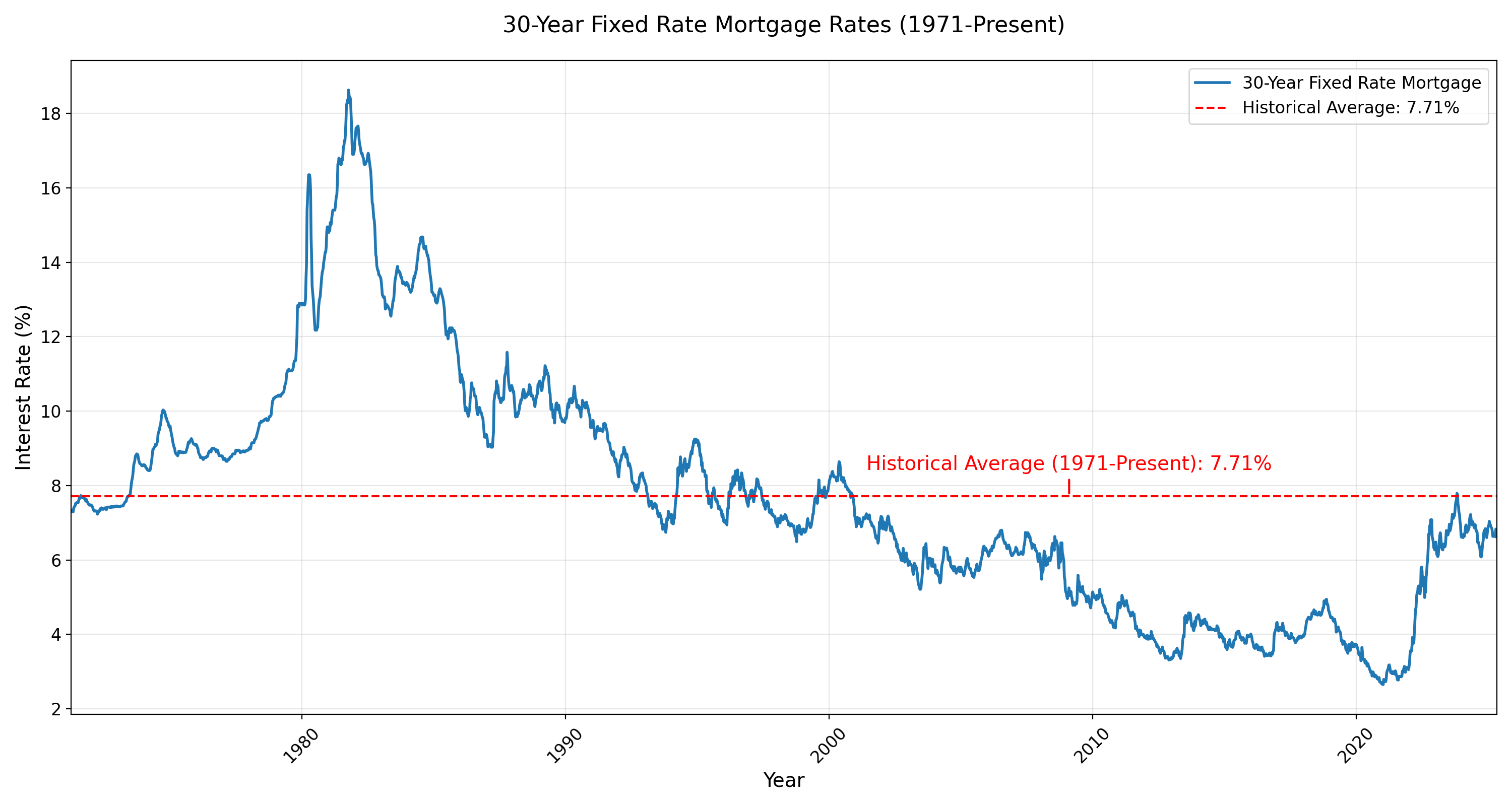
Geographical location can also introduce slight variations. While national trends dominate, regional economic conditions, local housing market dynamics, and the presence of regional lenders can cause minor differences in rates between states or even specific metropolitan areas.
How to Find and Compare 30-Year Fixed Mortgage Rates
Navigating the mortgage market can feel overwhelming, but a structured approach to finding and comparing rates can lead to significant savings over the life of your loan.
Getting Pre-Approved and Understanding Loan Estimates
The first crucial step is getting pre-approved for a mortgage. This involves a lender reviewing your financial information (income, assets, credit score) to determine how much you can borrow. A pre-approval letter not only gives you a clear budget but also signals to sellers that you are a serious and qualified buyer.
Once you have a specific property in mind and apply for a mortgage, lenders are required to provide you with a Loan Estimate within three business days. This standardized document details the interest rate, monthly payment, closing costs, and other terms of the loan. It’s an invaluable tool for comparing offers from different lenders on an apples-to-apples basis. Pay close attention to the interest rate, annual percentage rate (APR), and all associated fees.
The Role of Mortgage Brokers vs. Direct Lenders
When shopping for rates, you typically have two main avenues: working with a direct lender (banks, credit unions, online lenders) or a mortgage broker. Direct lenders offer their own specific loan products and rates. You interact directly with the institution that will fund your loan.
A mortgage broker, on the other hand, acts as an intermediary. They work with multiple lenders and can shop around on your behalf to find the best rates and loan products that fit your needs. While brokers can save you time and potentially uncover better deals, they often charge a fee (either paid by you or the lender). Consider exploring both options to ensure you’re getting a comprehensive view of the market.
Decoding APR vs. Interest Rate
It’s vital to distinguish between the interest rate and the Annual Percentage Rate (APR). The interest rate is simply the cost of borrowing the principal amount. The APR, however, represents the total cost of the loan over its life, including the interest rate plus certain fees and additional charges (like origination fees, discount points, mortgage insurance, etc.).
When comparing loan offers, the APR provides a more accurate picture of the true cost of borrowing. A lower interest rate might look appealing, but if it comes with high fees, its APR could be higher than a loan with a slightly higher interest rate but fewer upfront costs. Always prioritize comparing the APR to make the most informed decision.
Strategies for Securing the Best Rate
Several strategies can help you secure the most competitive 30-year fixed mortgage rate:
- Improve Your Credit Score: Before applying, take steps to improve your credit, such as paying down debt, correcting errors on your credit report, and avoiding new credit applications.
- Increase Your Down Payment: A larger down payment reduces your LTV, signaling less risk to lenders and potentially unlocking lower rates.
- Reduce Your Debt-to-Income Ratio: Paying down existing debts will lower your DTI, making you a more attractive borrower.
- Shop Around Aggressively: Obtain quotes from at least 3-5 different lenders (including a mix of banks, credit unions, and online lenders) within a short timeframe (typically 14-45 days) to minimize impact on your credit score.
- Consider “Buying Down” the Rate (Discount Points): You can sometimes pay an upfront fee (called discount points) to lower your interest rate. Calculate if the long-term savings outweigh the upfront cost.
Is a 30-Year Fixed Mortgage Right for You?
The decision to choose a 30-year fixed mortgage is a personal one, influenced by individual financial circumstances, risk tolerance, and long-term goals. While its stability is universally appealing, it’s essential to weigh its benefits against other available options.
Balancing Monthly Payments with Long-Term Costs
The primary advantage of the 30-year fixed mortgage is its lower monthly payment, which can significantly ease the financial burden of homeownership. This makes it an excellent choice for individuals or families who prioritize cash flow, need to maximize their buying power, or want to keep their monthly housing expenses as low and predictable as possible. It allows for greater flexibility to save for other goals, invest, or simply maintain a comfortable lifestyle.
However, this affordability comes at the cost of higher total interest paid over the life of the loan. If your goal is to minimize the total amount you pay for your home, a shorter-term mortgage (like a 15-year fixed) or making additional principal payments on a 30-year loan could be more financially advantageous. It’s a trade-off between immediate affordability and long-term cost efficiency.
Considerations for Refinancing
Even with a 30-year fixed mortgage, there’s always the option to refinance. If interest rates drop significantly after you’ve secured your loan, refinancing could allow you to lower your monthly payments or reduce the overall interest paid. Similarly, if your financial situation improves, you might refinance from a 30-year to a 15-year term to pay off your home faster.
However, refinancing involves closing costs, so it’s crucial to calculate whether the savings from a lower rate or shorter term will outweigh these upfront expenses. A general rule of thumb is that refinancing makes sense if you can reduce your interest rate by at least 0.75% to 1% and plan to stay in the home long enough to recoup the closing costs.

Alternative Mortgage Options (15-Year Fixed, ARMs)
While the 30-year fixed is popular, it’s not the only option:
- 15-Year Fixed Mortgage: Offers a significantly lower total interest cost and faster equity build-up due to a shorter repayment period and typically lower interest rates. However, the monthly payments are substantially higher, demanding greater financial discipline and a more robust income. It’s ideal for those who can comfortably afford the higher payments and want to be debt-free sooner.
- Adjustable-Rate Mortgages (ARMs): These loans feature an initial fixed-rate period (e.g., 5, 7, or 10 years), after which the interest rate adjusts periodically based on a market index. ARMs typically offer lower initial interest rates than 30-year fixed mortgages, which can be appealing for borrowers who plan to sell or refinance before the fixed-rate period ends, or those who anticipate their income will rise significantly in the future. However, they carry the risk of substantially higher payments if rates increase after the fixed period.
The “right” mortgage depends on your personal circumstances, including your current income, job stability, future financial outlook, risk tolerance, and how long you plan to stay in the home. It’s essential to carefully evaluate all these factors before committing to a specific loan product.
The 30-year fixed mortgage rate is more than just a number; it’s a pivotal financial tool that shapes the journey of homeownership for millions. Its enduring popularity stems from the unparalleled stability and predictable monthly payments it offers, providing a solid foundation for household budgeting and long-term financial planning. While the total interest paid over three decades may be higher than shorter-term alternatives, the accessibility and peace of mind it provides often outweigh this cost for many.
Understanding the complex interplay of economic indicators, Federal Reserve policies, and individual borrower characteristics that influence these rates is crucial. Armed with this knowledge, coupled with diligent shopping and comparison of loan offers, prospective homeowners can navigate the mortgage market with confidence. Ultimately, the decision to opt for a 30-year fixed mortgage, or any other loan product, should be a well-researched one, tailored to your unique financial situation and aspirations. By making informed choices, you can unlock the door to sustainable homeownership and build a secure financial future.
aViewFromTheCave is a participant in the Amazon Services LLC Associates Program, an affiliate advertising program designed to provide a means for sites to earn advertising fees by advertising and linking to Amazon.com. Amazon, the Amazon logo, AmazonSupply, and the AmazonSupply logo are trademarks of Amazon.com, Inc. or its affiliates. As an Amazon Associate we earn affiliate commissions from qualifying purchases.