
The journey to homeownership is often considered a cornerstone of financial stability and personal achievement. Yet, amidst the excitement of finding the perfect property, a critical financial component often dictates the long-term affordability and overall cost of your home: the interest rate. Far more than just a number, the interest rate on a home loan, also known as a mortgage, is the primary cost of borrowing money from a lender. It represents the percentage of the principal loan amount that a lender charges for the use of their funds, paid back over the life of the loan. Understanding what goes into this rate, how it’s determined, and its profound impact on your finances is paramount for any prospective homeowner.

This article delves deep into the intricacies of home loan interest rates, demystifying the terminology, exploring the myriad factors that influence these rates, and outlining strategies to secure the most favorable terms for your specific situation. By the end, you’ll have a comprehensive understanding of this pivotal aspect of home financing, empowering you to make informed decisions on your path to owning a home.
Understanding Home Loan Interest Rates
To truly grasp the significance of a home loan interest rate, it’s essential to first define its core components and distinguish between different types of mortgage structures. This foundational knowledge will serve as your compass in the complex world of home financing.
Definition and Core Components
At its most basic, an interest rate is the cost of borrowing money, expressed as a percentage of the principal amount. For a home loan, the principal is the total amount you borrow from the lender to purchase your home. The interest rate dictates how much extra you will pay back to the lender over the loan term. This charge is the lender’s profit for extending you credit and taking on the risk associated with your loan.
It’s also important to distinguish between the stated interest rate and the Annual Percentage Rate (APR). While the interest rate reflects the cost of borrowing the principal, the APR is a broader measure of the total cost of the loan over its term. It includes not only the interest rate but also other fees and charges associated with the loan, such as origination fees, discount points, and some closing costs. Consequently, the APR is often a more accurate representation of the true cost of borrowing and is a crucial metric when comparing loan offers from different lenders.
Fixed vs. Adjustable-Rate Mortgages (ARMs)
One of the first critical decisions borrowers face is choosing between a fixed-rate mortgage and an adjustable-rate mortgage (ARM). Each comes with its own set of advantages and risks, catering to different financial profiles and risk tolerances.
A fixed-rate mortgage offers an interest rate that remains constant for the entire duration of the loan, typically 15 or 30 years. This provides unparalleled predictability in your monthly mortgage payments, allowing for stable budgeting regardless of market fluctuations. Borrowers who prioritize stability and dislike uncertainty often prefer fixed-rate loans, especially in environments where interest rates are expected to rise. The downside is that you might miss out if rates fall significantly, and the initial rate can sometimes be higher than an ARM.
Conversely, an adjustable-rate mortgage (ARM) features an interest rate that is fixed for an initial period (e.g., 3, 5, 7, or 10 years) and then adjusts periodically for the remainder of the loan term. The rate adjustments are typically tied to a specific financial index, such as the Secured Overnight Financing Rate (SOFR) or the Constant Maturity Treasury (CMT) index, plus a margin set by the lender. ARMs often start with a lower interest rate than fixed-rate mortgages, making them appealing to buyers who plan to sell or refinance before the fixed-rate period ends, or those who expect their income to increase significantly in the future. However, the risk lies in the possibility of substantial increases in monthly payments if interest rates rise after the adjustment period. Most ARMs come with caps that limit how much the interest rate can change in one period and over the life of the loan, offering some degree of protection.
Factors Influencing Home Loan Interest Rates
The interest rate you ultimately secure for your home loan is not a random number. Instead, it’s the culmination of a complex interplay between broad economic forces, the lender’s business model, and your individual financial profile. Understanding these influences is key to deciphering why rates fluctuate and what you can do to get a better deal.
Economic Indicators
Macroeconomic conditions exert a powerful influence on mortgage rates. These are the external forces largely beyond an individual borrower’s control.
- Federal Reserve Policy: The U.S. central bank, the Federal Reserve, significantly impacts interest rates through its monetary policy. While the Fed does not directly set mortgage rates, its actions on the federal funds rate influence short-term interest rates across the economy. When the Fed raises its benchmark rate to combat inflation, the cost of borrowing for banks increases, which in turn typically leads to higher mortgage rates.
- Inflation: The rate at which the general level of prices for goods and services is rising. Lenders factor inflation into their rates to ensure the real value of their return on investment isn’t eroded over time. Higher inflation usually translates to higher interest rates.
- Economic Growth: A strong economy generally implies higher consumer demand and potentially higher inflation, which can push rates up. Conversely, during economic downturns or recessions, the Fed might lower rates to stimulate borrowing and spending, which can lead to lower mortgage rates.
- Bond Market Performance (Treasury Yields): Mortgage rates tend to track the yields of long-term government bonds, particularly the 10-year Treasury note. When bond yields rise, mortgage rates typically follow suit, and vice-versa. This is because mortgage-backed securities (MBS), which are pools of mortgages bought and sold by investors, compete with Treasuries for investor capital.
Lender-Specific Factors
Even when economic conditions are stable, different lenders can offer varying rates due to their unique operational structures and strategies.
- Lender’s Overhead and Profit Margins: Every lender has operational costs, from staffing to technology. These costs, along with their desired profit margins, are built into the interest rates they offer.
- Competition Among Lenders: A highly competitive market can drive down rates as lenders vie for borrowers. Conversely, if there’s less competition, lenders may have less incentive to offer the absolute lowest rates.
- Loan Type: The type of mortgage product can also influence the rate. For instance, conventional loans, FHA loans, VA loans, and USDA loans each have different underwriting standards, risk profiles, and government guarantees, which can affect the interest rates associated with them.
Borrower-Specific Factors
Crucially, your personal financial health and the specifics of your loan application play a massive role in the interest rate you qualify for.
- Credit Score: This is perhaps the most significant individual factor. A higher credit score (generally above 740) indicates a lower risk to lenders, often qualifying you for the most competitive interest rates. Lower scores suggest higher risk, leading to higher rates to compensate the lender.
- Down Payment Amount: A larger down payment reduces the loan-to-value (LTV) ratio, meaning you’re borrowing a smaller percentage of the home’s value. This decreases the lender’s risk and can result in a lower interest rate. A down payment of 20% or more often allows you to avoid private mortgage insurance (PMI) as well.
- Debt-to-Income (DTI) Ratio: This ratio compares your total monthly debt payments to your gross monthly income. A lower DTI (ideally below 36%) demonstrates your ability to manage debt responsibly, making you a more attractive borrower and potentially qualifying you for better rates.
- Loan Amount and Term Length: Smaller loan amounts or shorter loan terms (e.g., 15-year vs. 30-year) often come with slightly lower interest rates because they present less risk or a quicker return for the lender.
- Property Type and Location: Certain property types (e.g., condos vs. single-family homes) or properties in specific locations might carry different risk profiles for lenders, which can marginally influence the interest rate.
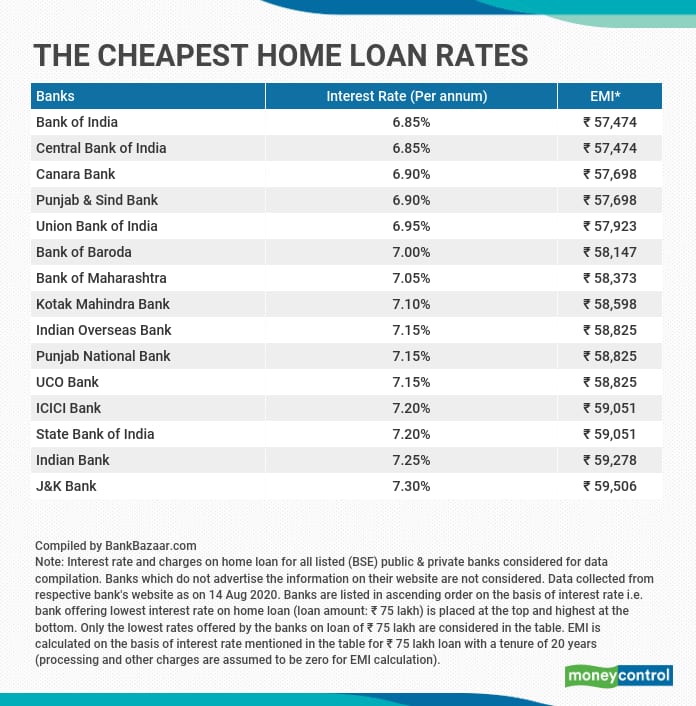
How Interest Rates Impact Your Mortgage Payments and Overall Cost
The interest rate is not merely a percentage; it’s a powerful lever that dictates how much you pay each month and, more significantly, the total amount you will spend on your home over decades. A seemingly small difference in the rate can translate into tens of thousands of dollars over the life of the loan.
Monthly Payment Calculation
Your monthly mortgage payment is comprised of four main components, often referred to as PITI: Principal, Interest, Taxes, and Insurance. While property taxes and homeowner’s insurance are generally external factors, the interest rate directly determines the interest portion of your payment. Even a fractional increase or decrease in the interest rate can visibly alter your monthly outlay. For instance, on a $300,000 30-year fixed-rate mortgage, moving from a 7.0% to a 6.5% interest rate can reduce your monthly principal and interest payment by approximately $98. Over 360 payments, this seemingly small difference accumulates into significant savings.
Understanding the concept of amortization is also crucial. In the early years of a mortgage, a larger portion of your monthly payment goes towards interest, with a smaller amount applied to the principal. As the loan matures, this ratio gradually shifts, with more of your payment going towards reducing the principal balance. A lower interest rate means you start paying down your principal more aggressively from the outset.
Total Cost Over Loan Term
The cumulative impact of the interest rate becomes strikingly clear when you look at the total cost of the loan over its entire term. Consider the previous example: a 0.5% difference in interest rate on a $300,000 loan over 30 years saves you nearly $35,000 in interest alone. For higher loan amounts or longer terms, this disparity can balloon into hundreds of thousands of dollars.
This long-term perspective underscores why securing the lowest possible interest rate is often a primary goal for homebuyers. It’s not just about immediate monthly savings, but about minimizing the overall financial burden of homeownership.
Refinancing Opportunities
Interest rates are dynamic, constantly fluctuating with economic tides. For existing homeowners, significant drops in market interest rates can present compelling refinancing opportunities. Refinancing involves taking out a new mortgage to pay off your existing one, often with more favorable terms. The primary driver for refinancing is typically to secure a lower interest rate, which can reduce monthly payments, save money over the life of the loan, or even shorten the loan term.
However, refinancing isn’t without its costs, as it involves closing costs similar to those of an original mortgage. Homeowners must weigh the potential savings against these upfront costs to determine if refinancing is a financially sound decision for their specific situation.
Navigating the Home Loan Interest Rate Landscape
Given the profound impact of interest rates on your financial future, navigating the market strategically is paramount. This involves diligent research, proactive steps to improve your borrower profile, and judicious decision-making.
Shopping for the Best Rates
Just as you wouldn’t buy the first house you see, you shouldn’t settle for the first mortgage offer. Shopping around is arguably the most effective way to secure a competitive rate.
- Get Quotes from Multiple Lenders: Contact at least three to five different lenders – including banks, credit unions, and mortgage brokers. Each lender has different overheads, risk appetites, and loan products.
- Compare APRs, Not Just Interest Rates: Remember the distinction between the interest rate and the APR. Comparing APRs provides a more holistic view of the loan’s true cost, allowing for an apples-to-apples comparison between different offers.
- Negotiate with Lenders: Don’t be afraid to use offers from one lender to negotiate a better deal with another. Lenders are often willing to compete for your business, especially if you present them with a lower rate from a competitor.
Strategies to Secure a Favorable Rate
While market forces are largely beyond your control, there are concrete steps you can take to make yourself a more attractive borrower and secure a lower rate.
- Improve Your Credit Score: Prioritize paying bills on time, reducing credit card balances, and correcting any errors on your credit report months before applying for a mortgage. A higher score translates directly to lower perceived risk and better rates.
- Increase Your Down Payment: The more money you put down upfront, the less you need to borrow, and the lower the lender’s risk. Aiming for at least 20% can significantly improve your rate and eliminate PMI.
- Reduce Your Debt-to-Income (DTI) Ratio: Pay down other debts, such as car loans or student loans, before applying for a mortgage. A lower DTI signifies that you have more disposable income to comfortably handle mortgage payments.
- Consider “Buying Down” the Rate (Discount Points): Lenders sometimes offer the option to pay “discount points” upfront at closing. Each point typically costs 1% of the loan amount and reduces your interest rate. This can be a wise investment if you plan to stay in your home for a long time, as the long-term savings can outweigh the upfront cost.
- Lock in Your Rate: Once you have a conditional approval, and you’re comfortable with the rate, ask your lender to “lock” it in for a specific period (e.g., 30, 45, or 60 days). This protects you if market rates rise before your closing date. Be aware of the lock period and any fees for extending it.
Monitoring Market Trends
Staying informed about general economic news and interest rate forecasts can give you an edge. Websites like Freddie Mac, Fannie Mae, and major financial news outlets regularly publish reports and analyses on mortgage rate trends. While predicting exact movements is impossible, understanding the direction of the market can help you decide when to apply, when to lock, or when to consider refinancing.

Conclusion
The interest rate for a home loan is far more than a simple percentage; it is the financial backbone of your homeownership journey, influencing your monthly budget, long-term wealth, and overall financial peace of mind. From the foundational distinction between fixed and adjustable rates to the intricate dance of economic indicators, lender practices, and individual financial health, numerous factors converge to determine the rate you receive.
By diligently understanding these components, proactively optimizing your financial profile, and engaging in strategic shopping and negotiation, you position yourself to secure the most advantageous terms possible. Remember, the goal is not merely to find a home loan but to secure the right home loan with an interest rate that aligns with your financial capacity and long-term goals. With this comprehensive knowledge, you are better equipped to navigate the complex landscape of home financing and embark on a path toward successful and sustainable homeownership.
aViewFromTheCave is a participant in the Amazon Services LLC Associates Program, an affiliate advertising program designed to provide a means for sites to earn advertising fees by advertising and linking to Amazon.com. Amazon, the Amazon logo, AmazonSupply, and the AmazonSupply logo are trademarks of Amazon.com, Inc. or its affiliates. As an Amazon Associate we earn affiliate commissions from qualifying purchases.