
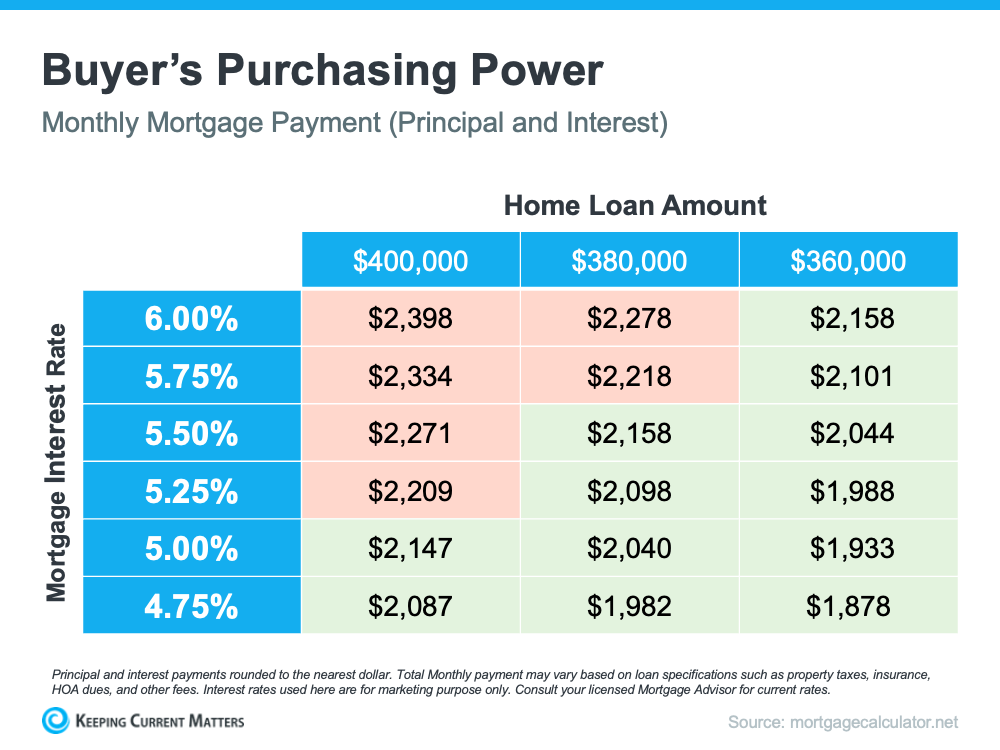
Understanding today’s mortgage rates is crucial for anyone looking to buy a home, refinance an existing loan, or simply stay informed about the economic landscape. Mortgage rates are not static; they are dynamic figures influenced by a myriad of economic indicators, Federal Reserve policies, global events, and individual borrower profiles. For prospective homeowners, a fraction of a percentage point can translate into thousands of dollars over the life of a loan, making diligent research and strategic planning indispensable. This article delves into the current state of mortgage rates, explores the forces that shape them, and provides practical advice for navigating the market to secure the most favorable terms.
The Current Landscape of Mortgage Rates
The journey to homeownership or refinancing invariably begins with understanding the prevailing mortgage rate environment. These rates are a barometer of economic health and directly impact the affordability of housing.
A Snapshot of Today’s Market
At any given moment, mortgage rates reflect a complex interplay of current economic data, market sentiment, and lender competition. While precise real-time rates require a personalized quote from a lender, general trends indicate whether rates are rising, falling, or remaining stable. Typically, rates for a 30-year fixed-rate mortgage are the benchmark, with 15-year fixed-rate and adjustable-rate mortgages (ARMs) offering different risk-reward profiles. Today’s market often sees a divergence in rates between these loan types, with shorter-term fixed loans generally carrying lower interest rates but higher monthly payments, and ARMs starting lower but introducing future rate uncertainty. Factors such as inflation, employment figures, and consumer confidence reports contribute to the daily ebb and flow, making the market highly sensitive to new information. This constant flux necessitates staying updated, as a rate quoted one week may be different the next.
Understanding the Rate Fluctuations
Mortgage rates don’t change in a vacuum; their fluctuations are systematic and often predictable to those who understand the underlying economic principles. Short-term movements can be triggered by daily bond market performance, which often reacts to geopolitical news or domestic economic reports. Longer-term trends, however, are typically driven by more fundamental shifts in the economy. For instance, periods of high inflation often lead to higher mortgage rates as lenders demand greater compensation for the eroding purchasing power of future repayments. Conversely, economic slowdowns or recessions can push rates down as central banks seek to stimulate borrowing and investment. Furthermore, the supply and demand for mortgage-backed securities (MBS) in the secondary market also play a significant role. When there’s high demand for MBS, rates tend to fall, and when demand is low, rates tend to rise.
Different Loan Types, Different Rates
The type of mortgage chosen significantly impacts the interest rate offered. The 30-year fixed-rate mortgage is the most popular, providing payment predictability and stability. Its rate is generally higher than that of a 15-year fixed-rate mortgage because lenders take on more interest rate risk over a longer period. While the 15-year fixed loan has a lower interest rate, its shorter term results in higher monthly payments, which can be a barrier for some borrowers. Adjustable-rate mortgages (ARMs) typically offer the lowest initial rates for a set period (e.g., 5/1 ARM, 7/1 ARM) before adjusting annually based on a specific index. These can be attractive for borrowers who plan to sell or refinance before the adjustment period, or who anticipate their income increasing substantially. However, the risk of future rate hikes can make ARMs less appealing in an environment of rising interest rates. Government-backed loans like FHA, VA, and USDA loans also have their own rate structures, often designed to be more accessible for specific borrower groups, and their rates can sometimes be lower than conventional loans due to the government guarantee.
Key Factors Influencing Mortgage Rates
Mortgage rates are a cornerstone of the housing market, directly influenced by a complex web of economic forces. Understanding these factors is key to predicting rate movements and making informed financial decisions.
Economic Indicators
The health of the broader economy plays a pivotal role in shaping mortgage rates. Inflation, perhaps the most critical indicator, signals a decrease in purchasing power over time. When inflation rises, lenders typically increase interest rates to ensure that the future payments they receive retain their value. Conversely, low inflation or deflation can lead to lower rates. Gross Domestic Product (GDP), a measure of economic output, also has a significant impact. A strong GDP growth often correlates with higher demand for credit and potential inflation, pushing rates up. Employment figures, such as the unemployment rate and job growth, reflect consumer confidence and spending power. A robust job market can lead to increased consumer spending, potentially fueling inflation and prompting rate hikes. Other indicators like retail sales, manufacturing output, and consumer sentiment surveys provide additional clues about economic momentum and future rate trajectories.
Federal Reserve Policy and the Federal Funds Rate
While the Federal Reserve does not directly set mortgage rates, its monetary policy decisions exert a profound indirect influence. The primary tool is the federal funds rate, the target rate for overnight lending between banks. When the Fed raises the federal funds rate, it becomes more expensive for banks to borrow money, which trickles down to consumers in the form of higher interest rates on various loans, including mortgages. The Fed’s actions, particularly its stance on inflation and economic growth, are closely watched by bond markets. For example, if the Fed signals a more aggressive approach to combating inflation, bond yields tend to rise, pulling mortgage rates higher. Conversely, a dovish stance, often involving rate cuts or quantitative easing, aims to stimulate the economy by making borrowing cheaper, which typically translates to lower mortgage rates.
The Bond Market and Treasury Yields
The bond market is perhaps the most direct influencer of mortgage rates. Mortgage rates are closely tied to the yield on the 10-year Treasury bond. When investors demand higher returns on these long-term government bonds, their yields rise. Since mortgage-backed securities (MBS), which form the basis of most mortgages, compete with Treasuries for investor attention, higher Treasury yields necessitate higher MBS yields to attract investors, which in turn leads to higher mortgage rates. Factors like investor demand for safe-haven assets (which drives Treasury yields down) or market expectations for inflation (which drives Treasury yields up) directly translate into movements in mortgage rates. A volatile bond market often means volatile mortgage rates, making it challenging for borrowers to predict future movements.
Lender-Specific Factors
Beyond macroeconomic forces, individual borrower characteristics significantly affect the specific rate offered by a lender. Your credit score is paramount; a higher score (typically 740 and above) signals lower risk to lenders, often qualifying you for the best available rates. Conversely, a lower score will result in higher rates as lenders compensate for the increased risk of default. The size of your down payment also matters. A larger down payment (e.g., 20% or more) reduces the loan-to-value (LTV) ratio, making the loan less risky for the lender and potentially qualifying you for better rates and avoiding private mortgage insurance (PMI). Your debt-to-income (DTI) ratio, which compares your total monthly debt payments to your gross monthly income, is another critical factor. A lower DTI indicates that you have sufficient income to manage your debt, making you a more attractive borrower and often leading to more favorable rates. Lenders also consider loan type, term, and the property’s location and type when determining final rates.
Navigating Different Mortgage Options
The mortgage market offers a variety of loan products, each with distinct features, benefits, and associated rate structures. Choosing the right option is a critical step in optimizing your financial outcome.
Fixed-Rate Mortgages: Stability in an Uncertain Market
Fixed-rate mortgages are the most common choice, offering predictable monthly principal and interest payments for the entire loan term. The most popular options are the 30-year fixed and the 15-year fixed. The primary advantage of a fixed-rate mortgage is stability; your interest rate will not change regardless of market fluctuations. This predictability makes budgeting easier and protects borrowers from potential rate hikes in the future. In an environment where rates are expected to rise, locking into a fixed rate can be a smart move. However, the trade-off is that if rates fall significantly after you’ve locked in, you would need to refinance to take advantage of the lower market rates. While 30-year fixed rates are usually higher than 15-year fixed rates, they offer lower monthly payments, which can be essential for affordability.
Adjustable-Rate Mortgages (ARMs): Balancing Risk and Reward
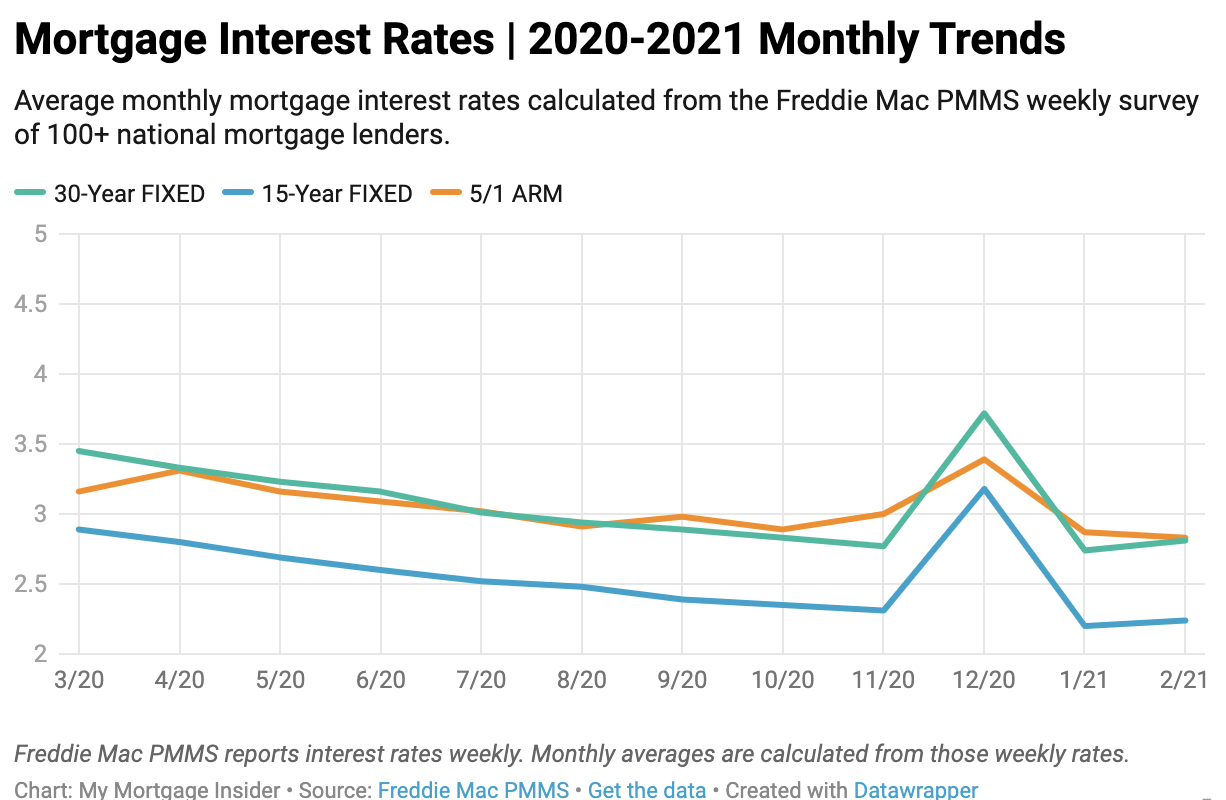
Adjustable-Rate Mortgages (ARMs) offer an initial fixed interest rate for a predetermined period, after which the rate adjusts periodically based on a specific market index. Common ARMs include 5/1, 7/1, and 10/1 ARMs, where the first number indicates the initial fixed-rate period in years, and the ‘1’ signifies annual adjustments thereafter. The allure of ARMs lies in their typically lower initial interest rates compared to fixed-rate mortgages. This can lead to significantly lower monthly payments during the introductory period, freeing up cash for other investments or allowing borrowers to qualify for a larger loan amount. However, ARMs come with the inherent risk of future rate increases, which can lead to higher monthly payments once the adjustment period begins. ARMs are often suitable for borrowers who plan to sell or refinance before the fixed-rate period ends, or those who anticipate a substantial increase in their income that would offset potential rate hikes. Lenders usually include caps on how much the rate can adjust per period and over the life of the loan, offering some protection against extreme fluctuations.
Government-Backed Loans (FHA, VA, USDA): Tailored Solutions
Government-backed loans are designed to make homeownership more accessible to specific segments of the population. FHA loans, insured by the Federal Housing Administration, are popular among first-time homebuyers or those with lower credit scores and smaller down payments (as little as 3.5%). While they offer more flexible qualification criteria, FHA loans require borrowers to pay mortgage insurance premiums (MIP), both upfront and annually, which adds to the overall cost. VA loans, guaranteed by the Department of Veterans Affairs, are an exceptional benefit for eligible veterans, service members, and surviving spouses. They often require no down payment and no private mortgage insurance, and typically come with competitive interest rates. USDA loans, backed by the U.S. Department of Agriculture, are designed for low-to-moderate-income individuals purchasing homes in eligible rural areas. These loans also often require no down payment and offer attractive rates, though they have income and property location restrictions. Each of these government programs provides tailored solutions, often with more lenient underwriting standards compared to conventional loans, making homeownership a reality for many who might not otherwise qualify.
Refinancing: Opportunities for Existing Homeowners
Refinancing involves replacing your existing mortgage with a new one, often to secure a lower interest rate, change the loan term, or convert equity into cash (cash-out refinance). The decision to refinance is typically driven by a significant drop in market interest rates, allowing homeowners to reduce their monthly payments or save substantial money over the loan’s life. Alternatively, some homeowners refinance from an ARM to a fixed-rate mortgage to eliminate interest rate risk, especially if rates are low and stable. A cash-out refinance allows homeowners to borrow against their home equity, converting a portion of it into liquid cash, which can be used for home improvements, debt consolidation, or other large expenses. However, refinancing comes with closing costs, which can range from 2% to 5% of the loan amount. Homeowners must carefully weigh these costs against the potential savings or benefits to determine if refinancing is financially advantageous.
Strategies for Securing the Best Rate
Achieving the lowest possible mortgage rate requires more than just good timing; it involves proactive steps to present yourself as an ideal borrower.
Boosting Your Credit Score
Your credit score is arguably the most significant individual factor influencing the mortgage rate you’re offered. Lenders use it to assess your creditworthiness and the likelihood of you defaulting on the loan. A higher score signals lower risk, translating into access to the most competitive rates. Aim for a score of 740 or higher to qualify for top-tier pricing. To improve your score, focus on paying all bills on time, reducing outstanding debt (especially on credit cards), keeping credit utilization low (below 30%), and avoiding opening new credit accounts just before applying for a mortgage. Regularly review your credit report for errors and dispute any inaccuracies.
Saving for a Larger Down Payment
A larger down payment reduces the loan-to-value (LTV) ratio, which is the amount of the loan compared to the home’s value. From a lender’s perspective, a lower LTV means less risk, as the borrower has more equity in the home. A down payment of 20% or more often results in a lower interest rate because it signifies financial stability and eliminates the need for private mortgage insurance (PMI). Even if you can’t hit 20%, every additional percentage point you put down can incrementally improve your rate and reduce your overall borrowing costs.
Shopping Around for Lenders
One of the most effective strategies for securing a lower rate is to shop around and compare offers from multiple lenders. Don’t just settle for the first quote you receive. Contact various banks, credit unions, and mortgage brokers. Each lender has different overheads, risk assessment models, and appetites for specific types of loans, leading to variations in the rates and fees they offer. Obtain Loan Estimates from at least three to five different lenders within a short period (typically 14 to 45 days, depending on the credit scoring model) to minimize the impact on your credit score. This allows for a direct comparison of interest rates, closing costs, and terms.
Understanding Points and Fees
When comparing offers, it’s crucial to look beyond just the interest rate. Lenders often charge “points,” which are prepaid interest that borrowers can pay upfront to “buy down” their interest rate. One point equals 1% of the loan amount. Paying points can reduce your monthly payment and save money over the long term, but it increases your upfront closing costs. You need to calculate the break-even point to determine if paying points is financially beneficial for your specific situation and how long you plan to stay in the home. Additionally, scrutinize all other fees, such as origination fees, appraisal fees, title insurance, and legal fees. A slightly higher interest rate with significantly lower fees might be a better deal than a rock-bottom rate loaded with excessive charges.
Locking in Your Rate
Once you’ve found a favorable rate, inquire about “locking in” that rate. A rate lock guarantees that your interest rate won’t change between the time you apply and the day you close, protecting you from potential market fluctuations. Most rate locks last for 30 to 60 days, but longer lock periods are available, often for an additional fee. It’s crucial to lock your rate when you are confident in your lender and have a clear closing timeline. Locking too early could mean missing out on lower rates if the market improves, while waiting too long risks rates increasing. Discuss the optimal time to lock with your loan officer based on current market conditions and your closing schedule.
The Future Outlook: What to Expect
Forecasting mortgage rates is an imprecise science, subject to a multitude of unpredictable global and domestic events. Nevertheless, understanding the prevailing expert consensus and market trends can help borrowers anticipate potential shifts and prepare accordingly.
Expert Predictions and Market Trends
Economists and housing market analysts constantly monitor key indicators to predict future rate movements. While predictions vary, common themes emerge. The trajectory of inflation is a significant determinant; if inflation remains stubbornly high, central banks may continue their efforts to cool the economy, potentially leading to higher rates. Conversely, signs of a significant economic slowdown or recession could prompt central banks to ease monetary policy, which might drive rates down. Geopolitical stability, global supply chain health, and consumer spending patterns also factor into these forecasts. Currently, many experts project that rates could fluctuate within a certain range, potentially softening if economic growth decelerates, or rising again if inflation proves more persistent than expected. It’s rare for rates to move dramatically in a single direction for extended periods; rather, they tend to react to the latest economic data and policy announcements.
Preparing for Rate Changes
For borrowers, the best strategy is not to try and time the market perfectly, but rather to prepare for potential rate changes by strengthening their financial position. This includes maintaining an excellent credit score, building a robust emergency fund, and keeping debt levels manageable. If you’re considering buying a home, getting pre-approved for a mortgage early can give you a clear understanding of what rates you qualify for and what your monthly payments would look like. For existing homeowners, regularly evaluating your mortgage terms against current market rates can highlight refinancing opportunities, especially if rates drop significantly. Building a buffer in your budget that can absorb potential increases in monthly payments (if you have an ARM) is also a prudent step. Staying informed about economic news and consulting with a trusted financial advisor or mortgage professional are invaluable steps in navigating an evolving rate environment.
The Long-Term Impact on Homeownership
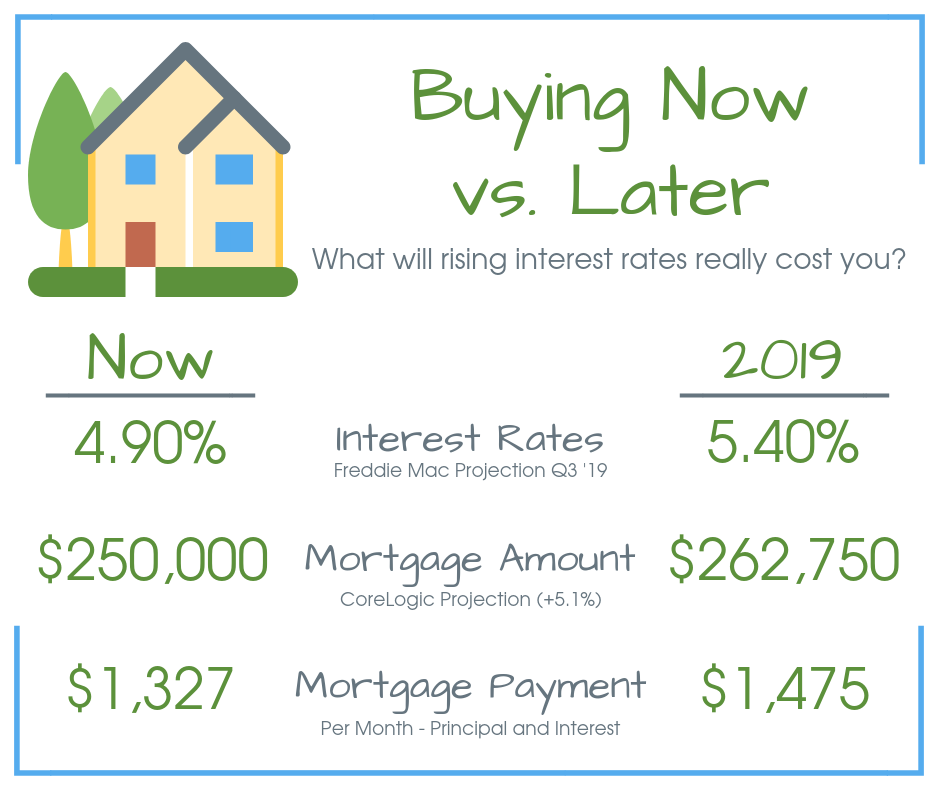
The long-term impact of mortgage rates on homeownership is profound. Higher rates can dampen housing demand by reducing affordability, potentially leading to slower home price appreciation or even declines in some markets. This can create challenges for first-time buyers and those looking to move up the property ladder. Conversely, lower rates stimulate demand, making homeownership more accessible and potentially fueling price increases. For existing homeowners, rate changes directly affect equity growth and the cost of holding their property. Over decades, the cumulative effect of interest paid on a mortgage can be substantial, underscoring the importance of securing the best possible rate. Ultimately, understanding and adapting to the dynamic nature of mortgage rates is a crucial aspect of sound personal finance and successful long-term homeownership planning.
aViewFromTheCave is a participant in the Amazon Services LLC Associates Program, an affiliate advertising program designed to provide a means for sites to earn advertising fees by advertising and linking to Amazon.com. Amazon, the Amazon logo, AmazonSupply, and the AmazonSupply logo are trademarks of Amazon.com, Inc. or its affiliates. As an Amazon Associate we earn affiliate commissions from qualifying purchases.