
Navigating the mortgage market to find the most favorable rate can feel like chasing a moving target. In an economic landscape characterized by constant shifts, the “lowest mortgage rate today” is not a static figure but rather a dynamic snapshot influenced by a confluence of global and personal factors. For prospective homebuyers and those considering refinancing, understanding these underlying dynamics is paramount to securing a deal that aligns with their financial goals. This article will delve into the intricacies of current mortgage rates, illuminate the variables that dictate their fluctuations, and provide actionable strategies to help you uncover the most advantageous mortgage options available.
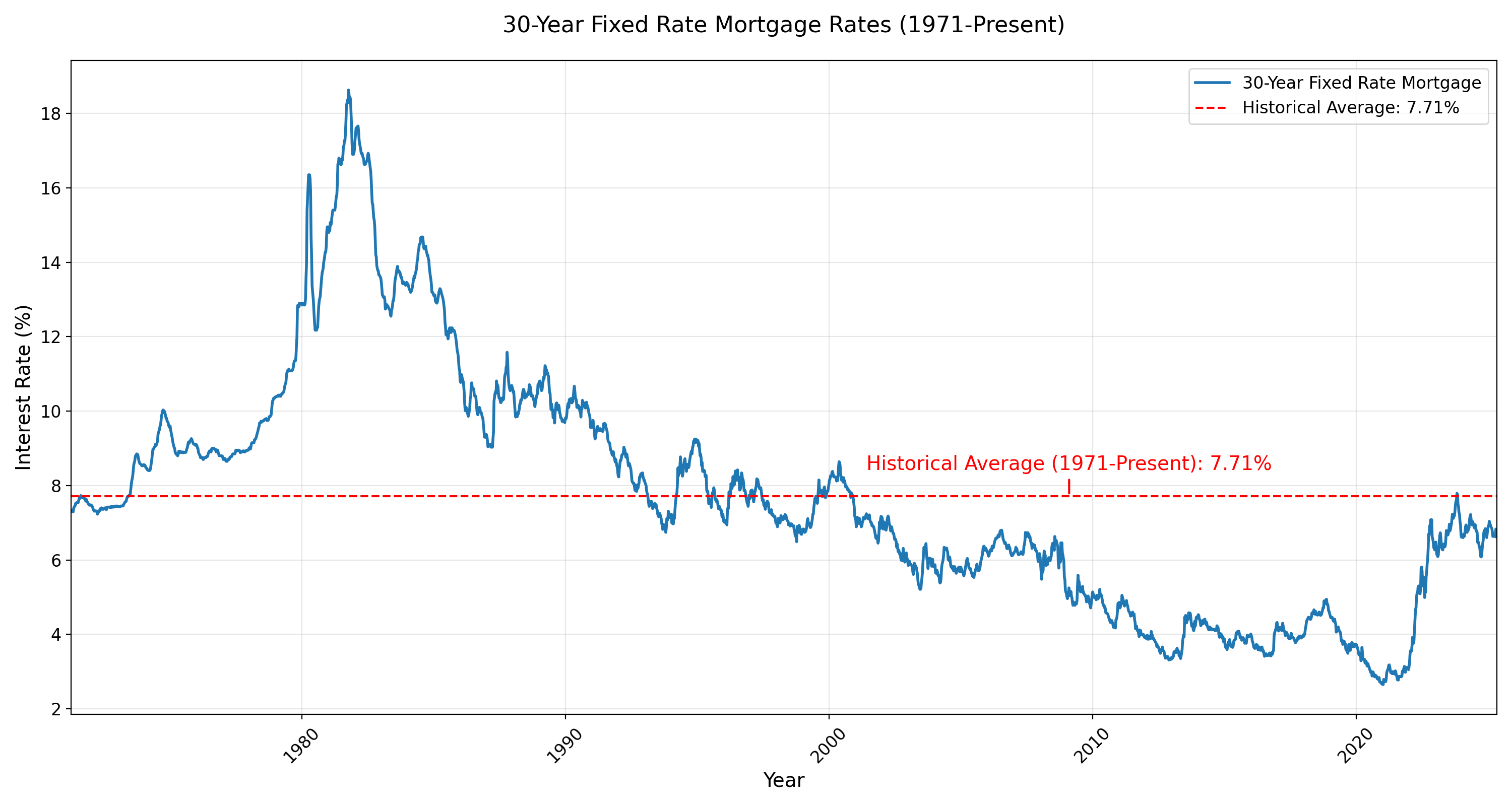
The Ever-Shifting Landscape of Mortgage Rates
The journey to pinpointing the lowest mortgage rate begins with comprehending the broader economic forces that orchestrate their movement. Mortgage rates are not set in isolation; they are deeply interconnected with the health of the economy, government policy, and investor sentiment.
Key Economic Indicators at Play
Several powerful indicators exert significant influence over mortgage rates:
- Federal Reserve Policy: The Federal Reserve’s actions, particularly its decisions on the federal funds rate, serve as a foundational benchmark for interest rates across the economy. While the federal funds rate doesn’t directly dictate mortgage rates, it influences the cost of borrowing for banks, which, in turn, impacts the rates they offer to consumers. When the Fed raises rates, it generally signals a tightening of monetary policy, often leading to higher mortgage rates. Conversely, a dovish stance can pave the way for lower rates.
- Inflation: The specter of inflation is a primary concern for lenders. When inflation rises, the purchasing power of money diminishes over time. Lenders, to protect the real return on their loans, will demand higher interest rates to compensate for this anticipated erosion of value. Therefore, strong inflation data often pushes mortgage rates upward.
- The Bond Market (Specifically 10-Year Treasury Yields): Mortgage rates, particularly for 30-year fixed-rate mortgages, are closely tied to the performance of the 10-year Treasury bond yield. Mortgage-backed securities (MBS), which are bundles of home loans sold to investors, compete with Treasury bonds for investor attention. When Treasury yields rise, MBS must offer higher yields (and thus higher mortgage rates) to remain attractive to investors. Monitoring the 10-year Treasury yield provides a robust proxy for anticipating the direction of fixed mortgage rates.
- Economic Growth and Employment Data: A robust economy, characterized by strong GDP growth and low unemployment, often suggests a greater demand for credit and potential inflationary pressures, which can lead to higher rates. Conversely, signs of economic slowdown or recession typically drive rates down as investors seek the safety of bonds and the Fed may consider stimulative measures.
The Impact of Market Volatility
In today’s interconnected global economy, geopolitical events, international trade tensions, and even daily news headlines can inject volatility into financial markets. This volatility directly translates to unpredictable movements in mortgage rates. A sudden crisis, for example, might prompt investors to flock to safe-haven assets like Treasury bonds, driving down their yields and potentially leading to a temporary dip in mortgage rates. Conversely, positive economic news could have the opposite effect. Staying informed about current events is crucial, but attempting to perfectly time the market is often an exercise in futility.
Types of Mortgage Rates
When searching for the “lowest” rate, it’s vital to distinguish between the primary types of mortgages, as their starting rates and long-term implications differ significantly:
- Fixed-Rate Mortgages (FRMs): The interest rate remains constant for the entire loan term, typically 15 or 30 years. This offers predictable monthly payments and protection against rising rates. While initially higher than ARMs, the stability often makes them a preferred choice for long-term homeowners.
- Adjustable-Rate Mortgages (ARMs): These loans feature an initial fixed interest rate for a set period (e.g., 3, 5, 7, or 10 years), after which the rate adjusts periodically based on a predetermined index plus a margin. ARMs often boast lower introductory rates compared to fixed-rate options, making them appear “lowest” initially. However, borrowers assume the risk of potentially higher payments once the fixed period ends. ARMs can be suitable for those who plan to sell or refinance before the adjustment period, or those comfortable with interest rate risk.
Unearthing Your Most Favorable Mortgage Offer
While macroeconomic factors dictate the general trend, the absolute “lowest rate” you qualify for depends heavily on your proactive efforts and understanding of the market.
The Power of Comparison Shopping
This cannot be overstressed: comparison shopping is non-negotiable. Mortgage rates can vary significantly between different lenders on the same day, even for borrowers with identical financial profiles. Banks, credit unions, and independent mortgage brokers each have their own pricing structures, overheads, and risk appetites. Obtaining quotes from at least three to five different lenders is a fundamental step in securing the best possible rate. Don’t just look at the advertised rate; request a Loan Estimate (LE), which provides a standardized summary of the loan terms, projected payments, and closing costs.
Leveraging Online Tools and Professional Advice
The digital age has democratized access to mortgage information:
- Online Comparison Sites: Numerous websites allow you to input your financial details and receive indicative rate quotes from multiple lenders simultaneously. While these are great starting points, remember they are often lead generators, and the precise rate may require further application.
- Mortgage Brokers: An independent mortgage broker acts as an intermediary, working with various lenders to find you the best deal. They can be invaluable for borrowers with complex financial situations or those who prefer not to navigate the myriad options themselves. A good broker understands the market nuances and can often secure rates that individual borrowers might miss.
- Direct Lenders (Banks & Credit Unions): Don’t overlook traditional banks and local credit unions. While credit unions often have a reputation for competitive rates and lower fees due to their member-owned structure, large banks can also offer compelling deals, especially for existing customers.
Understanding the APR vs. Interest Rate
When comparing loan offers, always look beyond the quoted interest rate and focus on the Annual Percentage Rate (APR). The interest rate is simply the cost of borrowing the principal loan amount. The APR, however, is a broader measure of the total cost of the loan over its term, including the interest rate and most fees, such as origination fees, discount points, and some closing costs. A loan with a slightly higher interest rate but significantly lower fees might have a lower APR, indicating it’s the less expensive option overall. The APR offers a more accurate “true cost” comparison between different loan products.
Personal Pillars of a Preferential Rate
While market conditions set the stage, your individual financial health plays a decisive role in determining the specific rate you’re offered. Lenders assess risk, and the better your financial profile, the lower the perceived risk, and thus, the more favorable the rate you’re likely to receive.
The Cornerstone: Your Credit Score
Your FICO score is arguably the single most important factor. Lenders use it to gauge your creditworthiness and your likelihood of repaying the loan. A higher credit score (generally 740+) indicates a lower risk borrower and typically unlocks access to the lowest advertised rates. Scores below this threshold will likely result in higher interest rates, as lenders compensate for the increased risk. Taking steps to improve your credit score – paying bills on time, reducing debt, correcting errors on your credit report – can literally save you thousands of dollars over the life of a mortgage.
Down Payment: More Equity, Lower Risk
The size of your down payment directly impacts your Loan-to-Value (LTV) ratio and, consequently, your interest rate. A larger down payment (e.g., 20% or more) means you’re borrowing less relative to the property’s value. This reduces the lender’s risk exposure, often leading to a lower interest rate. Additionally, a 20% down payment typically helps you avoid Private Mortgage Insurance (PMI), an extra monthly cost that protects the lender, not you. Even a modest increase in your down payment can sometimes push you into a lower interest rate tier.
Debt-to-Income (DTI) Ratio: A Lender’s Perspective
Your Debt-to-Income (DTI) ratio is a critical measure lenders use to assess your ability to manage monthly payments. It’s calculated by dividing your total monthly debt payments (including the prospective mortgage payment) by your gross monthly income. Most lenders prefer a DTI ratio of 36% or less, though some programs may allow up to 43% or even 50% under specific conditions. A lower DTI signifies that you have more disposable income to cover your mortgage, reducing the risk of default and potentially qualifying you for better rates.
Loan-to-Value (LTV) Ratio
The LTV ratio is a comparison of the amount of the loan to the appraised value of the property. For instance, if a home is appraised at $300,000 and you are borrowing $240,000, your LTV is 80% ($240,000 / $300,000). As mentioned with down payments, a lower LTV (meaning you have more equity or a larger down payment) is generally seen as less risky by lenders and can often result in more favorable interest rates. LTV is especially critical during refinancing, where existing equity plays a similar role to a down payment.
Beyond the Rate: Assessing the Full Mortgage Package
While the interest rate is undeniably a significant component, it’s merely one piece of the complex mortgage puzzle. A truly “lowest cost” mortgage involves a comprehensive evaluation of all associated expenses and terms.
Closing Costs and Fees
Closing costs are an assortment of fees charged by lenders and third parties for processing and closing your loan. These can include origination fees, appraisal fees, title insurance, attorney fees, survey fees, and recording fees. They typically range from 2% to 5% of the loan amount and can add tens of thousands of dollars to your upfront expenses. A seemingly low interest rate might be offset by exorbitant closing costs, making the overall deal less attractive. Carefully scrutinize the Loan Estimate for all fees, and don’t hesitate to negotiate or shop for better deals on services like title insurance.
Lender Reputation and Customer Service
The mortgage process can be lengthy and complex. The reputation of your lender and the quality of their customer service can significantly impact your experience. A responsive, transparent, and efficient lender can make the journey smoother, while a disorganized one can lead to delays, frustration, and even jeopardize your closing. Research lender reviews, ask for references, and gauge their communication during the initial inquiry phase. A slightly higher rate with exceptional service might be preferable to a marginally lower rate with a difficult lender.
Prepayment Penalties and Loan Flexibility
Before committing to a mortgage, understand its flexibility. Some loans, particularly certain non-qualified mortgages, may carry prepayment penalties, meaning you’ll incur a fee if you pay off the loan early (e.g., through refinancing or selling the home). While less common with conventional mortgages, it’s crucial to confirm. Additionally, consider the ease of making extra principal payments and how your lender handles escrow accounts for property taxes and insurance.
Escrow Accounts and Property Taxes/Insurance
Most mortgages include an escrow account, where a portion of your monthly payment goes towards anticipated property taxes and homeowner’s insurance premiums. While convenient, it’s important to understand how these amounts are calculated and adjusted. Fluctuations in property taxes or insurance costs can lead to changes in your overall monthly mortgage payment, even if your principal and interest payment remains fixed. Ensure transparency in how your escrow account is managed.
Strategic Moves for Securing and Sustaining a Low Rate
The search for the lowest mortgage rate is an ongoing process that extends beyond the initial application. Strategic planning and continuous market awareness can yield significant long-term financial benefits.
Preparing Your Financial Profile
Before you even begin seriously shopping, take the time to polish your financial profile. Obtain a copy of your credit report from all three major bureaus (Experian, Equifax, TransUnion) and dispute any inaccuracies. Pay down high-interest debt to improve your DTI. Accumulate a solid emergency fund and maximize your down payment savings. Get all your financial documentation in order – tax returns, pay stubs, bank statements – to streamline the pre-approval process and present yourself as a well-prepared, low-risk borrower.
Rate Locks: Timing the Market
Once you receive an offer for a rate you’re comfortable with, consider a “rate lock.” A rate lock guarantees the interest rate for a specific period (e.g., 30, 45, or 60 days) while your loan is being processed. This protects you from rate increases if market conditions worsen during the underwriting period. However, be aware of the lock duration and any associated fees. If rates fall significantly after you’ve locked, you might miss out on even better terms, though some lenders offer a “float-down” option for an additional fee.
The Potential of Refinancing
For existing homeowners, the “lowest mortgage rate today” isn’t just for new purchases; it also represents an opportunity to refinance. If current rates are significantly lower than your existing mortgage rate, refinancing can reduce your monthly payments, lower your overall interest cost, or even change your loan term (e.g., from 30 to 15 years). Weigh the closing costs of refinancing against the potential savings over time to determine if it’s a financially sound decision.
Continuous Monitoring of the Market
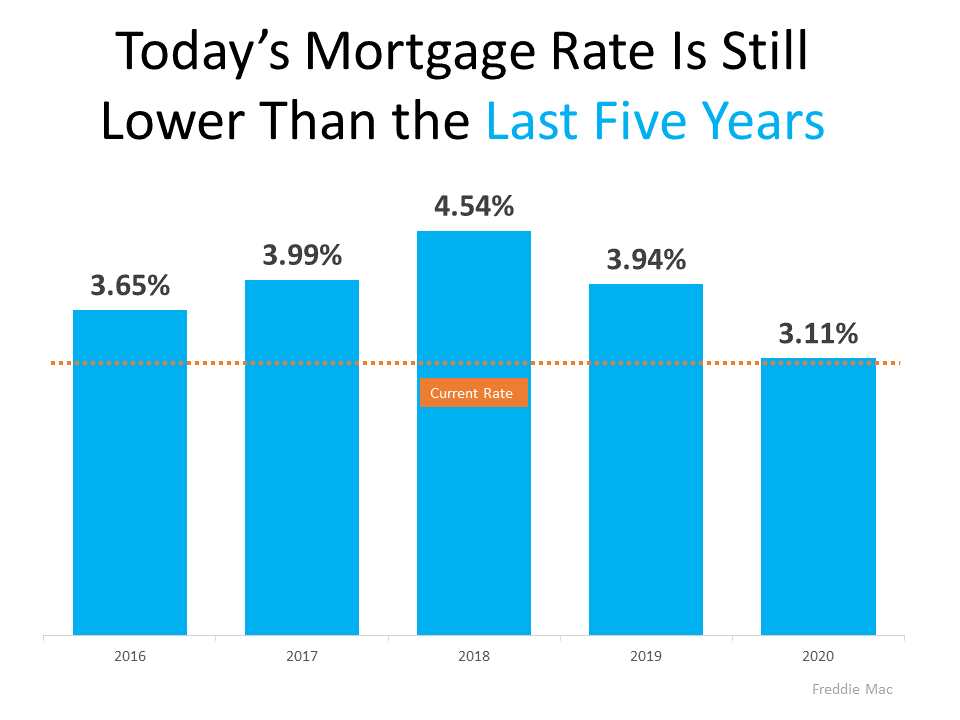
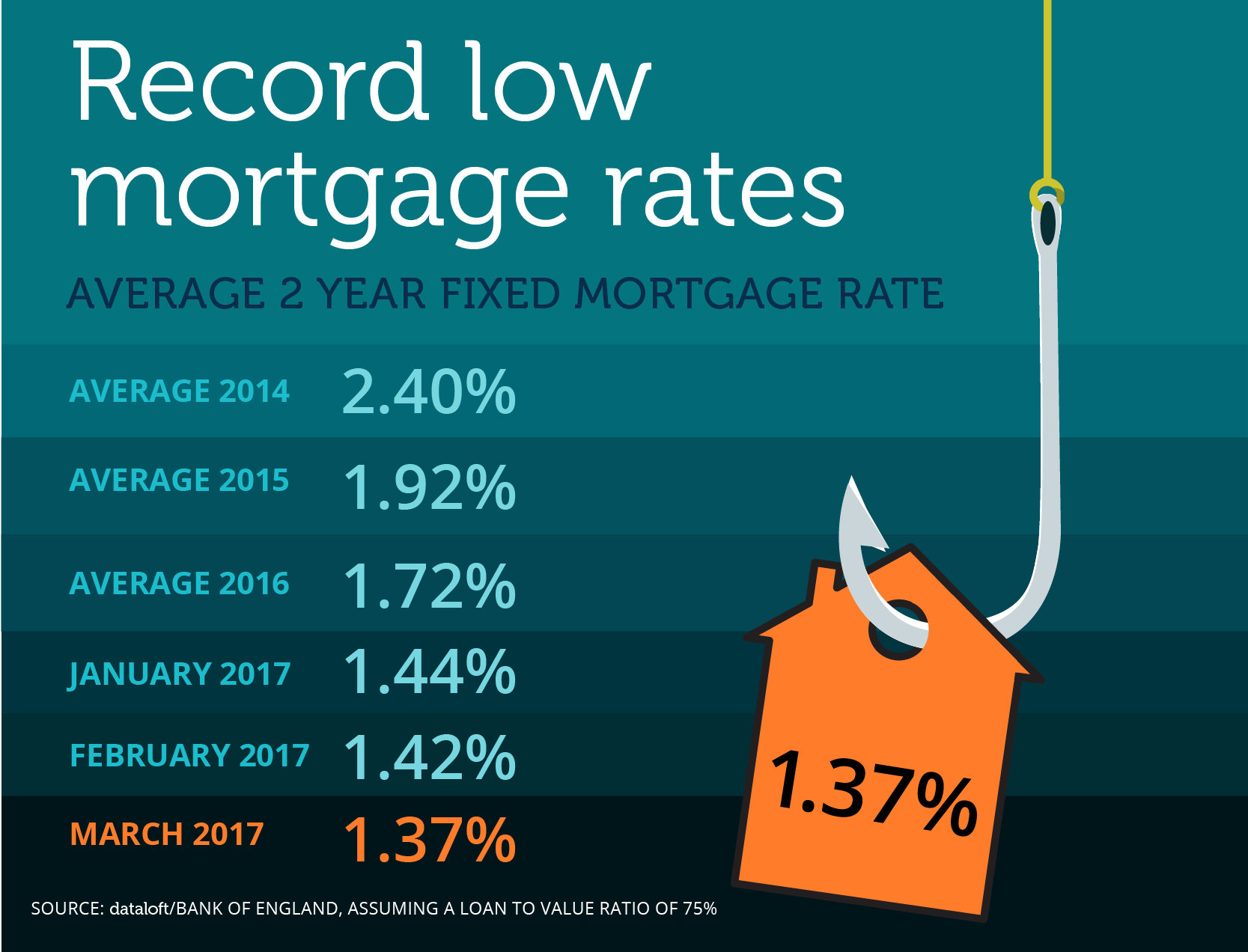
The mortgage market is dynamic. Even after you’ve secured a loan, staying informed about economic trends and interest rate movements is a prudent financial habit. Rates can shift dramatically over months or years, creating new opportunities for refinancing or optimizing your financial strategy. Tools and services exist that can alert you to significant rate drops, ensuring you’re always aware of potential savings.
In conclusion, identifying the lowest mortgage rate today is a multi-faceted endeavor that combines an understanding of macroeconomic forces with diligent personal financial preparation and astute comparison shopping. While the specific rate will always be a moving target, by focusing on improving your financial profile, leveraging available tools and expertise, and meticulously evaluating every aspect of a loan offer beyond just the headline rate, you significantly enhance your chances of securing a mortgage that truly serves your financial best interest.
aViewFromTheCave is a participant in the Amazon Services LLC Associates Program, an affiliate advertising program designed to provide a means for sites to earn advertising fees by advertising and linking to Amazon.com. Amazon, the Amazon logo, AmazonSupply, and the AmazonSupply logo are trademarks of Amazon.com, Inc. or its affiliates. As an Amazon Associate we earn affiliate commissions from qualifying purchases.