
The question “what are home mortgage rates today?” is perhaps one of the most frequently asked and economically significant inquiries for prospective homebuyers and existing homeowners alike. Mortgage rates are not merely numbers; they are powerful economic levers that dictate the affordability of homeownership, influence housing market activity, and have a profound impact on personal financial planning. These rates are in a constant state of flux, influenced by a complex interplay of global economic conditions, domestic monetary policy, and individual borrower profiles. Understanding their current state and the forces that shape them is crucial for anyone navigating the intricate world of real estate and personal finance.
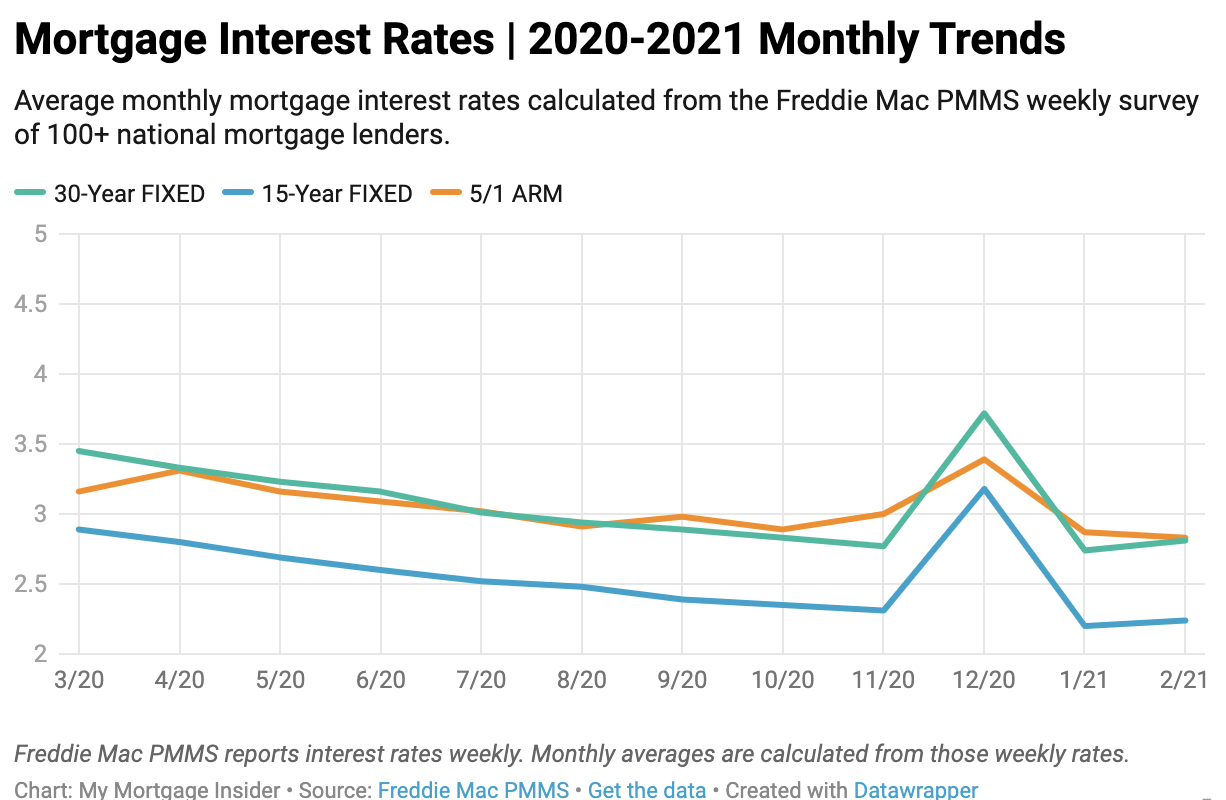
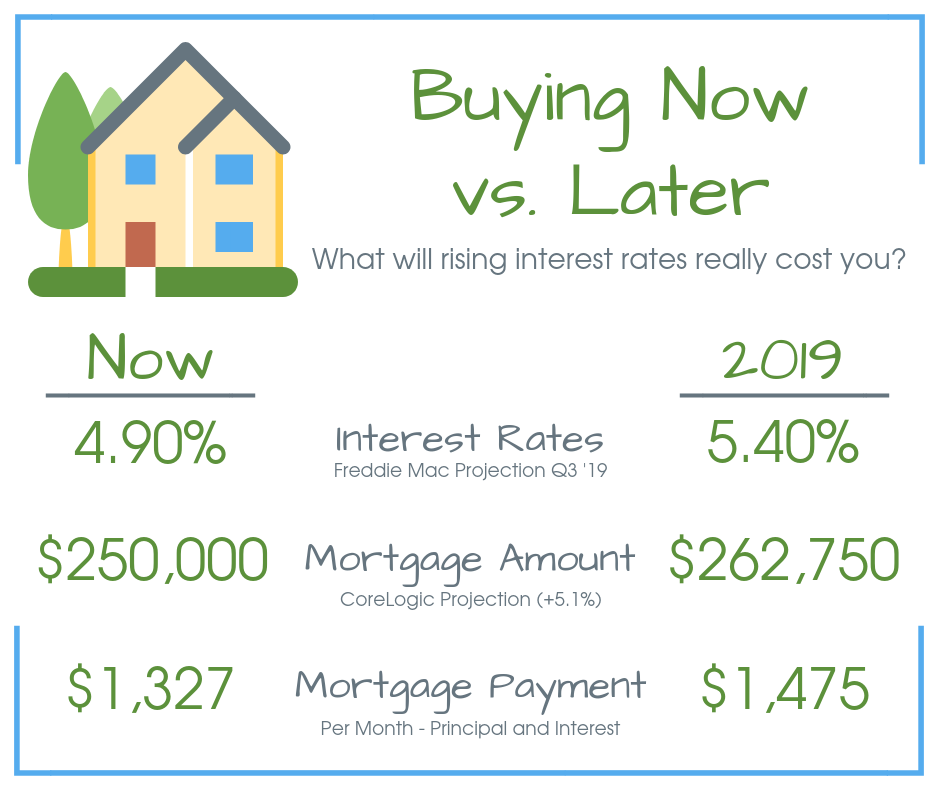
Today’s mortgage rates reflect a dynamic economic landscape, where inflation concerns, the Federal Reserve’s interest rate policies, and broader market sentiment converge. For a potential homeowner, even a small fraction of a percentage point change in an interest rate can translate into thousands of dollars over the life of a loan, significantly altering monthly payments and overall borrowing costs. For those already holding a mortgage, current rates might open doors to refinancing opportunities, potentially reducing their financial burden or freeing up capital. This article delves into the current environment of home mortgage rates, exploring the underlying factors that drive them, the different types of rates available, and strategic approaches to securing the most favorable terms.
Understanding the Dynamics of Mortgage Rates
Mortgage rates do not operate in a vacuum; they are a direct reflection of broader economic health and monetary policy. To truly grasp what rates are doing today, one must appreciate the intricate web of indicators and decisions that push them up or pull them down.
Key Economic Indicators at Play
Several powerful economic forces exert a significant influence on the direction of mortgage rates. Monitoring these indicators provides valuable insight into potential future rate movements.
- Federal Funds Rate: This is arguably the most impactful single factor. Set by the Federal Reserve, the federal funds rate is the target rate for overnight borrowing between banks. While the Fed does not directly set mortgage rates, changes to the federal funds rate influence the prime rate and, consequently, a wide range of consumer interest rates, including adjustable-rate mortgages and indirectly, fixed-rate mortgages. When the Fed raises rates to combat inflation, borrowing costs generally rise across the board.
- Inflation: The rate at which the general level of prices for goods and services is rising, and subsequently, purchasing power is falling, is a critical driver. Lenders charge higher interest rates to compensate for the erosion of their returns due to inflation over time. When inflation is high, mortgage rates tend to rise; when it’s under control, rates may stabilize or fall.
- Treasury Yields: Specifically, the yield on the 10-year U.S. Treasury bond is a bellwether for fixed-rate mortgages. Mortgage-backed securities (MBS) — the primary vehicle through which lenders fund mortgages — are priced based on these Treasury yields. As 10-year Treasury yields increase, so do fixed mortgage rates. This yield reflects investors’ expectations for future economic growth and inflation.
- Economic Growth and Employment Data: A strong economy, characterized by robust GDP growth and low unemployment, often signals higher inflation and potential rate hikes by the Fed, pushing mortgage rates upward. Conversely, signs of economic slowdown or recession can lead to lower rates as investors seek the safety of government bonds, driving down yields.
Lender-Specific Factors
Beyond the macroeconomic picture, individual lenders also assess specific factors related to the borrower and the loan itself when determining the final rate offered.
- Loan-to-Value (LTV) Ratio: This ratio compares the amount of the loan to the appraised value of the home. A lower LTV (meaning a larger down payment) generally translates to a lower interest rate, as it indicates less risk for the lender.
- Credit Score: A borrower’s credit score is a primary indicator of their creditworthiness. A higher credit score (typically 740 or above for conventional loans) signals a lower risk of default, allowing lenders to offer more competitive interest rates. Conversely, lower scores will result in higher rates.
- Debt-to-Income (DTI) Ratio: This ratio compares a borrower’s total monthly debt payments to their gross monthly income. A lower DTI ratio suggests that the borrower can comfortably manage their monthly obligations, including the new mortgage payment, making them a less risky prospect for lenders and potentially securing a better rate.
- Loan Type: The chosen mortgage product (e.g., 30-year fixed, 15-year fixed, 5/1 ARM) fundamentally influences the rate. Fixed-rate mortgages often have higher initial rates than adjustable-rate mortgages, reflecting the stability they offer.
- Market Competition among Lenders: The competitive landscape among mortgage lenders can also affect rates. In highly competitive markets, lenders may be willing to slightly reduce their profit margins to attract borrowers, leading to more favorable rates.
Types of Mortgage Rates and Their Implications
Understanding the various types of mortgage rates is paramount, as each comes with its own set of characteristics, benefits, and risks, suiting different financial situations and risk tolerances.
Fixed-Rate Mortgages (FRMs)
Fixed-rate mortgages are the bedrock of the housing market, prized for their predictability and stability. With an FRM, the interest rate remains constant for the entire duration of the loan.
- Stability and Predictability: The primary advantage of an FRM is that your principal and interest payment never changes. This makes budgeting straightforward and provides protection against rising interest rates in the future.
- Common Terms: The most popular fixed-rate terms are 30-year and 15-year mortgages. A 30-year fixed loan offers lower monthly payments but accrues more interest over time. A 15-year fixed loan has higher monthly payments but allows you to pay off the mortgage faster and pay significantly less interest overall.
- Pros and Cons: While offering peace of mind, FRMs typically start with slightly higher interest rates than initial ARM rates. However, they eliminate the risk of payment shock if market rates surge. They are ideal for borrowers planning to stay in their home for many years and who value consistent payments.
Adjustable-Rate Mortgages (ARMs)
Adjustable-rate mortgages offer an alternative for borrowers who are comfortable with some level of interest rate risk in exchange for potentially lower initial payments.
- Initial Lower Rates, Then Fluctuate: ARMs typically feature an initial fixed-rate period, after which the interest rate adjusts periodically based on a predetermined index (e.g., the Secured Overnight Financing Rate – SOFR) plus a margin.
- Hybrid ARMs: These are the most common type, designated as X/Y ARMs (e.g., 5/1 ARM). The first number (X) indicates the number of years the initial rate is fixed, and the second number (Y) indicates how often the rate will adjust after that period (e.g., annually). So, a 5/1 ARM has a fixed rate for the first five years, then adjusts annually.
- Caps: ARMs usually come with interest rate caps: a periodic cap (limits how much the rate can change at each adjustment), a lifetime cap (limits how much the rate can increase over the life of the loan), and sometimes an initial cap (limits the first adjustment). These caps provide some protection against extreme rate hikes.
- Pros and Cons: ARMs often start with lower interest rates than comparable fixed-rate mortgages, making them attractive for borrowers who plan to sell or refinance before the fixed-rate period ends, or who expect their income to rise significantly. The main risk is that rates could increase substantially after the initial fixed period, leading to higher monthly payments.
Government-Backed Loans (FHA, VA, USDA)
These loans are insured or guaranteed by federal agencies, making homeownership more accessible to specific groups of borrowers.
- Specific Eligibility Criteria:
- FHA Loans: Insured by the Federal Housing Administration, these loans are popular for first-time homebuyers or those with lower credit scores and smaller down payments.
- VA Loans: Guaranteed by the Department of Veterans Affairs, these are available to eligible service members, veterans, and surviving spouses, often requiring no down payment and no private mortgage insurance (PMI).
- USDA Loans: Backed by the U.S. Department of Agriculture, these loans are designed for low-to-moderate-income individuals purchasing homes in eligible rural areas, often with no down payment required.
- Benefits: These programs typically offer more lenient credit requirements, lower down payments, and sometimes more competitive interest rates due to the government backing, which reduces risk for lenders.
- Impact on Rates: While their rates are still influenced by market conditions, government backing can sometimes make these loans more affordable or accessible than conventional loans, even if the nominal rate isn’t the absolute lowest on any given day.
How to Get the Best Mortgage Rate
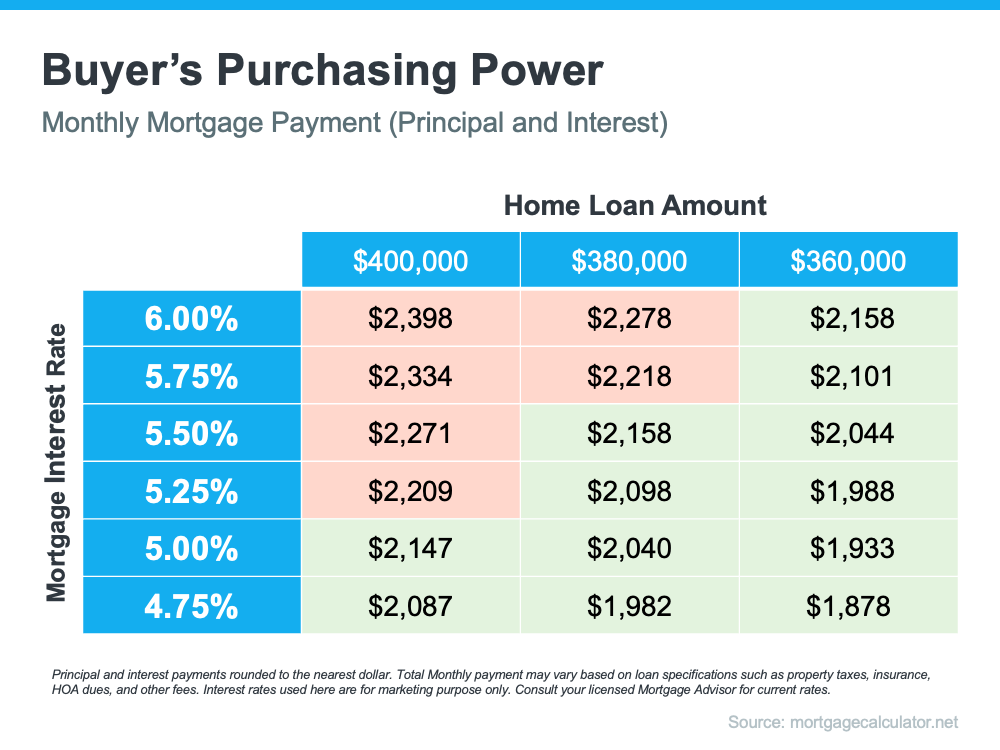
Securing the most favorable mortgage rate can significantly reduce your housing costs over the long term. It requires strategic planning and proactive engagement with the lending market.
Improving Your Financial Profile
Lenders assess risk, and a strong financial profile translates directly into lower perceived risk and, consequently, better rates.
- Boost Your Credit Score: A credit score of 740 or higher is generally considered excellent for mortgage qualification. Pay bills on time, reduce revolving debt, and avoid opening new credit lines before applying for a mortgage to improve your score.
- Reduce Your Debt-to-Income Ratio: Aim for a DTI ratio below 36%, with 28% for housing expenses often considered ideal by lenders. Paying down existing debts will lower this ratio and demonstrate your ability to manage additional debt.
- Save for a Larger Down Payment: A larger down payment (e.g., 20% or more) reduces your loan-to-value (LTV) ratio, signaling lower risk to lenders and often qualifying you for a lower interest rate. It also allows you to avoid private mortgage insurance (PMI) on conventional loans.
The Importance of Shopping Around
Many borrowers make the mistake of only checking with one or two lenders. However, rates can vary significantly between institutions.
- Comparing Multiple Lenders: Obtain quotes from at least three to five different lenders, including traditional banks, credit unions, and independent mortgage brokers. Mortgage brokers can be particularly useful as they work with multiple lenders to find you the best deal.
- Understanding Loan Estimates: Once you apply for a mortgage, lenders are required to provide a “Loan Estimate” within three business days. This standardized form details the interest rate, closing costs, and other loan terms. Compare these estimates meticulously.
- Negotiating for Better Terms: Don’t be afraid to use a competitive offer from one lender to negotiate a better rate or lower fees with another. Lenders are often willing to match or beat competitors to win your business.
When to Lock Your Rate
Once you’ve found a favorable rate, deciding when to “lock” it is a crucial step.
- Understanding Rate Locks: A rate lock guarantees the interest rate for a specific period (typically 30 to 60 days) while your loan application is processed. This protects you if market rates rise during this time.
- Monitoring Market Trends: Keep an eye on the economic indicators discussed earlier. If you anticipate rates will increase in the short term, locking your rate sooner might be wise. If you expect them to fall, you might consider a “float-down” option (if available from your lender) or wait to lock.
- Factors Influencing the Decision: Consider the current volatility of the market, the duration of your expected closing process, and your personal risk tolerance. While a longer lock period offers more security, it might come with a slightly higher rate or an associated fee.
The Future Outlook for Mortgage Rates
Predicting the exact trajectory of mortgage rates is challenging, as they are subject to numerous unpredictable global and domestic events. However, understanding the current economic climate and expert forecasts can provide a general sense of direction.
Current Economic Climate and Forecasts
Today’s mortgage rates are heavily influenced by the prevailing economic conditions and the anticipated actions of central banks.
- Anticipated Fed Actions: The Federal Reserve’s stance on inflation and its future policy rate decisions are paramount. If the Fed signals further rate hikes to cool inflation, mortgage rates are likely to remain elevated or continue to climb. Conversely, if inflation appears to be under control, the Fed might pause or even consider rate cuts, which could lead to a decline in mortgage rates.
- Inflation Trajectory: The path of inflation is a key determinant. Persistent high inflation will likely keep pressure on mortgage rates, while a clear deceleration of inflationary pressures could allow rates to ease.
- Housing Market Conditions: Supply and demand dynamics in the housing market also play a role. A strong housing market with high demand and limited inventory can sometimes sustain higher rates, as buyers are willing to pay more. A cooling market, however, might put downward pressure on rates as lenders compete for fewer qualified borrowers.
Expert Predictions and Long-Term Trends
While no one has a crystal ball, financial analysts and housing economists offer insights into potential future trends.
- Disclaimer about Unpredictability: It’s crucial to remember that all predictions carry a degree of uncertainty. Unexpected geopolitical events, sudden shifts in economic data, or new policies can rapidly alter the outlook.
- General Sentiment: The consensus often leans towards a period of stabilization after significant rate movements, followed by a gradual response to evolving economic data. Depending on the current cycle, experts might foresee rates plateauing, undergoing modest fluctuations, or beginning a slow descent as inflation moderates.
- Impact of Global Events: Global supply chain issues, international conflicts, and energy price volatility can all ripple through the U.S. economy, impacting inflation expectations and, by extension, mortgage rates.
In the long term, mortgage rates tend to track the overall health and growth prospects of the economy. While short-term volatility is normal, the fundamental drivers of inflation and monetary policy will continue to shape the cost of borrowing for homeownership. Staying informed about these broader economic narratives is essential for any homeowner or prospective buyer.
Conclusion
Understanding “what are home mortgage rates today” goes far beyond simply looking up a number. It involves appreciating the complex economic forces that drive them, identifying the various loan products available, and strategically positioning oneself to secure the most favorable terms. Mortgage rates are a critical component of personal financial health and a significant factor in the journey of homeownership.
Today’s rates are a product of ongoing battles against inflation, central bank policies, and the fundamental laws of supply and demand. For prospective homebuyers, a keen awareness of these dynamics is paramount in determining affordability and making prudent financial decisions. For existing homeowners, current rates might present opportunities to refinance, adjust their financial strategies, and optimize their long-term wealth.
Whether you are contemplating buying your first home, considering a refinance, or simply wish to remain informed about the economic landscape, staying current on mortgage rate trends is an act of sound financial stewardship. Always consult with qualified financial advisors and multiple mortgage lenders to explore all your options and tailor a strategy that aligns perfectly with your individual financial goals and risk tolerance. The right mortgage rate can be the cornerstone of a stable and prosperous financial future.
aViewFromTheCave is a participant in the Amazon Services LLC Associates Program, an affiliate advertising program designed to provide a means for sites to earn advertising fees by advertising and linking to Amazon.com. Amazon, the Amazon logo, AmazonSupply, and the AmazonSupply logo are trademarks of Amazon.com, Inc. or its affiliates. As an Amazon Associate we earn affiliate commissions from qualifying purchases.