
In the vast and ever-evolving landscape of media and entertainment, few companies command as unique a position as Sirius XM Radio. As the premier satellite radio provider in North America, Sirius XM has carved out a niche delivering exclusive content, commercial-free music, and a diverse array of spoken-word programming. Given its prominence and ubiquitous presence in millions of vehicles, a frequent and pertinent question arises among consumers, industry observers, and, crucially, investors: “Who owns Sirius XM Radio?” This question, seemingly straightforward, unveils a complex tapestry of corporate finance, strategic investment, and shareholder dynamics that is essential for anyone seeking to understand the company’s financial underpinnings and investment potential.
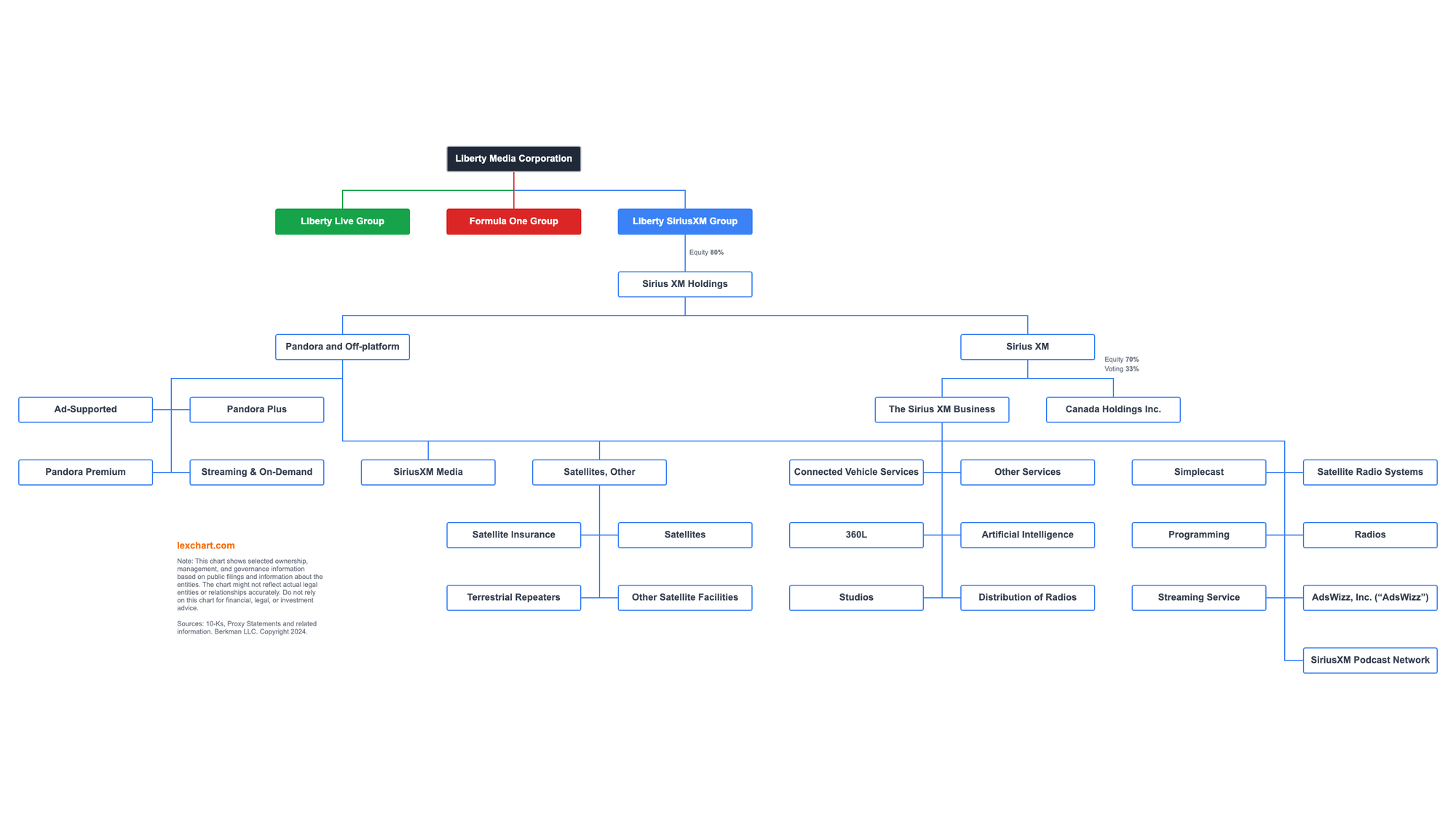
For those operating within the “Money” sphere, understanding corporate ownership is not merely a matter of trivia; it is a fundamental pillar of investment analysis, corporate governance, and market valuation. The identity of a company’s owners, particularly its controlling shareholders, can dictate strategic direction, capital allocation, dividend policies, and ultimately, its long-term financial trajectory. In the case of Sirius XM, dissecting its ownership structure reveals a fascinating interplay between a powerful media conglomerate and the broader public markets, influencing everything from daily stock movements to multi-year growth initiatives.
The Dominant Shareholder: Liberty Media Corporation
At the heart of Sirius XM’s ownership structure lies Liberty Media Corporation, a diversified media conglomerate chaired by media mogul John C. Malone. Liberty Media has, over more than a decade, systematically accumulated a controlling stake in Sirius XM, making it the most significant single owner and strategic influence over the satellite radio giant. This wasn’t an overnight acquisition but a gradual, deliberate process rooted in opportunistic investment and strategic vision.
A Legacy of Strategic Investment and Consolidation
Liberty Media’s involvement with Sirius XM traces back to the turbulent financial crisis of 2008. At a time when Sirius XM (then just Sirius Satellite Radio, having recently merged with XM Satellite Radio) faced severe financial distress and teetered on the brink of bankruptcy, Liberty Media stepped in as a white knight. Through a critical $530 million investment, structured as convertible preferred stock, Liberty Media provided the much-needed capital infusion to keep Sirius XM afloat. This initial investment secured Liberty Media a significant stake and, more importantly, a pathway to exert increasing influence.
Over the subsequent years, Liberty Media steadily converted its preferred stock into common shares and made additional open-market purchases. This aggressive accumulation strategy culminated in 2012 when Liberty Media’s ownership crossed the 50% threshold, officially giving it majority control over Sirius XM. This consolidation marked a pivotal moment, transforming Sirius XM from an independent public company into a subsidiary majority-owned by Liberty Media, while still maintaining its own public listing. John Malone’s investment philosophy, often characterized by a long-term horizon, a focus on cash flow, and a willingness to embrace complex corporate structures, perfectly embodies this strategic maneuver. His vision saw the intrinsic value in Sirius XM’s subscription-based model and its recurring revenue, even amidst short-term market anxieties.
Liberty Media’s Holdings Structure: The Tracking Stock Dynamics
To manage its diverse portfolio of assets, Liberty Media employs a unique corporate structure involving “tracking stocks.” Specifically, Liberty Media holds its controlling interest in Sirius XM through its “Liberty SiriusXM Group” common stock (LSXM.A, LSXM.B, LSXM.K). It’s crucial for investors to understand that these are not direct shares of Sirius XM Holdings Inc. (SIRI). Instead, Liberty SiriusXM Group stock is a tracking stock designed to track the economic performance of Liberty Media’s interest in Sirius XM.
While Liberty Media’s various tracking stocks allow investors to gain exposure to the underlying performance of specific assets within the Liberty ecosystem, the ultimate control and majority ownership of Sirius XM Holdings Inc. (SIRI) still rests with Liberty Media Corporation as a whole. This means that while Sirius XM maintains its own board of directors, management team, and public listing, its strategic decisions, capital allocation policies, and major corporate actions are heavily influenced, if not ultimately determined, by Liberty Media’s controlling interest. This layered ownership structure is a classic example of how sophisticated financial engineering can be used to manage assets and create distinct investment vehicles within a larger corporate entity, profoundly impacting shareholder value for both Liberty Media and Sirius XM investors.
Sirius XM as a Publicly Traded Entity
Despite Liberty Media’s dominant stake, Sirius XM Holdings Inc. (SIRI) remains a publicly traded company on the NASDAQ stock exchange. This dual reality—majority ownership by a single entity coupled with public trading—creates a unique financial environment and investor dynamic. Understanding this aspect is critical for any individual or institutional investor considering SIRI as part of their portfolio.
Beyond the Majority: The Retail and Institutional Investors
While Liberty Media holds the lion’s share, a substantial portion of Sirius XM’s outstanding shares remains in the hands of a diverse group of other investors. This includes millions of individual “retail” investors who have bought shares through brokerage accounts, often attracted by the company’s consistent revenue streams, content offerings, and potential for growth. Alongside these individual investors, a vast ecosystem of “institutional investors” holds significant stakes. These include:
- Mutual Funds: Actively managed or passively indexed funds that pool money from multiple investors to purchase a diversified portfolio of securities.
- Hedge Funds: Investment funds that often employ sophisticated strategies, including short selling and leverage, to generate high returns.
- Pension Funds: Funds established by employers to facilitate and organize the investment of employees’ retirement funds.
- Endowments: Investment funds owned by non-profit organizations, such as universities or hospitals, used to fund ongoing operations.
These institutional investors conduct extensive due diligence, analyze financial reports, and often engage with company management and the board to advocate for shareholder value. Their collective holdings represent a significant financial interest in Sirius XM and provide additional layers of market scrutiny and demand for transparency.
Market Dynamics and Shareholder Value
The fact that SIRI is publicly traded means its stock price is subject to the forces of supply and demand, influenced by company performance, economic indicators, industry trends, and investor sentiment. Even with a controlling shareholder, the minority shareholders possess rights and are impacted by the company’s financial decisions. Key financial considerations for public shareholders include:
- Market Capitalization: The total value of all outstanding shares, calculated by multiplying the current share price by the number of shares. This metric is a gauge of the company’s size and perceived value.
- Dividend Policy: While Sirius XM has historically prioritized reinvestment and share buybacks over regular cash dividends, any changes to this policy, influenced by Liberty Media, directly impact income-focused investors.
- Share Buybacks: Sirius XM has frequently engaged in share repurchase programs, which reduce the number of outstanding shares and can boost earnings per share, potentially increasing the stock price. These programs are significant capital allocation decisions that reflect the company’s financial health and management’s view on valuation.
- Earnings Reports: Quarterly and annual financial reports (income statements, balance sheets, cash flow statements) are closely scrutinized by investors to assess profitability, revenue growth, and operational efficiency. Deviations from analyst expectations can cause significant stock price movements.
The trading of SIRI shares on a major exchange provides liquidity for investors, allowing them to buy and sell their holdings. However, the presence of a controlling shareholder can sometimes lead to a “control discount” on the shares held by minority investors, as the market may perceive less direct influence over corporate decisions for these shareholders compared to those in a widely dispersed ownership structure.
The Financial Rationale Behind Liberty Media’s Control
Liberty Media’s deliberate strategy to acquire and maintain a controlling interest in Sirius XM is driven by a powerful financial rationale, aligning with John Malone’s long-standing approach to building shareholder value through strategic asset accumulation and capital allocation. This control isn’t merely about power; it’s about optimizing financial returns and realizing long-term strategic objectives.
Synergies and Strategic Alignment Across the Portfolio
One of the primary financial benefits for Liberty Media stems from the potential for synergies across its broader portfolio of media and entertainment assets. While direct operational synergies between Sirius XM and some of Liberty Media’s other holdings (like Formula 1 or the Atlanta Braves) might not always be immediately apparent, the underlying strategic alignment is clear. Liberty Media is fundamentally an investment vehicle for assets with strong content, distribution, and recurring revenue models. Sirius XM fits this profile perfectly.

Liberty Media can leverage its extensive experience in media management, negotiations with content providers, and understanding of consumer trends to guide Sirius XM’s strategic direction. This oversight can lead to more favorable deals, optimized marketing spend, and product development strategies that enhance Sirius XM’s competitive position and, by extension, its financial performance. Furthermore, the stable, cash-generative nature of Sirius XM’s subscription business provides a reliable source of funds that can be strategically reinvested within Sirius XM or other Liberty Media ventures, enhancing overall capital efficiency.
Capital Allocation and Governance Implications
Liberty Media’s controlling stake grants it significant influence over Sirius XM’s critical financial decisions, particularly in capital allocation and corporate governance. This influence manifests in several key areas:
- Investment Decisions: Liberty Media can guide Sirius XM on major capital expenditures, such as investments in new technology, content acquisition, or infrastructure upgrades. These decisions directly impact future revenue potential and profitability.
- Mergers and Acquisitions (M&A): Any significant M&A activity, such as Sirius XM’s acquisition of Pandora Media, would require the blessing and strategic guidance of Liberty Media. These transactions are pivotal for growth and market positioning, and Liberty Media’s financial prowess and M&A experience can be invaluable.
- Debt Management: Liberty Media can influence Sirius XM’s capital structure, including its approach to debt financing. Optimizing debt levels can reduce the cost of capital and increase financial flexibility, directly impacting the bottom line.
- Dividend and Share Repurchase Policies: As discussed, decisions regarding returning capital to shareholders through dividends or buybacks are heavily influenced by the controlling shareholder. Liberty Media’s focus on maximizing long-term shareholder value across its entire portfolio guides these choices.
- Executive Compensation and Board Appointments: While Sirius XM has its own independent directors, Liberty Media’s control allows it to appoint a majority of the board, which, in turn, influences the selection and compensation of top executives. This ensures management’s incentives are aligned with Liberty Media’s broader strategic goals.
For investors, understanding this level of control is paramount. It means that while Sirius XM operates as a distinct company, its financial destiny is largely intertwined with the strategic vision and financial objectives of Liberty Media Corporation. This can be a strength, providing stability and experienced oversight, but it also means that the interests of minority shareholders might occasionally diverge from those of the controlling shareholder.
Understanding Sirius XM’s Business Model and Financial Performance
To fully appreciate the “Money” aspect of Sirius XM’s ownership, one must also grasp the core elements of its business model and how it translates into financial performance. This understanding informs investment decisions, valuation analyses, and expectations for future returns, regardless of who holds the controlling interest.
Revenue Streams and Subscriber Growth
Sirius XM’s financial success is primarily driven by its robust subscription-based model. Its two main revenue streams are:
- Subscriber Revenue: The vast majority of income comes from monthly subscription fees paid by its millions of active subscribers. This recurring revenue provides a predictable and stable cash flow, a highly attractive feature for investors. The growth in subscribers, particularly self-pay subscribers, is a critical metric for evaluating the company’s health.
- Advertising Revenue: With the acquisition of Pandora and its entry into the podcasting space, advertising has become an increasingly significant revenue stream, especially from its streaming audio platforms.
- Other Revenue: This includes revenue from its connected vehicle services, infotainment solutions, and direct sales of satellite radios.
The company’s ability to attract and retain subscribers, upsell premium tiers, and leverage its advertising platforms directly impacts its top-line growth and overall profitability, driving investor sentiment and stock valuation.
Valuation and Investment Considerations
For financial analysts and investors, evaluating Sirius XM’s stock involves looking at a range of metrics beyond just subscriber numbers. Key financial tools and considerations include:
- Price-to-Earnings (P/E) Ratio: Compares the company’s share price to its earnings per share, indicating how much investors are willing to pay for each dollar of earnings.
- Enterprise Value to EBITDA (EV/EBITDA): A common valuation multiple, particularly useful for capital-intensive companies like media firms, as it looks at the value of the entire company relative to its operating profitability before non-cash expenses.
- Cash Flow Analysis: Investors pay close attention to free cash flow (operating cash flow minus capital expenditures), as this represents the cash available to pay down debt, fund share buybacks, or issue dividends. Sirius XM has historically generated strong free cash flow.
- Debt Levels: Given its acquisition history and ongoing operations, managing debt effectively is crucial. Analysts examine debt-to-equity ratios and interest coverage ratios to assess financial risk.
- Growth Prospects: Evaluation of the company’s future potential in the face of increasing competition from streaming services, its ability to innovate (e.g., in-car entertainment, podcasting), and its subscriber acquisition costs.
The presence of a controlling shareholder adds a layer of complexity to valuation, as the market might factor in Liberty Media’s long-term intentions and strategic influence. However, fundamental financial analysis remains the bedrock of informed investment decisions in SIRI.
Future Outlook and Potential Ownership Shifts
The landscape of media consumption is in constant flux, and while Sirius XM has proven resilient, its future financial trajectory, and potentially its ownership structure, will continue to evolve. For those focused on the “Money” aspect, anticipating these shifts is part of the investment strategy.
Evolution of the Media Landscape
The rise of on-demand audio streaming, the proliferation of podcasts, and advancements in in-car connectivity all present both challenges and opportunities for Sirius XM. The company’s strategy of acquiring assets like Pandora and investing in exclusive content aims to diversify its offerings and maintain relevance. The financial implications of these moves – subscriber churn, content costs, advertising revenue growth – will heavily influence its valuation and profitability. Liberty Media’s oversight will play a critical role in navigating these competitive pressures and seizing new market opportunities.
Scenarios for Control and Financial Implications
While Liberty Media currently maintains a firm grip, corporate ownership structures are not immutable. Several scenarios could unfold, each with distinct financial implications:
- Maintaining Status Quo: Liberty Media could continue to hold its controlling interest indefinitely, content with the cash flow and strategic value Sirius XM provides. This would likely mean continued alignment of Sirius XM’s financial strategy with Liberty Media’s broader objectives.
- Increased Consolidation: Liberty Media could potentially acquire the remaining minority shares of Sirius XM, taking the company private. This would involve a significant financial outlay and would remove SIRI from public trading, eliminating the minority shareholder base.
- Partial Divestment: While less likely given John Malone’s history of strategic accumulation, Liberty Media could, in the very long term, choose to divest a portion of its stake to unlock value or reallocate capital elsewhere. Such a move would significantly impact SIRI’s stock price and market dynamics.
- Spin-off: Liberty Media could also spin off its SiriusXM Group tracking stock as a separate, fully independent company. This would effectively de-consolidate Sirius XM from Liberty Media, creating two distinct publicly traded entities and potentially “unlocking” value.
Each of these scenarios carries substantial financial implications for current investors, ranging from potential premiums in a take-private deal to increased volatility during a significant share sale or spin-off. Monitoring Liberty Media’s public statements and actions, as well as Sirius XM’s financial performance, is therefore crucial for any investor.

Conclusion
The question “who owns Sirius XM Radio?” leads to an intricate financial answer dominated by Liberty Media Corporation. While Sirius XM operates as a publicly traded entity (NASDAQ: SIRI), the controlling interest held by Liberty Media, primarily through its Liberty SiriusXM Group tracking stock, profoundly shapes its strategic direction, capital allocation, and financial policies. For investors, this structure means understanding not only Sirius XM’s intrinsic business performance but also the overarching financial philosophy and objectives of its majority owner. From the initial rescue investment in 2008 to the current robust subscriber model, the story of Sirius XM’s ownership is a compelling case study in strategic finance, long-term value creation, and the complex interplay between corporate control and public market dynamics. Grasping these nuances is indispensable for making informed investment decisions in this unique media powerhouse.
aViewFromTheCave is a participant in the Amazon Services LLC Associates Program, an affiliate advertising program designed to provide a means for sites to earn advertising fees by advertising and linking to Amazon.com. Amazon, the Amazon logo, AmazonSupply, and the AmazonSupply logo are trademarks of Amazon.com, Inc. or its affiliates. As an Amazon Associate we earn affiliate commissions from qualifying purchases.