
In the intricate tapestry of global aviation, an airline’s hub network is far more than a collection of airports; it is the strategic backbone that underpins its operational efficiency, market dominance, and, crucially, its brand identity. For American Airlines, one of the world’s largest carriers, understanding “where are American Airlines hubs” is to understand the very DNA of its brand, its promise to connect passengers across continents, and its competitive stance in a fiercely contested industry. These hubs serve as powerful brand gateways, shaping customer perceptions, enabling vast route networks, and solidifying American Airlines’ position as a leading global airline.
The Strategic Cornerstone of Airline Branding: Defining Market Presence Through Hubs
The concept of an airline hub is a testament to strategic brilliance, allowing carriers to maximize connectivity and efficiency by channeling passengers through central locations. But beyond the logistics, hubs are potent brand instruments, intrinsically linked to how an airline is perceived by its customers and competitors. For American Airlines, its network of hubs is a tangible manifestation of its corporate identity and brand promise.
Hubs as Brand Gateways
Each American Airlines hub serves as a distinctive gateway, imprinting the airline’s brand onto a specific region. When travelers think of flying through Dallas/Fort Worth, Miami, or Charlotte, they often associate these experiences directly with American Airlines. This repeated exposure and dominant presence in key airports build strong brand recognition and recall. A hub airport, effectively, becomes synonymous with the airline’s regional footprint, signifying reliability and access to a vast network. This isn’t just about a logo on a ticket counter; it’s about owning the narrative of connectivity within that geographical sphere, making American Airlines the default choice for travelers originating from or transiting through these vital points.
Network Design and Brand Promise
American Airlines’ adherence to the hub-and-spoke model is more than an operational decision; it’s a core element of its brand promise. The ability to offer a bewildering array of connections from smaller cities to diverse domestic and international destinations speaks volumes about its commitment to comprehensive service. This network design underpins the brand’s pledge of global connectivity, efficiency, and reliability. Passengers trust that choosing American Airlines means they can reach virtually any corner of the world, often with a single, seamless connection through one of its major hubs. This promise of extensive reach and convenience is a powerful brand differentiator, fostering confidence and reducing perceived travel friction.
Cultivating Regional Brand Identity
While American Airlines operates as a unified global brand, its individual hubs often foster unique regional brand identities. For instance, Miami (MIA) strengthens the brand’s association with Latin America, positioning American Airlines as the premier carrier for travel to and from this vibrant region. Dallas/Fort Worth (DFW), being a colossal mega-hub, reinforces the brand’s image of massive scale and global reach. This ability to tailor regional brand perception while maintaining overarching corporate identity allows American Airlines to resonate more deeply with diverse customer segments, capturing local loyalties and reflecting local market needs within a global framework.
American Airlines’ Hub Network: Pillars of a Global Brand
American Airlines’ hub network is strategically diverse, encompassing major metropolitan areas that serve distinct geographical and demographic markets. These hubs are not interchangeable; each plays a specific role in projecting the brand’s strength and facilitating its global ambitions.
Core Domestic Hubs and Their Brand Significance
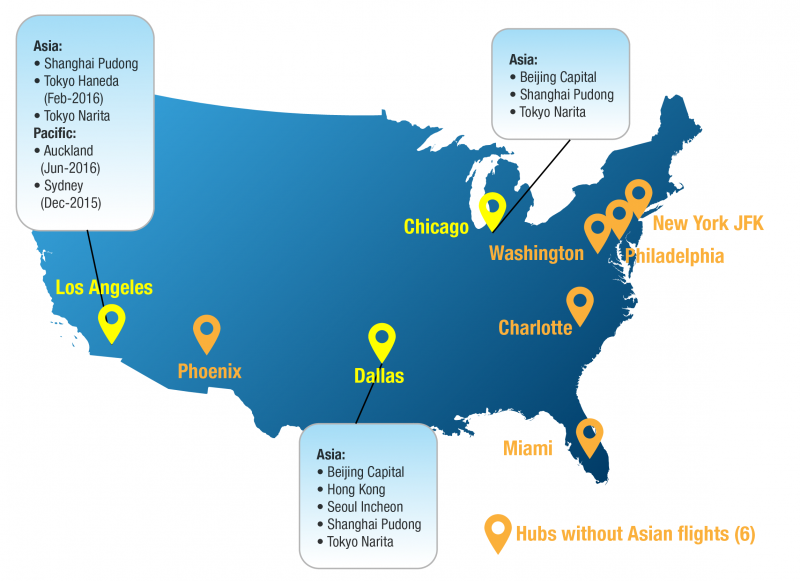
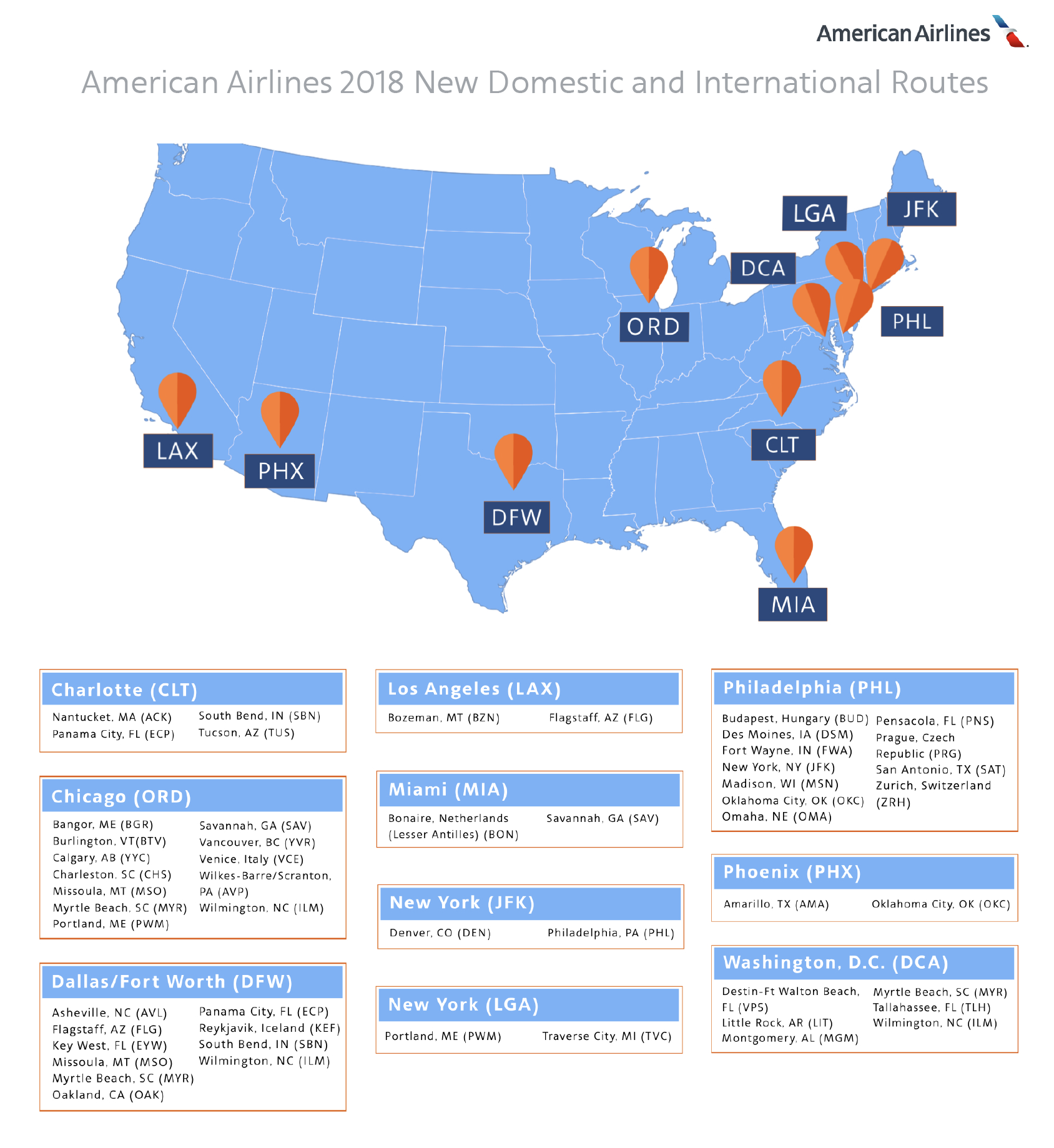
- Dallas/Fort Worth (DFW): The Mega-Hub and Global Gateway: DFW stands as American Airlines’ largest and most critical hub. It is the quintessential representation of the brand’s immense scale and its vision as a global connector. For many, DFW is synonymous with the American Airlines brand itself, embodying efficiency, vast connectivity, and the ability to link nearly any two points on the globe. This hub projects an image of robust infrastructure and seamless large-scale operations.
- Charlotte (CLT): The East Coast Powerhouse: CLT serves as a pivotal hub for connecting the Southeastern U.S. Its prominence bolsters American Airlines’ brand strength in a rapidly growing region, offering convenient access to numerous smaller cities that would otherwise be underserved. CLT reinforces the brand’s commitment to comprehensive domestic coverage and ease of access for a significant portion of the U.S. population.
- Miami (MIA): The Latin American Bridgehead: MIA is indispensable to American Airlines’ brand in the lucrative Latin American market. It positions the airline as the go-to carrier for travel between North, Central, and South America, forging strong brand associations with international travel, cultural connectivity, and expertise in serving this region. MIA strengthens the brand’s image as a global player with specialized regional strengths.
- Chicago (ORD): Midwest Connectivity and Legacy: Chicago O’Hare is a historically significant hub, anchoring American Airlines’ brand in the competitive Midwest market. While challenged by other carriers, ORD maintains American’s strong presence, reflecting a brand built on legacy, resilience, and consistent service in a critical national nexus. It speaks to the brand’s enduring presence in major U.S. gateways.
- Philadelphia (PHL): Transatlantic Access and Northeast Presence: PHL acts as a crucial transatlantic gateway, reinforcing American Airlines’ brand as a key player in connecting North America with Europe. It provides vital connectivity for the Northeast U.S., offering convenient international access and strengthening the brand’s position in a densely populated and economically vital corridor.
- Phoenix (PHX) & Los Angeles (LAX): Western U.S. Dominance and Pacific Reach: PHX solidifies American Airlines’ brand presence in the Southwest, offering extensive domestic connections. LAX, meanwhile, is crucial for both domestic and trans-Pacific routes, emphasizing the brand’s ambitions in the Asian markets. These hubs collectively portray American Airlines as a dominant force across the entire U.S. landscape, with strategic gateways to emerging global markets.
Strategic Secondary Hubs and Niche Brand Appeal
Beyond these primary hubs, American Airlines leverages secondary hubs like Washington Reagan National (DCA) and New York’s JFK and LaGuardia (LGA). DCA, with its focus on short-haul and business-oriented routes, enhances the brand’s appeal to government and corporate travelers seeking convenience in the nation’s capital. JFK and LGA serve the highly competitive New York market, offering specialized services and connections that cater to the unique demands of this global financial and cultural center. These hubs demonstrate the brand’s agility in serving niche markets and critical business segments.
Beyond Logistics: How Hubs Sculpt Customer Experience and Brand Loyalty
For American Airlines, its hub network is not just about moving planes and people; it’s about crafting a superior customer experience that fosters brand loyalty. The design and operation of these hubs directly impact how passengers perceive the airline’s quality, convenience, and commitment to service.
Seamless Connections and the Promise of Convenience
The primary allure of a well-functioning hub system is the promise of seamless connections. For the traveler, this translates into reduced anxiety, shorter layovers, and a greater chance of reaching their final destination without undue stress. American Airlines’ hubs are engineered to facilitate efficient transfers, allowing passengers to connect from a multitude of smaller “spoke” cities to a vast global network. This operational fluidity directly reinforces the brand’s promise of convenience and efficiency, building trust and encouraging repeat patronage. When connections are smooth, the brand is perceived as reliable and thoughtful.
Premium Offerings and Brand Perception at Hubs
American Airlines strategically utilizes its hubs to showcase its premium brand offerings. Facilities like the Admirals Clubs and the exclusive Flagship Lounges, predominantly located within these major hubs, are crucial for enhancing the brand’s luxury and comfort perception. These lounges offer a serene escape, premium dining, and personalized services for top-tier travelers, solidifying American Airlines’ image as a premium carrier. The availability of these amenities at critical connection points elevates the overall brand experience, making transiting through a hub an enjoyable rather than arduous part of the journey. This caters to high-value customers and reinforces the brand’s commitment to superior service.
Operational Resilience and Brand Trust
A critical, though often overlooked, aspect of brand building is operational resilience. American Airlines’ well-established hub operations contribute significantly to its ability to manage disruptions, be it weather-related delays or unforeseen mechanical issues. The concentration of resources—maintenance facilities, crew bases, and diverse flight options—at hubs allows for quicker recovery and re-accommodation of passengers. This operational strength translates directly into brand trust. When an airline can effectively mitigate disruptions and keep passengers moving, it reinforces its image as a dependable and competent service provider, a cornerstone of any strong brand.
Competitive Edge and Brand Differentiation in a Crowded Sky
In the cutthroat airline industry, brand differentiation is paramount. American Airlines leverages its hub network not just for operational prowess but as a powerful tool to carve out a distinct competitive edge and communicate its unique brand value proposition.
Market Dominance and Route Exclusivity
Controlling key hubs allows American Airlines to establish significant market dominance in specific regions. This dominance often translates into a wider array of direct flights, better schedules, and sometimes even exclusive routes from certain airports. This extensive route network, emanating from its hubs, becomes a powerful differentiator, presenting American Airlines as the carrier with the most comprehensive options. The sheer breadth of destinations available from its hubs makes its brand indispensable for a vast number of travelers, cementing its position as a market leader.
Strategic Alliances and Global Brand Reach
American Airlines’ membership in the Oneworld alliance is greatly amplified by its hub strategy. These hubs serve as critical convergence points for alliance partners, enabling seamless international connections that extend American Airlines’ brand reach far beyond its own network. A passenger flying from a remote city on an American Airlines codeshare partner can connect through an American Airlines hub to reach a global Oneworld destination, experiencing a unified brand journey. This collaborative approach enhances the American Airlines brand by associating it with a vast, reliable global network, offering convenience and consistent service across multiple carriers.
Brand Storytelling Through Hub Presence
The history and evolution of American Airlines’ hubs can be woven into a compelling brand narrative. The journey of DFW becoming a global mega-hub, or MIA’s transformation into a Latin American gateway, speaks to the airline’s foresight, ambition, and enduring presence. This storytelling capability imbues the brand with depth and heritage, resonating with customers who value stability and a rich history. The brand can highlight its deep roots in these communities and its role in connecting people and cultures, adding an emotional layer to its corporate identity.
Evolving Hub Strategies: Adapting the Brand for the Future
The aviation landscape is dynamic, and for American Airlines to maintain its brand relevance and strength, its hub strategy must continuously evolve. Adapting to new market realities, technological advancements, and shifting consumer expectations is crucial for a future-proof brand.
Responding to Market Shifts and Brand Agility
The airline industry is constantly impacted by economic shifts, geopolitical events, and changing travel patterns. American Airlines’ brand agility will be tested by its ability to adapt its hub strategy in response to these forces. This might involve adjusting capacity, optimizing route structures, or even exploring new secondary hubs to capitalize on emerging markets or demographic shifts. A brand that can strategically adapt its physical infrastructure demonstrates responsiveness and forward-thinking, key traits that enhance its modern appeal and resilience.
Sustainability and the Modern Airline Brand
As environmental consciousness grows, the role of hubs in achieving sustainability goals becomes a critical aspect of the modern airline brand. American Airlines can leverage its hubs to implement green initiatives, such as sustainable aviation fuel (SAF) programs, efficient ground operations, and reduced emissions. Communicating these efforts, particularly at visible hub locations, can significantly enhance the brand’s perception of corporate responsibility and appeal to environmentally conscious travelers. The hub becomes a visible testament to the brand’s commitment to a sustainable future.
The Digital Hub: Integrating Technology into the Brand Experience
The future of American Airlines’ brand experience at its hubs will be heavily influenced by technology. Digital wayfinding, personalized app-based services, biometric boarding, and real-time communication tools can transform the hub experience from potentially stressful to exceptionally smooth. Integrating these digital solutions seamlessly into the physical hub environment strengthens the brand’s image as innovative, customer-centric, and modern. The “digital hub” enhances the brand by offering a technologically advanced and highly personalized journey, appealing to a tech-savvy generation of travelers who expect convenience and control at their fingertips.
In conclusion, American Airlines’ hubs are far more than logistical nodes; they are the physical manifestations of its brand strategy. They define its market presence, shape customer experience, fuel its competitive advantages, and lay the groundwork for its future evolution. Understanding where American Airlines hubs are located is to grasp the foundational pillars upon which this global brand has been built and continues to thrive. Each hub is a powerful testament to the airline’s promise of connectivity, reliability, and service, playing an indispensable role in strengthening American Airlines’ corporate identity in the eyes of millions of travelers worldwide.
aViewFromTheCave is a participant in the Amazon Services LLC Associates Program, an affiliate advertising program designed to provide a means for sites to earn advertising fees by advertising and linking to Amazon.com. Amazon, the Amazon logo, AmazonSupply, and the AmazonSupply logo are trademarks of Amazon.com, Inc. or its affiliates. As an Amazon Associate we earn affiliate commissions from qualifying purchases.