
In the intricate world of loyalty programs, airline miles represent a valuable form of currency, capable of unlocking significant savings on travel. Among the most prominent of these programs is American Airlines’ AAdvantage, a system that rewards frequent flyers and savvy spenders with miles redeemable for flights, upgrades, and other travel-related perks. However, the process of transferring these cherished AA miles from one account to another is often shrouded in misconceptions and comes with specific financial implications that demand careful consideration. For those looking to consolidate balances, gift miles, or facilitate travel for others, understanding the mechanics, costs, and strategic alternatives to a direct mile transfer is paramount to sound personal financial management. This guide delves into the specifics of AA mile transfers, helping you make informed decisions that maximize the value of your AAdvantage bounty.
Understanding AAdvantage Mile Transfers
The concept of transferring miles might seem straightforward: moving points from one person’s account to another. Yet, with American Airlines AAdvantage, this process is governed by specific rules, fees, and limitations that significantly impact its practical utility and financial wisdom.
The Basics: Who, What, When
American Airlines allows AAdvantage members to transfer miles to any other AAdvantage member’s account. This means you can send miles to a family member, a friend, or even a casual acquaintance, provided they also have an active AAdvantage account. The transfer is typically processed online through the American Airlines website, within a dedicated section for buying, gifting, or transferring miles. While the process itself is digitally facilitated, the underlying transaction is a direct transfer of ownership of a specific number of miles. The primary requirements are simply having enough miles to transfer and the ability to cover the associated fees. The transfer usually takes effect instantly, making miles available for the recipient to use immediately after the transaction is complete. However, it’s crucial to note that miles cannot be transferred to non-AAdvantage accounts or converted into cash directly.
Why Transfer? Common Scenarios
While direct mile transfers come with a cost, there are legitimate scenarios where they might be considered. One common reason is gifting miles for a special occasion, such as a birthday or wedding, allowing the recipient to pursue their travel dreams. Another scenario involves combining small, disparate balances. For instance, if two family members each have a modest number of miles that aren’t quite enough for a desired redemption individually, transferring one balance to the other could create a sufficient pool for a specific flight. Similarly, if one member of a travel party needs a few extra miles to top off their account for an upcoming trip, a transfer might seem like a quick solution. These situations often arise when spontaneous travel opportunities present themselves or when individuals are trying to consolidate loyalty points before they expire.
The Cost Conundrum: Fees and Value
Herein lies the critical financial consideration for AA mile transfers: the cost. American Airlines charges a significant fee for transferring miles. Typically, this fee is assessed on a per-mile basis, in addition to a fixed processing fee per transaction. For example, you might encounter a fee of around 1.5 to 2 cents per mile, plus a flat transaction fee of $30-$40. This means transferring 10,000 miles could cost upwards of $150-$200, making the “cost per mile” for the transfer itself quite high.
To accurately assess the value, you need to compare this transfer cost against the actual value you derive from redeeming those miles. If you’re paying 2 cents per mile to transfer them, and you can only redeem them for a flight that offers, say, 1.5 cents per mile in value (e.g., a $150 cash flight costing 10,000 miles), then the transfer is a net financial loss before you even consider the initial acquisition cost of the miles. It’s essential to calculate the effective cost per mile of the transfer and weigh it against potential redemption values or alternative methods of acquiring miles. In many cases, these fees make direct transfers an expensive proposition that often negates the savings miles were intended to provide.
Step-by-Step Guide to Transferring AA Miles
Should you determine that a direct transfer is the most suitable option despite the costs, the process itself is relatively straightforward. American Airlines has an intuitive online portal designed to facilitate such transactions.
Accessing Your AAdvantage Account
The first step is to log into your AAdvantage account on the official American Airlines website. You’ll need your AAdvantage number and password. Once logged in, navigate to the “AAdvantage” section of the website. Within this area, look for options related to “Buy, Gift, or Transfer Miles.” These functionalities are usually grouped together because they all involve monetary transactions related to your mileage balance. Clicking on the “Transfer Miles” option will lead you to a dedicated page hosted by Points.com, which is American Airlines’ partner for these transactions.
Initiating the Transfer Process
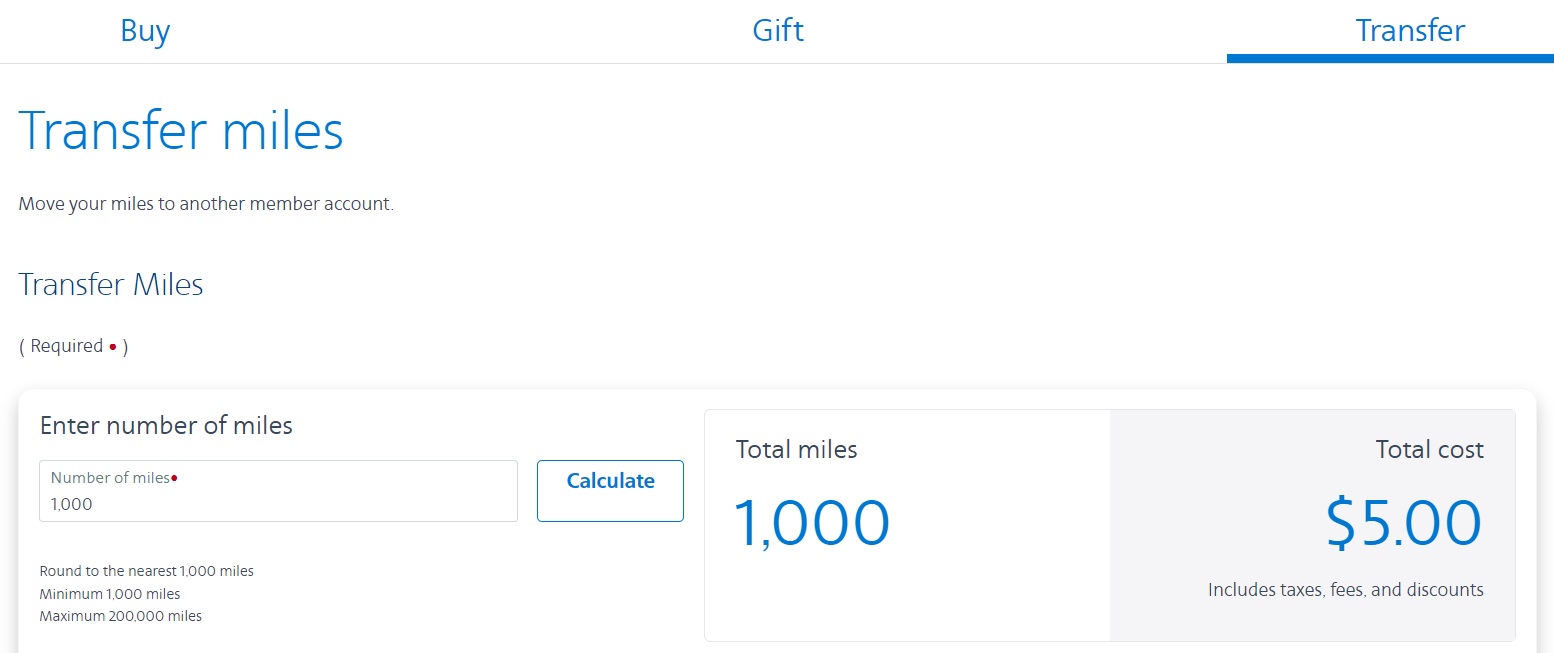
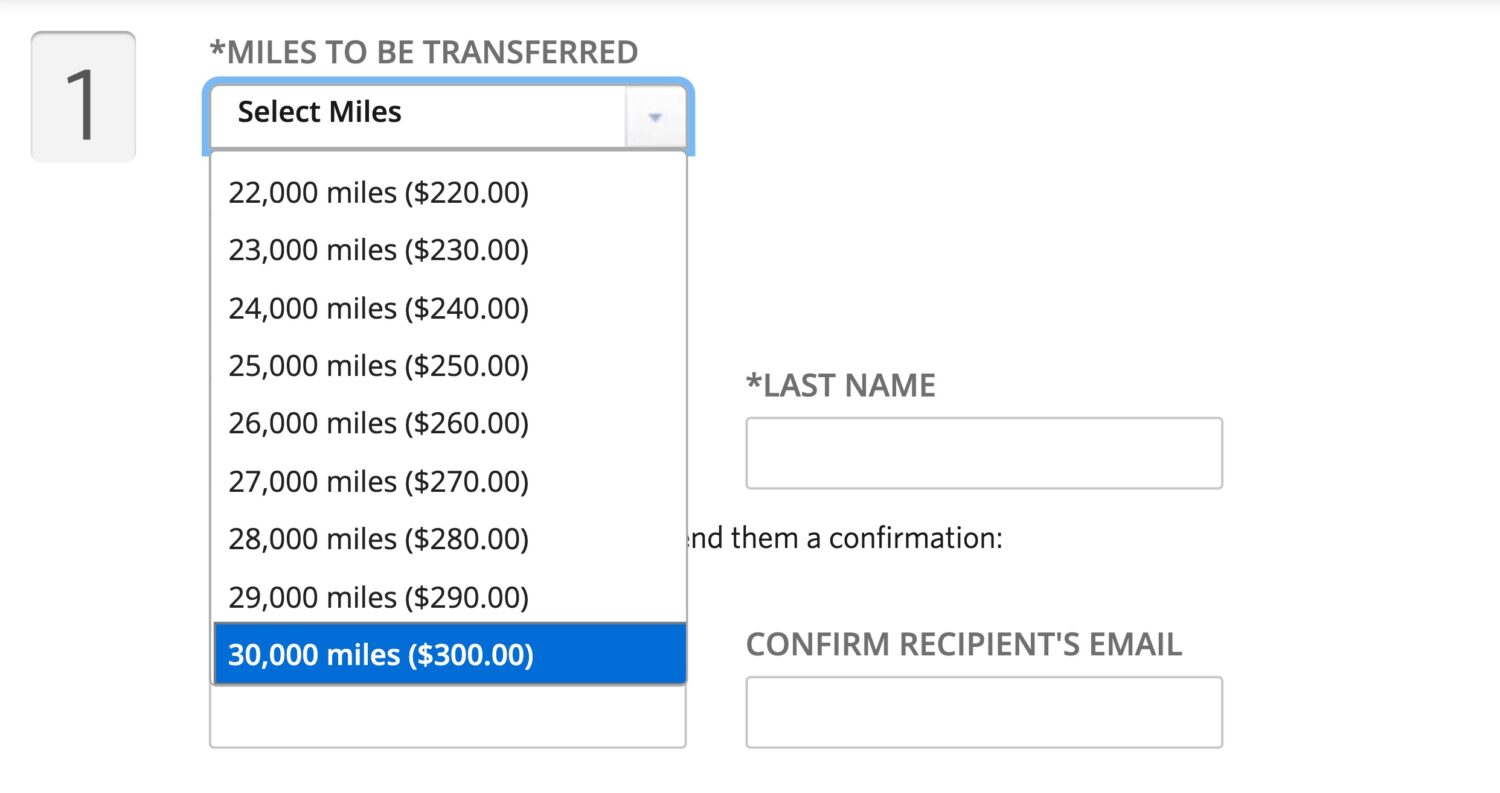
On the transfer page, you will be prompted to enter several key pieces of information. First, you’ll need to specify the recipient’s AAdvantage number and their last name to ensure the miles are sent to the correct account. Accuracy here is crucial, as miles generally cannot be recalled once transferred. Next, you’ll enter the number of miles you wish to transfer. The system will typically have minimum and maximum transfer limits per transaction and per calendar year. As you input the number of miles, the system will dynamically calculate the total cost, including the per-mile fee and any flat processing fees. Take the time to review this cost carefully.
Completing the Transaction
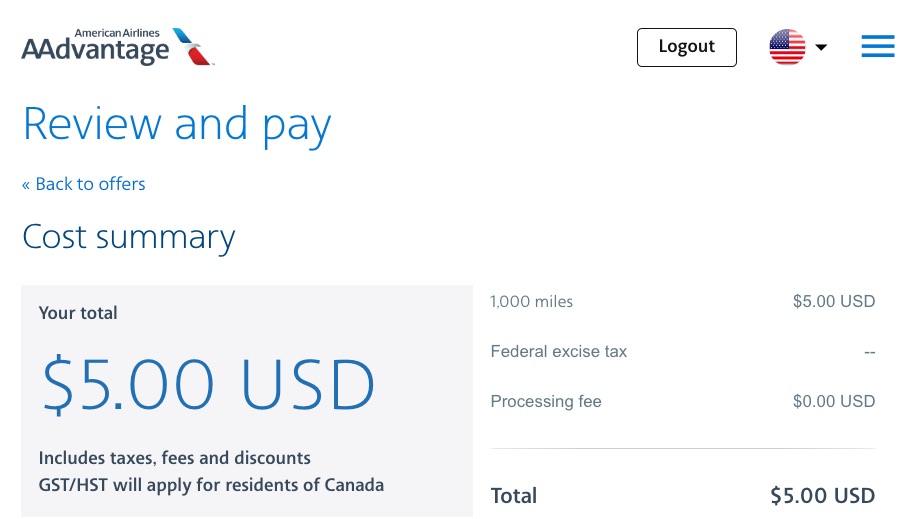
After entering all the necessary details and confirming the amount and recipient, you’ll proceed to the payment stage. You will need to provide valid credit card information to cover the transfer fees. American Airlines accepts major credit cards for these transactions. Before finalizing, you’ll be presented with a summary of the transfer, including the number of miles, the recipient’s information, and the total amount charged to your credit card. Carefully review all details one last time. Once confirmed, the transaction is processed, and the miles are typically deposited into the recipient’s account within minutes. You will usually receive an email confirmation of the transfer, and the recipient should also see the miles reflected in their account activity.
Strategic Considerations Before You Transfer
Before committing to a potentially costly direct mile transfer, it’s financially prudent to pause and evaluate whether this is truly the best use of your resources. Several alternative strategies might offer better value.
Is it Worth It? Analyzing the Cost-Benefit
The most important question to ask is: “Is the cost of transferring these miles justified by the benefit?” Calculate the effective cost per mile you’re paying for the transfer (total fee / number of miles transferred). Then, estimate the redemption value you expect the recipient to get from those miles. For example, if you pay $200 to transfer 10,000 miles, you’re paying 2 cents per mile. If those 10,000 miles can only be redeemed for a flight that would cost $150 cash, the transfer is not financially sensible. In such a scenario, it would be cheaper to simply pay the $150 for the flight or explore other ways to acquire miles.
Furthermore, consider the opportunity cost. Could that $200 be better spent elsewhere? Could it be used to buy a portion of a ticket, or put towards a different travel fund? Often, buying miles directly from American Airlines (which also comes with a per-mile cost) can sometimes be cheaper or on par with transfer fees, especially during promotional sales. It’s crucial to compare the cost of transferring miles against buying miles, or even simply paying cash for the flight.
Alternative Strategies to Acquire Miles
Instead of transferring, consider these more cost-effective ways for an AAdvantage member to acquire miles:
- Credit Card Sign-Up Bonuses: Many co-branded American Airlines credit cards offer substantial sign-up bonuses (e.g., 50,000-75,000 miles) after meeting a minimum spending requirement. This is often the most lucrative way to accumulate a large number of miles quickly and at a much lower “cost per mile” if the annual fee is manageable.
- Everyday Spending with Co-branded Cards: Using an AAdvantage credit card for daily purchases allows you to earn miles on every dollar spent.
- AAdvantage eShopping Portal: Earn bonus miles by shopping online at hundreds of retailers through the AAdvantage eShopping portal.
- AAdvantage Dining Program: Link your credit cards to the AAdvantage Dining program and earn miles when you dine at participating restaurants.
- Partnerships: Earn miles through various partners, including car rental agencies, hotels, and other travel providers.
- Buying Miles Directly from AA: While also expensive, American Airlines frequently offers promotions where you can buy miles with a bonus, sometimes bringing the effective cost per mile down to a point where it might be comparable to or even better than transfer fees, especially if you only need a small top-up.
These methods often provide a superior return on investment compared to the high fees associated with direct mile transfers, aligning better with sound personal finance principles.
Beyond Direct Transfers: Other Ways to Share Value
For most situations, directly transferring AA miles is not the most cost-effective solution. Thankfully, there are more financially savvy ways to utilize your miles to benefit others.
Booking Flights for Friends and Family
The most common and often most advisable alternative to transferring miles is simply to book a flight for someone else using your own AAdvantage account and miles. American Airlines, like most loyalty programs, allows you to redeem your miles for a ticket in anyone’s name. As long as you have enough miles in your account to cover the award flight, you can book it for a spouse, child, friend, or any other individual.
This method completely bypasses the exorbitant transfer fees. The only costs involved would be the standard taxes and fees associated with the award ticket itself, which are typically minimal for domestic flights and can be higher for international travel. This strategy keeps all your miles consolidated in one account, making them easier to manage and utilize for higher-value redemptions. It’s a straightforward process: log into your account, search for award travel, select the desired flight, and during the passenger details section, enter the name and information of the person you’re booking for. This is by far the most recommended approach when your goal is to help someone else travel using your miles.
Understanding Household Accounts (or Lack Thereof)
It’s important to note that American Airlines AAdvantage does not offer a formal “household account” or “family pooling” feature, unlike some other airline programs (e.g., British Airways Executive Club, Hawaiian Airlines HawaiianMiles). This means each AAdvantage member maintains their own individual mileage balance, and there’s no official mechanism to combine miles from multiple family members into a single, shared account for redemption purposes. This absence is precisely why people often consider direct transfers, but as established, the costs are usually prohibitive. The ability to book flights for others from your own account serves as the de facto “family pooling” solution for AA members, making the formal transfer option even less appealing from a financial perspective.
In conclusion, while American Airlines does offer the option to transfer AA miles between AAdvantage accounts, it is almost invariably an expensive proposition. The high per-mile and transaction fees significantly diminish the value proposition of your hard-earned miles. Savvy personal finance dictates that you carefully calculate the cost-benefit analysis before proceeding with a direct transfer. In most scenarios, alternative strategies such as strategically accumulating miles through credit card bonuses, shopping portals, or, most effectively, simply booking award flights for others from your own account, will offer far greater value. By understanding these nuances, you can ensure that your AAdvantage miles serve their true purpose: maximizing your travel opportunities efficiently and economically.
aViewFromTheCave is a participant in the Amazon Services LLC Associates Program, an affiliate advertising program designed to provide a means for sites to earn advertising fees by advertising and linking to Amazon.com. Amazon, the Amazon logo, AmazonSupply, and the AmazonSupply logo are trademarks of Amazon.com, Inc. or its affiliates. As an Amazon Associate we earn affiliate commissions from qualifying purchases.