
For many pet owners, the thought of leaving their beloved canine companion behind when traveling can be heart-wrenching. The good news is that flying with your dog is often possible, but it comes with a distinct set of financial considerations that extend far beyond the typical human airfare. Navigating the complexities of pet travel requires meticulous planning, a deep understanding of associated costs, and a strategic approach to budgeting. This guide delves into the monetary aspects of flying with your dog, helping you prepare your finances for a smooth and stress-free journey for both you and your furry friend.
Understanding the Core Costs of Canine Air Travel
The initial step in financially planning for your dog’s flight involves identifying and understanding the primary expenses. These aren’t just hidden fees; they are essential components of ensuring your pet’s safety and compliance with airline regulations.
Airline Pet Fees: Cabin vs. Cargo
The most significant and immediate financial decision you’ll face is whether your dog will travel in the cabin or as checked baggage/cargo. Each option carries a vastly different price tag and set of requirements.
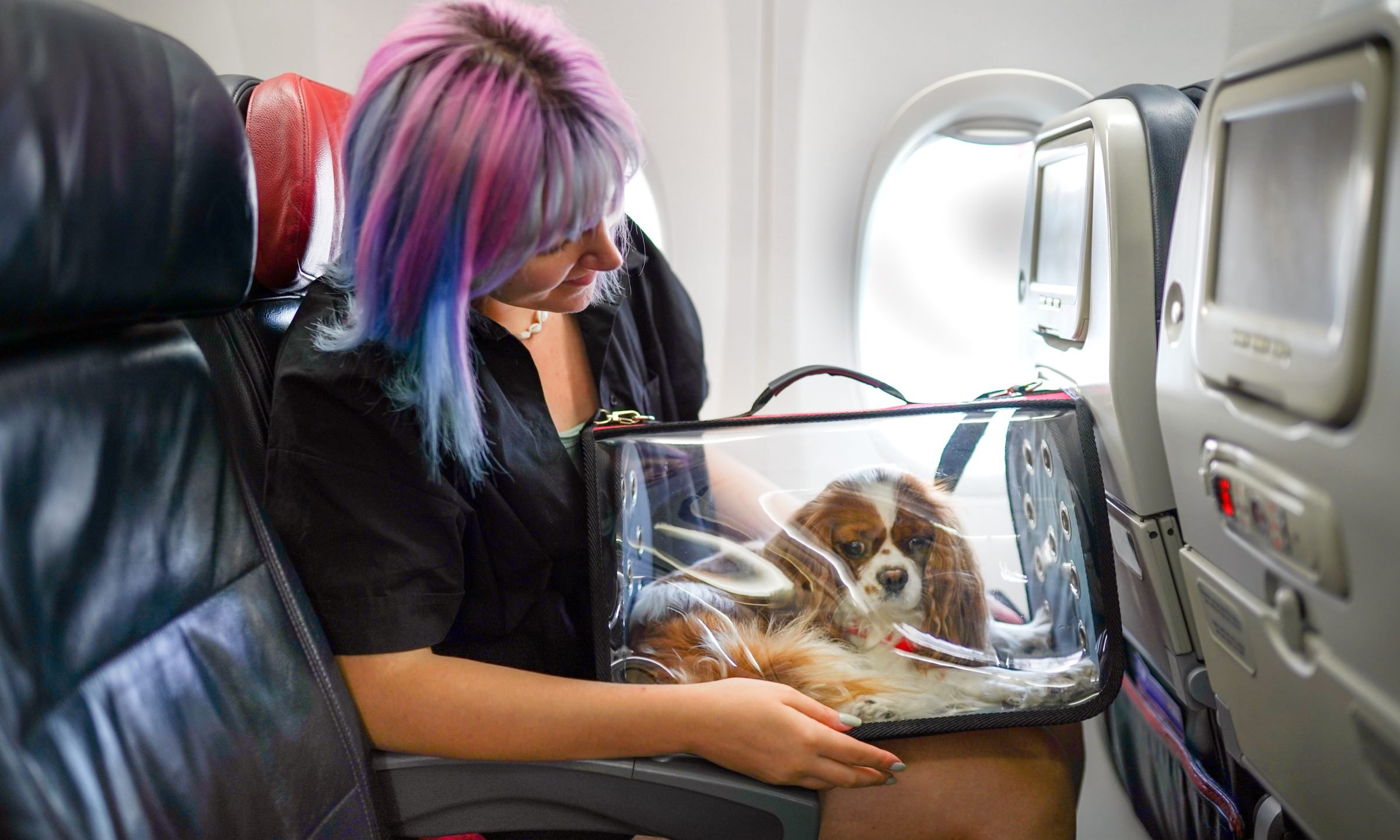
- In-Cabin Travel (Pet Carry-on): Smaller dogs (typically those weighing under 20-25 lbs, including their carrier) may be allowed in the aircraft cabin, provided they fit comfortably under the seat in an approved carrier. Airlines charge a non-refundable pet fee for this, which can range from $95 to $175 (or more) per one-way trip within North America, and significantly higher for international flights. While this option offers the comfort of having your pet with you, airlines often limit the number of pets per flight, necessitating early booking.
- Checked Baggage/Cargo Travel: Larger dogs, or those exceeding in-cabin weight/size limits, must travel in the climate-controlled cargo hold. This is generally more expensive, with fees typically ranging from $200 to $500+ for domestic flights and potentially thousands for international journeys, depending on the airline, destination, and the dog’s size. These fees cover the specialized handling, controlled environment, and logistical arrangements. It’s crucial to factor in the cost difference and weigh it against the potential stress on your pet and the additional complexities involved. Airlines also impose strict carrier requirements (e.g., IATA-compliant crates) for cargo travel, adding another layer of expense.
Veterinary Expenses: Health Certificates and Vaccinations
Before any flight, your dog will require a clean bill of health, often documented by a veterinarian. These essential medical preparations come with their own costs.
- Health Certificates: Most airlines and destinations (especially international ones) require a health certificate issued by a licensed veterinarian within a specific timeframe (e.g., 10 days) prior to travel. This certificate verifies your dog is healthy enough to fly and free from communicable diseases. The cost for a health certificate can vary but typically falls between $50 and $150, not including any necessary exams or additional diagnostics. For international travel, the requirements are often more stringent, potentially requiring USDA endorsement, which adds another layer of administrative fees.
- Required Vaccinations and Treatments: Ensure your dog is up-to-date on all necessary vaccinations (e.g., rabies, distemper, parvovirus). Proof of these vaccinations is usually mandatory. For international travel, additional vaccinations (e.g., leptospirosis) or treatments (e.g., deworming, flea/tick prevention) might be required, sometimes within specific time windows. Each vet visit, vaccine, or treatment incurs a cost that must be factored into your overall budget.
- Pre-Travel Check-ups: A general check-up to ensure your dog is fit for travel, even if not strictly mandated, is a wise investment. This can identify underlying issues that might be exacerbated by flight and prevent costly emergency situations mid-travel.
Approved Pet Carriers and Travel Essentials
Beyond the airline fees and vet bills, the physical equipment for your dog’s journey represents another significant expenditure.
- IATA-Compliant Carriers: Whether your dog travels in the cabin or cargo, an approved carrier is non-negotiable. For in-cabin travel, soft-sided carriers that fit under the seat are often preferred and can cost between $40 and $150. For cargo, rigid, well-ventilated, IATA-compliant crates are mandatory. These are significantly more robust and expensive, ranging from $100 for small sizes to $500+ for large breeds. Ensure the carrier is the correct size, allowing your dog to stand, turn around, and lie down comfortably, as oversized or undersized carriers can lead to refusal at check-in.
- Travel Accessories: Don’t forget the smaller, yet essential, items. This includes spill-proof food and water bowls for the carrier, absorbent bedding, identification tags, a leash, harness, and a supply of your dog’s regular food and any necessary medications. While individually these might seem minor, collectively they add up. Consider purchasing calming aids or specific toys to reduce stress, which also contribute to the overall pet travel budget.
Budgeting and Financial Planning for Your Dog’s Journey
Effective financial planning is paramount to avoid last-minute stress and unexpected expenses when flying with your dog. A detailed budget ensures you account for every potential cost.
Creating a Detailed Pet Travel Budget
A comprehensive budget is your roadmap. Start by listing every single expense, from the most obvious to the easily overlooked.
- Airline Fees: Specific pet fees for your chosen airline and route (cabin or cargo).
- Veterinary Costs: Health certificates, vaccinations, pre-travel check-ups, medication refills.
- Carrier & Accessories: Purchase or upgrade of IATA-compliant carrier, bowls, bedding, tags.
- Ground Transportation: Fees for pet-friendly taxis, shuttles, or car services to and from airports.
- Destination-Specific Costs: Potential quarantine fees, import permits, or local vet visits upon arrival.
- Contingency Fund: Always allocate an additional 10-20% of your total estimated costs as a buffer for unforeseen circumstances, such as flight delays requiring extra accommodation or emergency vet care.
Researching Airline Pet Policies and Comparing Costs
Not all airlines are created equal when it comes to pet travel, and their policies—and prices—can vary wildly. Thorough research can uncover significant savings and prevent costly mistakes.
- Direct vs. Connecting Flights: While direct flights are generally less stressful for pets, connecting flights might sometimes be cheaper overall. However, consider the risks: potential missed connections, extended layovers, and increased exposure for your pet. Factor in the cost of overnight accommodation in pet-friendly hotels if a long layover is unavoidable.
- Airline-Specific Regulations: Some airlines have strict breed restrictions, temperature embargoes (limiting travel during extreme hot or cold weather), or specific health requirements. These can impact your ability to fly or necessitate choosing a more expensive alternative. Always consult the airline’s official pet policy webpage and, ideally, call their dedicated pet reservations line.
- Seasonal Pricing: Like human airfare, pet fees can sometimes fluctuate based on demand or season. Be aware of peak travel times that might indirectly influence pet-related costs or availability.
The True Cost of International Pet Travel
Flying internationally with your dog introduces a significantly higher level of financial complexity and expense.
- Quarantine Requirements: Many countries (e.g., Australia, New Zealand, Japan) have mandatory quarantine periods for arriving pets, ranging from a few days to several months. These facilities charge daily fees that can quickly accumulate into thousands of dollars.
- Import Permits and Customs Fees: Several countries require specific import permits, which involve application fees and can be time-consuming to obtain. There may also be customs processing fees upon arrival.
- Extensive Veterinary Protocols: International travel often demands a more rigorous schedule of vaccinations, blood tests (e.g., rabies titer tests), microchipping (ISO-compliant), and specific parasite treatments. These procedures must be performed within precise timeframes relative to your travel date and often require official endorsements from government agricultural agencies, incurring additional administrative costs.
- Pet Relocation Services: For complex international moves, many owners opt for professional pet relocation services. While expensive (often $2,000 – $10,000+), these services handle all the logistics, paperwork, and coordination, potentially saving you stress and costly errors, which can be a valuable investment for peace of mind.
Mitigating Risks and Unexpected Expenses
Even with the most meticulous planning, unforeseen circumstances can arise. Preparing financially for these eventualities is a smart strategy to protect your investment and your pet’s well-being.
Pet Travel Insurance: A Worthwhile Investment?
Just as you might insure your own travel, pet travel insurance can offer a financial safety net.
- Coverage Options: Some general pet insurance policies offer limited travel-related coverage, while specialized travel insurance for pets can cover veterinary emergencies that occur during the trip, trip cancellation/interruption due to your pet’s health, or even search and recovery costs if your pet gets lost.
- Cost vs. Benefit: Evaluate the premium costs against the potential payout. For expensive international trips or pets with pre-existing conditions (which may or may not be covered), such insurance could be a prudent financial decision, mitigating the risk of substantial out-of-pocket expenses.
Contingency Funds for Unforeseen Circumstances
Life with pets is unpredictable, and travel amplifies that unpredictability.
- Flight Delays and Cancellations: If your flight is delayed or cancelled, you might incur additional costs for an unplanned overnight stay at a pet-friendly hotel, extra pet food, or even new booking fees.
- Emergency Veterinary Care: Despite pre-travel health checks, pets can experience stress or illness during travel. Having funds reserved for immediate veterinary attention at your destination or during a layover is crucial.
- Lost Documentation: While rare, losing essential pet travel documents could lead to delays or fines. Having digital backups and knowing the costs for re-issuing could save considerable hassle and money.
Cost-Saving Strategies for Pet Owners
While flying with a dog is inherently expensive, there are ways to be financially savvy.
- Advance Booking: Booking your flight well in advance ensures you secure a spot for your pet, especially for in-cabin travel where slots are limited. This also often results in better flight prices overall.
- Self-Preparation: Handle as much of the paperwork and preparation yourself as possible. While pet relocation services offer convenience, they come at a premium. Educate yourself on the requirements to avoid unnecessary outsourcing.
- “Budget” Airlines: While some budget airlines don’t allow pets at all, others might have lower pet fees than full-service carriers. Always verify their specific pet policy, as hidden fees or stricter limitations might negate initial savings.
- Consider Alternatives: For shorter distances or if flying becomes prohibitively expensive or stressful for your pet, explore ground transportation alternatives like driving or pet transport services, which might be more cost-effective and less stressful in certain scenarios.
Beyond the Flight: Financial Considerations at Your Destination
Your financial planning shouldn’t end when your plane lands. The costs associated with having your dog at your destination are an integral part of the overall financial picture.
Pet-Friendly Accommodations and Transportation
- Accommodation Fees: Many hotels and rental properties that allow pets charge an additional fee, either per night, per stay, or as a non-refundable cleaning deposit. These can range from $20 to $100+ per night. Research pet-friendly options and their associated costs before you book.
- Local Transportation: Once you arrive, you’ll need to consider how to get around with your dog. Standard taxis or ride-shares may not accommodate pets, requiring you to specifically seek out pet-friendly services, which often come with a surcharge. Public transport rules vary wildly, and some may not allow pets at all.
Local Pet Services and Emergency Funds
- Pet Sitting/Daycare: If you plan activities where your dog cannot join you, factor in the cost of local pet sitters or daycare facilities.
- Veterinary Access: Research the location of reputable veterinary clinics at your destination in advance. This ensures that in case of an emergency, you know where to go and what typical costs might be, preventing desperate and potentially more expensive choices.
Flying with your dog is a rewarding experience that allows you to share adventures with your beloved companion. However, it is an endeavor that demands careful financial foresight and preparation. By thoroughly understanding the varied costs—from airline fees and veterinary requirements to carrier purchases and destination expenses—you can create a robust budget, explore cost-saving strategies, and build a financial safety net. This diligent approach ensures that your journey with your furry friend is not only memorable but also fiscally responsible, allowing you to focus on the joy of travel rather than unexpected monetary stresses.
aViewFromTheCave is a participant in the Amazon Services LLC Associates Program, an affiliate advertising program designed to provide a means for sites to earn advertising fees by advertising and linking to Amazon.com. Amazon, the Amazon logo, AmazonSupply, and the AmazonSupply logo are trademarks of Amazon.com, Inc. or its affiliates. As an Amazon Associate we earn affiliate commissions from qualifying purchases.