
The question “what can you watch” has transformed dramatically over the last two decades. What once involved flipping through a limited number of broadcast channels or perusing a small collection of DVDs now encompasses an almost limitless universe of digital content, accessible at our fingertips, across an array of devices, and powered by sophisticated technology. We are living through an unprecedented era of content abundance, driven by relentless innovation in streaming technologies, delivery platforms, and user experience design. This article delves into the technological backbone and revolutionary services that define how, where, and what we can watch today, exploring the evolution from traditional linear television to an immersive, personalized, and on-demand digital viewing experience.

The Evolution of Content Consumption: From Broadcast to On-Demand
The journey of visual content consumption has been a remarkable one, charting a course from communal living room experiences to highly individualized viewing habits. This shift is almost entirely predicated on advancements in technology that have dismantled geographical and temporal barriers.
The Golden Age of Linear Television (and its Decline)
For much of the 20th century, “what can you watch” was dictated by a fixed schedule of broadcast or cable television. Viewers gathered around a single screen, tuning into specific channels at pre-determined times to catch their favorite shows, news, or sporting events. This era was defined by appointment viewing, a scarcity of options, and a passive consumption model. The technology was relatively simple: over-the-air signals, then coaxial cables, delivering content to CRT screens. Recording options like VCRs (and later DVRs) offered a glimpse of time-shifting, but the fundamental structure remained linear and broadcaster-controlled. While still a significant force, particularly for live events, this model’s dominance has steadily eroded in the face of more flexible digital alternatives.
The Rise of Streaming Services
The advent of broadband internet laid the groundwork for a revolution. Early pioneers like YouTube democratized content creation and sharing, but it was Netflix, transitioning from a DVD-by-mail service to a streaming juggernaut, that truly popularized the concept of Subscription Video On Demand (SVOD). By leveraging internet infrastructure, Netflix offered an expansive library of films and television series available instantly, anywhere, anytime. This “all you can eat” model fundamentally altered consumer expectations, shifting power from broadcasters to individual viewers. Other tech giants and media companies quickly followed suit, leading to an explosion of streaming platforms that now compete for viewers’ attention and subscription dollars.
Personalization and Algorithms
A cornerstone of the modern streaming experience is personalization, driven by sophisticated artificial intelligence and machine learning algorithms. Every click, every pause, every genre preference is meticulously tracked and analyzed to create a unique viewer profile. These algorithms then recommend content tailored to individual tastes, helping users navigate the overwhelming sea of options. This isn’t just about suggesting “what to watch next”; it’s about optimizing engagement, reducing churn, and creating a highly sticky user experience. While incredibly effective at discovering new content and niches, it also raises questions about echo chambers and the potential for narrowing one’s viewing horizons.
A Universe of Platforms: Where to Find Your Next Binge
The digital content landscape is characterized by its sheer diversity of platforms, each offering a distinct value proposition, content library, and monetization model. Understanding these categories is key to navigating “what can you watch” efficiently.
Subscription Video On Demand (SVOD): The Dominant Players
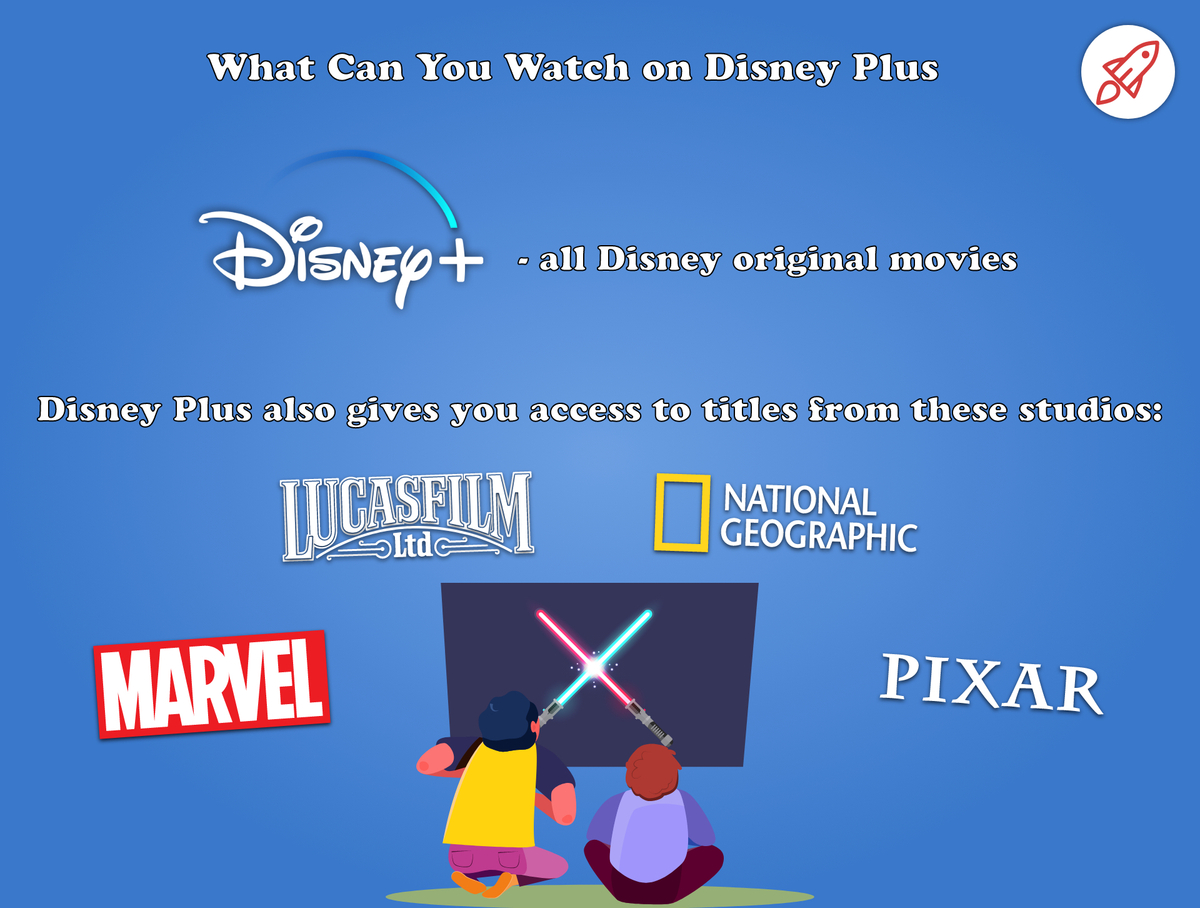
SVOD services are the titans of the streaming world. For a recurring monthly or annual fee, subscribers gain unlimited access to a vast library of content. Netflix, Amazon Prime Video, Disney+, Hulu, HBO Max (now Max), and Apple TV+ are prime examples. These platforms heavily invest in original programming – “Netflix Originals,” “Max Originals” – not just to differentiate themselves but to attract and retain subscribers in an increasingly competitive market. Their content strategies involve a mix of exclusive new productions and licensed older titles, creating a compelling value proposition that challenges traditional media distributors. The “streaming wars” are largely fought within this segment, driving innovation in content quality and platform features.
Ad-Supported Video On Demand (AVOD) and Free Streaming
Beyond the subscription model, a significant portion of digital content is available for free, supported by advertising. Platforms like Pluto TV, Tubi, The Roku Channel, and the free tiers of Peacock offer extensive libraries of movies and TV shows, mimicking the traditional broadcast experience with ad breaks. YouTube remains the undisputed leader in user-generated content, but also hosts a vast array of professionally produced material, documentaries, and live streams, all primarily ad-supported. This model provides an accessible entry point for consumers and a diverse revenue stream for content creators and distributors, demonstrating that “free” still holds immense power in the digital economy.
Live TV Streaming Services (vMVPDs): The Internet Alternative to Cable
For those who want the channel surfing experience of traditional TV but delivered over the internet, virtual Multichannel Video Programming Distributors (vMVPDs) have emerged. Services like Sling TV, YouTube TV, Hulu + Live TV, and FuboTV offer bundles of live linear channels, often including local broadcasts, sports, and news, accessible via apps on various devices. These services aim to replicate the cable TV experience with greater flexibility, lower costs (often), and without the need for proprietary set-top boxes. They represent a technological bridge, allowing users to cut the cord from traditional cable providers without sacrificing access to real-time programming.
Niche and Specialty Platforms
The fragmentation of content has also led to a thriving ecosystem of niche and specialty streaming platforms. These services cater to very specific interests or demographics, offering curated collections that might not be found on mainstream platforms. Examples include Shudder (horror films), The Criterion Channel (classic and art-house cinema), Crunchyroll (anime), MUBI (independent films), or even educational platforms like MasterClass. These platforms leverage the long tail of content demand, proving that while general entertainment giants dominate, there’s still ample room for highly specialized offerings that resonate deeply with dedicated communities.
Devices and Technologies: The Gateway to Your Entertainment
The “what” of watching is inextricably linked to the “how” and “where,” which are dictated by the sophisticated devices and underlying internet infrastructure that deliver content to our screens.
Smart TVs and Integrated Platforms
The modern television set is no longer a passive display; it’s a smart hub, an integrated computing device running its own operating system (like WebOS, Tizen, or Android TV) and pre-loaded with streaming apps. Smart TVs have become the primary gateway for many to access digital content, offering a seamless experience without the need for additional external hardware for basic streaming. Their intuitive interfaces, built-in Wi-Fi, and voice control capabilities make content discovery and playback simpler than ever, consolidating the living room entertainment experience into a single, sleek unit.
Streaming Devices and Dongles
Despite the rise of Smart TVs, dedicated streaming devices continue to thrive due to their superior performance, broader app support, and consistent user experience. Devices like Roku players, Apple TV, Amazon Fire TV sticks, and Google Chromecast offer a portable, often more powerful, and platform-agnostic way to access streaming services on any compatible display. They often boast faster processors, more memory, and support for the latest video and audio technologies (like 4K HDR and Dolby Atmos), ensuring a premium viewing experience even on older or less capable smart TVs.
Mobile Devices and On-the-Go Viewing
The smartphone and tablet have revolutionized content consumption, untethering entertainment from the living room. “What can you watch” now extends to commutes, waiting rooms, and even international travel. Streaming apps are optimized for mobile interfaces, offering offline downloads, data-saving modes, and adaptive streaming to accommodate varying network conditions. This shift underscores the demand for ubiquitous access and personal control over media consumption, turning every portable screen into a potential cinema.
The Role of Internet Connectivity
None of this would be possible without robust internet infrastructure. High-definition (HD) and ultra-high-definition (UHD/4K) streaming demand significant bandwidth. The widespread deployment of fiber optics, advanced DSL, cable internet, and increasingly 5G wireless technology has made high-quality, buffer-free streaming a reality for millions. The ongoing improvements in internet speed and reliability are fundamental to supporting the ever-increasing fidelity and interactivity of digital content.
Emerging Trends and The Future of Watching
The digital content landscape is in a constant state of flux, with technological advancements continually pushing the boundaries of “what can you watch.” The future promises even more immersive, personalized, and interactive experiences.
Interactive Content and Gamification
Beyond passive viewing, interactive content is slowly gaining traction. Netflix experimented with “Bandersnatch” and other choose-your-own-adventure narratives, giving viewers agency within the story. This trend is likely to expand, blurring the lines between traditional storytelling and gaming, potentially involving viewer participation in plot choices, character development, or even influencing outcomes in real-time. This technology-driven engagement offers a novel way to deepen audience involvement.
The Metaverse and Immersive Viewing Experiences
While still nascent, the concept of the metaverse holds immense potential for future viewing experiences. Imagine attending a virtual concert with friends, watching a sporting event from a ringside seat in VR, or even co-experiencing a movie within a shared virtual environment, regardless of physical location. Technologies like virtual reality (VR) and augmented reality (AR) are paving the way for truly immersive content, transforming “watching” into an “experiencing” event that engages more senses and offers unprecedented levels of presence.
AI in Content Creation and Curation
Artificial intelligence is not just recommending content; it’s starting to help create it. Generative AI models are capable of drafting scripts, composing scores, or even animating sequences, potentially democratizing content creation and speeding up production processes. On the curation front, AI will become even more sophisticated, anticipating viewer desires, dynamically adjusting content feeds, and perhaps even creating personalized “channels” unique to each user’s real-time mood and preferences.
The Decentralization of Content
The Web3 movement, underpinned by blockchain technology, hints at a future where content ownership and distribution might become more decentralized. Non-fungible tokens (NFTs) could grant verifiable ownership of digital media, leading to new models for content funding, distribution, and monetization that empower creators and audiences more directly, potentially bypassing traditional intermediaries. This could usher in an era of creator-owned media platforms and community-governed content ecosystems.
Navigating the Paradox of Choice and Content Fatigue
With an overwhelming abundance of content and platforms, the modern viewer faces a new challenge: the paradox of choice. Finding something to watch can be as daunting as having nothing to watch.
Curation Tools and Aggregators
To combat content overload, a new breed of technology tools and aggregators is emerging. These apps and services aim to provide a unified interface for discovering content across multiple streaming platforms. By integrating various libraries and allowing users to track their subscriptions, create watchlists, and receive personalized recommendations that span different services, these tools help streamline the decision-making process and alleviate content fatigue. They are essentially digital concierges for your entertainment needs.
The Subscription Stack and Cost Management
As the number of streaming services proliferates, so does the collective cost. Consumers are increasingly evaluating their “subscription stack,” deciding which services are essential and which can be paused or canceled periodically. This behavior, known as “churn,” is driving platforms to offer more competitive pricing, bundled deals, and flexible subscription tiers. Technology plays a role here too, with apps that help track subscriptions and spending, empowering users to manage their digital entertainment budget effectively.
The Importance of Discovery and Recommendation Engines
Ultimately, the success of any content platform hinges on its ability to help users discover content they love. Beyond personalization, recommendation engines are constantly refined to balance introducing novel content with reinforcing known preferences. Features like “trending now,” “continue watching,” and editorially curated collections work in conjunction with algorithms to provide diverse pathways to content discovery, ensuring that despite the vast ocean of options, viewers can always find something compelling to watch.

Conclusion
“What can you watch” is a question with an ever-expanding answer, thanks to the relentless march of technological innovation. From the quiet disruption of streaming services to the potential of the metaverse, technology has fundamentally reshaped our relationship with visual media. We have moved from a world of scarcity and scheduled viewing to one of unprecedented abundance, personalization, and on-demand access. As we look ahead, the evolution will continue, driven by AI, immersive technologies, and new paradigms of content creation and distribution. Navigating this rich and complex landscape requires an understanding of the underlying tech, but one thing is certain: the future of watching promises to be even more engaging, diverse, and extraordinary.
aViewFromTheCave is a participant in the Amazon Services LLC Associates Program, an affiliate advertising program designed to provide a means for sites to earn advertising fees by advertising and linking to Amazon.com. Amazon, the Amazon logo, AmazonSupply, and the AmazonSupply logo are trademarks of Amazon.com, Inc. or its affiliates. As an Amazon Associate we earn affiliate commissions from qualifying purchases.