
Amazon has profoundly reshaped the landscape of retail, becoming synonymous with convenience, vast selection, and, for many, rapid delivery. The popular perception, often reinforced by extensive marketing, is that the optimal Amazon experience is inextricably linked to an Amazon Prime membership. With its promise of “free two-day shipping” (and increasingly, one-day or same-day delivery in many areas), Prime has indeed become a cornerstone for millions of shoppers. However, a significant segment of consumers chooses not to subscribe to Prime, whether due to infrequent Amazon purchases, a preference for other retailers, or simply a desire to avoid recurring subscription fees. For these shoppers, a crucial financial question arises: how much is shipping on Amazon without Prime?
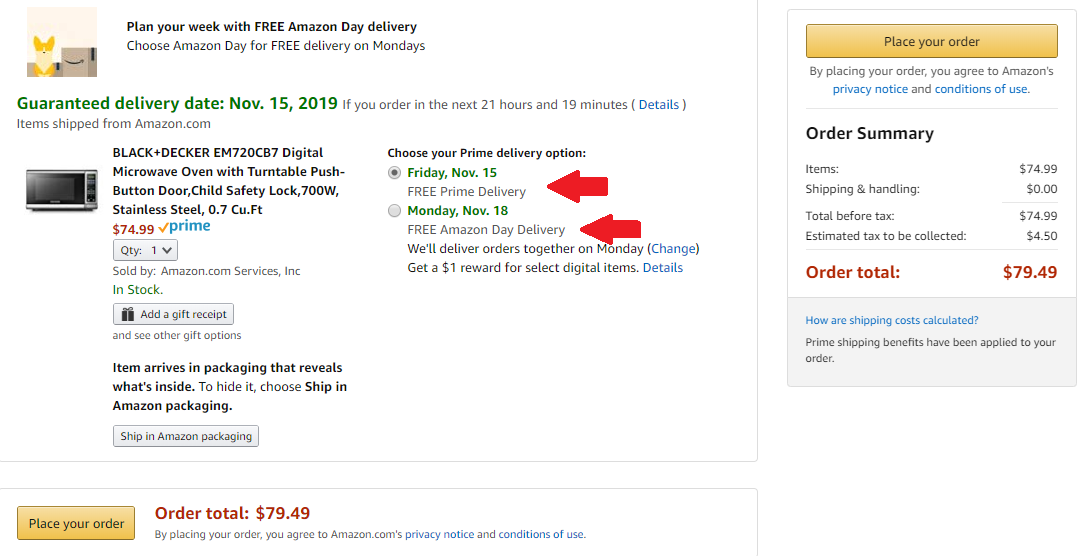
Navigating Amazon’s shipping policies as a non-Prime member requires a clear understanding of various factors, from order thresholds to seller types and shipping speeds. This article aims to demystify these costs, providing a comprehensive financial guide to help non-Prime shoppers make informed decisions, optimize their spending, and avoid unexpected charges. While the allure of Prime’s shipping benefits is strong, smart shopping without a subscription can still be remarkably cost-effective, proving that financial savviness can trump membership status.
Decoding Amazon’s Standard Shipping Costs for Non-Prime Members
For those without a Prime membership, Amazon’s shipping charges are primarily determined by an order minimum, the nature of the items purchased, and the desired delivery speed. Understanding these variables is the first step towards controlling your spending.
The Threshold for Free Standard Shipping
The most significant financial lever for non-Prime members is Amazon’s free standard shipping threshold. For eligible items, Amazon generally offers free standard shipping on orders totaling $35 or more. This is a crucial number to remember for any non-Prime shopper.
“Eligible items” typically refers to products that are either sold directly by Amazon or are “Fulfilled by Amazon” (FBA), meaning Amazon handles the storage, packing, and shipping from its own warehouses. Items from third-party sellers that are not FBA may have different shipping rules, which we will explore later. It’s also important to note that this threshold applies to contiguous U.S. addresses; shipping to Alaska, Hawaii, Puerto Rico, or other U.S. territories might incur additional charges or have different minimums. The delivery timeframe for free standard shipping usually ranges from 5 to 8 business days, though it can sometimes be quicker depending on your location and Amazon’s logistics network.
Variable Shipping Rates Below the Threshold
When your order value falls below the $35 threshold, Amazon applies shipping charges. These rates are not flat; they vary significantly based on several factors:
- Item Type and Category: Some product categories, like books, might have lower shipping rates per item compared to electronics or household goods.
- Weight and Dimensions: Heavier or bulkier items naturally incur higher shipping costs due to increased logistical expenses. Amazon often uses a base charge plus a per-pound or per-item fee for these goods.
- Number of Items: Sometimes, shipping is calculated per shipment, and adding more items within the same order might not dramatically increase the total shipping cost, especially if they can be consolidated.
- Destination: While the contiguous U.S. typically follows a standard rate structure, remote areas or specific zip codes might see slightly higher charges.
For small, lightweight items, you might see charges in the range of $4.99 to $6.99 for standard shipping. As items become larger or heavier, these costs can easily escalate to $10, $15, or even more, particularly for multi-item orders that don’t meet the free shipping minimum. It is absolutely essential to review the shipping cost displayed at checkout before finalizing your purchase, as this will be the most accurate reflection of the current charges.
Understanding Different Shipping Speeds
Beyond standard shipping, Amazon offers faster delivery options, which come with progressively higher costs for non-Prime members. These options are primarily for those who need an item quickly and are willing to pay a premium.
- Expedited Shipping: Typically delivers within 2-5 business days. The cost is notably higher than standard shipping and can vary based on item size, weight, and destination.
- Two-Day Shipping: As the name suggests, aims for delivery within two business days. This option is significantly more expensive and often mimics the speed offered by Prime, but without the “free” aspect.
- One-Day Shipping: The fastest option, usually delivering within a single business day. This is the most expensive non-Prime shipping choice and may not be available for all items or in all locations.
For non-Prime members, opting for faster shipping speeds can quickly negate any potential savings on the item itself. A $10 item with $15 two-day shipping will cost you $25, making a strong financial case for considering if the speed is truly necessary or if a local purchase might be more economical.
Navigating Third-Party Sellers and Fulfillment Options
Amazon’s marketplace is vast, extending far beyond products sold directly by the company. Understanding how third-party sellers operate and their fulfillment methods is critical for accurately assessing shipping costs as a non-Prime member.
The Role of “Fulfilled by Amazon” (FBA)
Many third-party sellers leverage Amazon’s logistics infrastructure through a program called “Fulfilled by Amazon” (FBA). With FBA, sellers send their products to Amazon’s fulfillment centers, and Amazon takes care of storage, packing, shipping, and often customer service for those items.
For non-Prime members, FBA items are generally beneficial because they typically:
- Count towards the $35 free shipping threshold: If an FBA item is eligible, its price contributes to the $35 minimum for free standard shipping.
- Adhere to Amazon’s standard shipping policies: This means predictable shipping rates and speeds, aligning with Amazon’s own directly sold products.
- Offer more consistent shipping experiences: FBA items usually have the reliability and tracking capabilities associated with Amazon’s robust logistics network.
Identifying FBA items is usually straightforward; look for text on the product page stating “Sold by [Seller Name] and Fulfilled by Amazon.”
Understanding “Fulfilled by Seller” (FBM) or Merchant-Fulfilled Orders
Conversely, “Fulfilled by Seller” (FBM), also known as merchant-fulfilled orders, means the third-party seller handles the entire shipping process themselves—from packaging to choosing a carrier (like USPS, FedEx, or UPS) and managing delivery.
For non-Prime members, FBM orders introduce a greater degree of variability in shipping costs and experiences:
- Independent Shipping Rates: FBM sellers set their own shipping rates and policies. These can vary wildly, from very low to quite high, and might include additional handling fees.
- Variable Shipping Speeds: Delivery times depend entirely on the seller’s chosen method and carrier, which might be slower or faster than Amazon’s standard offerings.
- No Contribution to Amazon’s Threshold: Items fulfilled by the merchant generally do not count towards Amazon’s $35 free shipping threshold for FBA or Amazon-sold items. This means you could have an order from an FBM seller with its own shipping fee, even if you also have an FBA item that puts your total above $35.
- Diverse Return Policies: While Amazon offers a consistent return policy for FBA items, FBM sellers may have their own, potentially stricter, return policies, which could involve return shipping costs or restocking fees.
When considering an FBM item, it’s crucial to carefully review the seller’s shipping and return policies on the product page. Checking the seller’s rating and customer reviews specifically related to shipping can also provide valuable insights.

Seller-Specific Promotions and Free Shipping
Despite the general lack of free shipping for non-Prime FBM items, some third-party sellers occasionally offer their own free shipping promotions. These might be for orders above a certain value (e.g., free shipping on orders over $50 from their store) or as a temporary promotional offer. Always keep an eye out for these details on individual product pages or seller storefronts, as they can represent significant savings.
Strategic Financial Planning for Non-Prime Amazon Shoppers
Successfully navigating Amazon as a non-Prime member is less about avoiding all shipping costs and more about strategic financial planning to minimize them and ensure you’re getting the best overall value.
Bundling Purchases for Maximum Savings
The most impactful strategy for non-Prime members is to bundle purchases to meet the $35 free standard shipping threshold. Instead of buying a single $15 item and paying $5-$7 in shipping, consolidate your needs. Maintain an ongoing “wish list” or “save for later” section in your Amazon cart. When you accumulate enough items to exceed $35, place a single order. This requires patience and foresight but can lead to substantial savings over time, especially if you regularly purchase smaller household necessities or non-urgent items.
Price Comparison Beyond Amazon
Without Prime’s “free” shipping advantage, Amazon’s total price (item cost + shipping fee) might not always be the most competitive. Smart financial shoppers should always:
- Compare Total Costs: Use price comparison tools or manually check other online retailers (Walmart, Target, eBay, specialty stores) and even local brick-and-mortar stores. Factor in their shipping costs, potential sales tax, and any coupons.
- Consider Local Availability: For urgent or lower-cost items, a quick trip to a local store might be cheaper and faster than paying for expedited shipping on Amazon. The “cost” of your time to travel to a store versus the shipping fee is a personal financial calculation.
- Utilize Browser Extensions: Many browser extensions can automatically compare prices across different retailers while you’re browsing on Amazon, making this process effortless.
Utilizing Amazon’s Add-on Items and Digital Goods
Amazon’s “Add-on Items” are typically small, low-priced products that are uneconomical to ship on their own. They usually require a minimum order value (often $25) to be shipped, but critically, they also count towards the $35 free shipping threshold for non-Prime members (provided other eligible items bring the total above $35). These can be excellent fillers to push your cart over the threshold when you’re just a few dollars short.
Furthermore, remember that Amazon offers a vast array of digital goods—e-books, digital music, streaming video rentals/purchases, apps, and video games. These inherently have no shipping costs, offering a convenient and immediate consumption option that bypasses all shipping considerations.
The Cost-Benefit Analysis: Prime vs. Non-Prime
At some point, every active non-Prime Amazon shopper should perform a cost-benefit analysis of a Prime membership.
- Calculate Your Annual Shipping Costs: Tally up how much you’ve spent on Amazon shipping fees over a year. Be honest and comprehensive.
- Compare to Prime Membership Cost: An annual Prime membership currently costs around $139 (or $14.99/month). If your annual shipping fees consistently approach or exceed this amount, Prime might be a financially sound investment.
- Factor in Other Prime Benefits: Prime offers more than just shipping. Consider the value you’d place on Prime Video, Prime Music, Prime Reading, exclusive deals, and other perks. For some, these non-shipping benefits alone justify the cost.
- Consider a Trial: If you’re on the fence, Amazon often offers a free 30-day Prime trial. This allows you to experience the full benefits, including “free” shipping, to gauge its value for your specific shopping habits without immediate financial commitment.
Hidden Costs and Considerations for Non-Prime Shoppers
While direct shipping fees are the most obvious expense, other considerations can subtly impact the overall financial picture for non-Prime Amazon shoppers.
Returns and Restocking Fees
Amazon’s return policy is generally generous. For items sold by Amazon or Fulfilled by Amazon, returns are often free, even for non-Prime members, typically within a 30-day window. However, this isn’t universally true:
- Third-Party Seller Policies: FBM sellers set their own return policies. Some may require you to pay for return shipping, and others might charge a restocking fee, especially for non-defective items. Always check the seller’s specific return policy before purchasing.
- Oversized/Specialty Items: Even for FBA items, very large or heavy items, or products with specific hazardous material classifications, might incur return shipping fees or require specific shipping methods at your expense.
Understanding the return policy upfront can prevent unexpected financial outlays if an item doesn’t meet your expectations.
“Opportunity Cost” of Slower Shipping
While not a direct monetary cost, the “opportunity cost” of slower standard shipping is a factor for some. Waiting 5-8 business days for an item might mean:
- Inconvenience: You might need an item sooner for a project, a gift, or a household repair. The delay could lead to frustration or force you to seek an alternative solution.
- Missed Opportunities: In some cases, waiting for an item could mean missing a window of opportunity where it would have been most useful.
For many, the patience required for standard shipping is a small trade-off for cost savings. However, for time-sensitive needs, the perceived value of faster delivery (even if paid for) or local purchase may outweigh the savings from free standard shipping.
Geographic and Item-Specific Surcharges
While the $35 free shipping threshold generally applies across the contiguous U.S., be aware of potential surcharges for:
- Remote Locations: Shipping to Alaska, Hawaii, and U.S. territories almost always incurs additional fees, even for Prime members. Non-Prime members will face these charges on top of any standard shipping fees.
- Oversized or Hazardous Items: Certain items due to their size, weight, or contents (e.g., some batteries, chemicals) may have special handling fees or shipping surcharges regardless of Prime status or order value. These are typically calculated and displayed at checkout.
Always review the final shipping charges before clicking “Place Your Order” to account for any unexpected surcharges.
Conclusion
Shopping on Amazon without a Prime membership is not only feasible but, with a strategic approach, can be a financially savvy decision. The key lies in understanding Amazon’s varied shipping policies, especially the $35 free standard shipping threshold for eligible items, and recognizing the different dynamics introduced by third-party sellers.
By consciously bundling purchases, comparing total costs across retailers, and being mindful of delivery speeds and seller types, non-Prime shoppers can significantly minimize their out-of-pocket shipping expenses. While Prime offers undeniable convenience and a suite of additional benefits, the astute non-member can still harness the power of Amazon’s vast marketplace without committing to a recurring subscription. Ultimately, making informed financial decisions about how and when you shop on Amazon empowers you to control your personal finances, ensuring that convenience doesn’t come at an unforeseen cost.
aViewFromTheCave is a participant in the Amazon Services LLC Associates Program, an affiliate advertising program designed to provide a means for sites to earn advertising fees by advertising and linking to Amazon.com. Amazon, the Amazon logo, AmazonSupply, and the AmazonSupply logo are trademarks of Amazon.com, Inc. or its affiliates. As an Amazon Associate we earn affiliate commissions from qualifying purchases.