
In the vast landscape of online retail, Amazon stands as a titan, offering an unparalleled selection of products delivered directly to your doorstep. However, the convenience often comes with a shipping cost, a small fee that can quickly add up and erode the perceived savings of online shopping. For the astute consumer, understanding how to circumvent these charges and consistently secure free shipping on Amazon is not just a convenience; it’s a fundamental aspect of savvy personal finance. This guide delves into the various strategies, both explicit and subtle, that allow millions to enjoy Amazon’s offerings without the additional burden of delivery fees, thereby optimizing their spending and maximizing their purchasing power.

Free shipping isn’t merely a perk; it’s a psychological trigger that influences buying decisions, often making a product seem more appealing even if its base price is slightly higher. For Amazon, offering free shipping is a complex logistical and financial puzzle, balancing customer satisfaction with operational costs. For the consumer, mastering the art of free shipping means more money in their pocket, turning potential shipping expenses into actual savings. This article will equip you with the knowledge to navigate Amazon’s shipping policies like a pro, ensuring your next online order arrives without an extra charge.
The Foundation: Amazon Prime and Its Shipping Perks
The most direct and widely recognized path to free shipping on Amazon is through an Amazon Prime membership. Introduced as a revolutionary service, Prime has evolved into a comprehensive lifestyle package, but its core appeal remains its shipping benefits. For an annual or monthly fee, members unlock a suite of privileges, with free shipping at the forefront.
Unpacking Prime’s Core Free Shipping Offerings
At its heart, Amazon Prime offers unlimited free two-day shipping on millions of eligible items. This means that once subscribed, the majority of your purchases will arrive within two business days, without any additional shipping cost, regardless of the order size or value. This benefit is particularly attractive for frequent shoppers who value speed and predictability. The convenience of knowing that a spontaneous purchase, whether it’s a last-minute gift or an unexpected household need, will arrive swiftly and without an added fee, offers significant peace of mind and contributes to a smoother budgeting process. For many, the ability to avoid rush delivery fees on urgent items alone can justify the membership cost.
Beyond Standard: Expedited and Same-Day Options
While free two-day shipping is Prime’s flagship, the benefits extend further. Depending on your location and the item’s availability, Prime members often qualify for free one-day shipping, and in many major metropolitan areas, even free same-day delivery on qualifying orders. These expedited options are typically contingent on ordering by a certain time and meeting specific minimum purchase requirements (e.g., over $35 for same-day delivery), but they represent an incredible value for time-sensitive needs. The ability to receive items within hours, free of charge, can save consumers from impulsive trips to brick-and-mortar stores, potentially leading to additional unplanned purchases. Understanding these tiered shipping options allows members to choose the most cost-effective and timely delivery method based on their immediate needs.
Evaluating Prime’s Value Proposition for Shipping
From a financial perspective, determining if a Prime membership is “worth it” largely hinges on your shopping habits. If you place numerous orders throughout the year, especially for items you need quickly, the shipping savings alone can quickly outweigh the membership fee. Consider the hypothetical scenario where standard shipping costs $5 per order. If you place 20 orders a year, you’d spend $100 on shipping – roughly the annual cost of Prime. Any additional benefits, like Prime Video, Prime Music, or exclusive deals, then become extra perks that further enhance the value. However, for infrequent shoppers, the membership fee might not be justified by shipping savings alone, leading them to explore other avenues for free delivery. A crucial aspect of financial planning is assessing recurring subscriptions against their actual utility, and Prime is no exception. Regularly reviewing your Amazon order history can provide valuable insights into whether your shipping habits truly maximize your Prime investment.
Strategic Moves for Non-Prime Members to Secure Free Shipping
While Prime offers the most straightforward path, Amazon understands that not everyone will opt for a membership. Consequently, they provide several avenues for non-Prime members to still enjoy free shipping, albeit with certain conditions. These strategies require a bit more planning and awareness but are entirely achievable for the cost-conscious consumer.
Hitting the Minimum Order Threshold: Smart Shopping Tactics
The most common method for non-Prime members to get free shipping is by meeting Amazon’s minimum order threshold, which typically stands at $35 or more for eligible items. This threshold is subject to change and can vary based on product category or specific promotions, so it’s always wise to check the current requirement.
To effectively meet this threshold without overspending or buying unnecessary items, consider consolidating your purchases. Instead of buying a single $15 item with paid shipping, defer the purchase until you have a few other items on your shopping list. This might involve planning your purchases weekly or monthly. Another tactic is to anticipate future needs – running low on household staples, pet food, or personal care items? Add them to your cart to reach the threshold. The key is to avoid impulse buys just to qualify for free shipping, as that defeats the financial objective. Patience and foresight are your allies here.
Leveraging Amazon’s Free Shipping Eligible Items and Promotions
Not all items on Amazon count towards the free shipping threshold, and some categories inherently offer free shipping regardless of the order total. For instance, books (especially media mail) often have different shipping rules. Amazon occasionally runs promotions where specific categories of products or individual items qualify for free shipping for a limited time, even for non-Prime members. Keep an eye on Amazon’s homepage, promotional banners, and deal sections, as these opportunities are regularly highlighted. Subscribing to Amazon’s email newsletters can also alert you to such fleeting chances to save on shipping. Being proactive in identifying these offers can lead to significant savings over time, especially for items you were planning to buy anyway.
The Role of ‘Add-On’ Items and How to Navigate Them
‘Add-on’ items are often low-priced products that Amazon sells to encourage larger purchases. They are typically marked as “Add-on Item” and only ship with orders that include at least $25 of eligible items (this minimum can also change). For non-Prime members aiming for free shipping, these can be a double-edged sword. While they might seem like an easy way to push your cart value over the $35 free shipping threshold, you first need to meet the $25 minimum for the add-on item itself to ship. The best strategy is to incorporate add-on items into an existing larger purchase that already qualifies for free shipping or is close to doing so. Avoid buying add-on items on their own, as they will still incur shipping fees if the minimums aren’t met. They are designed to be supplementary purchases, not standalone ones.
Utilizing Amazon Day and Pickup Options
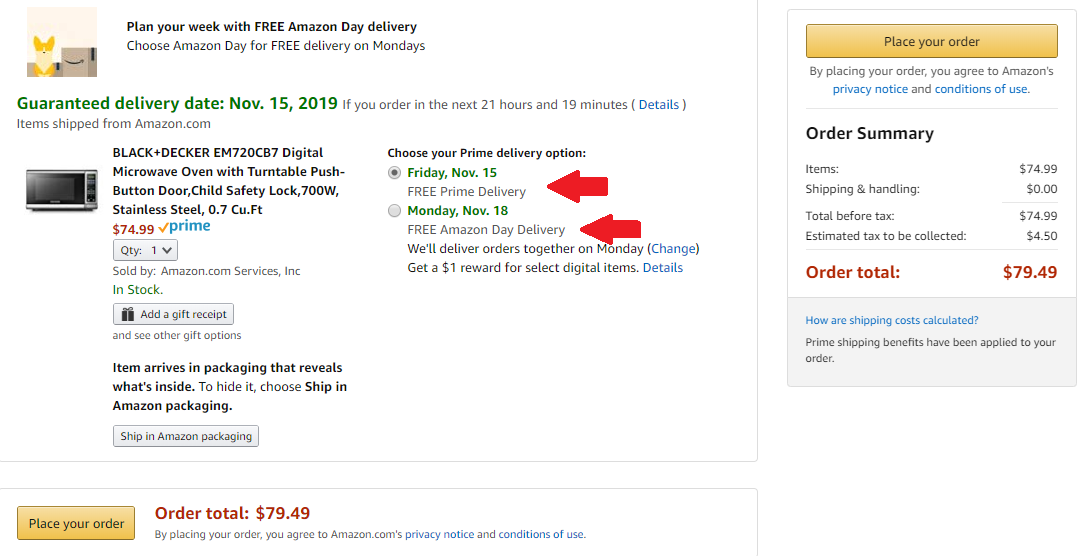
Amazon has been innovating its delivery options to optimize logistics and customer convenience. For all Amazon customers, including non-Prime members, Amazon Day allows you to choose a specific day of the week for all your eligible orders to arrive together. While this doesn’t directly offer free shipping if you haven’t met other criteria, it can contribute to consolidated shipping and potentially help meet thresholds by grouping items. Furthermore, Amazon Locker and other pickup points (e.g., at Whole Foods Market, Kohl’s) offer an alternative to home delivery. In some instances, choosing a pickup point might negate a shipping fee that would otherwise apply, especially for certain item types or promotions. This option is particularly useful for those who might not be home to receive packages or prefer a secure alternative to doorstep delivery, and it occasionally comes with its own shipping incentives.
Advanced Strategies and Savvy Shopper Tactics
Beyond the basic Prime membership and non-Prime thresholds, there are more nuanced approaches that savvy shoppers employ to minimize shipping costs on Amazon. These strategies often involve a combination of vigilance, planning, and leveraging available tools.
Consolidating Orders for Maximum Efficiency
For both Prime and non-Prime members, mindful consolidation of orders is a powerful money-saving tactic. Instead of placing several small orders over a week or month, make a conscious effort to group your purchases. This isn’t just about reaching a free shipping threshold; it also reduces the environmental impact of multiple deliveries and simplifies your receiving process. For Prime members, while individual small orders are often free, consolidating reduces packaging waste and the number of delivery stops, contributing to overall efficiency. For non-Prime members, it’s critical to ensure that each consolidated order comfortably exceeds the free shipping minimum, avoiding the temptation to split purchases just because an item is available immediately. Use your “Save for Later” cart functionality as a temporary holding pen for items until you’re ready to make a larger, consolidated purchase.
Price Tracking and Shipping Deal Alerts
The e-commerce landscape is dynamic, with prices and shipping promotions changing constantly. Utilizing price tracking websites and browser extensions (like Keepa, CamelCamelCamel, or Honey) can give you an edge. These tools monitor price fluctuations on Amazon and can often alert you to specific deals that include free shipping, even if it’s not a standard offer. Some extensions might even automatically apply coupon codes that could reduce your total, potentially pushing you over a free shipping threshold or making a paid shipping option negligible. Setting up alerts for specific products you need can ensure you never miss a prime opportunity to buy when both the price and shipping terms are favorable. This proactive approach turns passive browsing into strategic financial planning.
Exploring Alternative Retailers or Direct from Manufacturer
Sometimes, despite all efforts, securing free shipping on Amazon for a particular item simply isn’t feasible or financially sensible. In such cases, a smart financial decision might involve looking beyond Amazon. Many manufacturers offer free shipping directly from their own websites, especially for orders over a certain amount, or through specific promotional periods. Other major retailers (Walmart, Target, Best Buy, etc.) have their own free shipping policies that might be more lenient or better suited to your specific purchase. Before committing to a paid shipping option on Amazon, take a moment to compare the total cost (item price + shipping) with other sellers. This comparative shopping approach is a cornerstone of sound personal finance, ensuring you always get the best overall deal, not just the best advertised price.
Beyond Free Shipping: Understanding the True Cost and Value
While the allure of “free shipping” is strong, a truly financially astute consumer understands that nothing is ever truly free. There’s always an underlying cost, whether it’s absorbed by the retailer, baked into the product’s price, or incurred in a less obvious form by the consumer. Therefore, it’s crucial to analyze the broader financial implications of pursuing free shipping.
The Opportunity Cost of Reaching Thresholds
For non-Prime members, deliberately adding items to your cart solely to meet the free shipping threshold presents a classic example of opportunity cost. If you add a $10 item you don’t truly need to reach a $35 free shipping minimum, you’ve essentially spent $10 to save, for example, $6 on shipping. In this scenario, you’ve overspent by $4. The “free” shipping becomes more expensive than just paying the shipping fee outright. A critical financial discipline is to distinguish between genuinely needed items and those purchased simply to avoid a shipping charge. Always ask: “Would I buy this item if there was no free shipping incentive?” If the answer is no, then paying the shipping fee might be the more financially responsible choice.
When Paying for Shipping Makes Financial Sense
There are legitimate scenarios where paying for shipping is the more economically sound decision. If you only need one low-cost item and adding more products would mean buying things you don’t need or storing excess inventory, paying a few dollars for shipping is often the better option. For urgent items where expedited shipping is required and the Prime benefits aren’t sufficient or available, paying a premium for guaranteed fast delivery can prevent larger financial losses (e.g., missing a work deadline, having to buy a more expensive last-minute replacement locally). The convenience, time saved, and avoidance of unnecessary purchases can easily outweigh the direct cost of shipping. A financially savvy shopper evaluates each purchase individually, weighing the item’s cost, the shipping fee, the necessity of the item, and the alternatives, before making a decision.
Optimizing Your Overall Amazon Spending Strategy
Ultimately, achieving free shipping on Amazon is just one component of an overarching strategy to optimize your online spending. It integrates with broader financial goals such as budgeting, conscious consumption, and value seeking. This involves:
- Budgeting for Online Purchases: Allocating a specific budget for online shopping helps prevent overspending, regardless of shipping costs.
- Prioritizing Needs vs. Wants: Focusing on essential purchases reduces the temptation to add unnecessary items for free shipping.
- Leveraging Amazon’s Features: Utilizing wish lists, “Save for Later,” and subscribe-and-save options (which often come with free shipping) for regularly consumed items.
- Being Aware of Return Policies: Understanding that even with free shipping, returns can incur costs or inconvenience if not handled correctly.
By approaching Amazon shopping with a strategic, financially informed mindset, consumers can consistently secure free shipping while making intelligent purchasing decisions that align with their personal finance goals. Free shipping isn’t just about avoiding a charge; it’s about making every dollar count in your online shopping endeavors.
aViewFromTheCave is a participant in the Amazon Services LLC Associates Program, an affiliate advertising program designed to provide a means for sites to earn advertising fees by advertising and linking to Amazon.com. Amazon, the Amazon logo, AmazonSupply, and the AmazonSupply logo are trademarks of Amazon.com, Inc. or its affiliates. As an Amazon Associate we earn affiliate commissions from qualifying purchases.