
In an era defined by abundant digital entertainment, streaming services have become a staple in many households, offering an unparalleled selection of movies, TV shows, and original content at our fingertips. Among the giants of this industry, Amazon Prime Video holds a significant position, not just as a standalone streaming platform but often as a key component of the broader Amazon Prime ecosystem. For consumers keen on optimizing their personal finances, understanding the true cost of a Prime Video subscription, alongside its bundled benefits and potential hidden expenses, is crucial. This article will meticulously break down the various financial aspects of subscribing to Prime Video, enabling you to make an informed decision that aligns with your budget and entertainment needs.
Deconstructing the Core Subscription Costs
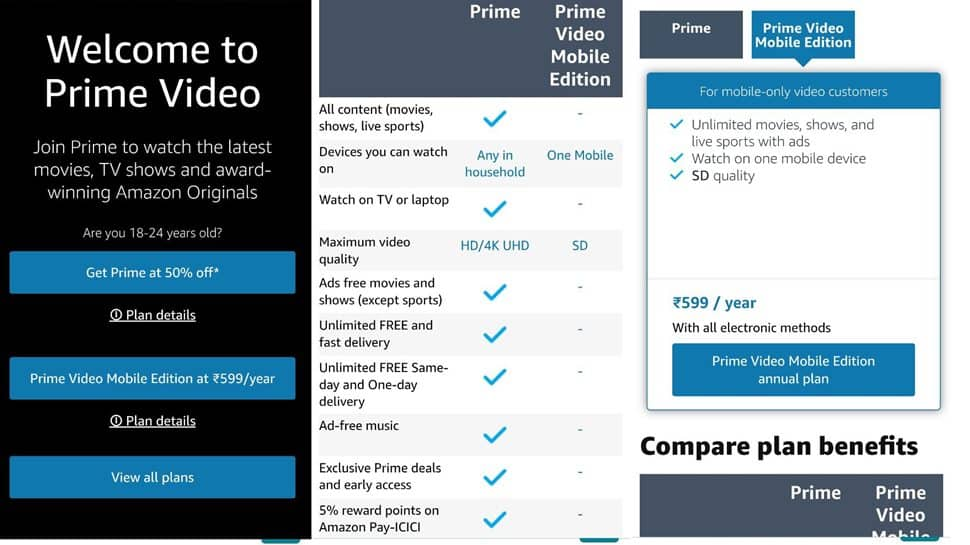
Understanding the fundamental cost structure of Prime Video requires distinguishing between its common bundling within Amazon Prime and its rarer standalone option. This initial analysis forms the bedrock of any financial evaluation.
Amazon Prime Membership: The Gateway
For the vast majority of subscribers, access to Prime Video is a benefit included with an Amazon Prime membership. This comprehensive membership is Amazon’s flagship loyalty program, offering a wide array of perks far beyond just video streaming. The cost for a standard Amazon Prime membership in the United States, for instance, typically stands at $14.99 per month or a more economical $139 annually, representing a significant saving over the monthly commitment. Similar pricing structures, adjusted for local currencies and market conditions, exist in other countries.
Beyond Prime Video, this membership unlocks a treasure trove of financial benefits that contribute to its perceived value. These include:
- Free, Fast Shipping: A cornerstone benefit, offering free two-day, one-day, and even same-day delivery on millions of eligible items. For frequent Amazon shoppers, this alone can justify the membership cost by eliminating shipping fees.
- Prime Music: Ad-free access to millions of songs and thousands of stations and playlists.
- Prime Reading: A rotating selection of free ebooks, magazines, and comics.
- Prime Gaming: Free games, in-game content, and a free Twitch channel subscription.
- Whole Foods Market Discounts: Exclusive savings and 5% back on select purchases for Prime Visa cardholders.
- Amazon Photos: Unlimited full-resolution photo storage.
Special concessions are often available to further reduce the financial barrier. Students, for example, can typically avail themselves of a discounted Prime membership at a significantly lower rate, often around $7.49 per month or $69 annually, sometimes even beginning with an extended free trial. Similarly, individuals receiving qualifying government assistance (e.g., EBT or Medicaid) may also qualify for a reduced monthly rate, making the services more accessible. When evaluating the cost of Prime Video, it’s essential to consider these bundled benefits and potential discounts, as they collectively shape the overall financial proposition.
Prime Video Standalone Option
While less common and not universally available across all regions, Amazon does offer a standalone Prime Video subscription as an alternative to the full Amazon Prime membership. This option is specifically designed for consumers whose primary interest is streaming video content and who may not utilize the other benefits of a full Prime membership, such as free shipping or Prime Music.
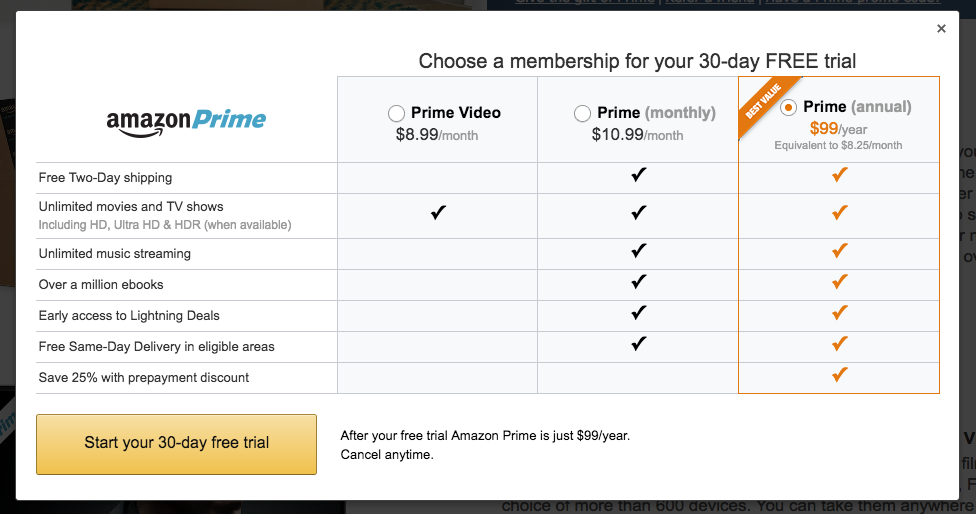
In the U.S., for example, a standalone Prime Video subscription is typically priced at $8.99 per month. When comparing this to the full Amazon Prime membership, which includes Prime Video, the financial trade-off becomes clear. Opting for the standalone Prime Video service at $8.99/month saves you $6/month compared to the $14.99/month full Prime membership. However, you forego all the additional benefits mentioned above, including free shipping.
The decision between the full Amazon Prime membership and the standalone Prime Video option is a classic personal finance calculation. If your Amazon purchases are infrequent and the other Prime benefits hold little appeal, the standalone video option presents a more cost-effective way to access Amazon’s streaming library. Conversely, if you frequently shop on Amazon, use Prime Music, or enjoy any of the other bundled services, the full Prime membership often represents superior value for money, as the incremental cost for Prime Video is considerably less. It’s imperative to assess your spending habits and actual usage of Amazon’s ecosystem to determine which financial path offers the best return on investment.
Regional Variations and Tax Implications
The cost of a Prime Video subscription, whether standalone or bundled with Amazon Prime, is not uniform across the globe. Amazon operates in numerous countries, and pricing strategies are tailored to local economies, purchasing power, and competitive landscapes. What costs $14.99 in the U.S. might translate to a different amount in Euros for Germany, Pounds for the UK, or Rupees for India, each reflecting varying market conditions and content licensing costs.
For instance, an Amazon Prime membership in the UK might cost £8.99 per month or £95 per year, while in India, it could be ₹299 per month or ₹1,499 per year. These variations underscore the importance of checking the specific pricing for your region directly on Amazon’s local website.
Furthermore, consumers must also account for sales tax or Value Added Tax (VAT), which can be applied to subscription services depending on local regulations. In many jurisdictions, the advertised price for digital services like Prime Video does not include these taxes, which are then added at the point of purchase. This can subtly increase the effective monthly or annual cost. While often a small percentage, these taxes contribute to the total financial outlay and should be factored into any personal budgeting for streaming services. Always review the final price at checkout to understand the full financial commitment, including all applicable taxes and fees specific to your geographical location.
Beyond the Basic Subscription: Unpacking Additional Costs
While the core Prime Video subscription offers a substantial library of content, it’s crucial for budget-conscious consumers to recognize that not everything on the platform is “free.” Several additional avenues for spending exist, which can significantly inflate your monthly entertainment budget if not carefully managed.
Renting and Buying Digital Content
Even with an active Prime Video subscription, a substantial portion of the content library, particularly new releases and blockbuster films, falls outside the included subscription. These titles are typically available for rent or purchase digitally. The financial implications here can vary widely:
- Rental Prices: A typical rental period usually lasts for 48 hours once you start watching the movie, though you might have 30 days to begin watching after payment. Rental prices for movies can range from $3.99 to $6.99, depending on the newness and popularity of the title. For TV shows, you might rent individual episodes for a similar price or a full season at a higher, bundled rate.
- Purchase Prices: If you wish to own a digital copy of a movie or TV show to watch indefinitely, purchase prices are naturally higher. Movies typically cost anywhere from $9.99 to $19.99, especially for new releases in high definition or 4K. Full seasons of TV shows can range from $19.99 to $49.99 or more, depending on the show’s length and popularity.
These costs, while offering access to desired content, are additive to your base subscription fee. Savvy financial planning involves budgeting for these occasional “extras” or making conscious decisions to wait for popular titles to eventually become included with your Prime subscription, if ever, to avoid impulse spending.
Amazon Prime Video Channels
One of the most significant potential additional expenses within the Prime Video ecosystem comes from Amazon Prime Video Channels. This feature allows Prime members to subscribe to third-party streaming services directly through their Amazon account, consolidating billing and access within the Prime Video interface. While convenient, each channel comes with its own separate monthly fee, in addition to your core Prime membership.
Examples of popular Amazon Prime Video Channels include:
- Max (formerly HBO Max): Often around $15.99/month
- Starz: Typically around $9.99/month
- Paramount+: Ranging from $5.99 to $11.99/month depending on the plan
- Showtime: Around $10.99/month
- MGM+ (formerly Epix): Often around $5.99/month
Subscribing to just a few of these channels can quickly escalate your total monthly streaming bill from the base Prime membership cost to $50, $60, or even more per month. For example, a full Prime membership at $14.99/month plus Max at $15.99/month and Starz at $9.99/month would bring your total to $40.97/month.
From a financial perspective, it’s crucial to regularly review which channels you are actively using. Many of these services are also available as standalone subscriptions directly from their providers, sometimes at comparable or even slightly different pricing. The convenience of consolidated billing via Amazon should be weighed against the cumulative cost and the actual utility you derive from each add-on channel.
Data Usage and Internet Costs
While not a direct charge from Amazon for the Prime Video service itself, the internet data consumed by streaming can become an indirect financial cost, particularly for users with capped internet plans or those who rely on mobile data. Streaming high-quality video consumes significant bandwidth:
- Standard Definition (SD): Approximately 0.7 GB per hour.
- High Definition (HD): Approximately 3 GB per hour.
- Ultra High Definition (4K UHD): Approximately 7 GB per hour.
For individuals with data caps (e.g., 1 TB per month), frequent 4K streaming, especially from multiple household members, can lead to exceeding the cap and incurring overage fees from their internet service provider (ISP). These fees can quickly add up, turning an affordable streaming habit into a surprisingly costly one.
Even for unlimited plans, the speed required to stream high-quality content without buffering translates into needing a more expensive internet package. While most modern broadband plans can handle HD streaming, 4K streaming often necessitates higher-tier, and thus higher-priced, internet speeds to ensure a seamless experience.
Therefore, when calculating the total financial impact of a Prime Video subscription, it’s prudent to consider your internet plan’s data limits and speed, and whether your streaming habits might push you into higher-cost tiers or incur extra charges from your ISP. Adjusting video quality settings within the Prime Video app can be a simple way to manage data consumption and potentially save on these indirect costs.
Financial Considerations: Is Prime Video Worth the Investment?
Determining the “worth” of a Prime Video subscription extends beyond merely tallying its costs; it necessitates a comprehensive financial assessment that weighs the benefits against your personal budget and consumption habits.
Cost-Benefit Analysis: Bundled Value
For many, the Amazon Prime membership, which includes Prime Video, is perceived as a significant value proposition primarily due to its bundled benefits. From a purely financial standpoint, if you frequently shop on Amazon, the free, fast shipping alone can quickly offset the annual membership fee. Consider a scenario where you make 20 purchases a year, each typically incurring a $5 shipping fee without Prime. That’s $100 in shipping costs. With a $139 annual Prime fee, the additional $39 effectively grants you Prime Video, Prime Music, Prime Reading, and all other benefits for a minimal “extra” cost.
The key to a sound cost-benefit analysis lies in quantifying your actual usage of all Prime benefits. If you regularly use Prime Video for entertainment, listen to Prime Music, download Prime Reading books, and, crucially, benefit from the free shipping, the full Amazon Prime membership is likely a financially prudent choice. However, if your primary or sole interest is Prime Video and you rarely leverage other Amazon services, the standalone Prime Video subscription (if available in your region) or exploring alternative streaming services might present a more financially efficient solution. The “value” is highly subjective and directly tied to how fully you integrate the Prime ecosystem into your daily life.
Budgeting for Streaming Services
In today’s media landscape, the phenomenon of “streaming fatigue” isn’t just about too much content; it’s also about too many subscriptions draining your wallet. Effectively budgeting for streaming services like Prime Video is a vital aspect of modern personal finance.
A recommended strategy is to establish a fixed monthly budget for all your entertainment subscriptions. For example, you might allocate $30-$50 per month. This forces you to make conscious choices. If Prime Video costs $14.99/month (as part of Prime), and you also subscribe to Netflix (approx. $15.49/month) and Disney+ (approx. $13.99/month), your total is already nearing $45. You’ll need to consider if adding any Prime Video Channels fits within this limit or if something else needs to be cut.
Regularly reviewing your subscriptions – perhaps quarterly or bi-annually – is critical. Ask yourself:
- Am I still actively watching content on this service?
- Are there cheaper alternatives for the content I watch?
- Could I temporarily cancel a service and resubscribe later when a new season or movie I want to see becomes available?
By applying these budgeting principles, you transform streaming from an unchecked expense into a controlled and deliberate part of your financial plan, ensuring that Prime Video and other services truly provide value without overextending your budget.
Maximizing Value from Your Subscription
To truly maximize the financial value of your Prime Video subscription, it’s about more than just watching movies; it’s about strategic engagement with the entire Prime ecosystem.
Firstly, ensure you are utilizing all the Prime benefits you are paying for. If you have a full Amazon Prime membership, make it a habit to check for free shipping on purchases, explore the Prime Music and Prime Reading libraries, and even consider the gaming benefits if applicable. Each used benefit incrementally reduces the effective cost of Prime Video.
Secondly, consider the annual payment option for Amazon Prime. Opting for the annual fee of $139 instead of $14.99/month saves you approximately $40 over the year. This upfront investment yields a clear financial return, provided you intend to maintain the subscription for the full year.
Thirdly, take full advantage of free trials. Amazon frequently offers extended free trials for Prime (e.g., 30 days, or even six months for students). Use these periods to thoroughly evaluate if the services, including Prime Video, genuinely meet your needs before committing financially. Similarly, many Prime Video Channels offer free trials; use them to sample content before adding another recurring charge.
Finally, while official terms of service generally restrict sharing to household members, household sharing features for Amazon Prime (which includes Prime Video) are designed to allow eligible adults in the same household to share certain Prime benefits. Utilizing this within the terms can effectively reduce the per-person cost within a family, distributing the financial burden while maximizing access.
Managing Your Prime Video Subscription: A Financial How-To
Effective financial management of your Prime Video subscription goes beyond initial cost assessment; it involves proactive monitoring and the ability to adjust or cancel as your needs or budget change.
Checking Your Current Subscription Status and Billing
Knowing precisely what you’re paying for and when is fundamental to good personal finance. For Prime Video, all subscription and billing information is consolidated within your Amazon account.
To access this:
- Log in to your Amazon account.
- Navigate to “Accounts & Lists” at the top right of the homepage.
- From the dropdown menu, select “Prime Membership” (if you have the full Prime subscription) or “Memberships & Subscriptions” (for standalone Prime Video or channels).
- Here, you’ll find details about your current membership plan (monthly vs. annual), the next billing date, and the amount charged. You can also review your “Payment History” to see past charges.
This section is also where you’ll typically find an overview of any active Prime Video Channels you’ve subscribed to, along with their individual billing cycles and costs. Regularly checking this page ensures transparency, helps you reconcile charges on your bank statements, and prevents any overlooked recurring payments.
How to Cancel or Adjust Your Membership
Circumstances change, and being able to easily modify or terminate a subscription without hassle is a key financial convenience. Amazon makes it relatively straightforward to manage your Prime Video and Amazon Prime memberships:
- For Amazon Prime (which includes Prime Video):
- Go to “Accounts & Lists” > “Prime Membership.”
- Look for an option like “Manage Membership” or “End Membership.”
- Amazon will typically offer choices such as “End Membership” (to cancel immediately or at the end of the current billing cycle) or “Remind Me Later” (if you’re on a free trial). You may also see options to change from monthly to annual billing or vice versa.
- For Standalone Prime Video:
- Go to “Accounts & Lists” > “Memberships & Subscriptions.”
- Locate your Prime Video subscription and click on “Manage Subscription.” You should find an option to cancel.
- For Prime Video Channels:
- Still under “Accounts & Lists” > “Memberships & Subscriptions,” scroll down to the “Prime Video Channels” section.
- Each channel listed will have an option to “Cancel Channel” or “Manage Subscription.”
When you cancel a Prime membership, you often receive a prorated refund if you cancel an annual membership early and haven’t extensively used Prime benefits. For monthly subscriptions, cancellation usually means access continues until the end of your current billing period, with no further charges.
Strategies for Saving Money on Prime Video
Beyond simply checking prices, proactive strategies can lead to significant savings over time:
- Opt for Annual Payment: If you’re committed to Prime for the long term, paying annually for Amazon Prime is almost always cheaper than monthly installments.
- Utilize Free Trials Wisely: Always start with a free trial for Prime itself or for any Prime Video Channel. Mark your calendar for the end date to decide whether to continue or cancel before being charged.
- Rotate Subscriptions: Instead of paying for every streaming service and channel simultaneously, consider rotating them. Subscribe to a specific Prime Video Channel for a month or two to binge-watch a series, then cancel and switch to another service.
- Audit Regularly: Periodically review your “Memberships & Subscriptions” page to identify and cancel any channels or services you no longer actively use. It’s easy to forget about these recurring charges.
- Look for Promotions: Amazon occasionally runs promotions or discounts on Prime memberships or specific channels, especially during major sales events like Prime Day. Keep an eye out for these opportunities.
- Evaluate All Prime Benefits: If you have the full Amazon Prime membership, make an honest assessment: are you truly utilizing the free shipping, music, reading, and other benefits enough to justify the full cost? If not, the standalone Prime Video option might be more financially sound.

Conclusion
Understanding “how much is a Prime Video subscription” is far more nuanced than a simple price tag. It involves dissecting the core Amazon Prime membership, considering standalone Prime Video options, accounting for regional variations and taxes, and, critically, recognizing the potential for additional costs from renting content or subscribing to Prime Video Channels.
From a personal finance perspective, a Prime Video subscription represents an investment in entertainment and convenience. Its true value is realized when its benefits align with your lifestyle and budget. By employing a diligent cost-benefit analysis, judicious budgeting for streaming services, and proactive management of your subscription, you can ensure that Prime Video remains a source of enjoyment without becoming an unexpected drain on your financial resources. Ultimately, an informed consumer is an empowered consumer, capable of making sound financial decisions in the ever-evolving landscape of digital entertainment.
aViewFromTheCave is a participant in the Amazon Services LLC Associates Program, an affiliate advertising program designed to provide a means for sites to earn advertising fees by advertising and linking to Amazon.com. Amazon, the Amazon logo, AmazonSupply, and the AmazonSupply logo are trademarks of Amazon.com, Inc. or its affiliates. As an Amazon Associate we earn affiliate commissions from qualifying purchases.