
In the sprawling landscape of digital entertainment, streaming services have become a cornerstone of modern leisure. Among the most prominent is Amazon Prime Video, a service that often intertwines with the broader Amazon Prime ecosystem, making its standalone cost a frequent point of confusion for consumers meticulously managing their personal finances. Understanding “how much is Prime Video per month” is not just about a simple number; it’s about dissecting a value proposition, comparing it against alternative spending, and strategically integrating it into a thoughtful financial plan.
This article delves into the financial intricacies of Prime Video, offering insights for those looking to optimize their entertainment budget, make informed spending decisions, and ensure every dollar spent on streaming delivers maximum value. We’ll explore the various ways to access Prime Video, break down its cost structure, and provide a framework for evaluating its economic impact on your personal finances.
Understanding the Prime Video Cost Structure: More Than Just a Monthly Fee
When you ask about the cost of Prime Video, the answer is rarely a straightforward number, primarily because of its deep integration with the Amazon Prime membership. This dual-faceted access model is key to understanding its true financial footprint.
The Standalone Prime Video Subscription
For consumers who are exclusively interested in Amazon’s streaming library and do not wish to subscribe to the full suite of Amazon Prime benefits, there is indeed a standalone Prime Video subscription option. This is often the simplest answer to the direct question of “how much is Prime Video per month.”
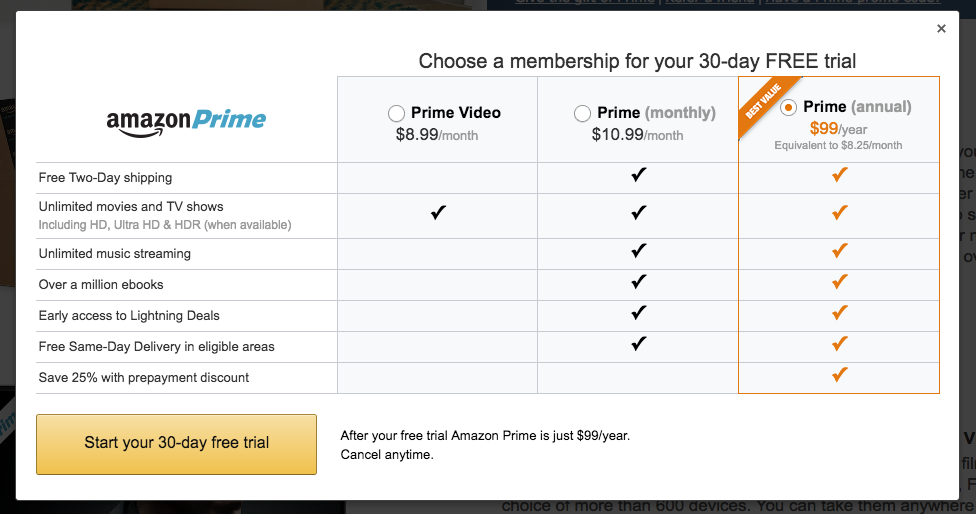
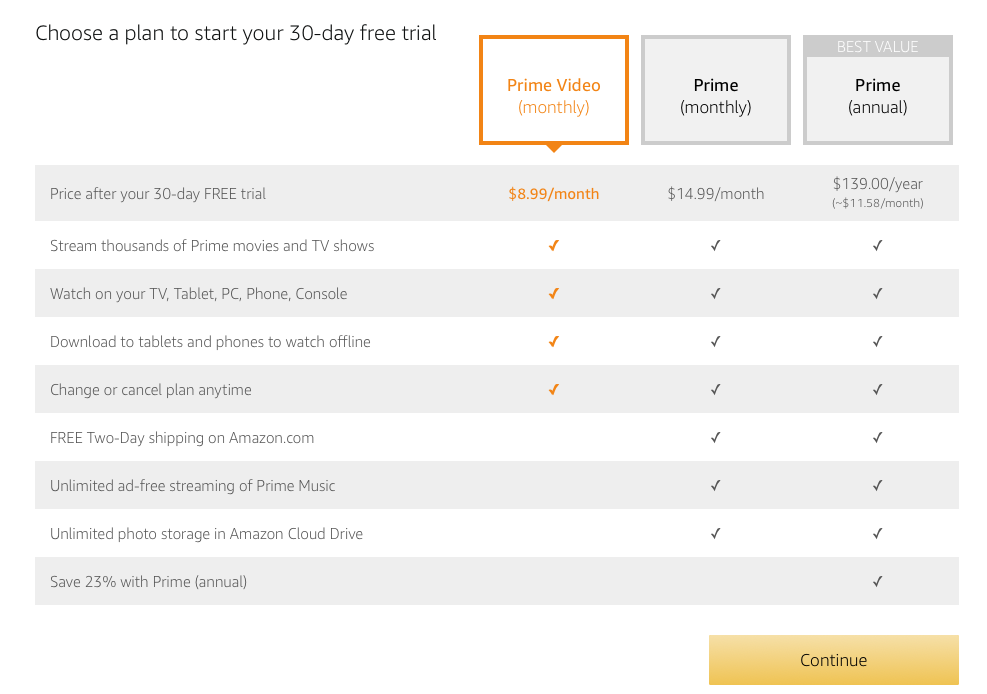
Typically, the standalone Prime Video subscription costs approximately $8.99 per month. This tier grants you access solely to the streaming content library, including Amazon Originals, movies, and TV shows, without the shipping perks, music, or other benefits associated with a full Amazon Prime membership. For individuals who primarily use Amazon for one-off purchases or who subscribe to other shipping services, this can appear to be the most financially prudent choice for gaining access to Prime Video’s content. It’s a clean, single-purpose expenditure for streaming entertainment, making it easier to track within a dedicated entertainment budget. However, it’s crucial to weigh this against the perceived value of the broader Prime offering, especially if occasional Amazon purchases are part of your spending habits.
Amazon Prime Membership: The Comprehensive Package
The more common, and often more cost-effective for frequent Amazon shoppers, route to Prime Video is through a full Amazon Prime membership. This bundled service significantly complicates the “per month” calculation for Prime Video because the streaming service is just one component of a much larger value proposition.
An Amazon Prime membership typically costs $14.99 per month or $139 per year (which averages out to approximately $11.58 per month, representing a significant annual saving). This membership includes:
- Prime Video: Full access to the streaming library.
- Prime Shipping: Free two-day, one-day, and same-day delivery on eligible items.
- Prime Music: Ad-free access to millions of songs.
- Prime Reading: Access to a rotating selection of e-books and magazines.
- Amazon Photos: Unlimited photo storage.
- Exclusive Deals: Early access to Lightning Deals and other member-only discounts.
- Amazon Fresh/Whole Foods Market: Discounts and free grocery delivery in select areas.
From a personal finance perspective, evaluating the Prime membership means conducting a thorough cost-benefit analysis. If you regularly use even two or three of these additional services – particularly the shipping benefits – the value derived can easily justify the higher monthly or annual fee compared to the standalone Prime Video subscription. Many consumers find that the cost of shipping alone, if they weren’t Prime members, would quickly exceed the difference between the standalone Prime Video and the full Prime membership. This makes the $14.99/month seem like an integrated expenditure rather than purely a streaming cost.
Regional Variations and Special Programs
It’s also important to acknowledge that pricing for both standalone Prime Video and full Amazon Prime memberships can vary significantly by country and region due to local market conditions, taxes, and content licensing agreements. What costs $8.99 in the United States might be a different amount in Europe, Asia, or South America. Always check the local Amazon website for the most accurate current pricing in your specific region.
Furthermore, Amazon offers several special programs that can alter the monthly cost:
- Student Discounts: Eligible college students can often receive a discounted Prime membership, significantly reducing the monthly or annual outlay, making it an extremely attractive financial proposition for budget-conscious learners.
- EBT/Medicaid Discounts: Individuals who qualify for certain government assistance programs may also be eligible for a reduced-price Prime membership, broadening access to its benefits for lower-income households.
These programs highlight Amazon’s strategy to expand its subscriber base by making Prime more financially accessible, further complicating a simple “how much” question but offering valuable savings for specific demographics.
Evaluating the Economic Value Proposition of Prime Video
Beyond simply knowing the price, a prudent financial approach requires assessing the value you receive for that expenditure. Is Prime Video, in either its standalone or bundled form, a financially sound investment for your entertainment budget?
Content Library and Exclusivity
The core appeal of any streaming service is its content. Prime Video boasts a robust library that includes a mix of acquired films and TV shows, an impressive back catalog of classic movies, and its continually expanding slate of critically acclaimed Amazon Originals. Titles like The Boys, The Marvelous Mrs. Maisel, Lord of the Rings: The Rings of Power, and Reacher represent significant investments by Amazon and are exclusive to the platform.
From a financial perspective, if these exclusive titles are a primary draw for you, then the cost becomes an unavoidable expense to access that specific content. However, if your viewing habits are sporadic or if you find much of the content available elsewhere, the perceived value diminishes. A key financial consideration is whether the content library alone justifies the monthly cost compared to other streaming services that might offer a broader range of titles aligned with your preferences, or even cheaper alternatives with a smaller but satisfying selection.
Beyond Streaming: Leveraging the Full Prime Package
For those subscribing to the full Amazon Prime membership, the economic value extends far beyond Prime Video. Financial decision-making here shifts from evaluating a streaming service to assessing a comprehensive lifestyle subscription. If you regularly make purchases on Amazon, the free expedited shipping alone can save you significant money over time, negating the need to pay for individual shipping fees or driving to brick-and-mortar stores.
Consider a scenario where you typically order 2-3 items a month from Amazon that would normally incur a $5-10 shipping fee each. In such a case, the shipping savings could easily cover the difference between the standalone Prime Video and the full Prime membership. Add in the benefits of Prime Music (potentially replacing another music streaming subscription), Prime Reading (reducing book purchases), and early access to deals (potentially leading to savings on planned purchases), and the full Prime membership can transform from an entertainment expense into a broader household utility that offers genuine financial advantages. This holistic view is crucial for smart budgeting; it’s not just a subscription cost but a potential money-saving tool if utilized effectively.
Ads vs. Ad-Free Streaming: The Emerging Cost Variable
Like many streaming services, Prime Video has introduced an ad-supported tier, which often means that the base price (e.g., $8.99 standalone or $14.99 with Prime) now includes advertisements. To experience ad-free streaming, subscribers may need to pay an additional fee, typically around $2.99 per month.
This introduces another layer of financial decision-making. For some, the inconvenience of ads is minor and worth saving the additional $2.99. For others, an uninterrupted viewing experience is paramount, and they are willing to pay the premium. From a financial perspective, this additional cost must be factored into your overall entertainment budget. It transforms the “how much is Prime Video per month” question into a tiered pricing structure, where the desired viewing experience directly impacts the final monthly outlay. This trend is a common strategy across the streaming industry, allowing companies to generate additional revenue while offering a slightly cheaper entry point for budget-conscious consumers who don’t mind ads.
Comparing Prime Video with Other Streaming Investments
In a saturated streaming market, understanding Prime Video’s cost relative to its competitors is essential for making fiscally responsible choices about your entertainment portfolio. Each service has its own pricing, content niche, and value proposition.
Direct Competitors and Their Pricing
Most major streaming services operate on a similar monthly subscription model, often with various tiers (ad-supported, standard, premium).
- Netflix: Offers several tiers, starting from an ad-supported plan (e.g., $6.99/month) up to premium ad-free plans (e.g., $22.99/month) with higher resolution and more simultaneous streams.
- Disney+: Often priced around $7.99/month for an ad-supported plan and $13.99/month for an ad-free plan, frequently bundled with Hulu and ESPN+.
- Max (formerly HBO Max): Typically offers an ad-supported plan (e.g., $9.99/month) and an ad-free plan (e.g., $15.99/month).
- Hulu: Similarly, has ad-supported ($7.99/month) and ad-free ($17.99/month) options, often bundled.
When comparing Prime Video’s standalone $8.99/month (with ads, potentially $11.98 with ad-free) against these, it generally sits in the mid-range. Its competitive edge often comes from its inclusion in the broader Amazon Prime package, which can make it feel “free” if you’re already paying for Prime for other reasons. This psychological effect can be a double-edged sword: it makes the cost seem negligible, but it can also obscure the actual collective expenditure on entertainment.
Bundle Deals and Multi-Service Strategies
Many households subscribe to multiple streaming services, often leading to “subscription creep” where the total monthly cost can rival or exceed traditional cable TV bills. A strategic approach to managing these costs involves looking for bundle deals or rotating subscriptions.
- Bundles: Services like the Disney Bundle (Disney+, Hulu, ESPN+) offer a consolidated price that is often less than subscribing to each service individually. While Amazon doesn’t have a direct “streaming bundle” in the same way, the full Amazon Prime membership is essentially a massive bundle of services, including Prime Video.
- Rotation: A financially astute strategy is to “rotate” subscriptions. If you’ve finished watching all the must-see content on Prime Video, you could cancel it for a month or two and subscribe to another service (e.g., Max) to catch up on their offerings. This cyclic approach allows you to access a wider variety of content over the year without accumulating multiple simultaneous monthly charges. This method requires discipline but can significantly reduce your annual entertainment expenditure.
From a financial perspective, evaluating Prime Video isn’t just about its individual cost but how it fits into your overall streaming strategy. Is it a core, always-on service for your household, or is it one you could pause and resume based on its content schedule?
Strategies for Optimizing Your Streaming Budget with Prime Video
Effectively managing your entertainment spending, including Prime Video, requires conscious decision-making and periodic review. Here are some financial strategies to ensure you’re getting the most value for your money.
Auditing Your Subscriptions Regularly
The most fundamental step in optimizing your streaming budget is to conduct a regular audit of all your active subscriptions. Many people sign up for free trials or new services only to forget about them, leading to recurring charges for unused or rarely used services.
- Monthly Review: Set a recurring reminder to review your bank and credit card statements specifically for subscription charges. Identify every service you’re paying for.
- Usage Assessment: For each service, honestly ask yourself: “How often do I use this?”, “Do I genuinely derive value from it?”, and “Could I live without it for a period?”
- Prime Video Check: Specifically for Prime Video, if you’re a full Amazon Prime member, are you utilizing the other benefits (shipping, music, photos, etc.) enough to justify the full membership fee? If not, the standalone Prime Video subscription might be a more cost-effective choice, or you might consider canceling Prime altogether if you rarely use Amazon’s services.
Leveraging Annual Payments for Savings
If you’ve determined that Prime Video (or the full Amazon Prime membership) is a must-have for your household, consider opting for the annual payment option if available. For Amazon Prime, paying $139 annually instead of $14.99 monthly saves you nearly $40 per year. This is a simple yet powerful financial hack that many streaming services offer, rewarding long-term commitment with a discount. From a personal finance perspective, committing to an annual payment locks in a lower price and reduces the number of individual transactions you need to track each month. However, it does require a larger upfront cash outlay, which should be budgeted for accordingly.
Utilizing Free Trials Wisely
Almost every streaming service, including Prime Video, offers free trial periods. These are excellent opportunities to explore a service’s content and interface without any financial commitment.
- Strategic Trials: Plan your free trials. Don’t sign up for multiple trials simultaneously, as you might run out of time to evaluate each service properly.
- Set Reminders: Immediately set a calendar reminder to cancel the service a day or two before the trial period ends. This prevents accidental charges if you decide the service isn’t for you.
- Content Focus: Use the trial to binge-watch specific shows or movies you’re interested in, then decide if the ongoing content warrants a subscription. This is especially effective for services where you only care about a few specific titles.
Considering Ad-Supported Tiers
With the rise of ad-supported tiers, evaluating whether the cost savings outweigh the inconvenience of commercials is a crucial financial decision. If Prime Video’s standard (ad-supported) tier is included in your Prime membership, and paying an extra $2.99 for ad-free isn’t a priority, you’re already saving money compared to those who opt for ad-free. If you’re subscribing to standalone Prime Video, the ad-supported $8.99 tier is a cheaper entry point than the ad-free option. For budget-conscious consumers, accepting a few minutes of ads per hour can translate into significant annual savings across multiple services. It’s a trade-off between viewing experience and financial expenditure.

Conclusion: Balancing Entertainment Desires with Financial Prudence
The question “how much is Prime Video per month” opens the door to a broader discussion about personal finance, consumer choices, and the economics of digital entertainment. While the direct answer for a standalone subscription is approximately $8.99 (plus an optional $2.99 for ad-free), its true cost and value are deeply intertwined with the comprehensive Amazon Prime membership, which costs $14.99 per month or $139 annually.
Making an informed decision requires a personal financial audit: assess your usage of all Amazon Prime benefits, compare Prime Video’s content and cost against other streaming services, and strategically plan your subscriptions. By adopting strategies like regular audits, leveraging annual payments, and wisely utilizing free trials, you can ensure that your entertainment budget is optimized, providing maximum enjoyment without financial strain. In the ever-evolving world of streaming, financial prudence isn’t about cutting off entertainment, but about consciously choosing where and how your money is best spent to enrich your life.
aViewFromTheCave is a participant in the Amazon Services LLC Associates Program, an affiliate advertising program designed to provide a means for sites to earn advertising fees by advertising and linking to Amazon.com. Amazon, the Amazon logo, AmazonSupply, and the AmazonSupply logo are trademarks of Amazon.com, Inc. or its affiliates. As an Amazon Associate we earn affiliate commissions from qualifying purchases.