
In the sprawling landscape of digital entertainment, Amazon Prime Video has carved out a significant niche, offering a vast library of movies, TV shows, and original content. For many, it’s a go-to platform, but for prospective subscribers, the fundamental question remains: “How much does it truly cost?” This isn’t always a straightforward answer, as Amazon’s pricing structure can appear layered, entwining the video service with a broader ecosystem of benefits. Understanding the financial implications, from the core subscription fees to potential hidden costs and the overall value proposition, is crucial for any financially savvy consumer. This article will meticulously break down the costs associated with Amazon Prime Video, helping you make an informed decision that aligns with your personal finance goals and entertainment budget.

Understanding the Core Cost: Amazon Prime Membership
At its heart, Amazon Prime Video is predominantly bundled within the comprehensive Amazon Prime membership. This all-encompassing subscription is Amazon’s flagship offering, designed to integrate various services and benefits under a single price point. For many, access to Prime Video is a secondary, albeit highly valued, perk of faster shipping and other Prime advantages.
The All-Inclusive Prime Package
When you subscribe to Amazon Prime, you’re not just paying for a streaming service. The membership is a bundle deal that includes a wide array of benefits, fundamentally altering how many consumers interact with Amazon’s e-commerce platform. Key benefits typically include:
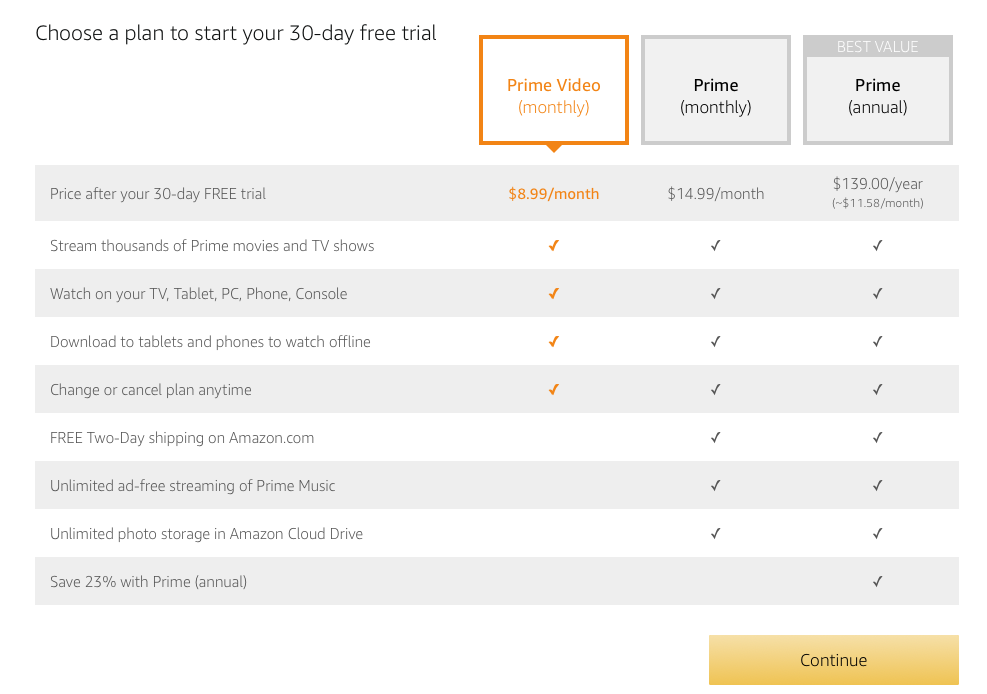
- Fast, Free Shipping: Unlimited two-day, one-day, and same-day shipping on millions of eligible items, along with grocery delivery. This is often the primary driver for many Prime subscribers, offering substantial savings on shipping fees for frequent shoppers.
- Prime Video: Unlimited streaming of thousands of movies and TV shows, including Amazon Originals.
- Prime Music: Access to an ad-free catalog of millions of songs and podcasts.
- Prime Reading: A rotating selection of free eBooks, magazines, and comics.
- Prime Gaming: Free games, in-game content, and a free Twitch channel subscription.
- Whole Foods Market Discounts: Exclusive savings and 5% back on selected products for Amazon Prime Rewards Visa Cardholders.
- Amazon Photos: Unlimited full-resolution photo storage.
Considering this extensive suite of services, the cost of Prime membership is a payment for a multi-faceted digital lifestyle, not solely for video entertainment. Evaluating the financial wisdom of a Prime subscription necessitates weighing the value of all these benefits against the annual or monthly fee.
Monthly vs. Annual Billing: A Financial Breakdown
Amazon offers flexibility in how you pay for Prime, presenting both monthly and annual subscription options. Understanding the financial implications of each choice is key to optimizing your spending.
- Annual Subscription: Opting for the annual payment typically represents a significant discount over paying month-to-month. For example, if the monthly cost is $14.99, and the annual cost is $139, you save approximately $40.88 per year by choosing the annual plan. This upfront commitment is ideal for those who are certain they will utilize Prime services consistently throughout the year, as it locks in a lower effective monthly rate. From a personal finance perspective, committing to an annual payment can also simplify budgeting, as it’s a single, larger outlay rather than a recurring smaller one.
- Monthly Subscription: The month-to-month option, while more expensive over the long run, offers greater flexibility. It’s suitable for individuals who may only need Prime for specific periods (e.g., during holiday shopping seasons) or those who prefer not to commit to a full year. This flexibility can be financially advantageous if your usage is sporadic, allowing you to subscribe and cancel as needed, thereby avoiding paying for months you don’t fully utilize the services. However, if you consistently subscribe for more than 9-10 months, the annual plan becomes the more cost-effective choice.
Student and Government Assistance Discounts
Amazon recognizes different financial situations and offers reduced-price Prime memberships for qualifying individuals.
- Prime Student: Eligible college students can often subscribe to Prime at a significantly reduced rate, typically around half the standard annual fee, often with a generous trial period. This discount makes Prime, including Prime Video, much more accessible for students managing tight budgets, providing both entertainment and practical benefits like textbook delivery.
- EBT and Medicaid Recipients: In the U.S., individuals with qualifying government assistance programs (such as EBT or Medicaid) can also access Prime membership at a reduced monthly rate. This initiative aims to make digital services more inclusive, ensuring that cost isn’t an insurmountable barrier to essential shipping benefits and entertainment.
These discounted tiers underscore Amazon’s tiered pricing strategy, designed to broaden its subscriber base by addressing various income levels and life stages. For those eligible, exploring these options can lead to substantial financial savings without compromising on the benefits.
Diving Deeper: Prime Video as a Standalone Service
While most access Prime Video through a full Prime membership, Amazon also provides an option to subscribe solely to the video streaming service. This distinction is crucial for consumers whose primary interest is content consumption, rather than the broader Prime ecosystem.
The Independent Prime Video Subscription
For users who have no need for expedited shipping, music, reading, or any other Prime benefits beyond the streaming library, Amazon offers a standalone Prime Video subscription. This option is typically priced lower than the full Prime membership’s monthly rate. For example, if full Prime is $14.99/month, standalone Prime Video might be around $8.99/month.
This unbundled approach is a direct response to the competitive streaming market, allowing Amazon to directly challenge services like Netflix, Hulu, and Max on a more level playing field focused purely on video content. It appeals to cord-cutters and streaming enthusiasts who curate their entertainment subscriptions based solely on content offerings and cost-effectiveness for video.
Weighing the Value: Prime Video Only vs. Full Prime
The decision between a standalone Prime Video subscription and a full Amazon Prime membership boils down to a personal financial assessment of value.
- Cost-Benefit Analysis: If your total spending on Amazon’s e-commerce platform results in more than a few shipping fees saved per month, or if you regularly use Prime Music, Reading, or Photos, the full Prime membership often presents superior value. The marginal cost difference between standalone Prime Video and full Prime is usually small enough that leveraging even one or two additional benefits can justify the higher price.
- Usage Patterns: Consider your current and projected usage. Do you frequently shop on Amazon? Do you enjoy listening to ad-free music? Do you read eBooks? If the answer to any of these is yes, then the bundled Prime package is likely a financially sounder choice. If, however, you rarely shop on Amazon, primarily use other music streaming services, and your sole interest is the video content, then the standalone Prime Video subscription avoids paying for unused services, making it the more fiscally responsible option.
- Opportunity Cost: Every dollar spent on a subscription is a dollar that cannot be spent elsewhere. By choosing standalone Prime Video when full Prime would offer more utility, you might be missing out on savings from free shipping. Conversely, paying for full Prime when you only watch video content means you’re incurring an opportunity cost by not allocating those additional dollars to another service you might use more, or to savings.
Beyond the Subscription: Additional Costs to Consider
The subscription fee, whether for full Prime or standalone Prime Video, is just the baseline. Amazon’s platform allows for further expenditure, which can quickly add up if not managed consciously. These additional costs represent optional, but often tempting, financial outlays.
Renting and Buying Digital Content
Not every movie or TV show available through Amazon is included with a Prime Video subscription. Many new releases, popular films not licensed to Prime Video, and entire seasons of shows are offered for digital rental or purchase.
- Rental: Typically priced between $3.99 and $5.99 for new releases, rentals allow you to watch content within a limited timeframe (e.g., 30 days to start watching, and 48 hours once started). This is a cost-effective way to watch specific titles without long-term commitment.
- Purchase: Buying digital content provides indefinite access. Prices vary widely, from around $9.99 for older movies to $19.99 for new releases, and $29.99 to $49.99 for full seasons of TV shows. While a one-time purchase, these costs can accumulate rapidly, and from a financial perspective, one must weigh the cost against the likelihood of re-watching the content multiple times. These purchases should be budgeted carefully, especially if you also subscribe to multiple streaming services that may eventually offer the same content for free.
Premium Channels and Add-ons

Amazon Prime Video acts as a hub for subscribing to numerous other streaming services directly through its platform. These “Prime Video Channels” are separate subscriptions that piggyback onto your Prime account.
- Examples: Services like Max, Paramount+, STARZ, Showtime, and AMC+ can all be added on. Each channel incurs its own monthly fee, typically ranging from $4.99 to $15.99.
- Financial Implications: While convenient, consolidating subscriptions can obscure the total monthly spend. It’s easy to sign up for a trial, forget to cancel, and find yourself paying for several additional services you may not frequently use. This can significantly inflate your monthly entertainment budget, potentially doubling or tripling your initial Prime Video cost. A critical financial practice here is to regularly audit your subscribed channels and cancel any that are not providing sufficient value.
Data Usage and Internet Costs
While often overlooked, the underlying cost of your internet service directly impacts your streaming budget. High-definition (HD) and especially 4K Ultra HD streaming consume significant bandwidth.
- Data Caps: For internet plans with data caps, extensive streaming, particularly in 4K, can quickly push you over your monthly limit, leading to costly overage charges.
- Internet Speed: Slower internet speeds might necessitate upgrading your plan to ensure a smooth, buffer-free streaming experience, thereby increasing your monthly internet bill.
- Financial Foresight: While not a direct charge from Amazon, factoring in your internet plan’s capacity and cost is an essential part of understanding the true financial burden of robust streaming habits. Budgeting for entertainment should always include the foundational cost of internet access required to consume it.
Assessing the Value: Is Amazon Prime Video Worth the Investment?
Determining whether Amazon Prime Video is a worthwhile investment goes beyond simply knowing the price; it involves a holistic assessment of content, features, and comparative market value.
Comparing Prime Video’s Content Library and Features
Amazon has heavily invested in original content, producing critically acclaimed series like “The Boys,” “The Marvelous Mrs. Maisel,” and “Lord of the Rings: The Rings of Power.” These exclusive titles, combined with a rotating library of licensed movies and TV shows, form the core of its appeal.
- Content Breadth vs. Depth: Prime Video boasts a vast library, but its quality and relevance can be subjective. Some users find the interface less intuitive for discovery compared to competitors. However, for those who enjoy Amazon’s Originals or find specific licensed content appealing, the value is high.
- User Experience Features: Prime Video offers features such as X-Ray (providing IMDb data for actors and music while watching), offline downloads, and 4K UHD streaming. These enhancements add to the perceived value, improving the overall viewing experience.
- Content Strategy: Amazon’s strategy often involves acquiring older, beloved titles and occasionally blockbusters, alongside its originals. This can create a varied library that caters to diverse tastes, potentially reducing the need for multiple subscriptions if your preferences align well.
Financial Comparison with Competitor Streaming Services
In a crowded market, Prime Video’s cost and content must be weighed against its rivals.
- Netflix: Often more expensive, Netflix is known for its extensive original content and personalized recommendations. If content discovery and an ever-fresh stream of originals are paramount, Netflix might offer more perceived value despite the higher price.
- Hulu/Disney+/ESPN+ Bundle: This bundle offers significant content diversity (general entertainment, family-friendly, sports) for a compelling price. If you have broad household entertainment needs, this bundle could be a more financially attractive option than Prime Video alone.
- Max: Known for HBO’s premium, prestige content, Max often comes with a higher price tag. For those prioritizing high-quality, adult-oriented dramas and films, Max might be a necessary, albeit more expensive, addition.
- Free Alternatives: Services like Peacock (free tier), Tubi, and Pluto TV offer ad-supported content without a subscription. While they lack the premium originals, they represent a zero-cost option for supplemental viewing and can help reduce overall streaming expenses.
From a financial perspective, Prime Video’s inclusion with a broader Prime membership makes its “effective” video cost quite low if you utilize other Prime benefits. As a standalone service, it positions itself competitively, often slightly below premium offerings but above the most budget-friendly options. The key is to assess which service’s content library best matches your viewing habits and if its price point fits your entertainment budget.
Maximizing Your Prime Investment
To extract the most financial value from your Prime membership or standalone Prime Video subscription, proactive engagement is crucial:
- Utilize All Benefits: If you have full Prime, make an effort to use Prime Music, Reading, Gaming, and especially the shipping benefits. The more you use, the lower the effective cost per benefit.
- Content Exploration: Regularly browse Prime Video’s library to discover new included content, minimizing the need for rentals or purchases.
- Shared Accounts (within household terms): If permitted by Amazon’s terms of service for your specific country, sharing your Prime membership benefits (including Prime Video access) with another adult in your household can further increase the financial efficiency of the single subscription.
- Take Advantage of Trials: Use free trials for Prime Video Channels wisely. Set reminders to cancel before charges kick in if you don’t intend to keep them.
Budgeting for Entertainment: A Smart Financial Approach
Integrating streaming services into your personal budget requires a strategic approach to avoid overspending and ensure you’re getting maximum enjoyment for your money.
Evaluating Your Streaming Needs
Before subscribing to any service, take stock of your household’s viewing habits and preferences.
- Must-Have Content: Which shows or movies are absolute must-sees for you or your family? Identify the services that host this core content.
- Frequency of Use: How often do you stream? Are you a daily viewer, or do you only watch occasionally? High usage justifies more subscriptions.
- Genre Preferences: Do you lean towards specific genres (e.g., sci-fi, documentaries, rom-coms)? Some services excel in certain areas more than others.
- Household Size and Preferences: A family with diverse tastes might benefit from a bundle or rotating subscriptions, whereas a single individual might only need one or two core services.
This evaluation helps you prioritize and avoid accumulating redundant or underutilized subscriptions, directly impacting your monthly outflow.
Strategies for Cost-Effective Streaming
Managing your streaming expenses effectively can free up funds for other financial goals.
- Subscription Rotation: Instead of paying for 5+ services simultaneously, consider subscribing to 2-3 at a time, watching all content you desire from one, then canceling it and subscribing to another. This “churn and burn” strategy can significantly reduce annual spending.
- Ad-Supported Tiers: Many services, including Prime Video (with ads being introduced for an ad-free tier cost increase), offer ad-supported tiers at a lower price. If you don’t mind commercials, this is a direct way to save money.
- Leverage Bundles: Look for official bundles (like the Disney+/Hulu/ESPN+ bundle) that offer a discount for multiple services.
- Student/Military/Senior Discounts: Always check for special pricing if you qualify, as these can offer substantial savings.
- Monitor and Audit: Regularly review your bank statements for recurring subscriptions. It’s surprisingly easy to forget about a service you no longer use but are still paying for. Make it a monthly or quarterly habit to audit your digital subscriptions.
Future Pricing Trends and Financial Planning
The streaming market is dynamic, with prices frequently adjusting. Services are increasingly experimenting with tiered pricing (ad-supported, standard, premium), and it’s not uncommon for subscription fees to rise annually.
- Anticipate Increases: Factor potential price hikes into your long-term entertainment budget. A service that costs $10 today might cost $12 next year.
- Value Erosion: As services age or libraries change, the value proposition can shift. What was once a great deal might become less so if content you love leaves the platform or new, more compelling alternatives emerge.
- Budget Flexibility: Maintain flexibility in your budget to adapt to these changes. Be prepared to cut services that no longer offer sufficient value or to switch to new ones that provide a better financial fit.
Ultimately, “how much for Amazon Prime Video” is more than just a number; it’s a question about value, financial strategy, and personal budgeting in the digital age. By diligently analyzing the various costs, benefits, and alternatives, consumers can ensure their entertainment spending is both enjoyable and fiscally responsible.
aViewFromTheCave is a participant in the Amazon Services LLC Associates Program, an affiliate advertising program designed to provide a means for sites to earn advertising fees by advertising and linking to Amazon.com. Amazon, the Amazon logo, AmazonSupply, and the AmazonSupply logo are trademarks of Amazon.com, Inc. or its affiliates. As an Amazon Associate we earn affiliate commissions from qualifying purchases.