
In the intricate world of finance, where risk and reward dance in a perpetual ballet, understanding the nuances of various financial metrics is paramount. Among these, the “credit spread” stands out as a critical indicator, a subtle yet powerful signal that whispers tales of market confidence, economic health, and the perceived solvency of borrowers. For investors, financial analysts, and even corporate treasurers, grasping what a credit spread is, how it functions, and why it fluctuates is not merely academic—it is fundamental to making informed decisions, managing risk, and optimizing returns.
At its core, a credit spread is a differential, a gap in yield between two debt instruments of similar maturity but differing credit qualities. It serves as compensation demanded by investors for assuming the additional risk associated with a less creditworthy borrower compared to a risk-free benchmark. This article delves into the anatomy of credit spreads, exploring their components, the forces that shape them, and their profound implications across the financial landscape.
Unpacking the Concept of Credit Spread
To truly appreciate the significance of credit spreads, one must first break down its fundamental definition and the underlying principles that govern its existence. It’s a concept deeply rooted in risk assessment and the pricing of debt.
Defining Credit Spread
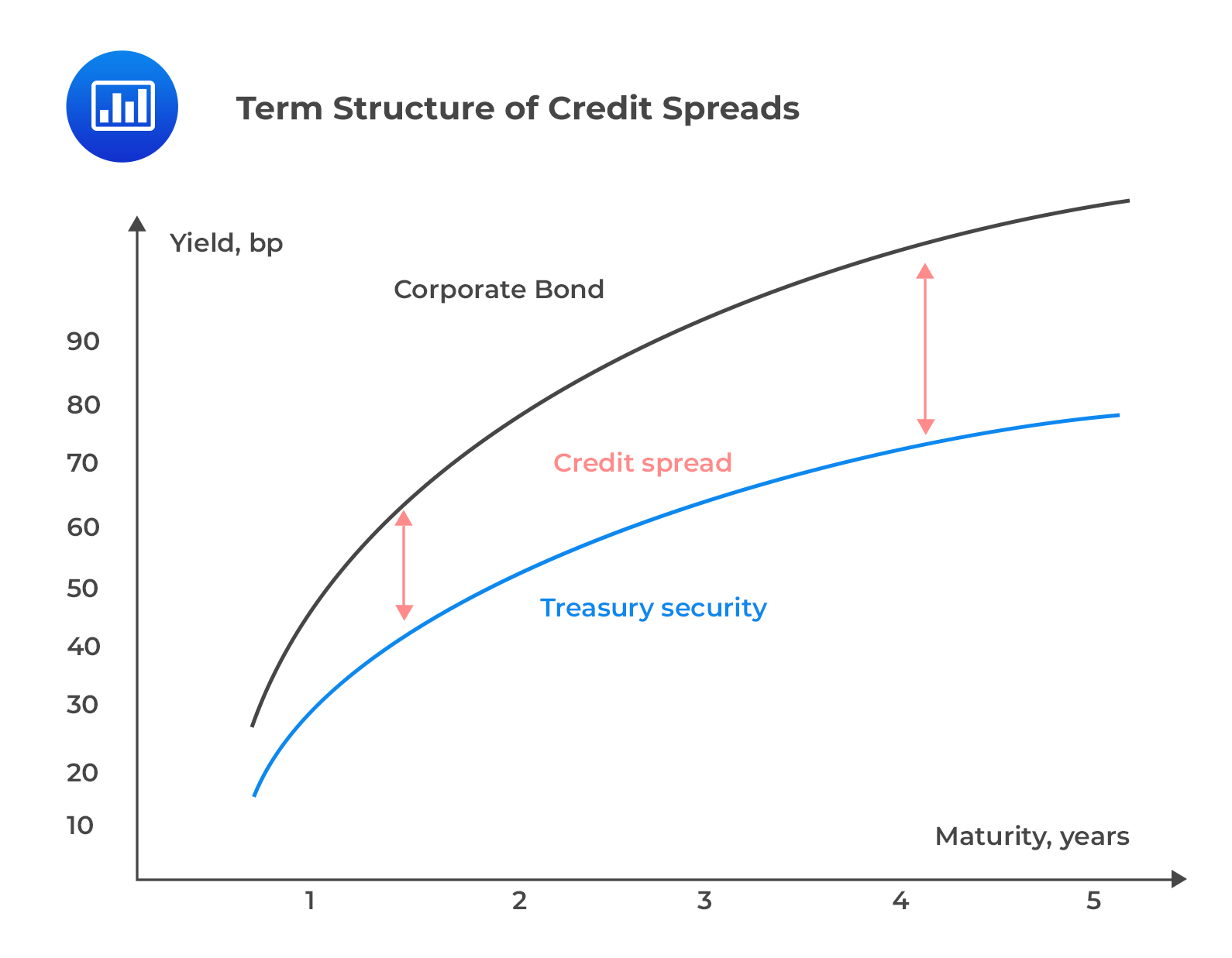
A credit spread, in its simplest form, is the difference between the yield on a bond issued by a corporate entity or another non-sovereign borrower and the yield on a comparable risk-free bond, typically a government bond like a U.S. Treasury with the same maturity. This difference is usually expressed in basis points (bps), where 100 basis points equal 1 percentage point.
For instance, if a 10-year corporate bond yields 5% and a 10-year U.S. Treasury bond yields 3%, the credit spread is 2% or 200 basis points. This 200 bps represents the additional return an investor demands for taking on the credit risk—the risk that the corporate issuer might default on its obligations—over and above the return offered by a supposedly default-free Treasury bond.
The Role of Risk in Credit Spreads
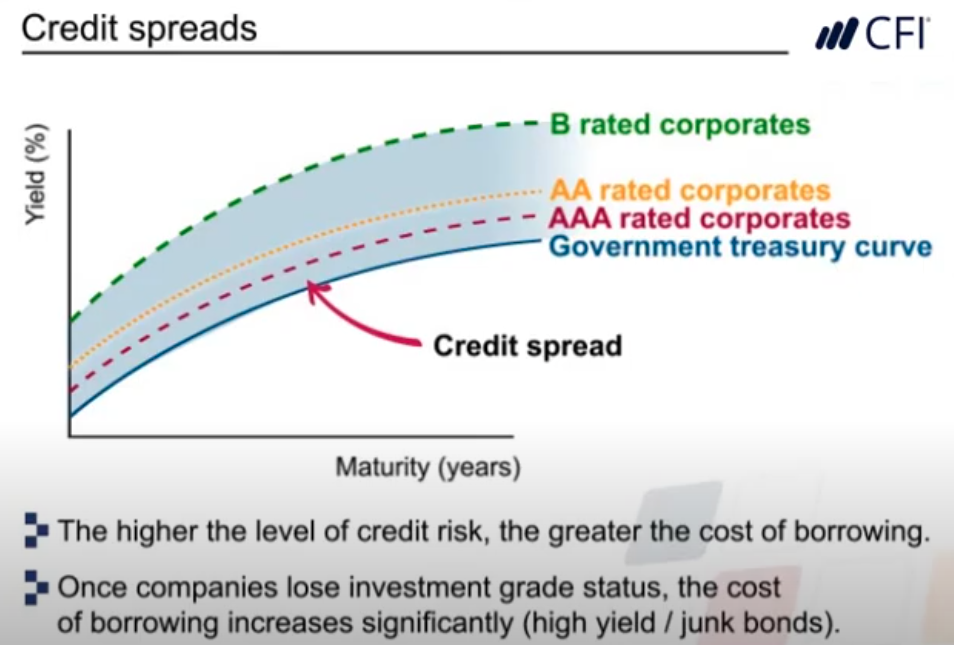
Risk is the very soul of credit spreads. Without it, there would be no spread. The primary risk component is credit risk, which is the possibility that the bond issuer will fail to make timely interest payments or repay the principal amount at maturity. The higher the perceived credit risk of an issuer, the wider the credit spread an investor will demand.
This perception of risk is influenced by several factors, including:
- Issuer’s Financial Health: Strong balance sheets, consistent profitability, and robust cash flows typically lead to narrower spreads.
- Industry-Specific Risks: Some industries are inherently more cyclical or volatile than others, affecting the creditworthiness of their participants.
- Economic Outlook: A looming recession or economic slowdown can heighten default fears across the board, leading to wider spreads for most corporate bonds.
- Credit Ratings: Independent agencies like Standard & Poor’s, Moody’s, and Fitch assign credit ratings that provide a standardized measure of an issuer’s creditworthiness. Higher-rated bonds (e.g., AAA, AA) typically have tighter spreads than lower-rated, speculative-grade bonds (e.g., BB, B).
How Credit Spreads are Measured
Credit spreads are typically measured by calculating the difference in the Yield-to-Maturity (YTM) between the corporate bond and its benchmark Treasury bond. YTM represents the total return an investor would receive if they held the bond until maturity.
The use of basis points is standard practice because it allows for precise comparisons and small movements to be easily tracked. A spread widening from 150 bps to 200 bps signifies an increase in perceived risk or a decrease in market confidence in that particular issuer or market segment. Conversely, a narrowing spread suggests an improvement in credit quality or an increase in market optimism.
Types and Components of Credit Spreads
Credit spreads are not monolithic; they are influenced by a complex interplay of specific issuer characteristics, market dynamics, and broader economic forces. Understanding these contributing factors is essential for accurate interpretation.
Common Benchmarks
While U.S. Treasury bonds are the most common benchmark for credit spreads in the dollar-denominated market due to their perceived risk-free nature and liquidity, other benchmarks exist depending on the market and the type of debt instrument:
- Treasury Spreads: As discussed, these are the most prevalent, comparing corporate bonds to government bonds of similar duration.
- Interbank Lending Rates (e.g., SOFR/LIBOR): While not direct benchmarks for bond spreads, these rates are crucial for pricing other credit-sensitive instruments like Credit Default Swaps (CDS) and certain floating-rate debt. CDS spreads, which measure the cost to insure against default, are closely related to bond credit spreads.
- Bond Index Spreads: Investors sometimes compare the yield of a specific bond to the average yield of an index composed of similar bonds (e.g., a high-yield corporate bond index).
Factors Influencing Credit Spreads
Beyond the fundamental creditworthiness of an issuer, several other factors actively shape and move credit spreads:
- Credit Quality (Fundamental Risk): This remains the primary driver. An issuer’s leverage ratios, profitability trends, cash flow generation, and debt repayment schedule are all scrutinised. A deterioration in any of these can swiftly widen spreads. Rating agency actions (upgrades or downgrades) have a significant, immediate impact.
- Liquidity Risk: This refers to the ease with which a bond can be bought or sold in the market without significantly impacting its price. Less liquid bonds typically command wider spreads because investors demand extra compensation for the potential difficulty or cost of exiting their position quickly. Large, frequently traded issues from well-known companies tend to have tighter liquidity spreads.
- Market Sentiment/Systemic Risk: The overall mood of the market and the broader economic environment play a crucial role. During periods of economic uncertainty, financial crises, or geopolitical instability, investors typically become more risk-averse. This “flight to quality” pushes money into safer assets (like Treasuries), driving their yields down, while simultaneously increasing the perceived risk of corporate debt, causing their spreads to widen across the board. Conversely, during periods of strong economic growth and optimism, spreads tend to narrow.
- Supply and Demand: Like any other asset, the supply of new corporate bond issues and investor demand for those issues can influence spreads. A glut of new bonds without sufficient demand can lead to wider spreads to attract buyers, while strong demand for limited supply can tighten them.
- Maturity: Generally, longer-maturity bonds tend to have wider credit spreads than shorter-maturity bonds from the same issuer. This is because there is more uncertainty associated with an issuer’s financial health over a longer time horizon, thus increasing long-term credit risk.
Why Credit Spreads Matter to Investors and Businesses
The movements of credit spreads are far more than mere statistical figures; they are dynamic barometers with profound implications for both those who provide capital and those who seek it. Their fluctuations can signal shifts in economic tides, alter investment strategies, and impact the very cost of doing business.
For Investors: Assessing Risk and Return
For investors, credit spreads are indispensable tools for:

- Indicating Compensation for Risk: A wider spread means the market is demanding greater compensation for the credit risk involved. Investors must weigh if this additional yield is sufficient for the risk they are assuming. Conversely, a very narrow spread might suggest insufficient compensation for the inherent risks.
- Comparing Investment Opportunities: Spreads allow investors to compare the relative attractiveness of different bonds. A bond with a similar credit rating and maturity but a wider spread might be undervalued, offering a better risk-adjusted return, or it might be signaling an unrecognised risk.
- Signaling Market Sentiment: Widening credit spreads across a sector or the entire market often indicate increasing investor apprehension and a “risk-off” environment, where investors are favoring safer assets. Narrowing spreads, conversely, suggest a “risk-on” environment, indicating greater confidence and a willingness to take on more risk.
- Forecasting Economic Conditions: Broad movements in credit spreads are often considered leading economic indicators. A sustained widening of credit spreads can precede an economic slowdown or recession, as it reflects investors’ growing concerns about corporate profitability and default rates.
For Businesses: Cost of Borrowing
For companies looking to raise capital through debt issuance, credit spreads directly translate into the cost of their financing:
- Influencing Interest Rates: When a company issues bonds, the interest rate it must offer to investors is typically a combination of the risk-free rate (benchmark Treasury yield) plus the credit spread demanded by the market for that company’s specific credit profile. A wider spread means the company must pay higher interest, increasing its cost of capital.
- Impact on Profitability and Expansion: Higher borrowing costs erode profitability by increasing interest expenses. This can restrict a company’s ability to invest in new projects, expand operations, or even manage existing debt, potentially hindering growth and competitiveness.
- Refinancing Decisions: Companies often refinance existing debt. The prevailing credit spreads at the time of refinancing significantly influence whether they can secure better terms or are forced to accept higher costs.
Credit Spreads as an Economic Indicator
Beyond individual investment and business decisions, credit spreads serve as a vital macroeconomic indicator, monitored closely by economists, central banks, and policymakers:
- Barometer of Economic Health: The overall level and trend of credit spreads are powerful reflections of the financial system’s health. A healthy economy typically sees tighter spreads as corporate prospects improve, while a distressed economy leads to wider spreads as default risk escalates.
- Precursor to Economic Cycles: As mentioned, significant widening of credit spreads has historically been observed before economic downturns, acting as an early warning system. Similarly, narrowing spreads can signal an impending recovery or periods of robust economic growth. For example, during the 2008 financial crisis or the COVID-19 pandemic initial shock, credit spreads widened dramatically, reflecting intense market fear and uncertainty.
Navigating Credit Spreads in Investment Strategies
For active investors and portfolio managers, understanding and predicting movements in credit spreads can be a source of significant alpha. Integrating credit spread analysis into investment strategies requires both insight and careful risk management.
Active Management Strategies
Sophisticated investors employ various strategies centered around credit spread dynamics:
- Credit Spread Trading: This involves taking positions based on the expectation that credit spreads will either widen or narrow. For example, an investor might “buy the spread” (i.e., buy a corporate bond and simultaneously sell a comparable Treasury) if they believe the corporate bond’s spread is excessively wide and will tighten. Conversely, they might “sell the spread” (short the corporate bond, long the Treasury) if they anticipate widening.
- Relative Value Trades: This strategy seeks to exploit temporary discrepancies between the credit spreads of two similar bonds or issuers. If two companies in the same industry with comparable credit ratings have significantly different spreads, an investor might buy the bond with the wider (cheaper) spread and sell the one with the tighter (richer) spread, betting on their convergence.
- Diversification and Portfolio Construction: Credit spreads inform how investors diversify their fixed-income portfolios. By allocating across different credit qualities (e.g., investment grade vs. high yield) and industries, investors can manage their overall exposure to credit risk and target specific spread profiles.
Risks Associated with Credit Spread Investing
While attractive, credit spread investing is not without its perils:
- Default Risk: The most obvious risk is that the issuer of the corporate bond defaults, leading to significant or complete loss of principal. This risk is amplified for higher-yield, lower-rated bonds (junk bonds).
- Interest Rate Risk: Even though credit spreads isolate credit risk from the risk-free rate, changes in the overall level of interest rates still affect the prices of all bonds, including corporate bonds. If interest rates rise, bond prices fall.
- Liquidity Risk: As discussed, less liquid bonds can be difficult to sell quickly at a fair price, especially in stressed market conditions, potentially forcing investors to sell at a loss.
- Market Risk: Broad market downturns or systemic shocks can cause all credit spreads to widen indiscriminately, even for fundamentally sound companies, leading to widespread losses in credit portfolios.
- Downgrade Risk: A credit rating downgrade for an issuer can immediately widen its credit spread and reduce its bond price.
The Future Landscape of Credit Spreads
Credit spreads, while rooted in fundamental financial principles, are not static. They constantly evolve in response to global economic forces, technological advancements, and shifts in regulatory environments.
Impact of Monetary Policy and Regulation
Central bank actions are paramount in influencing credit spreads. Quantitative easing (QE) programs, where central banks buy large quantities of government and corporate bonds, tend to compress credit spreads by injecting liquidity and signaling support for financial markets. Conversely, quantitative tightening (QT) or interest rate hikes can lead to wider spreads as liquidity tightens and risk appetite wanes.
Regulatory changes, particularly those affecting banks and financial institutions (e.g., capital requirements, leverage ratios), can also indirectly impact credit spreads by altering the demand for certain types of debt or the ability of institutions to provide market liquidity.
Technological Advances in Credit Analysis
The advent of big data, artificial intelligence (AI), and machine learning is revolutionizing credit analysis. These technologies enable financial institutions to:
- Process Vaster Amounts of Data: Beyond traditional financial statements, AI can analyze alternative data sources (e.g., news sentiment, supply chain data, social media trends) to gain a more comprehensive and real-time view of an issuer’s creditworthiness.
- Improve Predictive Modeling: AI algorithms can identify subtle patterns and correlations, leading to more accurate predictions of default probabilities and future credit spread movements.
- Enhance Market Transparency: Advanced analytics can provide deeper insights into market liquidity and trading patterns, allowing for more precise pricing of credit risk.
These technological advancements promise to make credit spread analysis more sophisticated and potentially more efficient, though they also introduce new challenges related to model risk and data bias.
Conclusion
The credit spread is far more than a simple numerical difference; it is a profound expression of the market’s collective judgment on risk. It encapsulates everything from the granular financial health of a single corporation to the sweeping macroeconomic sentiment driving global capital flows. For investors, understanding credit spreads is crucial for assessing risk-adjusted returns, diversifying portfolios, and identifying opportune moments for investment. For businesses, it directly dictates their cost of capital, influencing strategic decisions and growth trajectories. And for economists and policymakers, it serves as a sensitive and often predictive barometer of economic health.
As financial markets continue to evolve amidst technological innovation and shifting economic paradigms, the fundamental role of credit spreads remains undiminished. Mastering their intricacies will continue to be a cornerstone for anyone seeking to navigate the complex, dynamic, and ever-challenging world of finance.
aViewFromTheCave is a participant in the Amazon Services LLC Associates Program, an affiliate advertising program designed to provide a means for sites to earn advertising fees by advertising and linking to Amazon.com. Amazon, the Amazon logo, AmazonSupply, and the AmazonSupply logo are trademarks of Amazon.com, Inc. or its affiliates. As an Amazon Associate we earn affiliate commissions from qualifying purchases.