
Managing your credit card effectively is a cornerstone of sound personal finance, and knowing precisely how to pay your Bank of America credit card bill is a fundamental skill for any cardholder. Timely payments are crucial not only for avoiding late fees and interest charges but also for maintaining a healthy credit score, which impacts everything from loan approvals to housing applications. Bank of America, as one of the largest financial institutions, offers a variety of convenient methods to ensure you can make your payments seamlessly, tailored to your preferences and schedule.
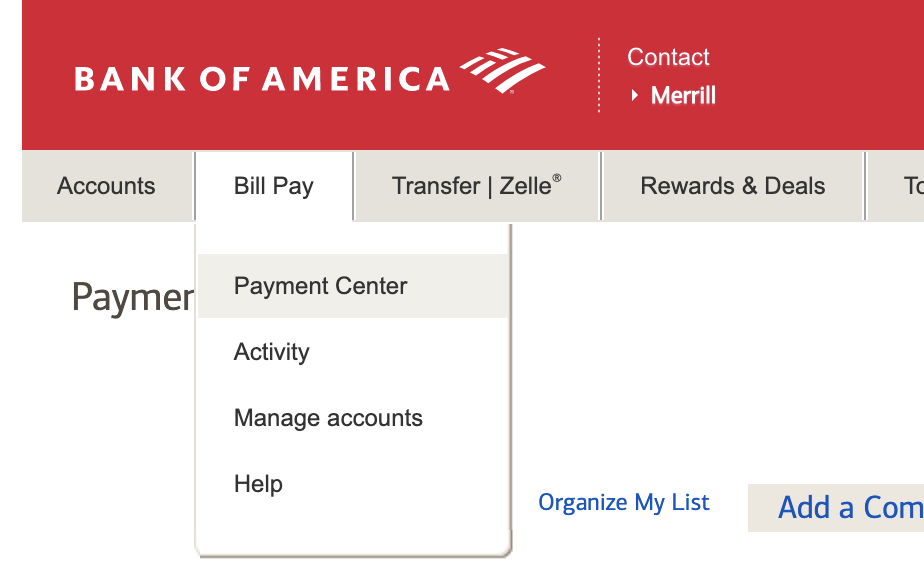
This guide will walk you through the various options available for paying your Bank of America credit card, delving into the nuances of each method, providing practical tips for efficient credit management, and addressing common concerns. Our aim is to empower you with the knowledge to manage your credit card payments confidently, ensuring your financial well-being remains robust.
Understanding Your Bank of America Credit Card Statement
Before you even consider making a payment, it’s vital to fully understand the information presented on your monthly credit card statement. This document is more than just a bill; it’s a comprehensive overview of your spending, payment history, and the terms of your agreement. Dissecting it properly is the first step towards responsible credit card management.
Key Information to Locate
Every Bank of America credit card statement will highlight several critical pieces of information. At the top, you’ll typically find your account number, the statement closing date, and the billing period. Further down, look for the “New Balance” or “Total Balance Due,” which represents the full amount you owe. Crucially, locate the “Minimum Payment Due” and the “Payment Due Date.” Other important sections include a summary of your account activity, listing all transactions, payments, and credits, as well as a detailed breakdown of interest charges and any fees incurred. Understanding where these figures are located and what they represent is paramount.
Due Date and Minimum Payment Explained
The “Payment Due Date” is the absolute deadline by which your payment must be received by Bank of America. Missing this date, even by a single day, can trigger late fees and potentially higher interest rates. The “Minimum Payment Due” is the smallest amount you must pay to keep your account in good standing and avoid late fees. While paying only the minimum might seem appealing in the short term, it can lead to higher overall interest costs and a prolonged debt repayment period. Financial prudence often dictates paying significantly more than the minimum whenever possible.
Avoiding Late Fees and Interest Charges
The most straightforward way to avoid late fees is to always pay on or before your due date. Setting reminders, utilizing auto-pay features, or scheduling payments in advance can effectively prevent oversight. Interest charges accrue on your outstanding balance if you don’t pay your full “New Balance” by the due date. The Annual Percentage Rate (APR) dictates how much interest you’ll pay. By paying your statement balance in full each month, you can often avoid interest charges entirely, taking full advantage of your card’s grace period and effectively using credit interest-free.
Convenient Online Payment Methods
In today’s digital age, Bank of America offers robust and user-friendly online platforms that simplify the process of paying your credit card bill. These methods are not only convenient but also offer features that can help you manage your finances more effectively.
Through the Bank of America Website (Online Banking)
The Bank of America online banking portal is perhaps the most comprehensive way to manage your credit card account. Once you log in with your credentials, you can navigate to your credit card account summary. From there, you’ll find an option to “Make a Payment.” You can choose to pay the minimum amount, the statement balance, the current balance, or a custom amount. You’ll need to link a checking or savings account (either from Bank of America or another financial institution) as your payment source. The portal also allows you to view past statements, track recent transactions, and set up alerts. Payments made through the website are typically processed quickly, often within one to two business days.
Using the Bank of America Mobile App
For those who prefer managing their finances on the go, the Bank of America Mobile App offers an equally powerful and intuitive payment experience. Available for both iOS and Android devices, the app allows you to log in securely, view your credit card details, and initiate payments with just a few taps. The process mirrors the online banking website: select your credit card, choose “Make a Payment,” select the amount and payment source, and confirm. The mobile app also provides features like fingerprint or facial recognition for quick access, account alerts, and mobile check deposit, making it a complete financial management tool in your pocket.
Setting Up AutoPay for Seamless Payments
One of the most effective strategies for ensuring timely payments and avoiding late fees is to enroll in AutoPay. This feature allows you to authorize Bank of America to automatically deduct your credit card payment from your designated checking or savings account on your due date each month. You can typically choose to pay the minimum payment due, the statement balance in full, or a fixed custom amount. AutoPay eliminates the risk of forgetting a payment and is highly recommended for maintaining a stellar payment history. You can set up or modify AutoPay through both the online banking website and the mobile app. Remember to ensure sufficient funds are available in your linked account to prevent returned payment fees.
Expedited Payments for Last-Minute Situations
Life happens, and sometimes, despite best intentions, you might find yourself needing to make a payment very close to your due date. Bank of America often offers an expedited payment option, typically for a small fee, which ensures your payment is processed and credited to your account faster than standard processing times. This can be a lifesaver for avoiding late fees if you’re up against the deadline. Expedited payment options are usually available through online banking or by contacting customer service directly. It’s important to understand the associated fees and cut-off times for same-day processing before utilizing this service.
Alternative Payment Options
While online and mobile payments offer unparalleled convenience, Bank of America also provides several traditional and alternative methods for paying your credit card bill, catering to diverse preferences and situations.
Paying by Phone
If you prefer to speak with a representative or don’t have immediate internet access, you can pay your Bank of America credit card bill over the phone. You’ll typically find the customer service number on the back of your credit card or on your monthly statement. Be prepared to provide your credit card account number and your checking or savings account details for the payment. While this method offers direct assistance, it may involve waiting times and is generally less flexible than online options. Some phone payments might also incur a fee, especially for expedited services.
Payments by Mail
For those who prefer a more traditional approach, sending a payment by mail is still an option. Your monthly statement will include a payment coupon and the mailing address for payments. You’ll need to write a check or money order for the desired payment amount, make it payable to Bank of America, and mail it along with the payment coupon. It is crucial to send your payment several business days before the due date to account for mail delivery and processing times. This method is the slowest and carries the highest risk of being delayed, potentially resulting in late fees.
In-Person Payments at Bank of America Branches
If you live near a Bank of America branch, you can make your credit card payment in person. Simply visit a teller during business hours with your credit card account number (or physical card) and the payment amount, either in cash or with a check/money order. Making a payment in person ensures immediate crediting to your account, which can be beneficial if you’re cutting it close to the deadline. This method also allows for direct interaction with bank staff if you have any questions about your statement or account.
Using Third-Party Bill Pay Services
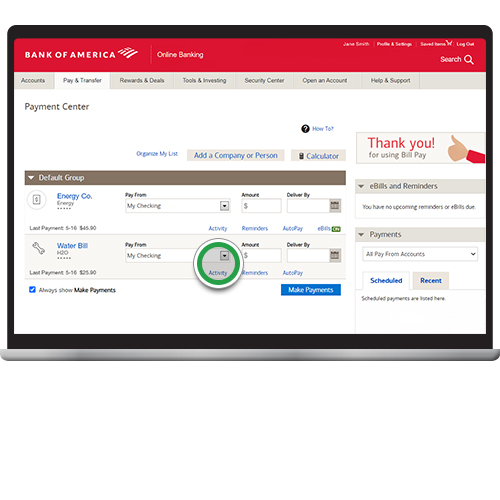
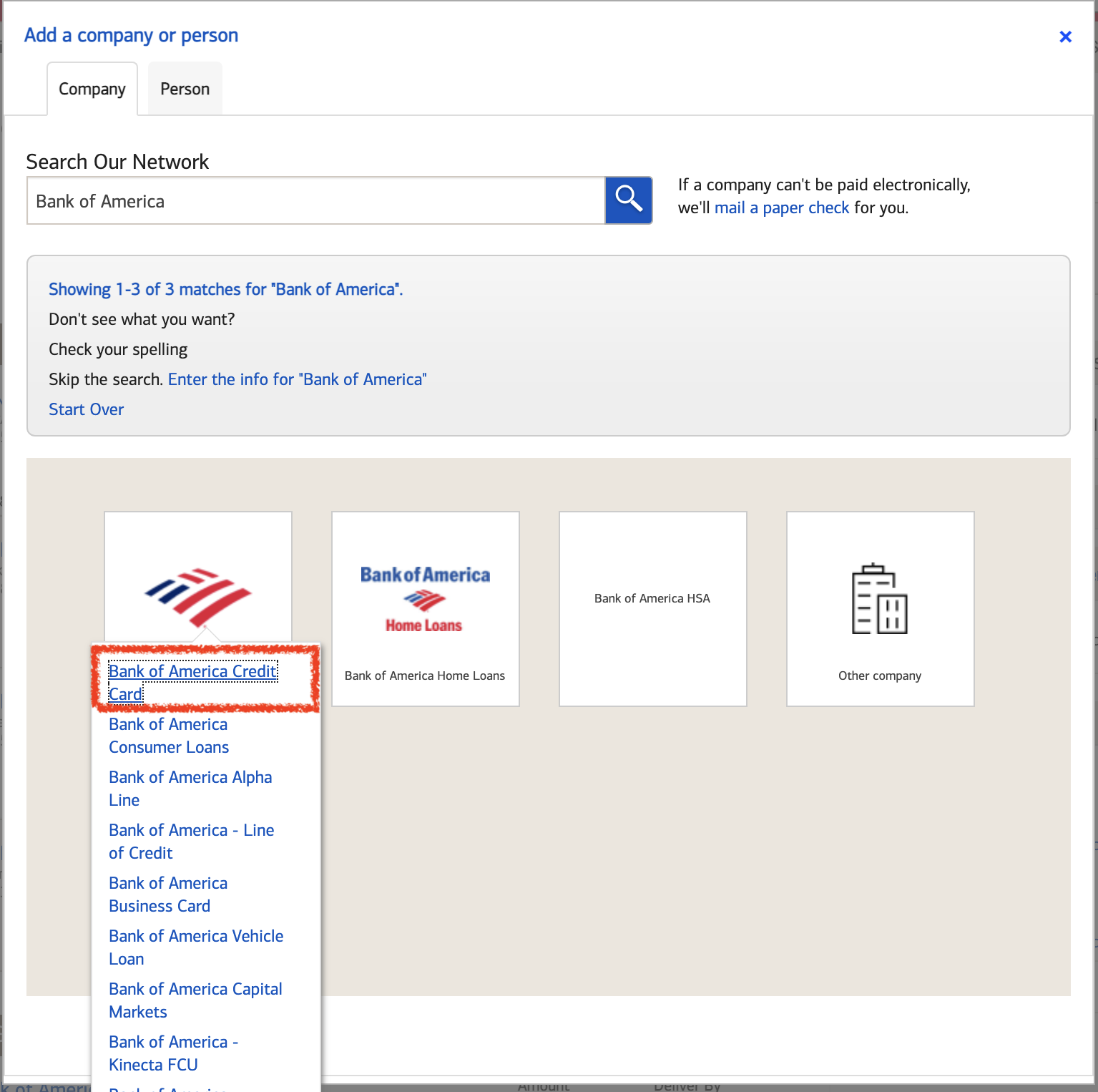
Many other banks and credit unions offer their own online bill pay services, which can be used to pay your Bank of America credit card. You’ll typically need to add Bank of America as a payee in your primary bank’s bill pay system, providing your Bank of America credit card account number. Your bank will then send the payment electronically or via check to Bank of America. While convenient, it’s essential to understand the processing times of your originating bank’s bill pay service, as they can vary and may take several days for the payment to reach Bank of America. Plan accordingly to avoid late payments.
Strategies for Effective Credit Card Management
Paying your Bank of America credit card is a regular financial task, but how you approach it can significantly impact your financial health. Beyond simply making payments, strategic management is key to leveraging your credit card responsibly.
Prioritizing Payments (If You Have Multiple Cards)
If you carry balances on multiple credit cards, strategizing which card to pay first can save you money. A common approach is the “debt snowball” or “debt avalanche” method. With debt avalanche, you prioritize paying down the card with the highest interest rate first, while making minimum payments on others. This minimizes the total interest paid over time. With debt snowball, you pay off the smallest balance first, then roll that payment into the next smallest, providing psychological wins. Both methods, when applied consistently, can be highly effective. For your Bank of America card, assess its APR relative to your other cards to determine its priority.
Paying More Than the Minimum
As mentioned, paying only the minimum due will extend your repayment period and significantly increase the total interest you pay. Whenever financially feasible, make it a habit to pay more than the minimum – ideally, the full statement balance. Even paying a little extra each month can shave years off your repayment timeline and save you hundreds or thousands in interest charges. Consider rounding up your payment or setting a fixed amount higher than the minimum you consistently pay.
Creating a Budget for Credit Card Payments
Integrating your credit card payments into a comprehensive monthly budget is essential. Allocate specific funds for credit card payments just as you would for rent or utilities. This ensures you have the necessary funds available when your bill arrives and helps prevent overspending. A detailed budget provides clarity on your income and expenses, allowing you to identify areas where you can cut back to free up more money for debt repayment. Tools like spreadsheet apps or budgeting software can greatly assist in this process.
Understanding Your Credit Utilization Ratio
Your credit utilization ratio is the amount of credit you’re using compared to your total available credit, expressed as a percentage. It’s a significant factor in your credit score. Lenders generally prefer to see a utilization ratio below 30% (e.g., if you have a $10,000 credit limit, aim to keep your balance below $3,000). Paying down your Bank of America credit card balance regularly, and especially keeping it low compared to your limit, can positively impact this ratio and, consequently, your credit score.
What Happens If You Miss a Payment?
Missing a credit card payment, even by accident, can have immediate and long-term repercussions on your financial standing. Understanding these consequences is crucial for motivating timely payments.
Immediate Consequences (Late Fees, Interest Rate Hikes)
The most immediate consequence of a missed payment is a late fee, which Bank of America will charge to your account. Furthermore, if your payment is more than 30 days past due, your interest rate could increase to a penalty APR, significantly raising the cost of any outstanding balance. This penalty APR can remain in effect for several billing cycles or even indefinitely, depending on the terms of your card agreement and your subsequent payment behavior.
Impact on Credit Score
Perhaps the most damaging consequence of a missed payment, especially if it’s 30 days or more past due, is the negative impact on your credit score. Payment history is the single largest factor in calculating your FICO score (accounting for 35%). A single late payment reported to credit bureaus can cause your score to drop significantly and remain on your credit report for up to seven years, affecting your ability to secure future loans, mortgages, or even certain jobs.
What to Do If You Miss a Payment (Contacting BofA)
If you realize you’ve missed a payment, act immediately. The first step is to pay the overdue amount as soon as possible. Next, contact Bank of America’s customer service. Explain your situation politely and inquire if they can waive the late fee, especially if it’s your first time or a rare occurrence. While they are not obligated to do so, many lenders offer a one-time courtesy waiver for good customers. Also, ask if they can hold off reporting the late payment to credit bureaus if it’s still within the 30-day window. Proactive communication can sometimes mitigate the damage.
Conclusion
Paying your Bank of America credit card is a routine yet critical aspect of personal financial management. By understanding your statement, utilizing the diverse payment options available—from convenient online and mobile platforms to traditional mail or in-person visits—and adopting strategic payment habits, you can maintain a healthy financial profile. Prioritizing payments, consistently paying more than the minimum, budgeting effectively, and being mindful of your credit utilization ratio are all vital steps toward financial empowerment. Remember, consistent, timely payments are the bedrock of good credit, opening doors to future financial opportunities and providing peace of mind. Make it a habit to review your statement, choose your preferred payment method, and confirm your payments are made well before the due date, ensuring your Bank of America credit card works for you, not against you.
aViewFromTheCave is a participant in the Amazon Services LLC Associates Program, an affiliate advertising program designed to provide a means for sites to earn advertising fees by advertising and linking to Amazon.com. Amazon, the Amazon logo, AmazonSupply, and the AmazonSupply logo are trademarks of Amazon.com, Inc. or its affiliates. As an Amazon Associate we earn affiliate commissions from qualifying purchases.