
In the intricate world of personal finance, your bank account number stands as a fundamental identifier, a unique sequence of digits that unlocks access to your financial life. From setting up direct deposits and automatic bill payments to facilitating international transfers and managing your savings, this number is critical for a myriad of financial transactions. Yet, for many, remembering or quickly locating this crucial piece of information can sometimes be a challenge. Whether you’re a seasoned investor, a new account holder, or simply need it for a one-off transaction, knowing precisely where and how to find your bank account number is an essential aspect of sound financial management.
This guide will demystify the process, exploring both traditional and modern methods for retrieving your bank account number. We’ll delve into the importance of this number, its role in secure transactions, and provide practical steps to ensure you can always access it when needed. Furthermore, we’ll emphasize the critical security measures required to protect this sensitive data from unauthorized access, offering a comprehensive resource for maintaining control over your financial identity.
Understanding Your Bank Account Number: More Than Just Digits
At its core, your bank account number is a unique code assigned by your financial institution to differentiate your specific account from millions of others. It’s the primary identifier that facilitates the movement of funds into and out of your personal or business account. Understanding its structure and significance is the first step toward effective financial management.
The Anatomy of an Account Number
While the exact length and format of an account number can vary between banks and countries, they generally consist of a series of digits—typically between 8 and 12, though some can be longer. This sequence, when combined with your bank’s routing number (which identifies the financial institution itself), forms a complete address for financial transactions. The routing number ensures funds go to the correct bank, and your account number directs them to the correct account within that bank. For international transactions, additional identifiers like SWIFT/BIC codes are often used alongside your account number for global routing. Each digit within your account number, though seemingly random, plays a role in its uniqueness and integrity, often incorporating internal validation or checksum mechanisms to prevent errors during processing.
Why Your Account Number Is Important (and Sensitive)
Your bank account number is the gateway to your funds, making it incredibly important and, consequently, highly sensitive. It is required for almost any transaction that involves transferring money to or from your account directly. This includes:
- Direct Deposits: For receiving your salary, tax refunds, or government benefits.
- Automatic Bill Payments: Setting up recurring payments for utilities, loans, or subscriptions.
- Wire Transfers: Sending or receiving large sums of money, especially internationally.
- Setting Up Investment Accounts: Linking your bank account to brokerage or retirement accounts.
- Peer-to-Peer Payments: In some cases, for linking payment apps.
- Dispute Resolution: Providing evidence in case of transaction errors or fraud.
Given its utility, safeguarding your account number is paramount. Unauthorized access to this number, especially when combined with other personal information, can expose you to significant financial fraud, including unauthorized withdrawals or identity theft. Treating your bank account number with the same caution you would your social security number or passport details is a fundamental principle of financial security.
Traditional Methods: Accessing Your Account Information
Before the advent of widespread digital banking, locating your account number relied almost entirely on physical documents and direct interaction with your bank. These methods remain reliable and are often preferred by individuals who may not be comfortable with or have access to online banking tools.
Your Physical Chequebook and Statements
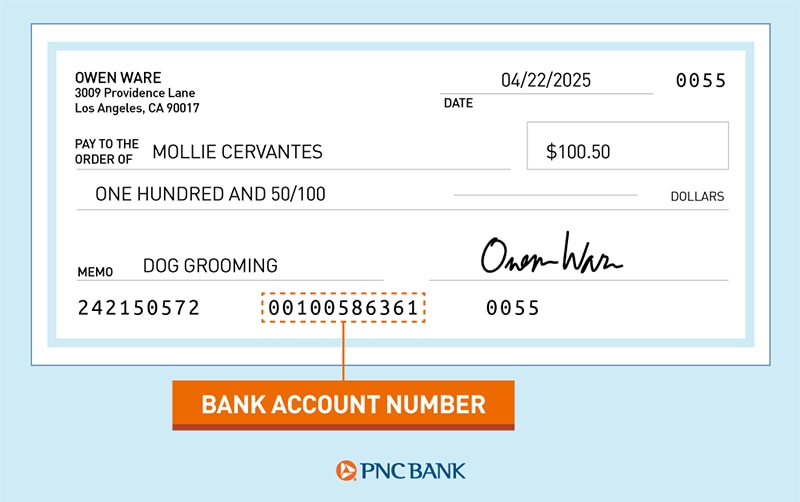
One of the most common and readily accessible places to find your bank account number is on a physical cheque. On the bottom of a cheque, you will typically see three sets of numbers separated by distinct symbols. From left to right, these are usually:
- Routing Number: The nine-digit code identifying your bank.
- Account Number: Your specific account number within that bank.
- Cheque Number: The unique identifier for that particular cheque.
Always ensure you’re looking at your own chequebook, as the numbers on a deposit slip or someone else’s cheque will be different.
Similarly, your paper bank statements are another definitive source. Every monthly or quarterly statement you receive from your bank will clearly display your full bank account number, usually near the top of the statement along with your name and address. Keep these statements organized and stored securely, as they contain a wealth of personal financial information.
Visiting Your Bank Branch
If you prefer face-to-face interaction or cannot locate your information through other means, visiting your local bank branch is always an option. A bank teller or customer service representative can provide you with your account number. You will need to bring valid photo identification (such as a driver’s license or passport) and possibly your debit card or another piece of information to verify your identity. This is a critical security step to ensure they are only providing sensitive information to the legitimate account holder. Be prepared for a brief verification process, but rest assured, this is a secure and reliable method.
Contacting Customer Service
Most banks offer robust customer service channels, including telephone support. You can call your bank’s customer service hotline to request your account number. Be prepared to go through a thorough identity verification process. This typically involves answering security questions, confirming personal details, and possibly providing information related to recent transactions. While convenient, be mindful of your surroundings when providing sensitive information over the phone, especially in public spaces where your conversation might be overheard. Always use the official customer service number listed on your bank’s website or statement, not numbers found via unverified search results or unsolicited calls.
Digital Convenience: Finding Your Account Number Online
The digital age has revolutionized how we access and manage our finances, making it incredibly convenient to find your bank account number with just a few clicks or taps. Online banking platforms and mobile apps have become indispensable tools for modern financial management.
Online Banking Portals
Your bank’s official online banking portal is perhaps the easiest and most frequently used method for finding your account number digitally. Once you log in securely with your username and password, navigate to the section that displays your account details. This is often found under headings such as “Account Summary,” “Account Details,” “Statements,” or by clicking on the specific account you wish to view (e.g., checking, savings).
On this page, you should see your full account number clearly displayed. Some banks might initially show only the last few digits for security purposes, requiring an extra click or two, or a confirmation of your password, to reveal the complete number. Always ensure you are on your bank’s official website (check the URL for “https://” and the correct domain name) to avoid phishing scams.
Mobile Banking Applications

Most major banks offer dedicated mobile banking applications that provide a streamlined experience for managing your accounts on the go. Similar to online banking portals, you can typically find your account number within the app after logging in.
After authentication (which might include biometric login like fingerprint or facial recognition), navigate to the specific account. Look for options like “Account Details,” “View Account Info,” or “Statements.” Some apps might require you to tap on a small icon (like an ‘i’ for information) or a specific section of the account display to reveal the full number. Mobile apps often provide an even quicker way to access this information, making them ideal for situations where you need your account number rapidly.
Digital Statements and Transaction History
If you’ve opted for paperless statements, your digital bank statements are an excellent resource for your account number. These can usually be accessed and downloaded as PDF files from your online banking portal or mobile app. Just like physical statements, your full account number will be prominently displayed on these documents. Always download and store these on a secure device, or print them only when absolutely necessary and shred them after use.
Sometimes, even within your transaction history or activity feed, some banks might subtly display a truncated version of your account number, though usually not the full one. For the complete number, the dedicated “Account Details” or “Statements” sections are your best bet.
Safeguarding Your Account Number: Best Practices for Security
While knowing where to find your bank account number is important, understanding how to protect it is even more critical. Your account number is a sensitive piece of information that, if misused, can lead to significant financial vulnerabilities.
Recognizing and Avoiding Scams
Scammers are constantly devising new ways to trick individuals into revealing their banking details. Be extremely wary of unsolicited calls, emails, or text messages asking for your bank account number, routing number, or other personal financial information.
- Phishing Emails: Do not click on suspicious links or download attachments from unknown senders. Banks will never ask for your full account number via email.
- Vishing (Voice Phishing): Be skeptical of callers claiming to be from your bank who demand your account number or pressure you into making immediate decisions. If in doubt, hang up and call your bank back using their official customer service number.
- Smishing (SMS Phishing): Avoid clicking links in text messages that seem to be from your bank but contain unusual requests or threats.
- Public Wi-Fi: Avoid accessing your online banking or performing sensitive transactions over unsecured public Wi-Fi networks, as these can be vulnerable to eavesdropping.
Always verify the legitimacy of any request for your bank account number, especially if it seems unusual or comes from an unexpected source.
Secure Storage and Sharing Protocols
Treat your bank account number like a digital key to your financial safe.
- Physical Documents: Store physical cheques and bank statements in a secure, locked location, away from prying eyes. Shred old statements and cancelled cheques before discarding them.
- Digital Storage: If you must store your account number digitally, use secure password managers or encrypted files. Avoid saving it in plain text on your computer, phone, or in easily accessible cloud storage.
- Sharing: Only share your bank account number with trusted entities and for legitimate purposes, such as setting up direct deposit with your employer, paying a verified utility company, or transferring funds to a known and secure recipient. When sharing, use secure channels (e.g., secure online forms, encrypted email if absolutely necessary, or in person).
When and How to Share Your Account Number
There are legitimate scenarios where sharing your bank account number is necessary. These typically involve setting up automated payments or deposits. For instance:
- Employer Payroll: Your employer will require it for direct deposit of your salary. Provide it on an official payroll form.
- Utility Companies: For recurring bill payments. Often, you can enter this directly into their secure online portal.
- Investment Firms: To link your bank account for funding investments.
- Loan Providers: For automatic loan repayments.
When sharing, always use the secure, designated channels provided by the trusted institution. Avoid writing it down on unsecured slips of paper or verbally relaying it in public. If you are ever unsure about the legitimacy of a request for your account number, contact your bank directly using their official channels to verify.
What to Do If You Can’t Find Your Number
Despite all the methods available, there might be rare occasions when you simply cannot locate your bank account number. Perhaps you’ve moved, lost all your physical documents, or are having technical issues with digital access. Don’t panic; there are still steps you can take.
Escalation and Verification Processes
If you’ve exhausted all the direct methods (chequebook, statements, online banking, mobile app), your next step is to directly contact your bank through its official customer service channels. Explain your situation clearly. They will guide you through an enhanced identity verification process. This might involve:
- Multi-factor Authentication: Answering more in-depth security questions, confirming recent transactions, or providing information known only to you.
- In-person Verification: They may require you to visit a branch with multiple forms of ID for verification.
- Secure Mail: In extreme cases, and as a last resort, they might be able to mail you a statement to a verified address, though this takes time.
The bank’s priority is always security, so expect this process to be thorough. Be patient and cooperate fully with their requests.

Preventing Future Difficulties
Once you successfully retrieve your account number, take steps to prevent future difficulties:
- Record It Securely: Jot it down and store it in a secure location (e.g., a locked safe, a reputable password manager). Do not leave it written on easily accessible notes.
- Familiarize Yourself with Digital Access: Practice accessing your account number through your online banking portal and mobile app so you know exactly where to find it quickly.
- Enable Paperless Statements: While potentially less tactile, digital statements are always accessible online and reduce the risk of physical document loss.
- Understand Your Bank’s Procedures: Know your bank’s specific procedures for identity verification and account information retrieval.
Your bank account number is a critical component of your financial identity. Being well-informed about where to find it, how to use it responsibly, and most importantly, how to protect it, empowers you to navigate your financial life with confidence and security. By integrating these practices into your financial routine, you ensure smooth transactions and robust protection against potential threats, solidifying your control over your monetary assets.
aViewFromTheCave is a participant in the Amazon Services LLC Associates Program, an affiliate advertising program designed to provide a means for sites to earn advertising fees by advertising and linking to Amazon.com. Amazon, the Amazon logo, AmazonSupply, and the AmazonSupply logo are trademarks of Amazon.com, Inc. or its affiliates. As an Amazon Associate we earn affiliate commissions from qualifying purchases.