
In an increasingly digital financial landscape, managing your personal finances effectively hinges on knowing where to find crucial information, such as your bank account number. While it might seem like a basic piece of data, knowing its location and understanding its importance is paramount for a variety of financial tasks, from setting up direct deposits to initiating transfers or processing payments. This guide aims to demystify the process, offering clear, actionable steps to help you locate your bank account number with ease and confidence, while also emphasizing the critical security considerations involved.
Understanding Your Bank Account Number and Its Importance
Before diving into where to find it, it’s essential to understand what a bank account number is and why it holds such significance in your financial life. This foundational knowledge will empower you to manage your banking information more securely and efficiently.
What Exactly Is a Bank Account Number?
Your bank account number is a unique sequence of digits assigned by your financial institution to identify your specific deposit account. Unlike a debit card number, which is linked to a card and can change if the card is reissued, your bank account number typically remains constant for the life of your account. It’s distinct from your bank’s routing number, which identifies your financial institution, not your individual account within it. Think of the routing number as the bank’s street address and your account number as your specific apartment number within that building. Together, they create a unique identifier that allows money to be routed correctly to and from your account. Most personal checking and savings account numbers range from 8 to 12 digits, though this can vary by institution.
Why You Need Your Bank Account Number
The uses for your bank account number are diverse and critical to everyday financial operations. You’ll frequently encounter situations where this number is required:
- Setting Up Direct Deposit: For receiving your salary, government benefits, or tax refunds directly into your account.
- Automated Bill Payments: To establish recurring payments for utilities, loans, or subscriptions.
- Wire Transfers and ACH Payments: Sending or receiving large sums of money, or processing electronic fund transfers.
- Linking External Accounts: Connecting your bank account to third-party payment apps (e.g., PayPal, Venmo) or investment platforms.
- Tax Forms and Filings: Providing your account information for refunds or payments.
- Ordering Checks or Deposit Slips: Essential for personalized banking supplies.
- Customer Service Inquiries: Banks often request your account number to verify your identity.
Without this number, many essential financial transactions would be impossible or significantly more complicated, underscoring its pivotal role in personal finance management.
Security Precautions: Protecting Your Financial Identity
Given its importance, your bank account number is a sensitive piece of information that fraudsters could exploit. While it’s not as dangerous as, say, your debit card number paired with your PIN, unauthorized access to your account number could still be used in conjunction with other personal details to commit identity theft or fraudulent transactions. Therefore, exercising caution when sharing and storing this information is paramount. Always ensure you are sharing it with trusted parties or on secure, encrypted platforms. Be wary of unsolicited requests for your bank account number, especially via email or text messages, as these could be phishing attempts.
Common Places to Locate Your Bank Account Number
Fortunately, banks provide multiple accessible avenues for you to find your account number, catering to various preferences and circumstances. Knowing where to look can save you time and unnecessary stress.
Your Physical Checkbook or Deposit Slips
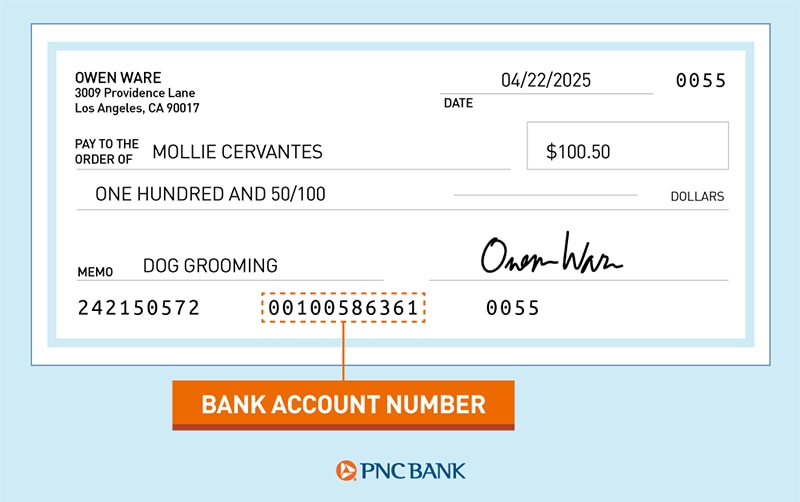
For many, the most traditional and readily available source is your physical checkbook. On a standard check, you’ll typically find three sets of numbers at the bottom:
- The first set (usually nine digits) is your routing number.
- The second set (ranging from 8 to 12 digits) is your bank account number.
- The third set is the check number.
Deposit slips also follow a similar pattern, with your account number prominently displayed. This method is convenient if you have physical checks readily available.
Online Banking Portals and Mobile Apps
In the digital age, online banking is arguably the quickest and most popular method. Virtually all financial institutions offer secure online platforms and mobile applications where you can access your account details.
- Online Portal: After logging into your bank’s website, navigate to your account summary or details page. Look for an option labeled “Account Details,” “View Account Information,” or similar. Your account number is usually listed there, though some banks may partially mask it for security, requiring an extra click or verification to reveal the full number.
- Mobile App: Similarly, within your bank’s mobile application, you can usually tap on the specific account you wish to view. Look for “Account Details,” “Manage Account,” or an “i” (information) icon. Many apps will require you to enter a PIN, use biometric authentication (fingerprint, face ID), or answer a security question to display sensitive information like your full account number.
Monthly Bank Statements (Paper or Electronic)
Bank statements, whether delivered via postal mail or electronically through your online banking portal, are a reliable source for your account number.
- Paper Statements: Your full bank account number is almost always printed prominently on your monthly paper statement, usually near the top, along with your name and address.
- Electronic Statements (eStatements): These are digital versions of your paper statements, accessible through your online banking portal. Download a recent eStatement (usually in PDF format), and you’ll find your account number in the same location as on a physical statement. This method is particularly useful if you don’t have a checkbook or online access to the direct “account details” page.
Contacting Your Bank Directly
If all else fails, or if you prefer direct assistance, calling or visiting your bank is always an option.
- Customer Service Hotline: Call your bank’s customer service number (found on their website, the back of your debit card, or a recent statement). Be prepared to go through a rigorous identity verification process, which may include providing your full name, address, date of birth, Social Security Number, and answering security questions.
- Visiting a Branch: If you have a local branch, an in-person visit with a valid photo ID (like a driver’s license or passport) is a surefire way to obtain your account number. A teller or customer service representative will be able to provide you with the information after verifying your identity.
Step-by-Step Guides for Popular Methods
To streamline your search, here are more detailed steps for the most common ways to locate your account number.
Navigating Your Online Banking Account
- Log In Securely: Go to your bank’s official website and log in using your username and password. Always ensure you’re on a secure, legitimate site (look for “https://” and a padlock icon in the URL).
- Select the Desired Account: From your dashboard or account summary, click on the specific checking or savings account for which you need the number.
- Locate Account Details: Look for sections or links such as “Account Details,” “Account Information,” “My Accounts,” or a similar option. Sometimes, it might be under a “Statements” or “Documents” tab.
- Reveal Account Number: Your account number might be partially masked (e.g., “XXXXXXXX1234”). There’s usually an option like “Show Full Account Number,” “Reveal,” or a small eye icon to click, often requiring a password or second factor authentication for security.

Using Your Mobile Banking App
- Open and Authenticate: Launch your bank’s mobile app and log in using your PIN, fingerprint, or facial recognition.
- Select Account: Tap on the specific account from your list of accounts.
- Find Account Info: Look for an “Account Details,” “Account Info,” or a “More” menu often represented by three dots or lines.
- View Number: Similar to online banking, you might need to tap to reveal the full account number after a security prompt.
Deciphering Your Bank Statement
- Access Statement: If you receive paper statements, simply retrieve the latest one. For eStatements, log into your online banking, navigate to “Statements” or “eDocuments,” and download a recent statement in PDF format.
- Scan the Header: Most statements prominently display your account number in the header section, usually near your name and address. It will be clearly labeled as “Account Number.”
What to Expect When Calling Customer Service
- Prepare for Verification: Have personal identification details ready: full name, address, date of birth, and potentially your Social Security Number or answers to security questions you’ve set up with the bank.
- Dial and Navigate: Call your bank’s official customer service number. You may need to navigate through an automated menu by pressing numbers.
- Request Assistance: Once connected to a representative, state clearly that you need your bank account number.
- Complete Verification: The representative will guide you through the identity verification process. Be patient and provide accurate information. For security reasons, they will not give out sensitive information without confirming your identity thoroughly.
What to Do If You Can’t Find It (Troubleshooting and Alternatives)
Sometimes, despite your best efforts, finding your account number can be challenging. Perhaps you’ve moved recently, misplaced old statements, or are locked out of online banking.
When All Else Fails: Visiting a Branch
If online, mobile, and phone options prove futile, a visit to a physical branch remains the most reliable fallback. Ensure you bring at least one, preferably two, forms of government-issued photo identification (e.g., driver’s license, passport, state ID). The branch staff can access your account details directly and provide you with the number after verifying your identity in person. This method bypasses the need for specific account knowledge or online access.
Requesting a New Checkbook or Statement
If you don’t have a current checkbook and cannot access digital statements, you can request new ones from your bank. While this isn’t an instant solution, it will provide you with the necessary information once delivered. Ordering new checks typically means your account number will be printed on them. Similarly, you can ask the bank to mail you a paper statement, which will clearly display the number.
Understanding Temporary Account Numbers or Reference IDs
In some very specific, often rare, scenarios, you might encounter a “temporary” account number or a “reference ID.” These are not your actual bank account number. Temporary numbers might be issued for specific transactions, while reference IDs are used for internal tracking. Always confirm you are looking for and using your permanent, full bank account number for most financial transactions. If in doubt, clarify with your bank.
Beyond Finding: Best Practices for Managing Your Banking Information
Locating your bank account number is just one part of a larger picture of responsible financial management. Adopting best practices for handling this sensitive information is crucial for maintaining your financial security and peace of mind.
Secure Storage and Access
Never write your bank account number on easily accessible notes or unsecured digital documents. If you must record it, do so in a secure, encrypted password manager or a locked physical safe. Memorizing it is also a good practice, but not always feasible. Ensure that any device you use to access online banking or mobile apps is protected with strong passwords and up-to-date security software.
Regularly Reviewing Statements
Regularly reviewing your bank statements (monthly or more frequently) is a critical habit. It allows you to:
- Confirm your account number is correct.
- Identify any unauthorized transactions.
- Track your spending and manage your budget.
- Catch errors promptly.
This proactive approach can prevent fraud and keep your finances in order.
When to Share (And Not Share) Your Account Number
Understand the legitimate reasons for sharing your account number (e.g., direct deposit, setting up bill pay with trusted entities) versus situations where you should be highly cautious. Never share your account number over unsecured email, text, or social media. Legitimate organizations will typically request it through secure portals or verified phone calls after identity verification. Be particularly skeptical of unsolicited requests from individuals or unfamiliar businesses.

The Role of Financial Literacy in Banking
Ultimately, the ability to confidently find and manage your bank account number is a testament to basic financial literacy. Understanding how your banking system works, recognizing the importance of your account details, and knowing where to access them empowers you to take full control of your personal finances. This foundational knowledge is crucial for navigating modern financial challenges, ensuring smooth transactions, and protecting your assets from potential threats.
By following these guidelines, you can ensure that finding your bank account number is a straightforward task, allowing you to focus on more significant financial goals with confidence and security.
aViewFromTheCave is a participant in the Amazon Services LLC Associates Program, an affiliate advertising program designed to provide a means for sites to earn advertising fees by advertising and linking to Amazon.com. Amazon, the Amazon logo, AmazonSupply, and the AmazonSupply logo are trademarks of Amazon.com, Inc. or its affiliates. As an Amazon Associate we earn affiliate commissions from qualifying purchases.