
In the intricate world of personal finance, certain pieces of information are foundational to managing your money effectively. Among these, your checking account number stands out as a critical identifier, essential for a myriad of financial transactions, from setting up direct deposit to paying bills online. While seemingly straightforward, many individuals find themselves momentarily stumped when asked to provide this number, especially when they don’t have a physical checkbook readily available. This guide aims to demystify the process, offering a comprehensive overview of how to easily and securely locate your checking account number, understand its significance, and ensure the safety of your financial data.
Navigating your finances requires precision, and knowing where to find your account number is a basic yet crucial skill. Whether you’re a seasoned financial guru or just beginning your journey into managing your own funds, understanding the various avenues to access this information empowers you to handle your money with confidence and efficiency. We’ll explore traditional methods alongside modern digital solutions, emphasizing best practices for security and accuracy every step of the way.
Why Your Checking Account Number Matters (And What It Is)
Before diving into how to find your checking account number, it’s vital to understand what it is and why it holds such importance in your financial life. This unique string of digits serves as your personal identifier within your bank’s system, specifically designating your individual checking account. It’s the numerical key that unlocks your ability to move money in and out of your account for various purposes, making it indispensable for smooth financial operations.
Understanding Your Account Number vs. Routing Number
A common point of confusion arises between the checking account number and the routing number. While both are essential for financial transactions, they serve distinct purposes.
- Checking Account Number: This is specific to your individual account at your bank. It uniquely identifies your account among all others at that financial institution. It can vary in length, but typically ranges from 10 to 12 digits.
- Routing Number (or ABA Number): This is a nine-digit code that identifies your financial institution itself, rather than your specific account. It tells other banks where to send the money. Different banks, or even different branches of the same bank, can have different routing numbers. For most transactions, you’ll need both – the routing number to identify the bank and the account number to identify your specific account within that bank.
Knowing the difference is crucial to avoid errors in transactions, which can lead to delays or even misdirected funds.
Common Scenarios Requiring Your Account Number
Your checking account number is not just a random string of digits; it’s a gateway to numerous financial activities. You’ll likely need it for:
- Setting Up Direct Deposit: For paychecks, government benefits, or tax refunds, your employer or payer will require both your account and routing numbers to deposit funds directly into your account.
- Automatic Bill Payments: While many online bill payment systems only require a debit card number, some services, especially for larger recurring payments like mortgages or loans, may ask for your checking account details for ACH (Automated Clearing House) transfers.
- Initiating Wire Transfers: Sending or receiving large sums of money, especially internationally, often necessitates providing your full account information.
- Linking External Accounts: If you use budgeting apps, investment platforms, or peer-to-peer payment services, you might need to link your checking account using these numbers.
- Ordering New Checks: When you run out of checks, your bank will use your account number to ensure the new checks are linked to the correct account.
- Setting Up Business Payroll: For small business owners, understanding and utilizing account numbers is paramount for managing payroll and other business finance operations.
The Importance of Security
Given its critical role, your checking account number is sensitive information. Just as you wouldn’t share your debit card PIN indiscriminately, you should exercise caution when providing your account number. While it’s generally considered less risky than, say, your Social Security Number, it can still be exploited in conjunction with other personal details to commit financial fraud. Always ensure you are providing this information to trusted entities and through secure channels.
Traditional Methods: The Physical Approach
Before the advent of digital banking, locating your checking account number primarily involved physical documents. These traditional methods remain reliable and are often the first place people look. Understanding these avenues can be particularly useful if you prefer tangible records or are experiencing technical difficulties with digital platforms.
Your Checkbook: The Easiest Way
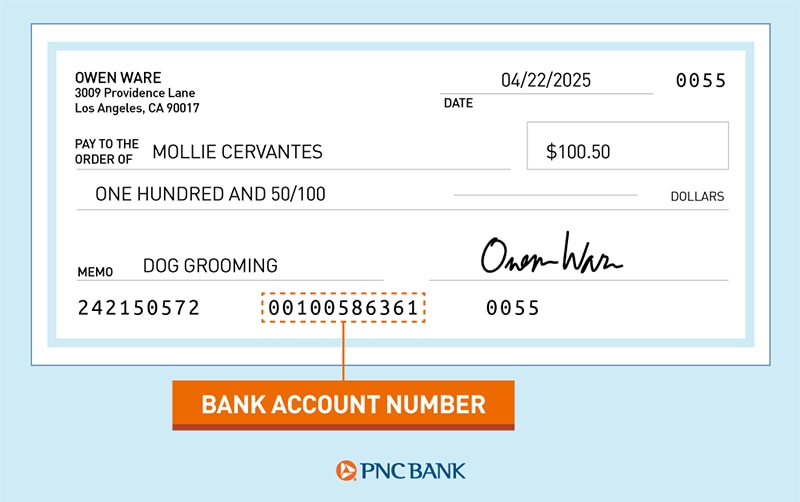
For most people, the simplest and most accessible place to find your checking account number is right on your physical checks. Banks design checks with this information clearly printed at the bottom, typically in a specific format that makes it easy to identify.
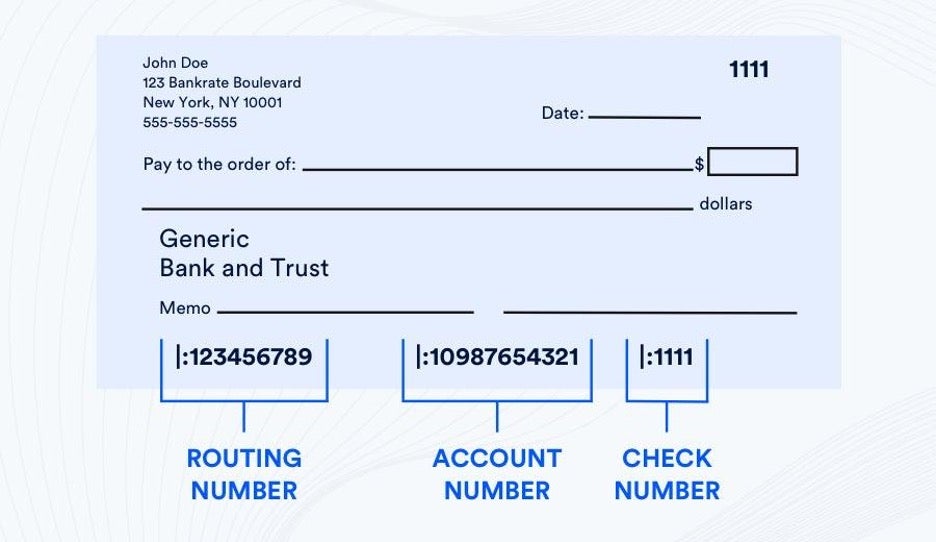
- Locating the Numbers: Look at the bottom of any of your personal checks. You’ll usually see three sets of numbers, printed using magnetic ink character recognition (MICR) font.
- The first set of numbers (nine digits) is your routing number.
- The second set of numbers (usually 10 to 12 digits) is your checking account number.
- The third set of numbers is the check number, which corresponds to the sequential number printed in the top right corner of the check.
- Identifying the Account Number: The account number is almost always in the middle. If you’re unsure, consult the diagram provided by your bank or on their website, or compare it to a check you’ve previously used for a direct deposit setup. Be cautious not to confuse it with the check number.
If you have a physical checkbook, this method is usually the fastest and most straightforward.
Bank Statements: Paper Trails and Digital Access
Bank statements, whether physical or digital, are another reliable source for your checking account number. These comprehensive records detail your transactions, balances, and crucial account information.
- Physical Statements: If you receive paper statements in the mail, your checking account number (and often your routing number) will be prominently displayed at the top or bottom of the statement, typically near your name and address. Carefully review the statement for an “Account Number” field.
- Digital Statements (eStatements): Most banks offer eStatements, accessible through your online banking portal. These are digital versions of your paper statements. Log into your online banking, navigate to the “Statements” or “Documents” section, and download a recent checking account statement. Your account number will be clearly visible on the digital document, just as it would be on a paper one. This method not only provides your account number but also a detailed record of your financial activity, a boon for personal finance management and tax preparation.
Contacting Your Bank Directly: Phone, Branch, or Mail
When all else fails, or if you prefer direct interaction, your bank is always the ultimate authority for your account information.
- Phone Call: This is often the quickest way to get assistance if you don’t have access to checks or online banking. Call your bank’s customer service number (usually found on their website, the back of your debit card, or a previous statement). Be prepared to verify your identity with personal information such as your full name, address, date of birth, and possibly the last four digits of your Social Security Number or answers to security questions. For security reasons, some banks may be hesitant to give out full account numbers over the phone, but they can usually guide you to where you can find it or provide partial information for verification.
- Visiting a Local Branch: If you have a branch nearby, visiting in person is a secure way to retrieve your account number. Bring a valid form of identification (driver’s license, passport, etc.). A bank teller or customer service representative can look up your account details and provide the necessary information. This method is particularly useful if you’ve recently moved or have had issues with digital access.
- Secure Message (Online Banking): Many banks offer a secure messaging system within their online banking platforms. You can send a message directly to a bank representative and request your account number. Since you’re already logged into a secure environment, this can be a safe and convenient option, though it might take longer to receive a response than a phone call.
Digital Convenience: Online and Mobile Banking
In today’s digitally driven world, your checking account number is often just a few clicks or taps away. Online and mobile banking platforms have revolutionized how we interact with our money, offering instant access to account details from virtually anywhere. These methods are not only convenient but also typically secure, incorporating advanced encryption and multi-factor authentication to protect your financial data.
Navigating Your Online Banking Portal
Your bank’s website is a treasure trove of information, including your checking account number.
- Log In Securely: Start by visiting your bank’s official website and logging into your online banking portal using your username and password. Always ensure you are on the legitimate bank site to avoid phishing scams. Look for “https://” in the URL and a padlock icon in your browser’s address bar.
- Account Summary/Details Page: Once logged in, navigate to your account summary page. You should see a list of your accounts (checking, savings, credit cards, etc.). Click on your specific checking account to view its details.
- Locating the Number: On the account details page, your checking account number is often displayed prominently. Some banks might mask part of the number for security reasons (e.g., “XXXX1234”) and require you to click a button or enter a password to reveal the full number. Look for labels such as “Account Number,” “Full Account Number,” or “Account Details.” The routing number is usually listed on the same page or in a separate “About My Account” or “Direct Deposit Information” section.
This method is highly efficient for individuals who regularly manage their finances online and provides immediate access without needing physical documents.
Using Your Mobile Banking App
Mobile banking apps have become indispensable tools for modern finance management. They offer a streamlined experience, allowing you to access virtually all your banking services from your smartphone or tablet, including finding your account number.
- Download and Log In: If you haven’t already, download your bank’s official mobile app from your device’s app store (Google Play Store for Android, Apple App Store for iOS). Log in using your online banking credentials. Many apps offer biometric login options (fingerprint, facial recognition) for enhanced security and convenience.
- Access Account Details: Similar to online banking, once logged in, navigate to your checking account. Tap on the account to view its details.
- Reveal Account Number: Your account number will typically be listed here. Again, it might be partially masked for security and require an additional tap or authentication (like a PIN or biometric scan) to reveal the full number. Look for options like “Account Info,” “Show Account Number,” or “Direct Deposit Info.” Many apps also have a dedicated section for “Direct Deposit Information” that will clearly list both your routing and account numbers.
Mobile banking apps offer unparalleled convenience, making it possible to retrieve your account number on the go, whether you’re at work, traveling, or simply away from your computer.
The Security of Digital Access
While digital banking offers convenience, security remains a paramount concern. Banks invest heavily in encrypting data, implementing multi-factor authentication (MFA), and providing fraud monitoring services. When using online or mobile banking:
- Always use strong, unique passwords.
- Enable multi-factor authentication (e.g., a code sent to your phone) whenever available.
- Avoid accessing banking information on public Wi-Fi networks.
- Keep your devices updated with the latest security patches.
- Be wary of suspicious emails or messages purporting to be from your bank.
By following these best practices, you can leverage the convenience of digital banking without compromising the security of your checking account number and other financial details.
Important Considerations for Safety and Accuracy
Finding your checking account number is only half the battle; ensuring its accuracy and protecting it from misuse are equally vital. In an age where digital identity theft and financial scams are rampant, vigilance is key to safeguarding your money.
Verifying the Information
Before using your checking account number for any transaction, especially for critical setups like direct deposit or automatic payments, always double-check its accuracy.
- Cross-Reference: If possible, verify the number using at least two different sources (e.g., your checkbook and your online banking portal).
- Confirm with Recipient: When providing your account number to a third party (like an employer or a utility company), it’s good practice to confirm with them what format they require and to double-check their entry if they are inputting the information. A single misplaced digit can cause significant issues, from delayed payments to funds being sent to the wrong account.
- Routing Number Match: Always ensure the routing number you’re using corresponds to the correct account and bank. Some banks have different routing numbers for different types of transactions (e.g., wire transfers vs. ACH transfers) or for different geographic regions.
Taking a few extra moments to verify can save hours of frustration and potential financial headaches down the line.
Protecting Your Financial Information
Your checking account number, while not as sensitive as your Social Security Number, is still a piece of personal financial data that should be guarded.
- Be Skeptical of Unsolicited Requests: Reputable organizations will rarely ask for your full account number via unsolicited email or text message. If in doubt, contact the organization directly using a verified phone number or website, not one provided in the suspicious communication.
- Securely Dispose of Documents: Shred old bank statements, voided checks, or any documents containing your account number before discarding them.
- Monitor Your Accounts: Regularly review your bank statements and online transaction history for any unauthorized activity. Catching fraudulent transactions early can prevent significant losses.
- Strong Passwords and MFA: As mentioned, robust passwords and multi-factor authentication for your online banking are non-negotiable layers of security.
- Public Wi-Fi Caution: Avoid conducting financial transactions or accessing sensitive account information on unsecured public Wi-Fi networks, which can be vulnerable to eavesdropping.
What to Do if You Can’t Find It
If you’ve exhausted all the methods outlined above and still can’t locate your checking account number, or if you suspect your account information may have been compromised:
- Contact Your Bank Immediately: This is the most critical step. Explain your situation to a customer service representative. They can help you retrieve the information after verifying your identity, or advise on steps to take if there’s a security concern.
- Consider a New Account: In rare cases, if you strongly suspect fraud or if your account details are irrecoverable, your bank might advise you to open a new checking account to ensure your financial security.
Beyond Finding: What to Do With Your Account Number
Once you’ve successfully located your checking account number, understanding its applications is the next step in leveraging it for better financial management. This critical piece of information facilitates a multitude of essential financial operations, streamlining your ability to manage income, expenses, and investments.
Setting Up Direct Deposit
Perhaps the most common use for your checking account number is setting up direct deposit. This process ensures that your paychecks, government benefits (like Social Security), or tax refunds are electronically transferred directly into your bank account, bypassing physical checks.
- Provide Details to Employer/Payer: Your employer’s HR or payroll department, or the relevant government agency, will provide a form requiring your bank’s routing number and your checking account number.
- Benefits: Direct deposit offers convenience, speed (funds are often available faster than paper checks), and enhanced security (no lost or stolen checks). For those building online income or engaged in side hustles, direct deposit is a standard and efficient way to receive payments.
Automatic Bill Payments and Transfers
Your account number is instrumental in setting up recurring payments or transfers, which are cornerstones of effective personal finance and budgeting.
- Utility Bills, Loan Payments, Subscriptions: Many service providers (utilities, internet, insurance, mortgage lenders) offer the option to set up automatic payments directly from your checking account. This typically requires both your routing and account numbers.
- Inter-Bank Transfers: If you have accounts at different financial institutions, you can often link them using your account and routing numbers to facilitate easy transfers between your own accounts. This is invaluable for moving money between checking and savings, or for funding investment accounts.
- Budgeting and Financial Tools: Many financial tools and budgeting apps require linking your bank accounts to track spending, analyze cash flow, and manage your overall financial health. This often involves providing your account and routing numbers, or securely connecting through an API.
Initiating Wire Transfers
For larger, time-sensitive, or international money transfers, wire transfers are often the preferred method. These require precise account information to ensure funds reach the correct recipient quickly.
- Domestic and International Wires: To send a wire transfer, you’ll need the recipient’s full name, address, bank name, routing number (for domestic transfers), SWIFT/BIC code (for international transfers), and their complete checking account number.
- Receiving Wires: If you are expecting a wire transfer, you will need to provide your bank’s wire transfer routing number (which can sometimes differ from the standard ACH routing number) and your checking account number to the sender. This is a common requirement for various business finance activities, particularly for those involved in online income streams that deal with international clients.
Understanding how to efficiently use your checking account number for these transactions empowers you to manage your finances with greater autonomy and precision, whether it’s for personal expenses, investments, or business operations.

Conclusion
Your checking account number is far more than just a string of digits; it’s a fundamental element of your financial identity and a gateway to managing your money in today’s interconnected financial ecosystem. From ensuring your paycheck lands safely in your account to facilitating critical bill payments and investment transfers, its importance cannot be overstated.
By familiarizing yourself with the various methods to locate this crucial number – be it through your trusted checkbook, detailed bank statements, the convenient digital portals of online and mobile banking, or by direct communication with your financial institution – you equip yourself with the knowledge to handle your financial affairs with confidence and efficiency. Remember, while accessibility is key, security must always remain your top priority. Practicing vigilance, verifying information, and leveraging the protective measures offered by your bank will ensure your financial journey remains smooth, secure, and successful. Mastering the art of finding and safeguarding your checking account number is a simple yet powerful step towards robust personal financial management.
aViewFromTheCave is a participant in the Amazon Services LLC Associates Program, an affiliate advertising program designed to provide a means for sites to earn advertising fees by advertising and linking to Amazon.com. Amazon, the Amazon logo, AmazonSupply, and the AmazonSupply logo are trademarks of Amazon.com, Inc. or its affiliates. As an Amazon Associate we earn affiliate commissions from qualifying purchases.