
In the intricate architecture of modern economies, few institutions wield as much influence and serve as many vital functions as a bank. Far more than just a place to store money, banks are the lifeblood of commerce, the engines of personal financial growth, and the guardians of economic stability. They are complex entities, continually evolving in response to technological advancements, regulatory changes, and shifting societal needs. To truly grasp “what a bank is,” one must delve into its historical roots, its multifaceted roles, its diverse forms, and its profound impact on individuals, businesses, and the global financial system. This exploration will illuminate the indispensable nature of banking in fostering prosperity and managing risk across the economic landscape.
The Fundamental Role and Evolution of Banks
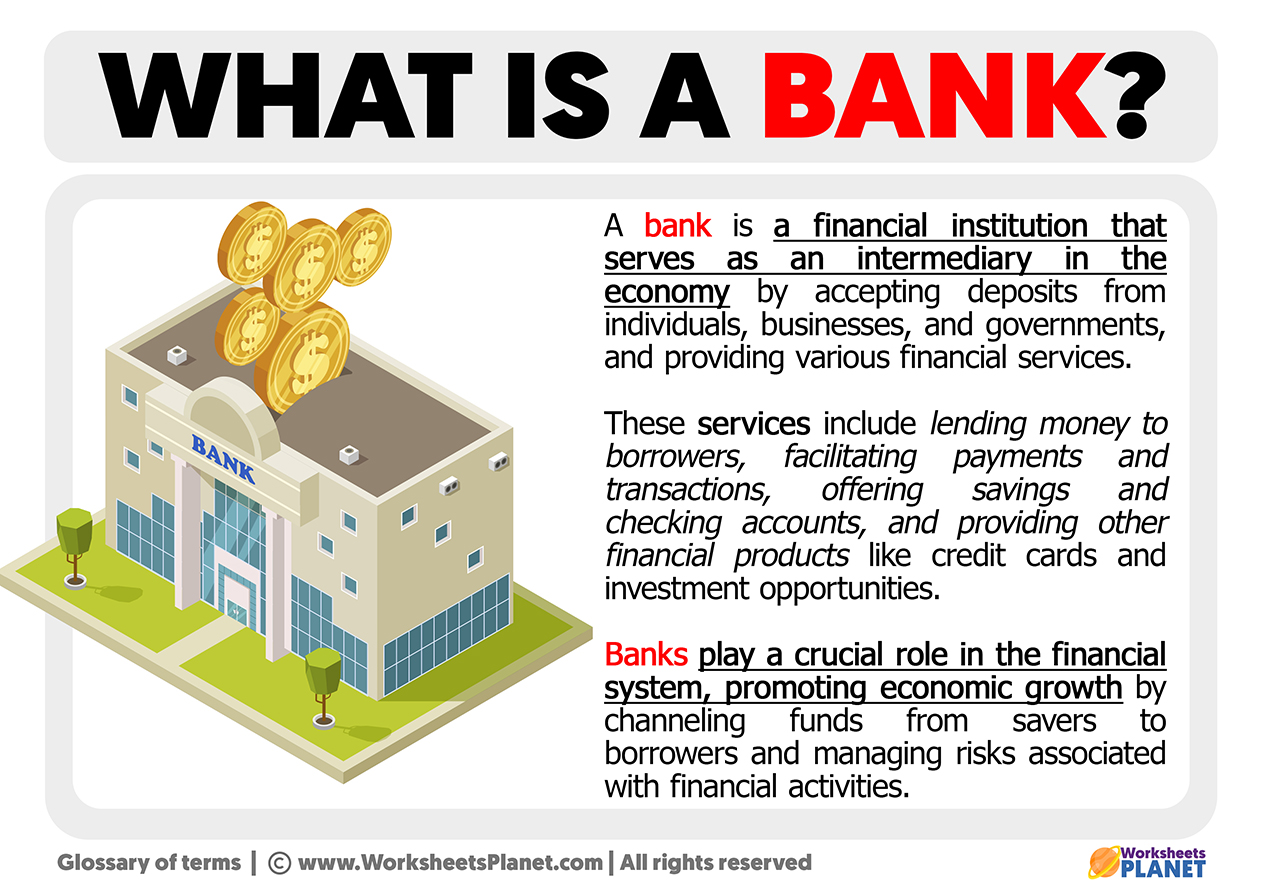
At its core, a bank is a financial intermediary, a trusted institution that stands between those with surplus funds and those who require capital. This simple definition, however, barely scratches the surface of its extensive responsibilities and contributions to society.
Defining a Bank: Beyond Just a Vault
Traditionally, people might visualize a bank as a grand building with vaults full of cash. While security remains paramount, the essence of a modern bank extends far beyond safekeeping. A bank primarily accepts deposits of money from the public and uses these funds to grant loans, make investments, and provide a wide array of financial services. It operates on the principle of leveraging collective deposits to generate capital for lending, thereby facilitating economic activity. In essence, a bank creates liquidity in the market, allowing money to flow efficiently from savers to borrowers, driving innovation, expansion, and consumption. It is a central nexus for transactions, a record-keeper of financial activity, and a provider of essential financial infrastructure that underpins daily life and global trade.
A Brief History: From Goldsmiths to Global Institutions
The origins of banking can be traced back to ancient civilizations, where merchants and moneylenders facilitated trade and offered rudimentary financial services. However, the modern banking system began to take shape during the Renaissance, particularly in Italy, with the rise of goldsmiths. These artisans, entrusted with people’s precious metals, began issuing receipts that functioned as early forms of currency. They soon realized they could lend out a portion of the gold deposited with them, earning interest, while still maintaining enough reserves to meet withdrawal demands. This fractional reserve banking model laid the groundwork for contemporary banking. Over centuries, these humble beginnings evolved into sophisticated national and international institutions, driven by industrial revolutions, global trade expansion, and the increasing complexity of financial markets. From local savings and loan associations to vast multinational corporations, banks have continuously adapted their structures and services to meet the ever-growing demands of an interconnected world.
Core Functions: The Pillars of Banking
The operations of a bank can be distilled into three primary functions, each critical for its existence and for the functioning of the economy:
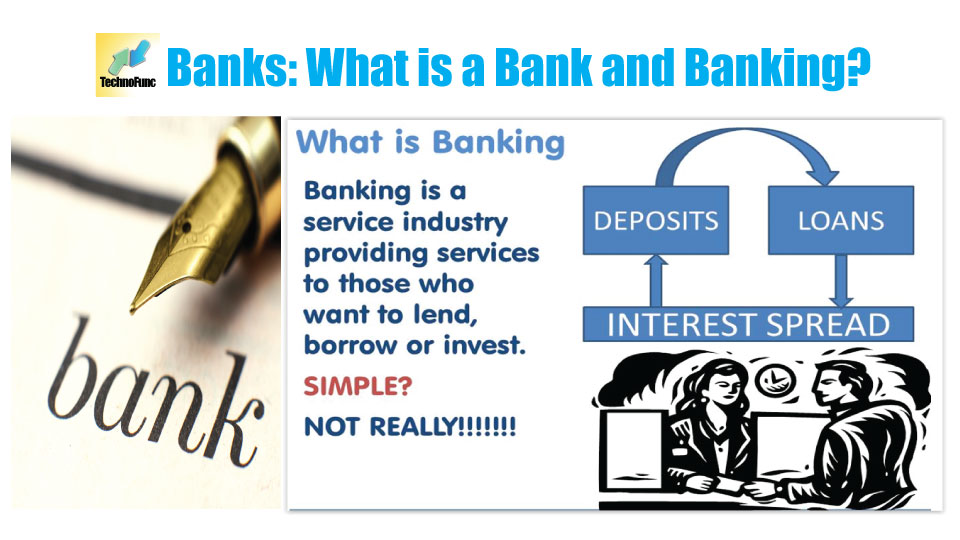
- Deposits (Mobilization of Savings): Banks collect funds from individuals and businesses in the form of checking accounts, savings accounts, certificates of deposit (CDs), and money market accounts. These deposits are the raw material for a bank’s lending activities. By offering interest on savings and providing secure, accessible ways to manage funds, banks incentivize individuals to save, pooling vast sums of capital that would otherwise remain idle.
- Lending (Capital Allocation): This is perhaps the most visible function of banking. Banks provide various types of credit, including personal loans, mortgages, business loans, lines of credit, and credit cards. Through lending, banks channel pooled savings into productive investments, enabling individuals to purchase homes, students to pursue education, and businesses to expand, innovate, and create jobs. The interest charged on these loans is a primary source of bank revenue.
- Payment Processing (Facilitating Transactions): Banks are indispensable for the smooth flow of money in an economy. They provide mechanisms for individuals and businesses to make and receive payments efficiently, whether through checks, debit cards, credit cards, wire transfers, automated clearing house (ACH) payments, or digital payment platforms. This payment infrastructure is fundamental for daily commerce, domestic transactions, and international trade, ensuring that money can move securely and quickly between parties.
Types of Banks and Their Specialized Services
The banking sector is not a monolith; it comprises a diverse array of institutions, each with its own focus, customer base, and specialized services. Understanding these distinctions is key to appreciating the breadth of the financial landscape.
Commercial Banks: The Everyday Financial Partner
Commercial banks are the most common type of bank and are what most people think of when they hear the word “bank.” They primarily serve individuals (retail banking) and small to medium-sized businesses (business banking). Their services include offering checking and savings accounts, issuing debit and credit cards, providing personal loans, auto loans, and mortgages, and offering basic business banking services like payroll management and treasury solutions. Their focus is on high-volume, relatively standardized transactions and services, making them accessible and integral to daily financial life. They aim to cater to the broad financial needs of the general public and local enterprises.
Investment Banks: Navigating the Capital Markets
In stark contrast to commercial banks, investment banks primarily serve corporations, governments, and institutional investors. Their specialization lies in capital markets and financial advisory services. Key functions include underwriting new stock and bond issues (helping companies raise capital), facilitating mergers and acquisitions (M&A) by advising on deals and valuations, providing trading services for various financial instruments, and offering strategic financial advice. While they don’t typically take deposits from the general public, their role is crucial in allocating large-scale capital, enabling significant corporate growth and restructuring that shape industries and global markets.
Central Banks: The Regulators and Economic Stabilizers
Every major economy has a central bank, an independent governmental or quasi-governmental institution that plays a unique and paramount role. Central banks are not commercial entities; they do not serve individuals or businesses directly. Instead, they are the “banks for banks” and the government’s banker. Their primary responsates include formulating and implementing monetary policy (e.g., setting interest rates, controlling money supply) to maintain price stability, maximize employment, and promote sustainable economic growth. They also oversee and regulate the financial system to ensure stability, act as a lender of last resort to commercial banks during crises, and manage the nation’s foreign exchange reserves. Institutions like the Federal Reserve in the U.S., the European Central Bank, and the Bank of England are prime examples of central banks.
Other Specialized Institutions: Credit Unions, Online Banks, and Development Banks
Beyond these broad categories, the financial sector features several specialized institutions. Credit unions are member-owned cooperative financial institutions, often focused on local communities or specific affiliations. Unlike traditional banks, their profits are returned to members in the form of lower loan rates, higher savings rates, and fewer fees. Online banks (or neobanks) operate almost exclusively digitally, lacking physical branches. They leverage technology to offer competitive rates and innovative digital tools, appealing to tech-savvy consumers seeking convenience and lower costs. Development banks, often government-backed, focus on providing financing for specific economic development projects, typically in developing countries or underserved regions, with a focus on long-term growth rather than short-term profit. These diverse entities underscore the breadth of financial needs that the banking sector endeavors to meet.
How Banks Impact Personal and Business Finance
The influence of banks permeates nearly every aspect of financial life, acting as indispensable partners for both individuals striving for financial security and businesses aiming for growth.
For Individuals: Managing Wealth and Achieving Financial Goals
For the average person, banks are central to managing daily finances and planning for the future. They provide the secure infrastructure for savings and checking accounts, enabling individuals to store money safely, pay bills, and manage everyday transactions. Loans and mortgages from banks are often the only realistic pathway for significant life purchases, such as buying a home, financing a car, or funding higher education. Beyond basic services, banks offer avenues for investing through their wealth management divisions, helping individuals grow their assets through stocks, bonds, and mutual funds. Many banks also provide budgeting tools and financial advice, empowering customers to achieve financial goals, whether it’s saving for retirement, a child’s education, or a dream vacation. Without banks, the complexities of personal finance would be significantly amplified, limiting access to credit and secure asset management.
For Businesses: Fueling Growth and Managing Operations
For businesses, banks are critical enablers of growth, innovation, and day-to-day operations. Access to business loans and lines of credit from banks is essential for startups to launch, for existing companies to expand, purchase equipment, or manage inventory, and for stable businesses to weather economic downturns. Banks provide crucial treasury management services, helping companies optimize cash flow, manage working capital, and streamline payment processes, which is vital for operational efficiency. For companies involved in international trade, banks offer trade finance solutions such as letters of credit and foreign exchange services, facilitating global transactions and mitigating risks. From managing payroll to securing large-scale project financing, banks are fundamental partners in the business lifecycle, providing the capital and infrastructure necessary for commercial success and job creation.
The Ecosystem of Financial Services: Interconnectedness
Banks are often at the heart of a broader financial ecosystem, serving as hubs for a variety of interconnected services. While they may directly offer banking products, they also frequently facilitate access to other financial offerings, either through partnerships or directly owned subsidiaries. This includes insurance products (life, home, auto), investment advisory services, retirement planning, and trust services. This interconnectedness means that individuals and businesses can often manage a significant portion of their financial needs through a single, integrated platform or relationship, simplifying financial management and providing holistic solutions. Banks, therefore, are not just isolated entities but vital conduits that connect consumers and businesses to a vast array of financial tools and expertise.
The Regulatory Landscape and Trust in Banking
Given their pivotal role in the economy, banks operate under a stringent regulatory framework designed to ensure stability, protect consumers, and maintain confidence in the financial system. This oversight is crucial, especially in light of historical financial crises.
Ensuring Stability: The Role of Regulation and Supervision
Banking is one of the most heavily regulated industries globally. Regulators, typically central banks and dedicated financial authorities, impose rules concerning capital adequacy (how much capital banks must hold), liquidity (their ability to meet short-term obligations), and risk management practices. These regulations, like the Basel Accords internationally, aim to prevent bank failures and contagion, thereby safeguarding the entire financial system. Furthermore, deposit insurance schemes (such as the FDIC in the U.S.) protect depositors’ money up to a certain limit, preventing bank runs and bolstering public trust. Consumer protection laws also regulate lending practices, ensuring fairness and transparency in interactions between banks and their customers. This rigorous oversight is a continuous balancing act between fostering innovation and mitigating systemic risks.
Navigating Risks: Financial Crises and Resiliency
Banks are inherently exposed to various risks, including credit risk (borrowers defaulting), market risk (fluctuations in asset prices), operational risk (failures in internal processes), and systemic risk (the risk of a cascading failure across the financial system). History is replete with examples of financial crises, from the Great Depression to the 2008 global financial crisis, often stemming from excessive risk-taking, insufficient regulation, or asset bubbles. These events underscore the fragility of the financial system and the critical need for robust regulatory frameworks and proactive risk management within banks themselves. Post-crisis reforms have aimed to build greater resiliency, requiring banks to hold more capital, conduct stress tests, and establish clearer resolution mechanisms for failing institutions, minimizing taxpayer burden.
Building and Maintaining Trust: Transparency and Ethics
At its heart, banking is a business built on trust. Individuals and businesses entrust banks with their most valuable assets, expecting security, integrity, and sound management. Maintaining this trust requires unwavering commitment to transparency, ethical conduct, and stringent compliance. This involves clear communication about fees, interest rates, and product terms, robust measures against fraud and cybercrime, and strict adherence to anti-money laundering (AML) and know-your-customer (KYC) regulations. Banks that prioritize customer relationships, demonstrate corporate social responsibility, and act with integrity are more likely to earn and retain the confidence of their stakeholders, which is invaluable in an industry where reputation can make or break an institution.
The Future of Banking: Innovation and Adaptation
The banking sector is currently undergoing a profound transformation, driven by technological advancements, evolving consumer expectations, and a dynamic global landscape. The question “what bank is” continues to evolve with these forces.
Digital Transformation: The Rise of Fintech and Neobanks
The digital revolution has reshaped banking profoundly. Online banking and mobile apps are now standard, offering unparalleled convenience for managing accounts, making payments, and applying for loans. The rise of Fintech (Financial Technology) companies has introduced innovative solutions in areas like payments, lending, and wealth management, often challenging traditional banks with their agility and specialized focus. Neobanks, digital-only banks without physical branches, are gaining traction by leveraging AI, machine learning, and blockchain technology to offer highly personalized services, lower fees, and seamless user experiences. These advancements are pushing traditional banks to invest heavily in digital infrastructure, embrace data analytics, and integrate new technologies to remain competitive and relevant in an increasingly digital world.
Shifting Consumer Expectations: Convenience and Personalization
Today’s consumers, particularly younger generations, expect banking services to be as seamless, intuitive, and personalized as their interactions with other digital platforms. They demand instant access, real-time insights into their finances, and tailored product recommendations. This shift is forcing banks to move beyond generic offerings, focusing on hyper-personalization powered by AI, providing proactive financial advice, and integrating banking services into broader lifestyle platforms. The future of banking will likely involve more embedded finance, where financial services are seamlessly integrated into non-financial applications and purchasing experiences, making banking almost invisible but omnipresent.

Global Challenges and Opportunities: Sustainability and Financial Inclusion
Looking ahead, banks face significant global challenges and opportunities. Sustainability is becoming a key driver, with increasing pressure from regulators, investors, and customers for banks to integrate Environmental, Social, and Governance (ESG) factors into their lending, investment, and operational decisions. This includes financing green projects, assessing climate-related risks, and promoting ethical supply chains. Simultaneously, financial inclusion remains a critical global goal. Banks have a vital role to play in extending access to financial services to underserved populations, both domestically and in developing countries, leveraging digital technologies to reach remote areas and provide affordable, accessible banking solutions. The future bank will not only be technologically advanced but also socially conscious and environmentally responsible, adapting its mission to address broader societal needs while continuing to facilitate economic growth.
In conclusion, “what a bank is” is a dynamic and evolving definition. From ancient moneylenders to modern fintech powerhouses, banks have consistently adapted their roles as critical financial intermediaries. They are the bedrock of personal financial stability, the engine of business growth, and the guardians of economic order, navigating a complex landscape of risk and regulation. As technology continues to advance and societal needs shift, banks will undoubtedly continue their transformation, remaining an indispensable cornerstone of modern finance, albeit in increasingly innovative and integrated forms.
aViewFromTheCave is a participant in the Amazon Services LLC Associates Program, an affiliate advertising program designed to provide a means for sites to earn advertising fees by advertising and linking to Amazon.com. Amazon, the Amazon logo, AmazonSupply, and the AmazonSupply logo are trademarks of Amazon.com, Inc. or its affiliates. As an Amazon Associate we earn affiliate commissions from qualifying purchases.