
To understand the colossal entity that Amazon is today, a company that has fundamentally reshaped global commerce, technology, and consumer expectations, one must journey back to its humble beginnings. The question “where did Amazon start?” isn’t merely a geographical query; it’s an exploration into the very DNA of a brand that has become synonymous with convenience, innovation, and an almost limitless array of products and services. For any student of brand strategy or corporate identity, Amazon’s origin story is a foundational case study, revealing how a clear vision, relentless customer focus, and strategic diversification can transform a nascent idea into an indelible global brand.

From Garage to Global Giant: The Early Vision and Brand Mission
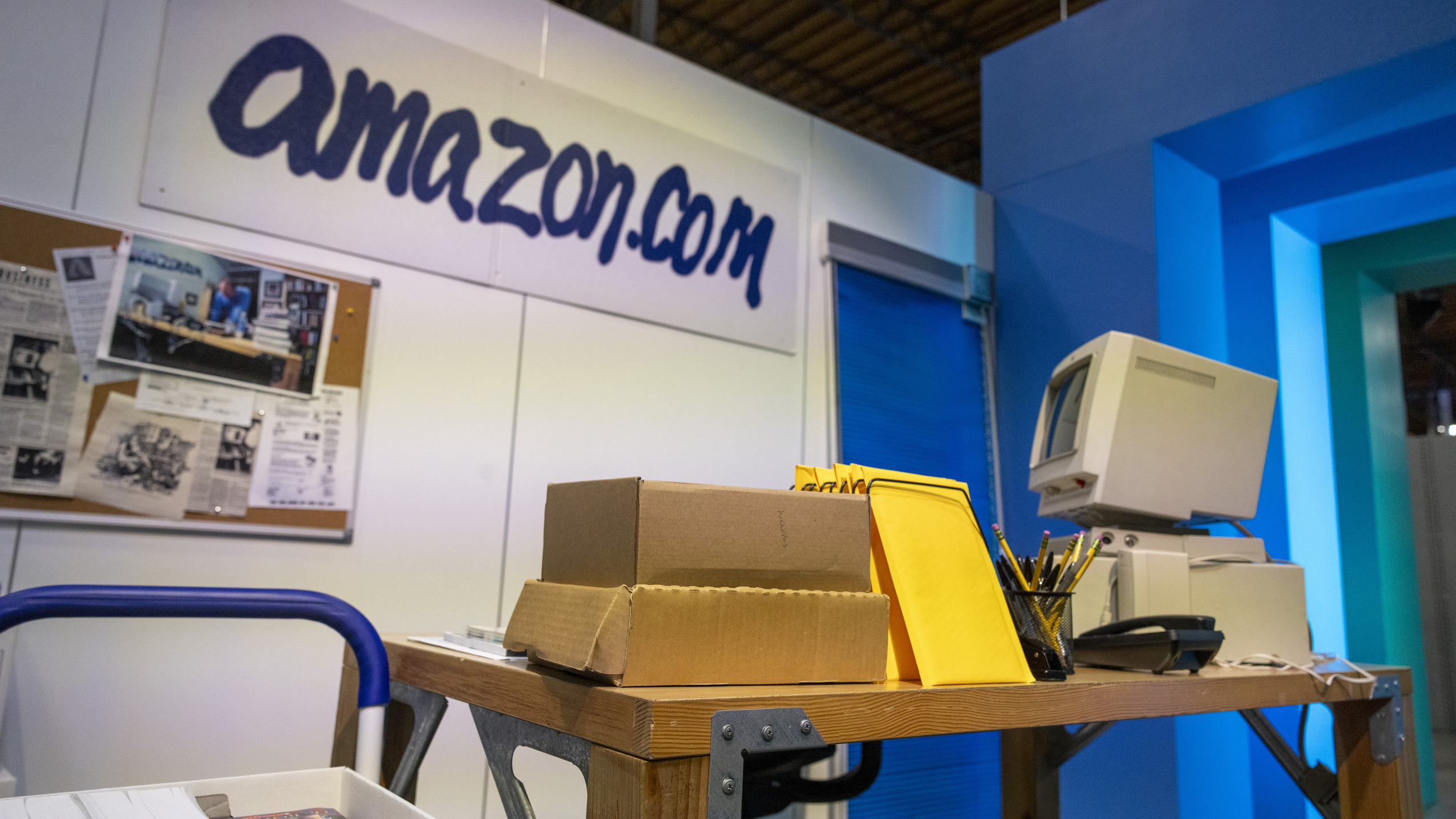
Every iconic brand has an origin myth, and Amazon’s begins not in a glittering corporate headquarters, but in a garage in Bellevue, Washington. This seemingly modest start belies the audacious vision that would propel it to unparalleled heights. Understanding this foundational period is critical to grasping Amazon’s enduring brand mission.
The Incubation: A Bookworm’s Dream in a Seattle Garage
The year was 1994, and Jeff Bezos, then a high-flying vice president at the D.E. Shaw & Co. hedge fund, made a momentous decision. Confronted with the burgeoning potential of the internet—which was growing at an astounding 2,300% per year—Bezos saw an opportunity too significant to ignore. He famously employed his “regret minimization framework,” envisioning himself at 80 years old, looking back with regret for not having participated in the internet revolution. He left his lucrative Wall Street career, driving cross-country from New York to Seattle, formulating his business plan along the way.
His initial strategy was brilliantly simple: identify a product category that could benefit most from the internet’s virtually unlimited shelf space. After considering various options like software, music, and videos, Bezos landed on books. Books were low-cost, universally demanded, and existed in such vast numbers that a physical store could never stock more than a fraction of available titles. An online bookstore, however, could offer “all the books in print.”
The company was incorporated on July 5, 1994, initially under the name “Cadabra,” but quickly changed after a lawyer misheard it as “cadaver.” Bezos then considered “Relentless.com,” a name that still redirects to Amazon.com today, indicative of his aggressive business philosophy. Ultimately, he settled on “Amazon,” inspired by the Amazon River, the largest river in the world, symbolizing the vastness and scale he envisioned for his online store. This name choice was a masterful stroke of early branding—evoking grandeur, diversity, and an aspiration to be the world’s largest. The iconic “A to Z” smile logo, appearing years later, would perfectly encapsulate this initial ambition.
Customer Obsession: The Unwavering Brand Pillar from Day One
From the very beginning, Bezos instilled a culture of “customer obsession” that would become the central pillar of Amazon’s brand identity. This wasn’t merely a corporate slogan; it was an operational imperative. In an era where online commerce was nascent and rife with skepticism, building trust and delivering exceptional experiences was paramount.
Early Amazon focused intently on providing detailed product information, facilitating customer reviews, and pioneering features like 1-Click ordering. Bezos famously kept an empty chair in meetings, representing “the customer,” ensuring that every decision was made with their best interests in mind. This commitment to working backward from the customer’s needs and desires helped Amazon differentiate itself in a crowded retail landscape, even as it expanded its offerings. It built a reputation for reliability, convenience, and a seemingly endless selection, fostering a powerful brand loyalty that few competitors could match. This unwavering focus on the customer experience is arguably the most consistent and powerful element of Amazon’s brand strategy from its inception to the present day.
The Brand’s Formative Years: Scaling Beyond Books
The early success with books demonstrated the immense potential of Amazon’s model, but Bezos always envisioned something far grander than an online bookstore. The conscious decision to scale beyond books marked a pivotal moment in Amazon’s brand evolution, solidifying its trajectory towards becoming the “Everything Store.”
Expanding the Catalogue: The “Everything Store” Vision Takes Shape
Within a few years of its founding, Amazon began its aggressive diversification. By 1998, it was selling music and videos, and soon after, electronics, toys, and home improvement items. This rapid expansion was not haphazard; it was a deliberate execution of the “Everything Store” vision. The brand message consistently revolved around offering unprecedented selection and unparalleled convenience, positioning Amazon as the ultimate destination for virtually any consumer need.
This strategy was critical for Amazon’s long-term brand building. By expanding into diverse categories, Amazon not only captured a larger share of consumer spending but also reinforced its brand promise of being the most comprehensive online retailer. This aggressive “get big fast” mentality, though criticized by some at the time for prioritizing growth over short-term profitability, laid the groundwork for Amazon’s future dominance and cemented its brand identity as a one-stop shop. It broadened Amazon’s appeal and made it an indispensable part of millions of households.
Cultivating Brand Trust in a Nascent Digital Era
The late 1990s and early 2000s were a challenging period for e-commerce. Internet speeds were slow, security concerns were prevalent, and many consumers were wary of buying products online from unfamiliar entities. Amazon’s ability to cultivate trust during this skeptical era was a testament to its foundational brand strategy.

Amazon focused intensely on robust customer service, reliable shipping, and transparent communication. It invested in secure payment processing and clear return policies, directly addressing the anxieties of early online shoppers. Each successful transaction, each positive review, and each on-time delivery reinforced Amazon’s brand promise of reliability and trustworthiness. Word-of-mouth played a crucial role, as early adopters shared their positive experiences, gradually eroding public skepticism. This painstaking process of building trust, one customer at a time, allowed Amazon to establish a reputable and dependable brand image that would prove invaluable as the internet matured and competition intensified.
Architectural Branding: Building the Infrastructure for Growth
As Amazon grew, its brand strategy evolved from merely selling products to building an entire ecosystem designed to capture and retain customers. This “architectural branding” involved developing services and infrastructure that would not only support its retail operations but also become standalone brands in their own right, further cementing Amazon’s market position.
The Prime Enigma: Loyalty and Service as Brand Differentiators
The launch of Amazon Prime in 2005 was a watershed moment in Amazon’s branding history. For an annual fee, customers received unlimited free two-day shipping on eligible items. While seemingly a logistical challenge and a potential drain on profits, Prime was a stroke of genius in brand differentiation and customer loyalty.
Prime transformed Amazon from a transactional retailer into an indispensable subscription service. It created a psychological commitment among its members, who, having paid the annual fee, were incentivized to utilize Prime benefits as much as possible to maximize their value. This “all-you-can-eat” model dramatically increased customer engagement and retention, making Prime members Amazon’s most valuable customers. Over time, Amazon bundled more services into Prime—streaming video, music, cloud storage, exclusive deals—further enhancing its perceived value and making it an incredibly “sticky” offering. Prime became a core identifier for the Amazon consumer, a badge of loyalty that signified a deeper relationship with the brand beyond simple purchases.
AWS: The Invisible Brand Powerhouse
Perhaps one of the most unexpected, yet profoundly impactful, branding moves by Amazon was the launch of Amazon Web Services (AWS) in 2006. Initially conceived as an internal tool to manage Amazon’s vast computing infrastructure, AWS was eventually offered to external businesses as a cloud computing service. This decision fundamentally altered Amazon’s corporate brand perception.
AWS positioned Amazon not just as a retailer, but as a leading technology and infrastructure provider. It showcased Amazon’s engineering prowess and innovation, demonstrating that the company was capable of building and scaling complex, enterprise-grade solutions. AWS quickly became the leading cloud platform, powering countless startups, established enterprises, and even government agencies. This diversification into a high-tech, business-to-business service added immense credibility and prestige to the Amazon brand, proving its technological sophistication. It also provided a robust, highly profitable revenue stream that subsidized Amazon’s often razor-thin retail margins, indirectly supporting its aggressive pricing and expansion strategies in the consumer market. AWS transformed Amazon’s brand narrative from merely a seller of goods to a foundational architect of the digital economy itself.
Evolving the Brand Narrative: Innovation and Ecosystem Expansion
Amazon’s brand narrative is one of perpetual evolution, driven by relentless innovation and strategic ecosystem expansion. Its journey from a bookstore to a technology conglomerate showcases a brand unafraid to venture into new territories, often redefining them in the process.
Strategic Acquisitions and Brand Integration
Amazon’s growth has also been fueled by a series of strategic acquisitions that have expanded its market presence and integrated new capabilities into its ever-growing ecosystem. From Zappos (shoes) and Whole Foods Market (groceries) to Ring (smart home security) and Twitch (live streaming), each acquisition has served a specific brand purpose.
These acquisitions allowed Amazon to quickly enter new industries, acquire valuable customer bases, and integrate specialized expertise. The challenge, however, has always been to maintain brand consistency while incorporating diverse identities. Amazon has largely succeeded by integrating acquired brands into its logistical and technological infrastructure, while sometimes allowing them to retain a degree of their original brand identity (e.g., Whole Foods still operates under its own brand, but benefits from Prime integration). This strategy has enabled Amazon to broaden its appeal, deepen its reach into various aspects of consumers’ lives, and reinforce its overall brand promise of comprehensive convenience.
From E-commerce to AI and Beyond: The Future of the Brand
Today, Amazon’s brand extends far beyond its original e-commerce roots. The introduction of Alexa and Echo devices brought Amazon into the smart home, embedding its AI-powered voice assistant directly into daily life. Innovations in logistics, such as robotics and drone delivery, continue to push the boundaries of efficiency and convenience, reinforcing its cutting-edge image. More recently, Amazon has committed to sustainable branding initiatives through its “Climate Pledge,” aiming for net-zero carbon by 2040, a move crucial for its brand reputation in an increasingly environmentally conscious world.
The Amazon brand continues to evolve, facing new challenges such as regulatory scrutiny, labor relations, and public perception regarding its vast market power. Yet, its foundational principles of customer obsession, innovation, and long-term vision remain at its core. The brand’s journey from a small online bookstore to a global technology and retail behemoth is a testament to a strategic vision that has consistently prioritized growth, customer value, and an audacious willingness to disrupt and redefine industries.
In essence, “where Amazon started” was not just a physical location, but a mental space defined by an expansive vision for the future of commerce and a deep-seated commitment to the customer. This powerful combination laid the groundwork for one of the most impactful and enduring brands of our time, a true masterclass in corporate identity and strategic growth.
aViewFromTheCave is a participant in the Amazon Services LLC Associates Program, an affiliate advertising program designed to provide a means for sites to earn advertising fees by advertising and linking to Amazon.com. Amazon, the Amazon logo, AmazonSupply, and the AmazonSupply logo are trademarks of Amazon.com, Inc. or its affiliates. As an Amazon Associate we earn affiliate commissions from qualifying purchases.