
The question “how much is 1 share of Apple?” is one of the most frequently asked queries in the world of personal finance and investing. It’s a gateway question for many aspiring investors, representing a desire to engage with one of the globe’s most iconic and valuable companies. While the immediate answer is a fluctuating dollar amount, the true value of understanding Apple’s stock (ticker: AAPL) goes far beyond its real-time market price. It encompasses a deep dive into market dynamics, corporate fundamentals, investor sentiment, and the practicalities of equity investing. This article will unravel the complexities behind Apple’s stock valuation, guide you through the investment process, and highlight critical considerations for anyone looking to add this tech titan to their portfolio.
Beyond the Current Price: What Drives Apple’s Stock Value?
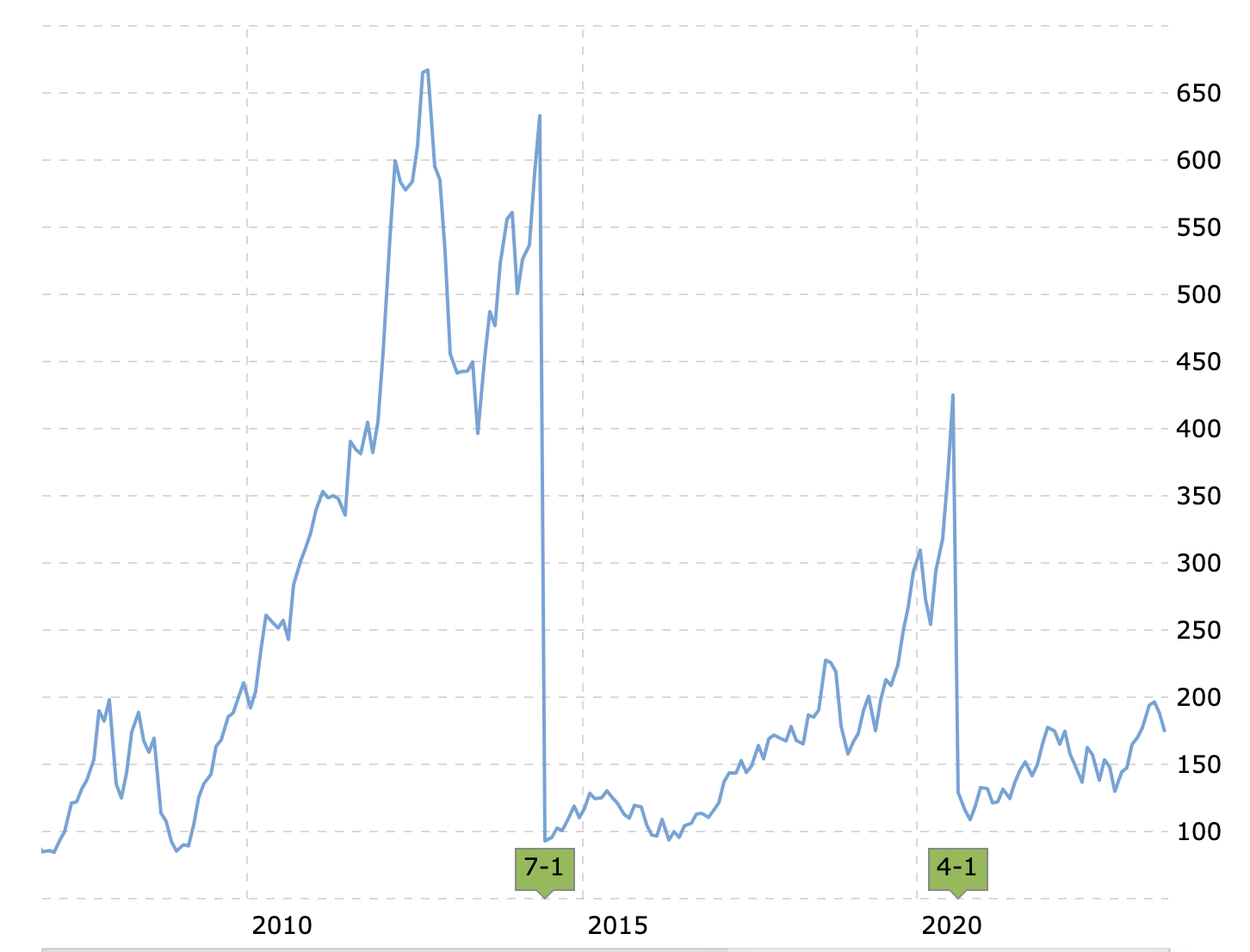
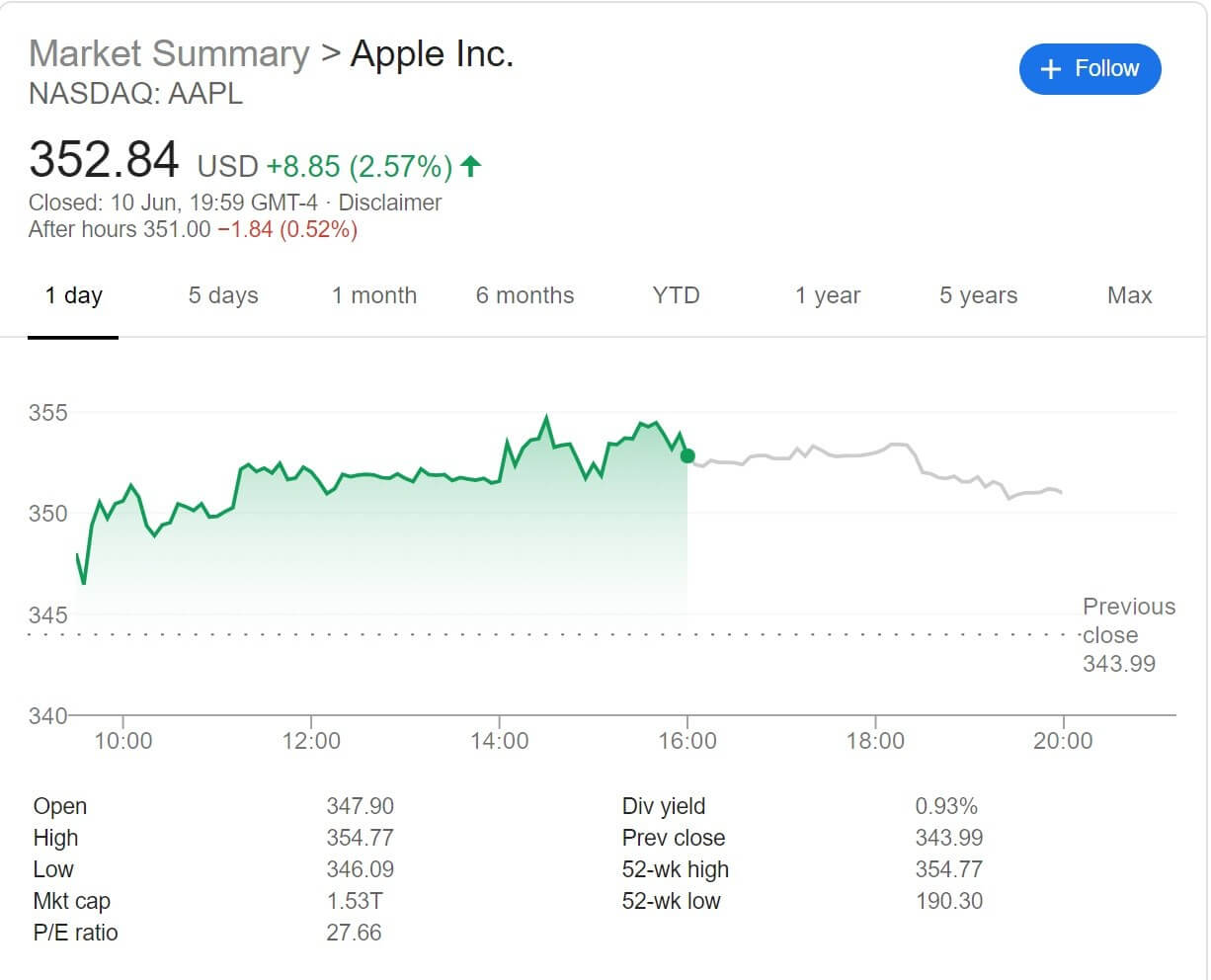
The price you see quoted for one share of Apple stock on any given day is merely a snapshot of supply and demand at that precise moment. However, this figure is the culmination of countless underlying factors that constantly influence its trajectory. Understanding these drivers is crucial for making informed investment decisions, rather than just reacting to daily fluctuations.
Market Dynamics and Supply & Demand
At its most fundamental level, the price of any stock, including Apple’s, is determined by the interplay between buyers and sellers. When more investors want to buy Apple shares than sell them, demand outstrips supply, pushing the price up. Conversely, if more investors are looking to sell, increasing supply, the price tends to fall. This dynamic is influenced by a multitude of factors, from breaking news about the company to broader market sentiment, and even algorithmic trading. Institutional investors, such as mutual funds, hedge funds, and pension funds, account for a significant portion of trading volume, and their buying and selling decisions can have a profound impact on AAPL’s price.
Company Fundamentals and Financial Health
While market forces dictate the immediate price, the long-term value of Apple’s stock is intrinsically tied to the company’s financial health and operational performance. Key financial metrics that investors scrutinize include:
- Revenue Growth: How much money Apple is generating from its product and service sales. Consistent growth signals a healthy, expanding business.
- Profitability (Net Income & Earnings Per Share – EPS): How much profit Apple retains after all expenses. EPS is particularly important as it represents the portion of a company’s profit allocated to each outstanding share of common stock.
- Gross Margin: The percentage of revenue left after deducting the cost of goods sold, indicating efficiency in production.
- Cash Flow: The cash generated by Apple’s operations, investments, and financing activities. Strong cash flow is vital for reinvestment, dividends, and share buybacks.
- Balance Sheet Strength: Assets (what Apple owns) versus liabilities (what Apple owes). A strong balance sheet indicates financial stability and resilience.
- Debt Levels: While some debt can be strategic, excessive debt can be a red flag.
- Innovation Pipeline: Future products and services, such as the Vision Pro, or advancements in AI, are critical for sustained growth.
Investors constantly analyze these fundamentals to project Apple’s future earnings and growth prospects, which in turn heavily influence their willingness to buy or sell shares.
Investor Sentiment and Market Perception
Beyond hard numbers, investor sentiment plays a significant role. This refers to the overall attitude of investors toward a particular stock or the market as a whole. Positive news (e.g., strong iPhone sales, successful product launches, favorable analyst upgrades, robust quarterly earnings) can fuel optimism, driving prices up. Conversely, negative news (e.g., supply chain issues, regulatory scrutiny, competitive threats, a slowdown in a key market) can trigger pessimism and downward pressure on the stock. Analyst ratings, media coverage, and even social media chatter can collectively shape this perception, sometimes leading to overreactions or irrational exuberance.
Broader Economic Conditions
Apple’s stock price doesn’t exist in a vacuum. It’s also affected by macro-economic factors. Interest rates set by central banks can influence borrowing costs for companies and the attractiveness of alternative investments (like bonds). Inflation can erode purchasing power and increase operational costs. Recessions or periods of economic uncertainty can lead to reduced consumer spending, impacting Apple’s sales, and often trigger a broader market sell-off. Global geopolitical events, trade policies, and currency fluctuations can also introduce volatility and risk, affecting Apple’s international operations and profitability.
Deconstructing Apple’s Investment Appeal (AAPL)
Apple’s consistent presence among the world’s most valuable companies is no accident. Its investment appeal stems from a powerful combination of innovation, brand loyalty, diverse revenue streams, and robust financial management.
A Legacy of Innovation and Brand Power
Apple has built an unparalleled brand based on design, user experience, and a perception of premium quality. Its ecosystem – encompassing hardware (iPhone, Mac, iPad, Apple Watch), software (iOS, macOS), and services (App Store, Apple Music, iCloud) – creates a powerful network effect that fosters customer loyalty and makes switching to competitors less appealing. This brand power allows Apple to command premium pricing and maintain high margins, translating into consistent profitability. The company’s relentless pursuit of innovation, from the original Macintosh to the iPhone and now the Vision Pro, ensures it remains at the forefront of technological advancement.
Diverse Revenue Streams
While the iPhone remains its flagship product, Apple has successfully diversified its revenue streams. The “Services” segment, including the App Store, Apple Music, Apple Pay, iCloud, and Apple TV+, has become a high-margin, rapidly growing business that provides recurring revenue. Wearables, Home, and Accessories (AirPods, Apple Watch) also represent a significant and growing category. This diversification reduces reliance on any single product, making the company more resilient to market shifts and competitive pressures.
Financial Strength and Shareholder Returns
Apple is renowned for its immense cash reserves and strong free cash flow, which it strategically deploys for future growth and shareholder returns. The company regularly engages in share buybacks, which reduce the number of outstanding shares and can boost earnings per share, often supporting the stock price. Apple also pays a quarterly dividend, providing investors with a steady income stream, albeit a relatively modest one compared to some other mature companies. This combination of growth prospects, capital allocation, and shareholder returns makes AAPL attractive to a wide range of investors.
Growth Vectors and Future Prospects
Apple continues to explore new avenues for growth. Emerging markets offer significant potential for iPhone and services adoption. The company is investing heavily in new technologies like augmented reality (AR) and artificial intelligence (AI), as evidenced by the Vision Pro. Expansion of its services offerings and continued innovation in its core product lines are expected to drive future revenue and profit growth. Furthermore, Apple’s commitment to privacy and sustainability resonates with an increasingly conscious consumer base, potentially strengthening its brand and market position long-term.
How to Invest in Apple Shares: A Step-by-Step Guide
Investing in Apple stock is more accessible than ever, even for those new to the market. Here’s a practical guide to getting started.
Opening a Brokerage Account
The first step is to open an investment account with a brokerage firm. There are numerous online brokers (e.g., Charles Schwab, Fidelity, Vanguard, Robinhood, E*TRADE) that cater to individual investors. When choosing a broker, consider factors like trading fees, platform usability, research tools, customer service, and investment options. You’ll typically need to provide personal information, including your Social Security number, and link a bank account for funding your investments. You can open various account types, such as a taxable brokerage account or tax-advantaged accounts like an Individual Retirement Account (IRA).
Understanding Different Order Types
When you’re ready to buy, you’ll need to decide on your order type:
- Market Order: This instructs your broker to buy or sell shares immediately at the best available current price. While simple, the exact price you pay or receive might differ slightly from what you saw just moments before, especially in fast-moving markets.
- Limit Order: This allows you to set a specific price at which you want to buy or sell. Your order will only execute if the stock reaches that price or better. This gives you more control over the execution price but there’s no guarantee the order will be filled if the stock never hits your specified price.
For most beginners, a market order is sufficient for highly liquid stocks like Apple, but a limit order can be useful if you’re trying to buy at a specific dip.
Fractional Shares: Making Apple Accessible
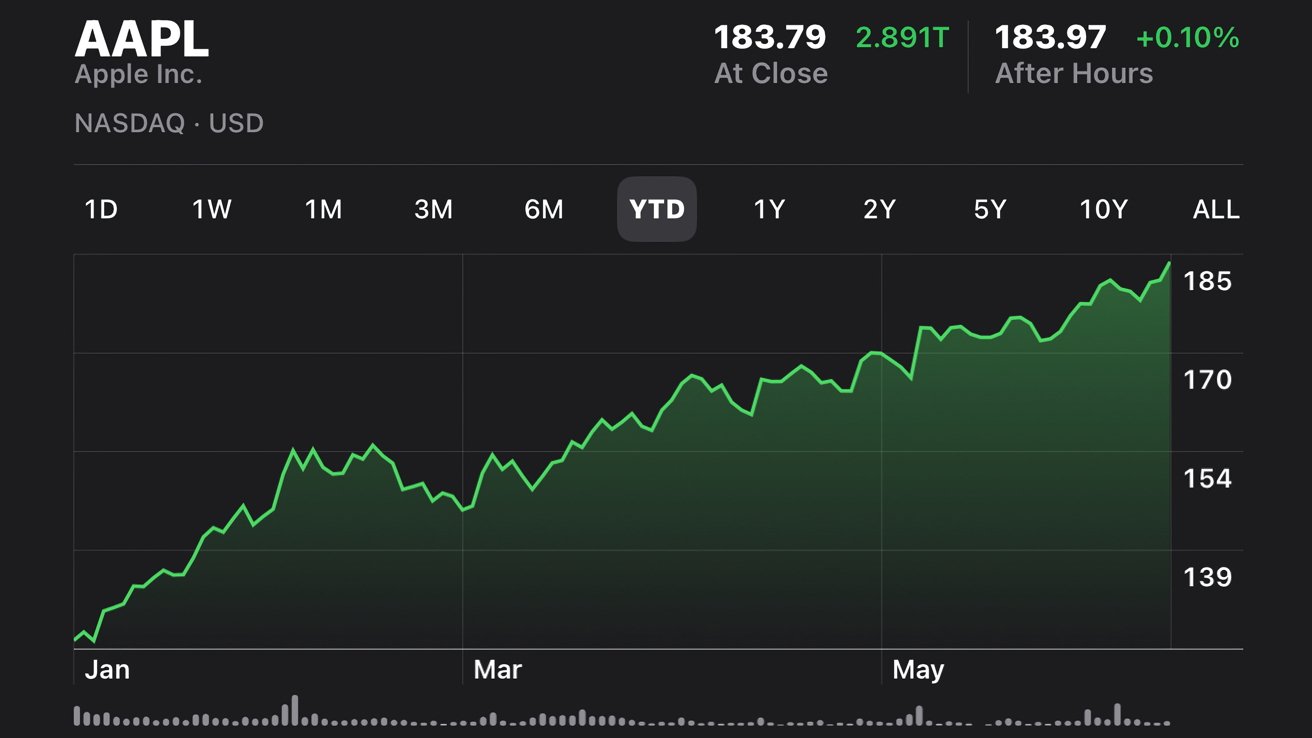
One of the most significant developments in modern investing is the advent of fractional shares. Historically, to buy Apple, you needed enough money to purchase at least one full share. If Apple’s stock price was, say, $180, you needed at least $180. Many brokers now allow you to buy fractions of a share. This means you can invest a specific dollar amount (e.g., $50 or $100) into Apple, even if it’s less than the cost of a full share. This dramatically lowers the barrier to entry, making it easier for new investors to build diversified portfolios with high-priced stocks.
Research and Due Diligence
Before placing any trade, it’s paramount to conduct your own research. Don’t just buy Apple because everyone else is, or because you love their products. Understand why you’re investing in the company. Read Apple’s quarterly earnings reports, investor presentations, and news from reputable financial outlets. Analyze its competitive landscape, management team, and future growth prospects. Does the company align with your investment philosophy and risk tolerance? Informed decisions are always better than speculative ones.
Important Considerations Before Buying AAPL
While Apple’s track record is impressive, investing in any single stock comes with inherent risks and requires a thoughtful approach.
Volatility and Market Risk
No stock, not even Apple, is immune to market volatility. Stock prices can fluctuate significantly day-to-day, week-to-week, or year-to-year due to company-specific news, sector trends, or broader economic shifts. Past performance is never an indicator or guarantee of future results. There’s always a risk that the stock price could decline, and you could lose money.
Diversification is Key
Putting all your investment capital into a single company, no matter how strong, is a high-risk strategy. A diversified portfolio, spread across various companies, industries, and asset classes, helps mitigate risk. If one company or sector underperforms, others might compensate, cushioning the blow. For example, instead of just Apple, consider investing in a mix of tech, healthcare, consumer goods, and financial stocks, or broad market index funds.
Investment Horizon and Goals
Your investment horizon (how long you plan to hold the investment) should align with your financial goals. Are you investing for short-term gains, or are you looking to grow your wealth over decades for retirement? Apple has historically been a strong long-term performer, but short-term trading is inherently more speculative and carries higher risks. Aligning your investment horizon with your goals helps manage expectations and reduces the temptation to make impulsive decisions based on short-term market noise.
Understanding Your Risk Tolerance
Before investing, honestly assess your risk tolerance – how much financial risk you are comfortable taking on. Can you stomach significant drops in your portfolio value without panicking and selling? Your age, financial situation, and personal disposition all play a role in determining your appropriate risk level. Younger investors with a longer time horizon might tolerate more risk, while those nearing retirement might prefer more conservative investments.
Beyond Individual Shares: Alternative Ways to Invest in Apple’s Success
For investors who prefer a broader approach or want less direct exposure to the volatility of a single stock, there are alternative ways to indirectly invest in Apple.
Exchange-Traded Funds (ETFs) and Mutual Funds
Many ETFs and mutual funds hold Apple stock as part of their portfolio. For example, an S&P 500 index fund or an actively managed large-cap growth fund will likely have Apple as one of its top holdings. Investing in such funds provides instant diversification, as you’re owning a small piece of many companies, not just Apple. These funds are professionally managed and can be a great option for passive investors or those looking to minimize single-stock risk.
Index Funds
Specifically, index funds that track broad market indices like the S&P 500 (which includes the 500 largest U.S. companies by market capitalization) or the Nasdaq 100 (which focuses on the 100 largest non-financial companies listed on the Nasdaq exchange) will invariably include Apple. By investing in these funds, you benefit from Apple’s growth without having to pick individual stocks.
Options Trading (Advanced)
For advanced investors with a high risk tolerance and deep understanding of financial instruments, options trading on Apple stock is another possibility. Options contracts give you the right, but not the obligation, to buy or sell Apple shares at a specific price by a certain date. This is a complex strategy that can lead to significant gains but also substantial losses, and it’s generally not recommended for beginners.
In conclusion, knowing “how much is 1 share of Apple” is just the starting point of a much larger financial education. It opens the door to understanding market mechanics, corporate valuation, and personal investment strategies. Apple remains a compelling company due to its robust fundamentals, innovative spirit, and formidable brand. However, prudent investing demands a comprehensive approach: understanding the underlying drivers of its stock price, conducting thorough due diligence, diversifying your portfolio, and aligning your investment decisions with your personal financial goals and risk tolerance. Whether you choose to buy individual shares, invest through funds, or simply learn from its market behavior, Apple offers a fascinating case study in the world of finance.
aViewFromTheCave is a participant in the Amazon Services LLC Associates Program, an affiliate advertising program designed to provide a means for sites to earn advertising fees by advertising and linking to Amazon.com. Amazon, the Amazon logo, AmazonSupply, and the AmazonSupply logo are trademarks of Amazon.com, Inc. or its affiliates. As an Amazon Associate we earn affiliate commissions from qualifying purchases.