
The question “how much for an Apple stock?” seems deceptively simple, yet it opens the door to a complex world of financial markets, corporate valuation, and personal investment strategy. For many, Apple (NASDAQ: AAPL) represents more than just a technology giant; it embodies innovation, brand loyalty, and consistent financial performance, making it a perennial favorite for investors worldwide. However, understanding the true “cost” and value of an Apple share goes far beyond its fluctuating daily price. It involves delving into the company’s fundamentals, market dynamics, future prospects, and how all these elements coalesce to define its investment appeal.
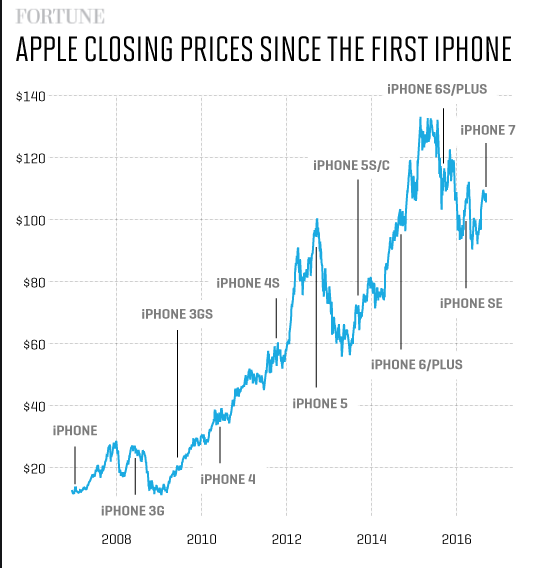
This article will meticulously dissect the various facets that contribute to the price and perceived value of an Apple stock. We’ll move beyond the real-time ticker to explore what truly drives AAPL’s valuation, examine the underlying financial health and growth catalysts of the Cupertino behemoth, provide practical guidance for those considering an investment, and address the inherent risks involved. Our goal is to equip you with a comprehensive understanding, transforming a straightforward query into an informed investment perspective.
Understanding the Price Tag: What Drives AAPL’s Value?
At first glance, the price of an Apple stock is merely a number displayed on a financial screen. However, this single figure is the culmination of countless factors, reflecting both the company’s intrinsic worth and the broader market’s perception. To truly grasp “how much” an Apple stock costs, one must look beyond the immediate quote.
The Current Share Price: A Snapshot in Time
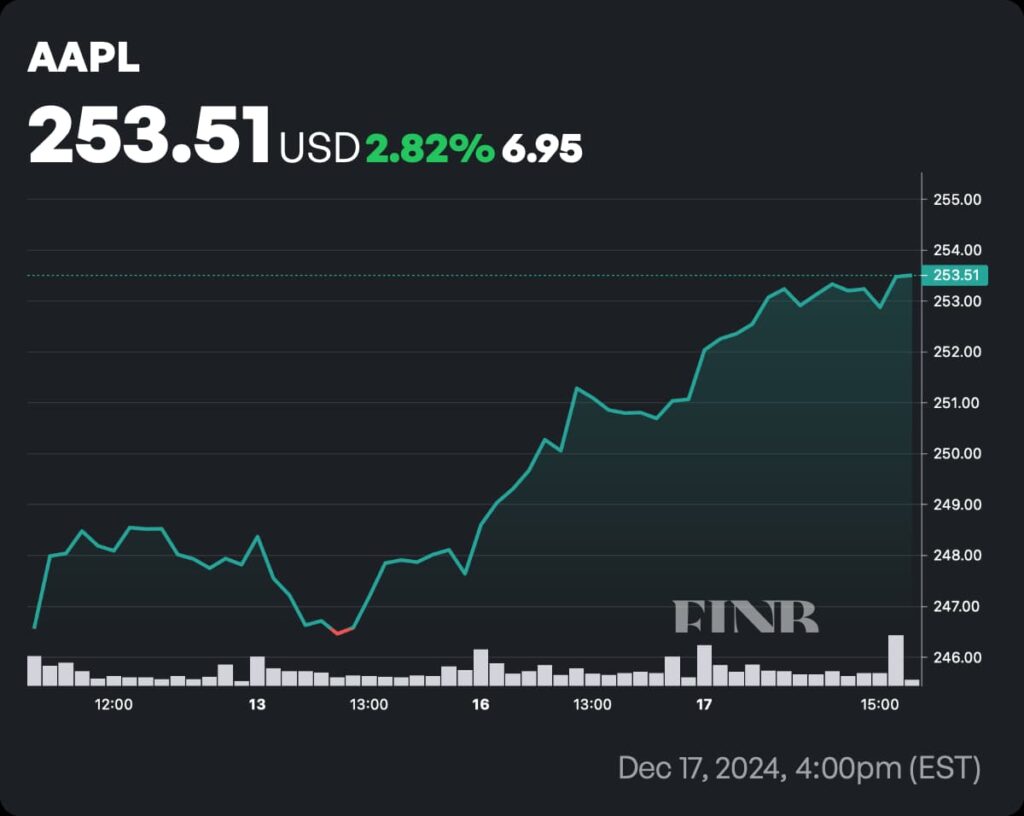
The most direct answer to “how much for an Apple stock” is its current trading price. This figure, often updated in real-time, represents the last price at which a share of Apple stock was bought or sold on a public exchange like the NASDAQ. It’s a dynamic number, constantly shifting based on supply and demand. If more people want to buy Apple stock than sell it, the price tends to rise; conversely, if more want to sell, the price typically falls. This instantaneous price, however, is merely a snapshot. It doesn’t tell you if the stock is undervalued, overvalued, or fairly priced relative to its actual business performance. Moreover, Apple has undergone multiple stock splits over its history, most recently a 4-for-1 split in August 2020. These splits reduce the per-share price, making shares more accessible to a broader range of investors, but they do not change the total value of an investor’s holdings. A lower share price post-split implies the same percentage ownership of the company at a more granular, individual share level.
Beyond the Number: Market Capitalization and Valuation Metrics
While the per-share price is important, a more holistic understanding of Apple’s market value comes from its market capitalization. This is calculated by multiplying the current share price by the total number of outstanding shares. Market capitalization provides a true measure of the company’s size and total value as perceived by the market. For a titan like Apple, its market cap often fluctuates around the multi-trillion-dollar mark, underscoring its immense scale.
Beyond market cap, sophisticated investors utilize a range of valuation metrics to assess whether a stock’s price is justified. Key among these are the Price-to-Earnings (P/E) ratio, which compares the stock price to the company’s earnings per share, and the Price-to-Sales (P/S) ratio, which relates the stock price to revenue per share. A high P/E ratio might suggest investors have high growth expectations, or that the stock could be overvalued relative to its current earnings. Conversely, the PEG ratio (P/E to Growth) factors in expected earnings growth, offering a more nuanced view for rapidly expanding companies. Other metrics like Price-to-Book (P/B), Dividend Yield (if applicable), and Free Cash Flow (FCF) provide further layers of insight, collectively painting a more complete picture of Apple’s financial standing and inherent value proposition.
The Influence of Market Dynamics and Investor Sentiment
The stock market is a complex ecosystem where objective financial data intersects with human psychology and macroeconomic forces. Apple’s stock price is not immune to these external influences. Broad economic indicators like inflation rates, interest rate hikes by central banks, GDP growth, and consumer spending patterns can significantly impact investor confidence and, consequently, stock valuations across the board. Geopolitical events, trade tensions, and global supply chain disruptions also play a crucial role, especially for a company with Apple’s international reach and manufacturing footprint.
Furthermore, industry trends, such as the accelerating adoption of AI, the emergence of new technologies like AR/VR, or shifts in consumer preferences, directly affect how investors perceive Apple’s future relevance and earning potential. Analyst ratings, media coverage, and even social media sentiment can create buzz or trepidation, triggering short-term price swings. Ultimately, the “how much” of an Apple stock reflects not just Apple’s internal performance, but also the collective optimism or pessimism of millions of investors operating within a dynamic global financial landscape.
Decoding Apple’s Financial Health and Growth Prospects
Investing in Apple is fundamentally a bet on its continued ability to innovate, generate revenue, and maintain profitability. Understanding the company’s financial structure and its avenues for future expansion is paramount to assessing its long-term investment value.
Revenue Streams and Product Diversification
Apple’s financial might stems from its diverse, yet integrated, product ecosystem. While the iPhone remains its flagship product and largest revenue contributor, generating substantial sales globally, the company has successfully diversified its revenue streams. The Mac and iPad lines continue to hold strong positions in their respective markets, catering to a loyal professional and creative user base. Perhaps most critically, Apple’s “Wearables, Home, and Accessories” segment (including Apple Watch, AirPods, and HomePod) has seen explosive growth, consistently outperforming expectations.
However, the most strategic shift in recent years has been the robust expansion of Apple’s Services division. This segment, encompassing the App Store, Apple Music, iCloud, Apple TV+, Apple Arcade, Apple Pay, and Apple Fitness+, now generates tens of billions in annual revenue, boasting high-margin and recurring income streams. The growth in services revenue not only diversifies Apple’s income but also strengthens its ecosystem lock-in, making it harder for users to switch to competing platforms, thereby underpinning long-term customer value. This diversification mitigates reliance on any single product cycle and provides a more stable foundation for future growth.
Financial Performance and Profitability
A deep dive into Apple’s financial statements reveals a company characterized by impressive scale and consistent profitability. Key indicators like revenue growth, gross profit margins, operating income, and net income consistently showcase Apple’s ability to command premium pricing and manage its costs effectively. The company regularly reports staggering quarterly and annual revenues, often setting new records. Its gross margins, which reflect the profitability of its products and services after accounting for production costs, are among the best in the industry, particularly bolstered by its high-margin Services business.
Furthermore, Apple’s free cash flow (FCF) is a critical metric for investors. FCF represents the cash a company generates after accounting for cash outflows to support operations and maintain its capital assets. Apple’s robust FCF allows it to fund research and development, pursue strategic acquisitions, return capital to shareholders through massive share buyback programs, and pay dividends – all of which contribute to shareholder value. These consistent financial performances underpin investor confidence and reinforce the perception of Apple as a fundamentally strong, well-managed enterprise.
Innovation Pipeline and Future Growth Catalysts
Apple’s history is synonymous with groundbreaking innovation, and its future valuation heavily relies on its ability to maintain this trajectory. The company continuously invests heavily in research and development, fueling expectations for future products and services. Potential growth catalysts include further advancements in artificial intelligence (AI) across its devices and services, a stronger push into augmented reality (AR) and virtual reality (VR) technologies (with products like the Vision Pro signaling a significant new category), and continued expansion into emerging markets.
The seamless integration of hardware, software, and services remains Apple’s core competitive advantage. Innovations in its proprietary chips (like the M-series and A-series), enhancements to iOS/macOS, and the introduction of new health features through the Apple Watch ecosystem, all contribute to strengthening its brand appeal and customer loyalty. As Apple continues to explore new frontiers in areas such as autonomous systems, health tech, and potentially new form factors, these future innovations are crucial for sustaining its growth narrative and justifying its premium valuation in the eyes of investors.

Investing in Apple: Practical Considerations for Aspiring Shareholders
For those who have assessed Apple’s value proposition and decided to invest, the next step involves practical execution. Understanding the mechanics of buying stock and aligning it with your financial strategy is essential.
Starting Your Investment Journey: Brokerage Accounts and Research
The first step to owning Apple stock is to open a brokerage account. Reputable online brokers like Fidelity, Charles Schwab, Vanguard, E*TRADE, and Robinhood (among many others) provide platforms for individual investors to buy and sell stocks. These accounts can typically be opened online within minutes, requiring personal information, proof of identity, and a linked bank account for funding. Once your account is funded, you can search for Apple using its ticker symbol, AAPL, and place an order to buy shares.
Before making any investment, thorough due diligence is crucial. While this article provides a comprehensive overview, it’s vital to conduct your own research. This includes reviewing Apple’s latest quarterly and annual reports (10-Q and 10-K filings with the SEC), reading reputable financial news, consulting analyst reports, and understanding the company’s competitive landscape. Don’t invest based solely on hype or past performance; future results are not guaranteed.
Different Ways to Own AAPL: Direct Shares vs. ETFs/Mutual Funds
There are generally two primary ways to gain exposure to Apple’s performance. The most direct method is buying individual shares of AAPL stock. This gives you direct ownership and allows you to participate fully in the company’s gains (or losses). It also grants you voting rights as a shareholder, albeit typically for large institutional investors.
Alternatively, you can invest in Apple indirectly through exchange-traded funds (ETFs) or mutual funds that include AAPL in their portfolios. Many broad-market index funds, such as those tracking the S&P 500 or NASDAQ 100, will have a significant weighting in Apple due to its large market capitalization. Sector-specific ETFs focusing on technology or growth stocks will also likely feature Apple prominently. Investing through funds offers instant diversification, spreading your risk across many companies, which can be a more suitable approach for investors who prefer not to research individual stocks extensively or who want to mitigate the risk associated with a single company’s performance.
Long-Term vs. Short-Term Strategy: Why Apple is Often a Long-Term Play
While day trading Apple stock is possible, AAPL is often considered a long-term investment by many financial advisors. A long-term strategy typically involves holding shares for several years or even decades, aiming to benefit from compounding returns, dividends (which Apple pays), and the company’s sustained growth. This approach minimizes the impact of short-term market volatility and allows time for Apple’s innovations and strategic initiatives to bear fruit.
Dollar-cost averaging (DCA) is a popular strategy for long-term investors, where you invest a fixed amount of money at regular intervals (e.g., $100 every month), regardless of the stock price. This strategy helps reduce the average cost per share over time and removes the emotion of trying to “time the market.” For those seeking growth and a steady dividend, Apple’s strong financials and consistent capital returns make it an attractive component of a diversified, long-term investment portfolio.
Navigating the Volatility and Risks of Stock Ownership
Even a company as robust as Apple is not without its risks. Prudent investors acknowledge and understand these potential headwinds before committing their capital. No investment is guaranteed, and a thorough assessment of risks is as important as understanding the growth potential.
Market Fluctuations and Economic Headwinds
Apple’s stock price, like all publicly traded equities, is subject to broader market fluctuations. During periods of economic uncertainty, recessions, or significant geopolitical events, even strong companies can see their stock prices decline. Factors like rising interest rates can make borrowing more expensive for both consumers and businesses, potentially dampening sales of premium products and slowing overall economic growth. Inflation can erode purchasing power, affecting consumer spending habits and impacting Apple’s profit margins through increased operational costs. While Apple’s brand strength and financial reserves offer some resilience, it is not immune to these macroeconomic pressures, which can cause significant, albeit often temporary, drops in its valuation.
Competitive Landscape and Regulatory Challenges
Despite its dominant position, Apple operates in an intensely competitive environment. Rivals like Samsung, Google, Huawei, and various PC manufacturers continuously innovate and vie for market share in hardware. In the services arena, Apple faces stiff competition from Spotify (music), Netflix (video), Microsoft (cloud), and numerous app developers. Sustaining its leadership requires constant innovation and effective marketing to maintain its premium pricing power and customer loyalty.
Furthermore, Apple has faced increasing scrutiny from regulatory bodies worldwide regarding its App Store policies, antitrust practices, and market dominance. Concerns about potential monopolistic behavior, especially concerning its control over app distribution and payment systems, could lead to significant legal challenges, fines, or mandated changes to its business model. Any adverse regulatory rulings could impact its service revenue growth and profitability, posing a substantial risk to investor sentiment and stock performance.
Supply Chain Dependence and Geopolitical Factors
Apple’s extensive global supply chain, particularly its heavy reliance on manufacturing facilities in China, presents both operational and geopolitical risks. Disruptions due to natural disasters, pandemics, labor shortages, or political tensions (such as trade disputes between the U.S. and China) can severely impact production, leading to product delays and missed revenue targets. The company has been actively working to diversify its supply chain away from a single geographic concentration, but this is a complex and long-term endeavor. Geopolitical events can also directly impact market access and consumer demand in key international markets, which represent a significant portion of Apple’s sales. Any escalation in trade wars or diplomatic tensions could directly affect Apple’s ability to operate efficiently and profitably in crucial regions.
Is Apple Stock Right for Your Portfolio? A Concluding Perspective
The answer to “how much for an Apple stock?” extends far beyond a simple dollar figure. It encapsulates a rich tapestry of corporate performance, market sentiment, strategic innovation, and global economic forces. For many, Apple represents a cornerstone investment due to its robust financials, powerful brand, loyal customer base, and diversified growth engines, particularly in its high-margin Services segment.
Aligning with Personal Financial Goals
Before investing in Apple, or any stock, it’s crucial to align it with your personal financial goals. Are you seeking long-term capital appreciation, consistent dividend income, or a blend of both? Do you have a high-risk tolerance, or do you prefer more conservative investments? Apple, with its history of growth and shareholder returns, often appeals to growth-oriented investors with a moderate to high-risk tolerance who are looking for a company with proven resilience and an innovative edge. Understanding your own investment objectives and risk profile is the fundamental starting point.
The Importance of Diversification
While Apple is an undeniably strong company, putting all your investment capital into a single stock, no matter how iconic, is generally not advisable. Diversification is a cornerstone of sound investment strategy. By spreading your investments across different companies, industries, and asset classes, you reduce the overall risk of your portfolio. Even a stellar performer like Apple can experience periods of underperformance or face unexpected challenges. Including Apple as part of a broader, well-diversified portfolio that includes other individual stocks, bonds, and various funds can help mitigate specific company risk and protect your long-term financial health.
Continuous Learning and Monitoring Your Investments
The investment landscape is dynamic, and what holds true today might shift tomorrow. Once you’ve invested in Apple, your journey doesn’t end. Continuous learning and monitoring are vital. Stay updated on Apple’s earnings reports, product launches, competitive developments, and any regulatory news that might affect its operations. Regularly review your portfolio to ensure it still aligns with your financial goals and risk tolerance. Financial markets are constantly evolving, and an informed investor is a prepared investor. Ultimately, owning a piece of Apple is not just about the price you pay, but about the value you perceive and the strategic role it plays in your broader financial future.
aViewFromTheCave is a participant in the Amazon Services LLC Associates Program, an affiliate advertising program designed to provide a means for sites to earn advertising fees by advertising and linking to Amazon.com. Amazon, the Amazon logo, AmazonSupply, and the AmazonSupply logo are trademarks of Amazon.com, Inc. or its affiliates. As an Amazon Associate we earn affiliate commissions from qualifying purchases.