
American Express has long held a distinctive position in the financial world. Known for its premium services, robust rewards programs, and often perceived exclusivity, Amex cards are powerful financial tools for both personal and business use. However, a common question among cardholders and prospective applicants is: “Where exactly is American Express accepted?” This inquiry is more than mere curiosity; it’s a fundamental consideration for anyone managing their personal finances, planning business expenditures, or simply choosing the right payment method for everyday transactions.
While Visa and Mastercard boast near-universal acceptance, American Express has historically navigated a slightly different path, forging a network that, while extensive, often requires a bit more foresight. Understanding the current landscape of Amex acceptance is crucial for maximizing the value of your card, avoiding awkward situations at the checkout, and strategically planning your financial life around this unique issuer. This article will delve into the nuances of Amex acceptance, offering a comprehensive guide to where your card will be welcomed, why some merchants might decline it, and how to leverage its benefits most effectively within your financial strategy.
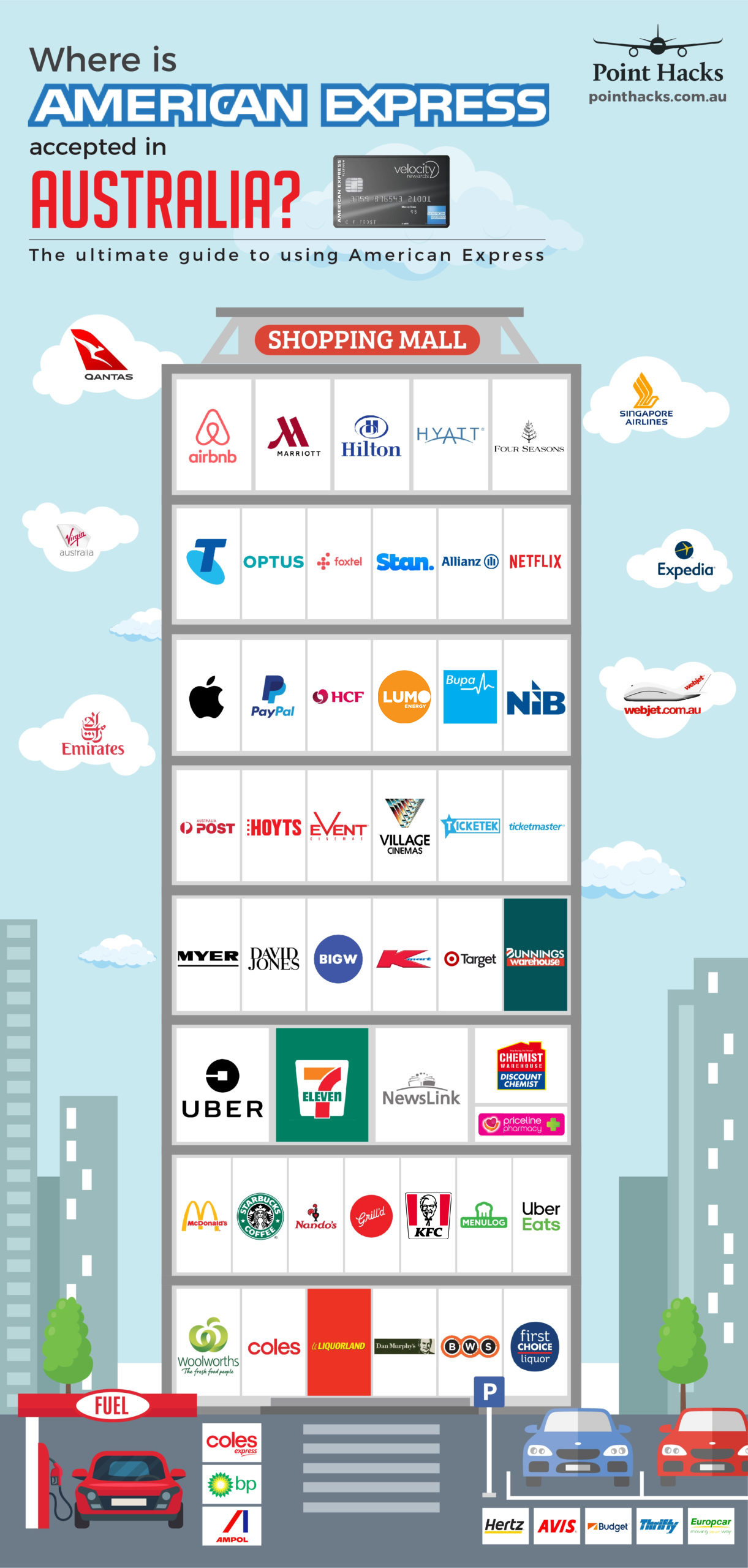
The Evolving Reach of American Express: A Global Perspective
The acceptance footprint of American Express cards has transformed significantly over the decades. What was once viewed as a niche payment option primarily for high-end travel and entertainment is now a far more ubiquitous financial tool, though its global reach still presents distinct patterns compared to its rivals.
Domestic Acceptance: Growing Pains to Widespread Adoption
In the United States, American Express has made tremendous strides in expanding its merchant network. For many years, small businesses, in particular, were hesitant to accept Amex due to higher processing fees compared to Visa and Mastercard. This led to the common sight of “No Amex” signs at local eateries or independent boutiques.
However, Amex recognized this challenge and proactively addressed it. Initiatives like the “OptBlue” program, launched in 2013, significantly lowered processing rates for small and medium-sized businesses (SMBs) using third-party payment processors. This strategic financial move made accepting Amex more economically viable for a vast number of merchants, leading to a substantial increase in its domestic acceptance.
Today, you’ll find American Express widely accepted across major retailers, department stores, supermarkets, gas stations, airlines, hotels, and car rental agencies throughout the U.S. Online shopping, a dominant force in modern commerce, is another arena where Amex enjoys robust acceptance; nearly all major e-commerce platforms and online merchants readily process Amex payments. While there may still be an occasional very small, independent business or a specific service provider (like some dentists or certain government agencies) that doesn’t accept Amex, these instances are becoming rarer. For the vast majority of your everyday personal and business financial transactions in the U.S., an Amex card is a reliable payment option.
International Acceptance: Opportunities and Challenges Abroad
When it comes to international travel and cross-border business, understanding Amex acceptance becomes even more critical for financial planning. The perception that Amex is not widely accepted overseas is partially true, but also increasingly outdated.
American Express maintains a strong presence in major global economies and popular tourist destinations. You can typically use your Amex card without issue in countries like Canada, the United Kingdom, Ireland, Australia, New Zealand, Mexico, and in most Western European nations, especially in larger cities, hotels, international chain stores, and tourist-oriented businesses. Major airlines and international hotel chains across the globe almost universally accept Amex. For business travelers, this means Amex can be a reliable tool for corporate expenses in key business hubs.
However, acceptance can become spottier in certain regions, particularly in parts of Asia (outside of major financial centers like Hong Kong, Singapore, and Japan), Eastern Europe, Africa, and some Latin American countries. In these areas, local payment networks or domestic card brands often dominate, and merchants might be less inclined to pay the higher processing fees traditionally associated with Amex. Smaller towns, local markets, and independent establishments outside of tourist zones are often the places where Amx acceptance might be limited.
For international financial planning, it is always a prudent strategy to carry a backup card (a Visa or Mastercard credit or debit card) and some local currency, especially when traveling to less Amex-friendly regions. Before any international trip, checking the Amex website for an acceptance map or using their “Map It” tool can provide valuable insights into specific merchant acceptance in your destination country, allowing you to manage your travel finances more effectively.
Understanding Merchant Acceptance: Why Some Say Yes, Others No
The decision for a merchant to accept American Express, or any payment card for that matter, is a complex financial calculation. It boils down to weighing the costs of processing transactions against the potential revenue and customer base gained.
Merchant Processing Fees: The Core of the Decision
Historically, the primary reason for limited Amex acceptance was its higher merchant discount rate, commonly referred to as processing fees. When a customer uses a credit card, the merchant pays a percentage of the transaction value to their payment processor, which then distributes funds to the card network (Amex, Visa, Mastercard) and the issuing bank. Amex traditionally operated as both the card issuer and the network, and its fees were generally higher than those charged by Visa and Mastercard.
These higher fees were justified by Amex with the argument that their cardholders are typically more affluent and higher-spending individuals, bringing valuable business to merchants. While this might be true for luxury retailers or high-end restaurants, it was a harder sell for small businesses operating on thin margins, where every percentage point of a transaction counted significantly towards their bottom line.
As mentioned, Amex’s OptBlue program has specifically targeted this issue for SMBs, offering competitive rates through third-party processors. This financial restructuring has leveled the playing field considerably, making it more attractive for smaller businesses to welcome Amex cardholders. For larger merchants, the slight difference in fees is often outweighed by the desire to accommodate all potential customers, especially those with premium cards.
Consumer Base and Business Strategy: A Value Proposition
Beyond just fees, merchants consider the value proposition of accepting American Express cardholders. Businesses catering to corporate clients, affluent travelers, or consumers who frequently use premium services often find accepting Amex to be a strategic financial move. Amex cardholders are known for their loyalty and often seek out establishments that accept their preferred card, particularly to earn rewards or utilize specific card benefits.
For a high-end restaurant or a luxury boutique, the cost of Amex fees is seen as an investment in attracting a valuable customer segment. The brand prestige associated with accepting American Express can also be a subtle marketing benefit, signaling a certain level of service or product quality. Conversely, a discount store or a budget service provider might find that the financial benefits of attracting Amex cardholders do not outweigh the associated processing costs, especially if their target demographic predominantly uses other payment methods.
Ultimately, the decision to accept Amex is integrated into a merchant’s overall business strategy, balancing financial costs with customer acquisition and retention goals.
Payment Terminal Capabilities and Software Integration
From a practical financial standpoint, merchants also need to ensure their point-of-sale (POS) systems and payment processing software are configured to accept American Express. Modern POS systems, especially those using integrated payment processors, typically support all major card networks, including Amex, right out of the box. However, older systems, or those with custom setups, might require specific configuration or updates to process Amex transactions.
For a business, this isn’t usually a prohibitive cost, but it’s an initial setup consideration that falls under their operational budget. Most merchants now use sophisticated payment solutions that seamlessly integrate all card types, simplifying the financial reconciliation and reporting process across various payment networks. Therefore, while a technical consideration, it’s rarely the primary barrier to Amex acceptance in today’s digital financial landscape.
Maximizing Your American Express Card’s Utility: Financial Strategies
Knowing where American Express is accepted isn’t just about avoiding inconvenience; it’s about strategically leveraging your financial tools to maximize benefits, manage expenses, and enhance your overall financial well-being.
Pre-Trip Planning and Everyday Usage Tips
For personal finance and business travel, proactive planning is key. Before an international trip, consult the Amex website or app for their acceptance map to identify merchants in your destination. This allows you to budget accordingly and plan which card to use for specific expenses. For everyday use, while most major establishments in the U.S. accept Amex, it’s always wise to have a backup Visa or Mastercard credit or debit card, especially when visiting smaller, independent businesses or unfamiliar places. A quick glance for Amex decals at the entrance or simply asking “Do you accept American Express?” at the outset of a transaction can save time and potential embarrassment. Remember, having diverse payment options is a cornerstone of sound personal and business financial planning.
Leveraging Amex Benefits Where Accepted
The true financial value of an American Express card often lies in its rich suite of benefits and rewards. By actively seeking out merchants that accept Amex, you can significantly boost your rewards earnings, whether those are cashback, travel points, or membership rewards. Using your Amex for purchases in categories where it offers bonus points (e.g., dining, groceries, airfare) ensures you’re getting the most financial return on your spending.
Furthermore, Amex Offers—special discounts and statement credits available to cardholders for spending at specific merchants—are a powerful financial tool. By linking these offers to your card and making purchases at accepting businesses, you can realize substantial savings on everyday expenses or larger purchases. Beyond rewards, Amex cards often come with valuable financial protections like purchase protection, extended warranty, return protection, and travel insurance, which add a layer of security and potential savings should something go wrong with a purchase or trip. Using your Amex where accepted means fully engaging with these valuable financial safety nets.
American Express as a Business Finance Tool
For small business owners and corporations, American Express business cards are tailored financial instruments designed for expense management, cash flow optimization, and earning rewards on business spending. The widespread acceptance of Amex in the B2B sector, particularly for travel, office supplies, and professional services, makes it an invaluable tool for operational finance.
Businesses often use Amex for supplier payments, managing employee spending, and tracking departmental budgets. Many Amex business cards offer enhanced reporting tools, integration with accounting software, and higher credit limits, all of which contribute to more efficient financial management and improved working capital. By strategically using Amex cards where accepted, businesses can consolidate spending, streamline expense reconciliation, and leverage rewards to offset operational costs or fund future investments.
Beyond Credit Cards: Other American Express Financial Products and Their Acceptance
While credit and charge cards are the most prominent American Express products, the brand also offers other financial tools, each with its own acceptance considerations.
Amex Gift Cards and Prepaid Cards
American Express also issues gift cards and prepaid cards. These products typically run on the Amex payment network and are generally accepted wherever regular American Express credit or charge cards are welcomed. They function much like a debit card, drawing funds from a preloaded balance. However, users should be aware that some smaller merchants might have specific policies regarding gift cards, or technical limitations that prevent processing prepaid cards, even if they accept regular Amex credit cards. Always check the terms and conditions for these products, as they might have specific use cases or restrictions, which is an important financial detail.
The Digital Wallet Integration
In the modern financial landscape, digital wallets like Apple Pay, Google Pay, and Samsung Pay have become increasingly popular. American Express cards integrate seamlessly with these platforms, allowing cardholders to make secure, contactless payments using their smartphones or smartwatches. The key financial point to remember here is that while the payment method is digital, the underlying acceptance still depends on the merchant’s ability to process American Express. If a store accepts Amex and has a contactless payment terminal, you can typically use your Amex card via your digital wallet, making transactions quicker and often more secure. This extends the convenience of Amex acceptance to a digital format, aligning with modern payment trends.

Conclusion
The question “where is American Express accepted?” has an increasingly encouraging answer: in a vast and growing number of places, particularly within the United States and major international markets. While the historical perception of limited acceptance due to higher merchant fees once held sway, American Express has strategically invested in expanding its network, especially with small and medium-sized businesses.
For savvy individuals and businesses managing their finances, understanding Amex acceptance is not just about convenience, but about optimizing financial strategies. By knowing where your Amex card is welcomed, you can effectively maximize rewards, leverage valuable card benefits, streamline business expenses, and make informed payment decisions. While carrying a backup card for certain situations remains a financially prudent move, American Express has solidified its position as a powerful and widely accepted financial tool that offers significant value to its cardholders.
aViewFromTheCave is a participant in the Amazon Services LLC Associates Program, an affiliate advertising program designed to provide a means for sites to earn advertising fees by advertising and linking to Amazon.com. Amazon, the Amazon logo, AmazonSupply, and the AmazonSupply logo are trademarks of Amazon.com, Inc. or its affiliates. As an Amazon Associate we earn affiliate commissions from qualifying purchases.