
Gift cards have become a ubiquitous part of modern commerce, serving as convenient presents, rewards, and even refunds. While they offer immense flexibility and often feel like ‘free money,’ many people treat them with a surprising degree of nonchalance. The reality is that gift cards represent tangible financial value, and understanding how to effectively manage and track their balances is a crucial, yet often overlooked, aspect of personal finance. Failing to check a gift card’s balance can lead to frustrating surprises at the checkout, forgotten funds, or, worse still, the complete loss of their monetary value due to expiry or dormancy fees.
In an era where every penny counts, integrating gift card management into your broader financial strategy is a smart move. This guide delves into the practical methods for determining your gift card balances, explores the financial implications of doing so, and offers best practices to ensure you maximize every dollar—or cent—stored on these plastic or digital tokens. Far from being a trivial concern, proactive gift card management is an empowering step towards greater financial awareness and control, transforming these often-dismissed assets into a valuable component of your personal financial toolkit.
The Financial Importance of Knowing Your Gift Card Balance
Treating gift cards as an afterthought is a common financial pitfall. Billions of dollars in gift card value go unspent annually, a significant portion of which could have been reclaimed and utilized by consumers. Understanding and regularly checking the balance on your gift cards isn’t just about convenience; it’s a fundamental aspect of savvy personal finance, preventing financial leakage and optimizing your spending power.
Avoiding Unused Balances and Financial Leakage
The phenomenon of unused gift card balances represents a substantial form of financial leakage for consumers. Whether it’s a card forgotten in a drawer, one with a small, inconvenient remainder, or simply procrastination, the collective value of these unredeemed funds is staggering. Industry reports consistently highlight that a significant percentage of gift card value is never fully redeemed, effectively becoming a windfall for retailers. From a personal finance perspective, this is akin to leaving cash on the table or failing to claim a legitimate refund. By knowing the exact amount on each card, you empower yourself to use every dollar, preventing your hard-earned (or gifted) money from simply vanishing into the corporate ether. This proactive approach minimizes waste and ensures that all your available financial resources are accounted for and utilized.
Budgeting and Spending Wisely
Integrating gift card values into your personal budget allows for more accurate financial planning and smarter spending decisions. Consider a gift card not as an isolated bonus, but as a specific form of disposable income earmarked for certain purchases. If you have a $50 gift card to a grocery store, that’s $50 less you need to allocate from your regular food budget. Knowing this balance can influence your purchasing decisions, allowing you to stretch your cash budget further or reallocate funds to other financial goals. Conversely, not knowing can lead to overspending from your primary accounts, only to later discover an unused gift card that could have covered the expense. Treating gift cards as part of your overall financial portfolio — even a small part — enhances your budgeting discipline and helps you make more informed choices about where your money goes.
Preventing Overspending and Unexpected Declines
The embarrassment and inconvenience of a gift card declining at the point of sale are not just social faux pas; they can also lead to unintended financial consequences. If you’ve planned a purchase based on an assumed gift card balance, only to find it’s less than anticipated, you’re faced with an immediate decision: either forgo the item, or pay the difference from your regular funds, potentially impacting your budget in unforeseen ways. Regular balance checks eliminate this uncertainty. They ensure that you approach every transaction with full knowledge of your available funds, allowing you to confidently make purchases without the risk of overspending or experiencing an unexpected card decline. This level of preparation contributes to a smoother shopping experience and reinforces sound financial habits.
Common Methods for Checking Gift Card Balances
Fortunately, checking a gift card balance is usually a straightforward process, though the exact method can vary depending on the card issuer. Modern retailers and financial institutions have developed multiple channels to make this information readily accessible, ensuring you can quickly ascertain the remaining value on your plastic or digital assets.
Online Portal: The Digital Lifeline
The most common and often most convenient method for checking a gift card balance is through the issuer’s or retailer’s dedicated online portal. Almost every major merchant that issues gift cards provides a section on their website specifically for balance inquiries.
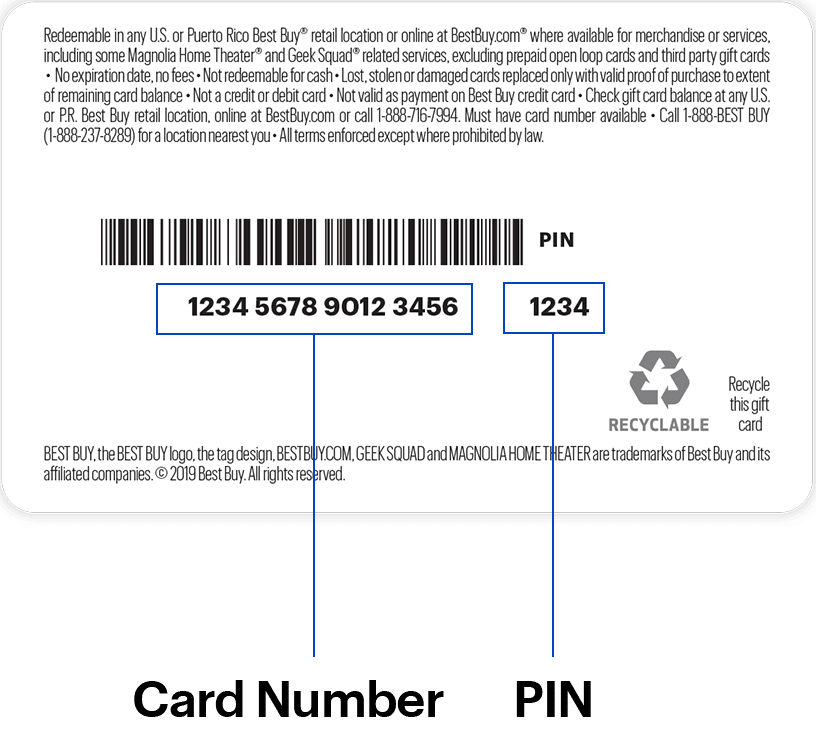
Typically, you’ll need to locate the gift card number (often 16 digits, similar to a credit card) and a PIN (Personal Identification Number), which is usually found on the back of the card, often concealed under a scratch-off strip. Once these details are entered into the designated fields on the website, the remaining balance is instantly displayed.
This method offers 24/7 access, allowing you to check balances from anywhere with an internet connection, and is particularly useful for managing multiple cards or digital gift cards. Many sites also allow you to save card details for future reference, streamlining the process even further.
Phone Call: The Direct Approach
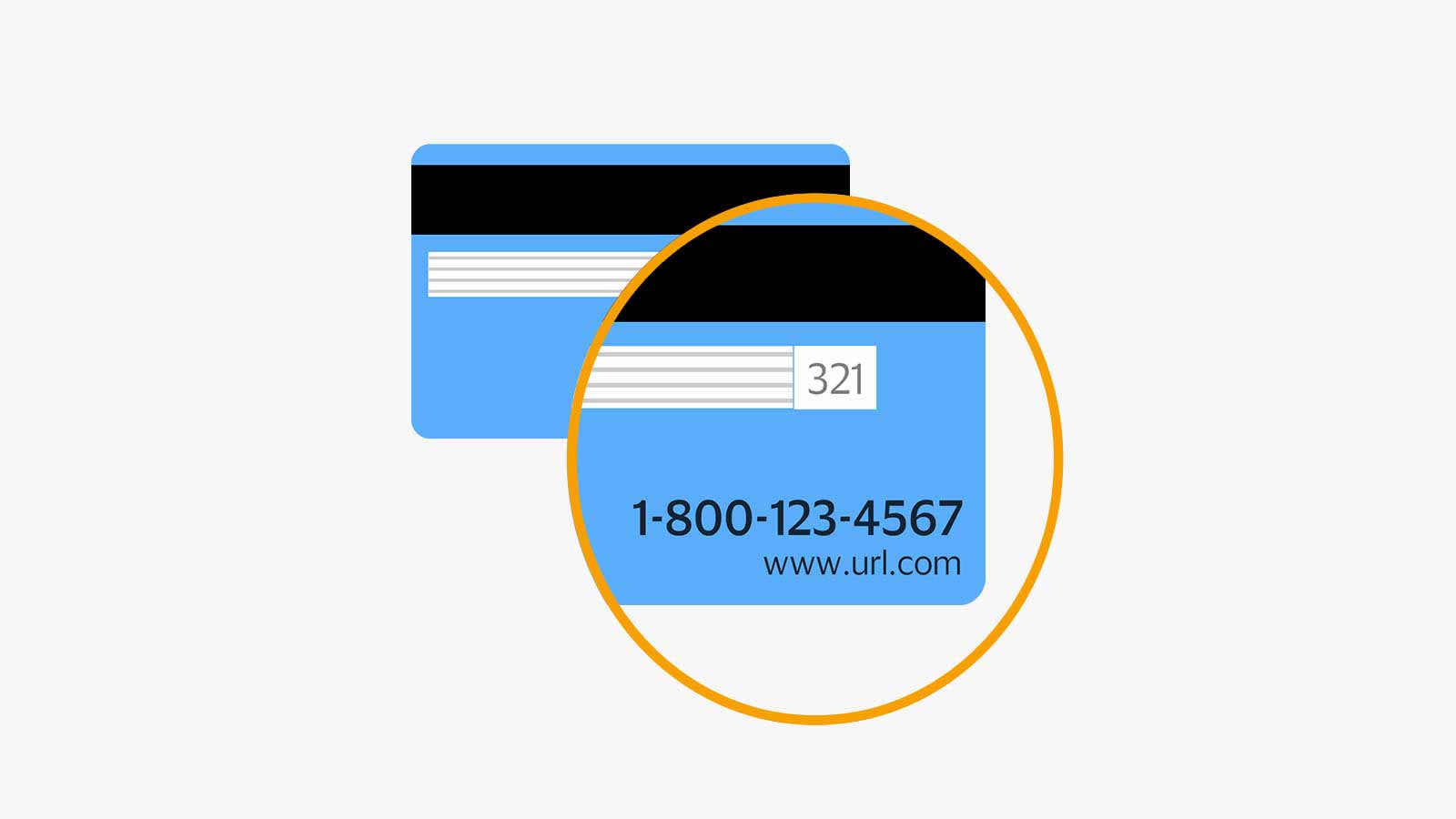
For those who prefer direct interaction or when online options are not readily available, a phone call to customer service remains a reliable method. Most gift cards, whether store-specific or open-loop (like Visa or MasterCard gift cards), will have a toll-free customer service number printed on the back.
Upon calling, you will typically navigate through an automated system, which will prompt you to enter the gift card number and sometimes the PIN. In some cases, especially for older or more obscure cards, you might need to speak with a customer service representative.
This method is particularly useful for cards where the online portal might be difficult to find or navigate, or if you encounter issues with the card online. It’s also a good fallback if you don’t have internet access. Ensure you have the physical card handy when making the call to quickly provide all necessary details.
In-Store Inquiry: The Hands-On Method
If you’re planning a visit to the retailer anyway, checking the balance directly at the store is an effective and immediate option. Most cashiers or customer service desks are equipped to scan a gift card and instantly tell you the remaining balance. This method can be reassuring as it offers immediate verification and allows you to ask any follow-up questions directly to an employee. It’s especially useful for physical gift cards where you might prefer to confirm the balance right before making a purchase. While less convenient for quick checks from home, it’s a solid option when you’re already at the point of sale or if other methods prove difficult.
Receipt Check: A Quick Glance
For some retailers, particularly those with sophisticated point-of-sale systems, the remaining balance on a gift card is automatically printed on the receipt after a transaction. This is a convenient feature that provides an instant update without requiring any additional steps. While not all retailers offer this, it’s always worth glancing at your receipt after using a gift card to see if the balance is included. This passive method of tracking can help you keep an ongoing tab of your remaining funds with minimal effort.

Navigating Challenges and Maximizing Gift Card Utility
While checking balances is generally straightforward, certain scenarios can pose challenges. Understanding how to navigate these, along with strategies for optimizing the use of your gift cards, is key to unlocking their full financial potential and preventing money from being wasted.
Lost PINs or Unreadable Card Numbers
One of the most common challenges is a lost PIN or an unreadable gift card number. If the scratch-off strip covering the PIN has been damaged, or if the card number itself has faded or been defaced, checking the balance can become difficult. In such cases, your best course of action is to contact the issuer’s customer service directly. They may be able to look up the card using alternative identifiers (like the activation code if you have the original purchase receipt, or the activation date), or guide you on steps to replace the card. It’s crucial to retain original purchase receipts for this very reason, as they can serve as proof of ownership and contain vital activation information. Proactively taking a photo of the card’s front and back upon receipt can also be a valuable safeguard against physical damage or loss.
Brand-Specific vs. Universal Gift Cards
It’s important to distinguish between brand-specific (closed-loop) gift cards and universal (open-loop) gift cards. Brand-specific cards (e.g., a Starbucks card, an Amazon gift card) can only be used at that particular retailer or its affiliates. Universal gift cards, such as Visa, MasterCard, or American Express gift cards, function much like debit cards and can be used anywhere their respective card networks are accepted. The method for checking balances differs. For brand-specific cards, you’ll go to that brand’s website or call their customer service. For universal cards, you’ll typically visit a website or call a number provided by the card’s issuing bank (e.g., “Check My Visa Gift Card Balance” on a general Visa gift card portal). Understanding this distinction prevents frustration and ensures you use the correct channels for inquiry.
Consolidating Small Balances: The Power of Aggregation
Many gift cards are left with small, inconvenient balances after a purchase. These small amounts are often forgotten or deemed too trivial to bother using, contributing significantly to the unused billions. However, from a financial perspective, every dollar counts. Consider strategies to aggregate these small balances. For instance, if you have several small balances for the same retailer, you might be able to combine them onto a single new gift card at the customer service desk (though policies vary). Alternatively, you can use these small amounts to chip away at a larger purchase, paying the remainder with cash or credit. Even using a $3 balance to cover a small item like a coffee or snack ensures that the money isn’t wasted. Aggregating or strategically using small balances is a disciplined financial habit that prevents “penny leakage.”
Selling or Swapping Unwanted Gift Cards
Sometimes you receive a gift card for a retailer you never shop at or for an item you don’t need. Instead of letting it go unused, consider leveraging the burgeoning secondary market for gift cards. Several reputable online platforms allow you to sell unwanted gift cards for cash, typically at a slight discount to their face value (e.g., selling a $50 card for $40-$45 cash). Other platforms facilitate swapping gift cards for ones you’d prefer. This is an excellent financial strategy for converting a “dead asset” into spendable cash or a more useful asset, ensuring that the value of the gift isn’t lost. Before using such services, always research the platform’s credibility and terms to ensure a secure transaction.
Best Practices for Gift Card Management
Effective gift card management extends beyond merely knowing how to check a balance. It involves cultivating habits that ensure these financial instruments are utilized to their fullest potential, preventing loss, expiration, and dormancy fees. By integrating these best practices into your routine, you transform gift cards from potential liabilities into true assets that complement your overall financial health.
Regular Balance Checks: A Habit for Financial Health
Make checking gift card balances a regular part of your financial routine. Just as you might check your bank account balance before a major purchase, do the same for gift cards you intend to use. This habit is especially crucial before heading to a store or making an online purchase. Proactive checking prevents the frustration of an unexpected decline and ensures you always know your exact spending power. Consider checking balances quarterly, or whenever you organize your wallet or digital accounts. This small, consistent effort contributes significantly to your financial awareness and prevents forgotten funds.
Record Keeping: The Digital Spreadsheet or Physical Log
For individuals who frequently receive or use gift cards, maintaining a simple record-keeping system can be invaluable. This could be a digital spreadsheet (using tools like Excel or Google Sheets) or even a dedicated physical logbook. For each gift card, record essential details such as:
- Retailer/Issuer: Who the card is for.
- Card Number & PIN: Crucial for online checks and customer service.
- Original Balance: The initial value of the card.
- Current Balance: Updated after each use or balance check.
- Date Received/Activated: Helps track potential expiry dates or dormancy periods.
- Expiry Date (if applicable): Essential to prevent loss of value.
- Notes: Any specific terms or conditions.
This systematic approach provides a centralized view of all your gift card assets, making management significantly easier and reducing the risk of oversight.
Setting Reminders: Preventing Expiry and Dormancy Fees
Gift cards are not immortal; many come with expiry dates or inactivity (dormancy) fees. While federal law prohibits most gift cards from expiring for at least five years from the date of issuance or last reload, state laws can vary, and dormancy fees can still chip away at the value of an unused card after a certain period (e.g., 12 months of inactivity). To combat this, set reminders in your digital calendar or use a task management app for cards with approaching expiry dates or potential dormancy fees. A reminder a month or two before an expiry date gives you ample time to use the card. This proactive step ensures that you don’t lose value due to an oversight, treating gift cards with the same vigilance you would any other financial asset.
Treating Gift Cards Like Cash: A Mindset Shift
Perhaps the most important best practice is a fundamental shift in mindset: treat gift cards exactly like cash. A $25 gift card to your favorite coffee shop is not “extra” or “play money”; it is $25 of real purchasing power. This perspective encourages responsible use, prevents impulsive decisions, and fosters a greater appreciation for the value they represent. By valuing gift cards as real money, you’re less likely to misplace them, let them expire, or forget about them. This mindset aligns perfectly with broader principles of sound personal finance, where every dollar is accounted for, managed efficiently, and utilized to support your financial goals.
In conclusion, understanding how to check the balance on a gift card is more than a simple convenience; it’s a vital component of informed financial management. By adopting the practical methods and best practices outlined above, you empower yourself to maximize the value of every gift card you receive or purchase. This proactive approach not only prevents financial leakage and frustrating surprises but also reinforces essential habits of budgeting, tracking, and valuing your monetary resources. Treat your gift cards with the respect and diligence they deserve, and they will consistently contribute positively to your financial well-being.
aViewFromTheCave is a participant in the Amazon Services LLC Associates Program, an affiliate advertising program designed to provide a means for sites to earn advertising fees by advertising and linking to Amazon.com. Amazon, the Amazon logo, AmazonSupply, and the AmazonSupply logo are trademarks of Amazon.com, Inc. or its affiliates. As an Amazon Associate we earn affiliate commissions from qualifying purchases.