
For countless travelers, the allure of American Express Membership Rewards points represents more than just a loyalty program; it’s a powerful financial tool for reducing travel costs and unlocking aspirational journeys. The ability to transform everyday spending into global adventures is a significant perk, but the question “how many American Express points for a flight?” rarely has a simple, one-size-fits-all answer. Instead, it’s a dynamic equation influenced by a multitude of factors, from your chosen redemption method to the airline, route, and time of year.
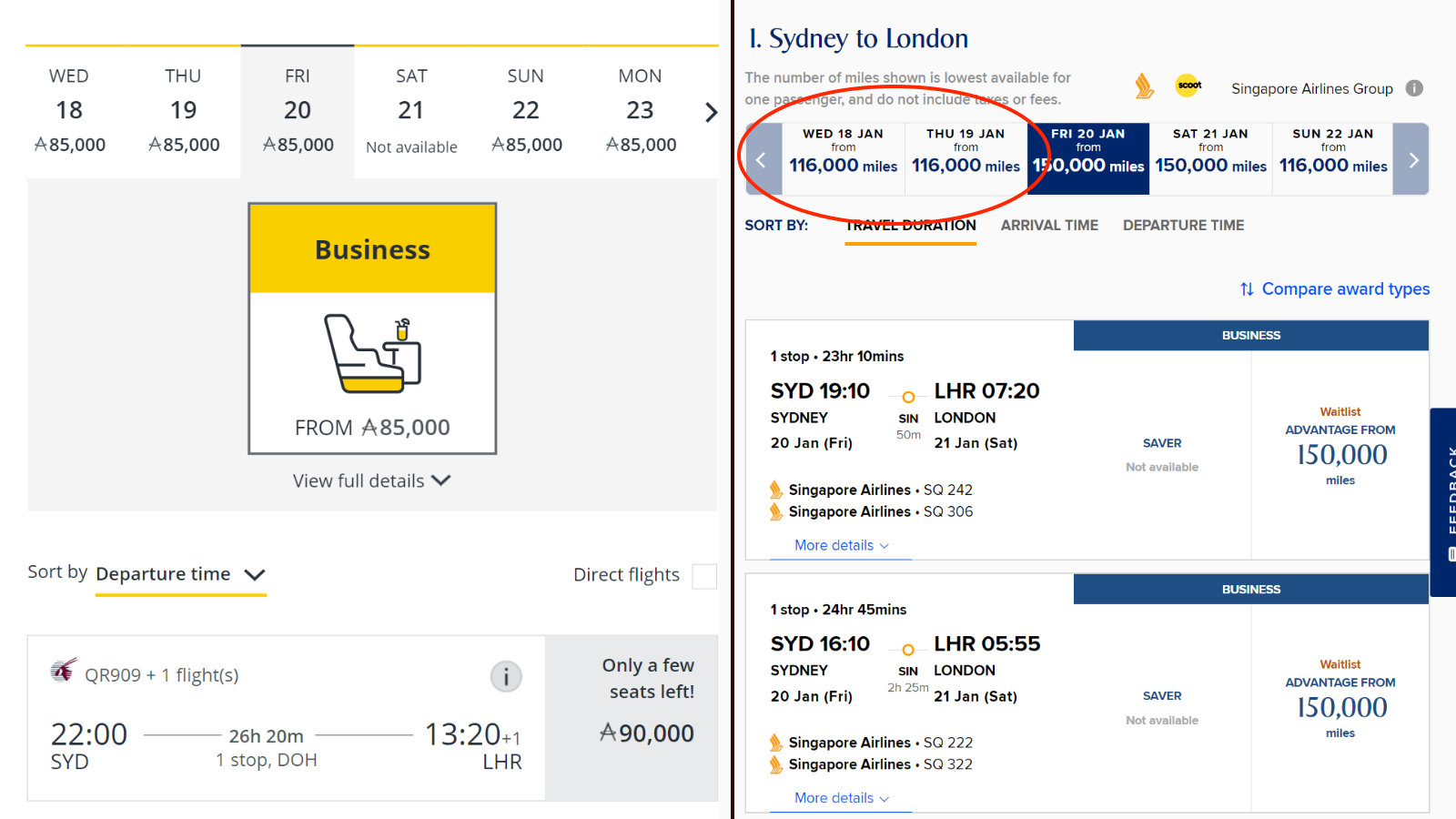
Understanding this variability is crucial for any savvy financial planner looking to maximize the return on their Membership Rewards investment. This article will delve into the intricacies of redeeming Amex points for flights, providing a professional, insightful, and engaging guide to help you navigate the options and achieve the highest possible value from your hard-earned points.
Understanding American Express Membership Rewards: The Basics
Before diving into the specifics of flight redemptions, it’s essential to grasp the fundamental nature of American Express Membership Rewards (MR) points. These points are a flexible currency, distinct from airline-specific miles or hotel points, making them incredibly versatile for strategic financial planning around travel.
What are Membership Rewards Points?
Membership Rewards points are the cornerstone loyalty currency earned on a range of American Express credit cards, including popular options like The Platinum Card, Gold Card, Green Card, and various business cards. Unlike co-branded airline cards that funnel points directly into a single airline program, MR points reside in your Amex account, allowing you to choose how and when to deploy them. This flexibility is their greatest strength, providing a powerful lever in your personal finance toolkit.
Earning Points: Strategies for Accumulation
The accumulation of MR points is primarily driven by credit card spending, often amplified by category bonuses and lucrative sign-up offers. Cards like the Amex Gold Card offer accelerated earning rates on everyday purchases such as dining and groceries, while The Platinum Card excels in travel-related spending. Strategic use of these cards, aligning spending with bonus categories, and diligently pursuing sign-up bonuses are fundamental financial strategies for building a substantial point balance. It’s a game of informed spending, where every dollar spent is a step closer to your next flight.
The Different Ways to Redeem Points: A Financial Overview
While our focus here is on flights, it’s important to acknowledge the broader redemption landscape for MR points. Amex offers various redemption options, each with a different “cents per point” (CPP) value, which is a critical financial metric:
- Travel (Flights, Hotels, Car Rentals) via Amex Travel Portal: Generally offers a fixed value, typically 1 cent per point for flights and prepaid hotels.
- Transfer to Airline and Hotel Partners: This is often where the highest value lies, enabling you to convert MR points into airline miles (e.g., Delta SkyMiles, British Airways Avios, Air Canada Aeroplan) or hotel points (e.g., Marriott Bonvoy, Hilton Honors). Values can vary wildly, often exceeding 1 CPP.
- Statement Credits: Redeeming points for a statement credit usually yields a significantly lower value, typically 0.6 cents per point, making it a financially suboptimal choice for most users.
- Gift Cards, Merchandise, Shopping: These options also tend to offer poor value, often below 1 CPP, and should generally be avoided if maximizing financial return is your goal.
For the purpose of flight redemptions, the primary financial decision lies between booking directly through the Amex Travel portal and transferring to airline partners. This choice dictates the “how many points” answer.
The Variable Equation: Factors Influencing Flight Point Costs
The elusive answer to “how many Amex points for a flight?” hinges on a complex interplay of factors. There is no flat rate; instead, the cost is a dynamic reflection of your redemption strategy and market conditions. Understanding these variables is key to making financially astute decisions.
Direct Bookings via Amex Travel Portal: The Fixed Value
One straightforward way to use your Membership Rewards points for flights is by booking directly through the Amex Travel portal. When you use this method, your points typically have a fixed value of 1 cent per point. For example, a flight costing $300 would require 30,000 Membership Rewards points.
This method offers simplicity and flexibility: you can book virtually any available flight from hundreds of airlines, without worrying about award availability or transferring points to specific loyalty programs. It’s especially useful for booking inexpensive flights where transferring points might not yield a significantly better return, or for routes where preferred airline partners don’t operate. However, it’s rare for this method to provide outsized value compared to strategic partner transfers. Financially, it serves as a baseline for comparison.
Transferring Points to Airline Partners: The Sweet Spot
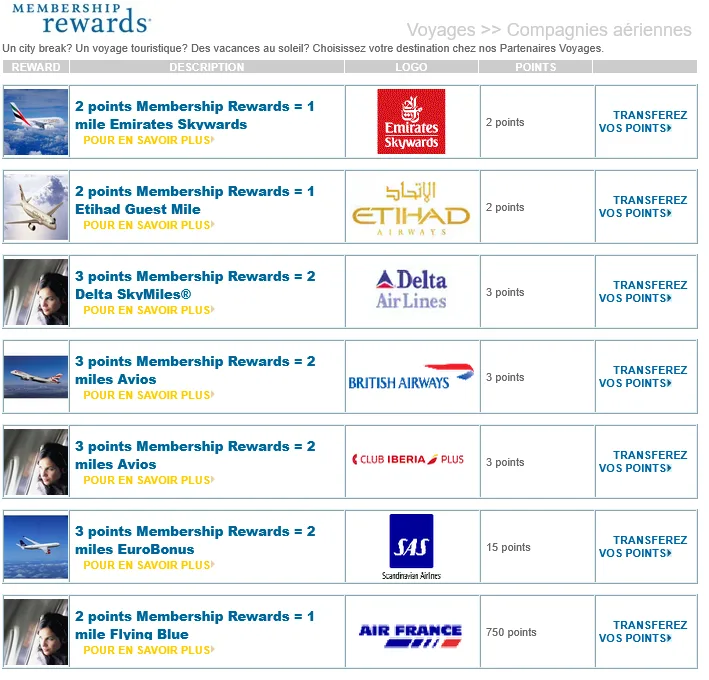
This is where the true potential for maximizing the financial value of your Membership Rewards points often lies. American Express partners with over a dozen airlines, allowing you to transfer your MR points into their respective frequent flyer programs, usually at a 1:1 ratio (though some partners may differ, and transfer bonuses are common). Once transferred, your points become airline miles, subject to that airline’s award chart and redemption rules.
The “sweet spot” emerges when you can redeem these transferred miles for flights that would cost significantly more cash. For example, a business class flight that costs $5,000 in cash might be available for 60,000 miles through an airline partner. If those 60,000 miles were converted from 60,000 MR points, you’ve effectively achieved a value of over 8 cents per point ($5,000 / 60,000 = $0.083), far exceeding the 1 cent per point from the Amex Travel portal.
Key considerations here include:
- Transfer Ratios: Most are 1:1, but always check.
- Transfer Bonuses: Amex frequently offers bonuses (e.g., 20% or 30% extra miles) when transferring to specific partners. These bonuses can dramatically increase the value of your points, making a good redemption an excellent one.
- Award Charts: Each airline partner has its own award chart, dictating how many miles are required for specific routes and classes of service. These charts are crucial financial documents for points users.
Route, Class, and Timing: Dynamic Pricing Effects
Regardless of whether you book via the Amex portal or through an airline partner, the actual cash cost (and thus the point cost) of a flight is heavily influenced by:
- Route: Popular long-haul international routes, especially in premium cabins, naturally command more points. Short-haul domestic flights are often cheaper.
- Class of Service: Economy class will always require fewer points than business or first class. However, the per-point value can often be higher in premium cabins due to their disproportionately higher cash price. This is a key financial calculation for aspirational travel.
- Timing: Like cash fares, award space is subject to supply and demand. Peak travel seasons (holidays, summer) and last-minute bookings typically require more points or have limited availability. Booking well in advance or during off-peak seasons can significantly reduce point costs.
- Flexibility: Being flexible with your travel dates and even destination can unlock significantly cheaper award flights.
Carrier Choice: Alliance Memberships and Partner Redemptions
Many Amex airline partners are part of major global alliances (Star Alliance, Oneworld, SkyTeam). This means you can often use miles from one airline (e.g., Avianca LifeMiles, an Amex partner in Star Alliance) to book a flight on another alliance member (e.g., United Airlines). This expands your redemption options considerably and is a powerful strategy for finding the best point deals, even when the operating carrier isn’t a direct Amex transfer partner. The financial leverage this provides is immense.
Maximizing Your Membership Rewards: Strategies for Optimal Redemptions
Leveraging Amex Membership Rewards points for flights is an art and a science, blending astute financial planning with strategic travel hacking. The goal is to consistently achieve a “cents per point” value significantly higher than the baseline 1 CPP from the Amex Travel portal.

Identifying High-Value Airline Transfer Partners
Not all airline partners are created equal when it comes to maximizing value. Some programs consistently offer “sweet spots” for certain routes or cabins. Research is paramount:
- ANA Mileage Club (Star Alliance): Excellent for round-the-world itineraries and business/first class flights to Asia, often with reasonable fuel surcharges for partner airlines.
- Virgin Atlantic Flying Club: Known for fantastic redemptions on Delta One (business class) flights to Europe or domestic U.S. routes, often requiring fewer miles than Delta’s own SkyMiles program.
- British Airways Executive Club (Oneworld): Ideal for short-haul, direct flights on British Airways or partner airlines (like American Airlines) due to their distance-based award chart. Long-haul, premium cabin redemptions on BA itself can incur high fuel surcharges.
- Air Canada Aeroplan (Star Alliance): A versatile program with a zone-based award chart, offering good value for flights to various regions, especially North America to Europe or Asia.
- Avianca LifeMiles (Star Alliance): Often features competitive pricing for Star Alliance business class flights with lower surcharges compared to other programs.
The key is to understand your target destination and desired cabin, then cross-reference with the award charts of various Amex transfer partners that serve that region.
Leveraging Transfer Bonuses
One of the most impactful strategies for boosting the value of your MR points is to take advantage of Amex transfer bonuses. These promotions, which typically range from 15% to 40% additional miles, occur periodically with various airline partners. For example, a 25% bonus means that 10,000 MR points become 12,500 airline miles. This directly reduces the effective cost of your flight in terms of MR points and significantly increases your CPP value. A financially prudent approach involves waiting for these bonuses before transferring points for a planned redemption.
The Power of Flexibility: When to Fly and Where to Go
Flexibility is your greatest asset in the world of award travel.
- Dates: Being able to travel on off-peak days (mid-week, outside major holidays) or during shoulder seasons will dramatically increase your chances of finding award availability at lower point costs.
- Destinations: If you’re open to multiple destinations within a region, you can often pivot to the city with better award availability and lower point requirements.
- Layover Tolerance: Direct flights are convenient, but accepting a layover might open up more award options or cheaper point redemptions, especially when combining different alliance partners.
Comparing Amex Travel Portal vs. Partner Transfers: A Practical Guide
Before making any redemption, always perform a quick comparison:
- Check the cash price: Determine the dollar cost of the flight you want.
- Amex Travel Portal: Divide the cash price by 0.01 (1 cent per point) to get the MR points required.
- Airline Partner: Search for the same flight on potential airline partner websites for award availability and mile cost. Then, consider any current transfer bonuses.
Compare the MR points required for each option. If transferring points (even with a bonus) yields a CPP value significantly below 1 cent, booking via the Amex Travel portal might be the better financial decision. Conversely, if transferring allows for a redemption at 2, 3, or even 5+ cents per point, it’s almost always the superior choice.
Considering Taxes and Fees: The Cash Component
It’s crucial to remember that award flights are rarely “free.” You will almost always be responsible for paying taxes and sometimes significant carrier-imposed surcharges. These can range from minimal government taxes (e.g., $5.60 for a domestic U.S. flight) to hundreds or even over a thousand dollars for international premium cabin flights on certain airlines (notably British Airways and Lufthansa when booked through their own programs or some partners). Factor these cash costs into your overall financial assessment of an award redemption to determine the true value proposition.
Step-by-Step Guide to Booking Flights with Amex Points
Navigating the world of Amex point redemptions can seem daunting at first, but with a structured approach, it becomes a streamlined process for financially savvy travelers.
Researching Flight Availability and Point Costs
The journey begins with research, preferably before you even transfer a single point.
- Identify target flights: Use Google Flights, ITA Matrix, or airline websites to find cash flights for your desired route and dates. Note down the operating airline(s).
- Check partner award availability: If planning a transfer, use the award search engines of Amex airline partners. For example, to find Star Alliance availability, use Air Canada Aeroplan or United Airlines’ websites. For Oneworld, use British Airways Executive Club. For SkyTeam, use Delta’s website (though SkyMiles can be less transparent). Tools like AwardHacker or Seats.aero can provide a good starting point for understanding approximate point costs and identifying potential sweet spots across different programs.
- Compare Amex Travel vs. Partner: As discussed, quickly compare the cash price (and thus Amex Travel portal point cost) against the miles required by potential transfer partners.
Initiating the Transfer Process
Once you’ve identified a flight and confirmed award availability with an airline partner, and you’re confident it’s the best use of your points, it’s time to transfer:
- Log in to your Amex Membership Rewards account.
- Navigate to the “Transfer Points” section.
- Select your desired airline partner.
- Enter your frequent flyer account number. Ensure it matches the name on your Amex account exactly.
- Specify the number of points to transfer. Always transfer just enough for your desired redemption, as transfers are typically irreversible.
- Confirm the transfer.
Important Note: Transfers can be instant but sometimes take up to 24-48 hours. Never transfer points until you have confirmed award availability and are ready to book immediately, especially for popular routes where award space can disappear quickly.
Completing the Booking
After the points have appeared in your airline frequent flyer account (refresh your airline account or log back in), you can complete the booking:
- Log in to your airline frequent flyer account.
- Search for award flights again using your newly transferred miles.
- Select your desired flight.
- Pay any applicable taxes and fees using a credit card (consider one that offers travel insurance or bonus earning on travel).
- Receive your booking confirmation and ticket number.
Common Pitfalls and How to Avoid Them
- Transferring without confirmed availability: This is the most common mistake. Points are generally locked into the airline program and cannot be returned to Amex.
- Mismatched names: Ensure the name on your Amex account perfectly matches your airline frequent flyer account to avoid transfer issues.
- Transfer delays: While often instant, factor in potential delays, especially for critical bookings.
- Expiration policies: Be aware of the expiration policies of the airline miles you transfer to, though Amex MR points themselves generally don’t expire as long as your account is open and in good standing.
- Cancellation/Change Fees: Understand the airline’s policy for award ticket changes or cancellations, as fees can sometimes be substantial.
Is Redeeming Amex Points for Flights Always the Best Option?
While the potential for high-value flight redemptions is a hallmark of American Express Membership Rewards, it’s crucial to adopt a holistic financial perspective. Not every flight redemption is created equal, and sometimes, a different approach might yield better overall financial outcomes.
The Opportunity Cost of Point Redemptions
Every time you redeem Amex points for a flight, you’re making a financial decision that involves an opportunity cost. If you redeem points at 1.2 cents per point for an economy flight, but you could have redeemed them for a premium cabin flight at 4 cents per point, you’ve forgone the higher value. Similarly, if your alternative to using points was a cash payment that came from an interest-bearing account, you need to consider the foregone interest.
The “best” redemption isn’t just about maximizing CPP, but also about aligning with your personal financial goals and travel aspirations. For some, a solid 2 CPP for an economy flight that enables a trip they otherwise couldn’t afford is excellent. For others, only a 5+ CPP premium cabin redemption truly justifies the use of points.
When to Pay Cash Instead
There are situations where paying cash for a flight is the financially smarter move, even if you have a significant stash of Amex points:
- Low Cash Price, High Point Cost: If a flight is very cheap in cash (e.g., a $50 domestic hop), redeeming 5,000 Amex points directly through the portal (at 1 CPP) is acceptable, but transferring points for such a small redemption usually doesn’t make sense. More importantly, if the award chart for a partner airline demands a disproportionately high number of miles for a cheap cash flight, save your points.
- Poor Award Availability/High Surcharges: Sometimes, the only award space available demands an exorbitant number of miles, or the associated taxes and fees are so high that the “free” flight isn’t very free at all. In these cases, compare the total cash outlay (cash price vs. taxes/fees on an award ticket) and the value of the points saved, and opt for the cash payment.
- Earning More Points: If paying cash for a flight (especially an expensive one) allows you to use a credit card that earns a high rate of Amex points, you might be better off earning those new points and saving your existing stash for a higher-value redemption in the future.
Long-Term Financial Planning with Amex Points
Integrate your Amex points strategy into your broader personal finance and travel budgeting.
- Point Hoarding vs. Burning: While saving points for a dream redemption is valid, “hoarding” them indefinitely carries risks (devaluations, program changes). A balanced approach involves using points for good value redemptions within a reasonable timeframe, while also building towards larger goals.
- Diversification: Don’t put all your eggs in one points basket. While Amex MR are highly flexible, consider diversifying your point-earning strategies across different loyalty programs (e.g., airline-specific cards, hotel cards) to provide options if Amex partners devalue.
- Emergency Fund: Ensure your points aren’t seen as a substitute for a robust cash emergency fund. Points are for discretionary travel, not essential financial safety nets.
Ultimately, “how many American Express points for a flight?” is a question that requires an ongoing financial evaluation. By understanding the different redemption mechanisms, critically assessing value, and maintaining flexibility, you can transform your Membership Rewards points into an incredibly potent financial asset, making aspirational travel a tangible reality for a fraction of the cash cost.
aViewFromTheCave is a participant in the Amazon Services LLC Associates Program, an affiliate advertising program designed to provide a means for sites to earn advertising fees by advertising and linking to Amazon.com. Amazon, the Amazon logo, AmazonSupply, and the AmazonSupply logo are trademarks of Amazon.com, Inc. or its affiliates. As an Amazon Associate we earn affiliate commissions from qualifying purchases.