
Gift cards, ubiquitous in modern commerce, represent a unique financial instrument. They are, in essence, a prepaid form of currency, offering convenience for both givers and receivers. However, their very nature – often being physical cards with no immediate digital linkage to a bank account – means that managing them effectively requires a deliberate approach. A critical first step in this management is simply knowing their value. Understanding how to check a balance on a gift card is not merely a matter of curiosity; it’s a fundamental aspect of sound personal finance, ensuring you maximize the utility of these assets and avoid the common pitfall of letting their value erode unused.
This guide delves into the practical methods for verifying your gift card balance, framed within the broader context of intelligent financial management. From leveraging digital tools to understanding the underlying financial implications of card terms, we’ll explore how to treat gift cards not just as tokens, but as active components of your personal financial strategy.
The Financial Prudence of Knowing Your Gift Card Balance
In the landscape of personal finance, every dollar, whether physical, digital, or stored on a gift card, deserves attention. Neglecting to verify the balance on a gift card is akin to overlooking a portion of your cash savings. It represents a potential loss of value and a missed opportunity to optimize your spending and budgeting.
Avoiding Unused Funds and Maximizing Value
One of the most significant financial drawbacks of gift cards is the phenomenon of unused balances. Reports consistently show billions of dollars in gift card value going unredeemed annually. This isn’t just lost revenue for businesses; it’s lost purchasing power for consumers. Regularly checking balances ensures you’re aware of the funds available to you. By knowing what you have, you’re empowered to use it before it expires, becomes subject to dormancy fees, or is simply forgotten. This proactive approach transforms a dormant asset into an active one, contributing directly to your financial well-being. Maximizing value means ensuring every dollar you possess is available for its intended purpose, or repurposed strategically.
Budgeting and Financial Planning Integration
For those committed to meticulous budgeting and financial planning, gift cards can present a unique challenge and an opportunity. When you receive a gift card, it essentially becomes a designated fund for a specific merchant or category of goods/services. Incorporating these funds into your budget requires knowing their exact value.
For example, if you have a $50 gift card to a grocery store, you can factor that $50 into your weekly or monthly food budget, effectively reducing your out-of-pocket expenses. This allows you to allocate the cash you would have spent on groceries to another budget category, like savings or debt repayment. Without knowing the balance, integrating these “found funds” into your financial plan is impossible, leading to less accurate budget tracking and potentially suboptimal allocation of your liquid assets. Regular balance checks enable a more holistic view of your financial resources.
Preventing Overspending and Unexpected Declines
There’s a common scenario: you assume a gift card has a certain value, only to find it’s less than expected, or even zero. This can lead to embarrassment at the checkout counter and, more importantly, can disrupt your immediate spending plans. If you’ve planned to cover a $75 purchase with a gift card you thought had $100, discovering it only has $50 means you’ll need to cover the additional $25 out-of-pocket. If those funds aren’t readily available, it could lead to unexpected credit card usage or dipping into emergency funds.
By regularly checking your gift card balances, you eliminate guesswork. You go into a purchase knowing exactly how much value the card holds, preventing awkward situations, avoiding unnecessary debt, and ensuring your financial decisions are based on accurate information. This foresight is a cornerstone of responsible personal finance.
Practical Methods for Verifying Your Gift Card Value
The good news is that checking a gift card balance is typically a straightforward process, thanks to standardized procedures established by most issuers. While the exact steps might vary slightly between merchants and card types, the underlying methods remain consistent.
Online Verification: The Digital Gateway
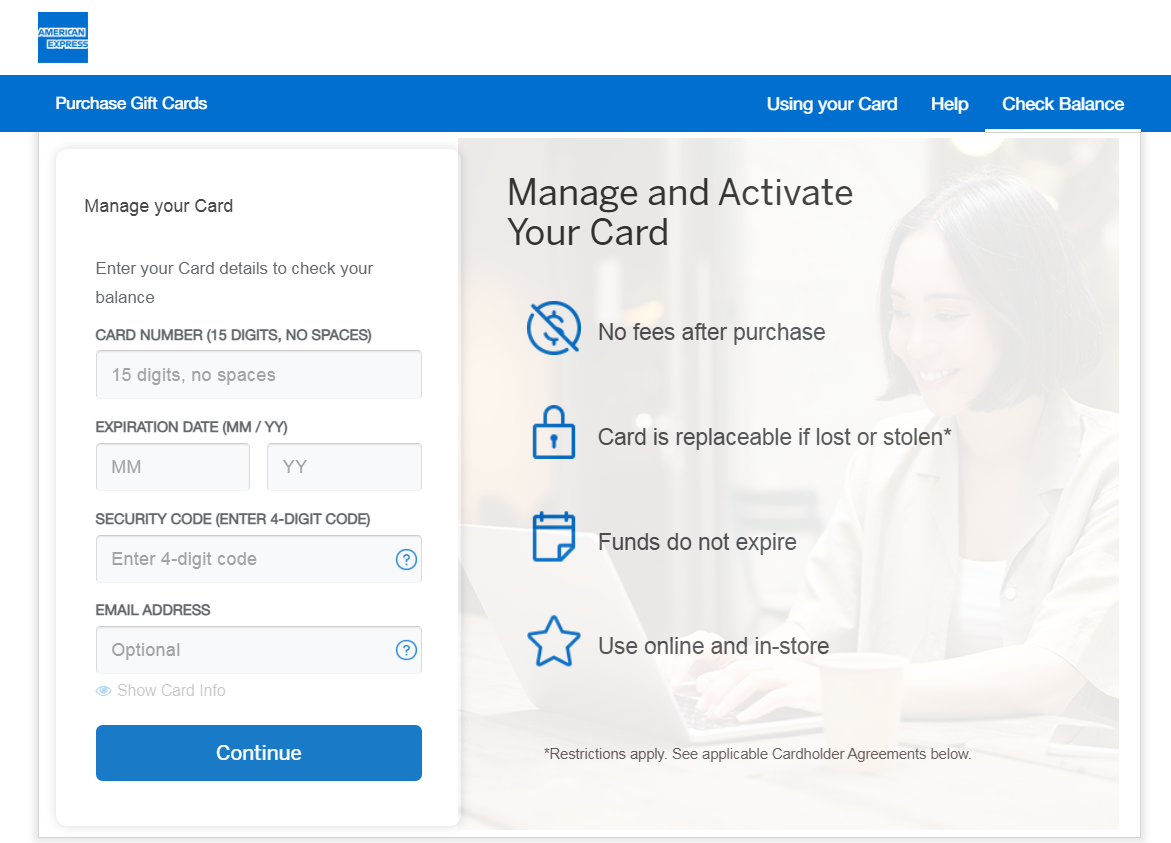
In today’s digitally connected world, checking a gift card balance online is often the most convenient and fastest method. Most major retailers and gift card issuers provide a dedicated section on their website for this purpose.
- Locate the Issuer’s Website: Start by identifying the card’s issuer (e.g., Target, Amazon, Visa, Mastercard). Navigate to their official website.
- Find the “Check Balance” Link: Look for a link usually labeled “Check Gift Card Balance,” “Gift Card Status,” “Customer Service,” or “Support.” This is often found in the footer of the website or within the customer service section.
- Enter Card Details: You will typically be prompted to enter the gift card number and a PIN (Personal Identification Number). The gift card number is usually a long sequence of digits on the back or front of the card. The PIN is often found under a scratch-off panel on the back for security purposes.
- Submit and View: After entering the required information, submit the query, and your balance will be displayed.
This method offers instant gratification and can be done from anywhere with an internet connection, making it ideal for pre-shopping checks.
Phone Support: Direct Communication with the Issuer
For those who prefer a more direct, human interaction, or in cases where online verification isn’t available or encounters issues, calling the issuer directly is an excellent alternative.
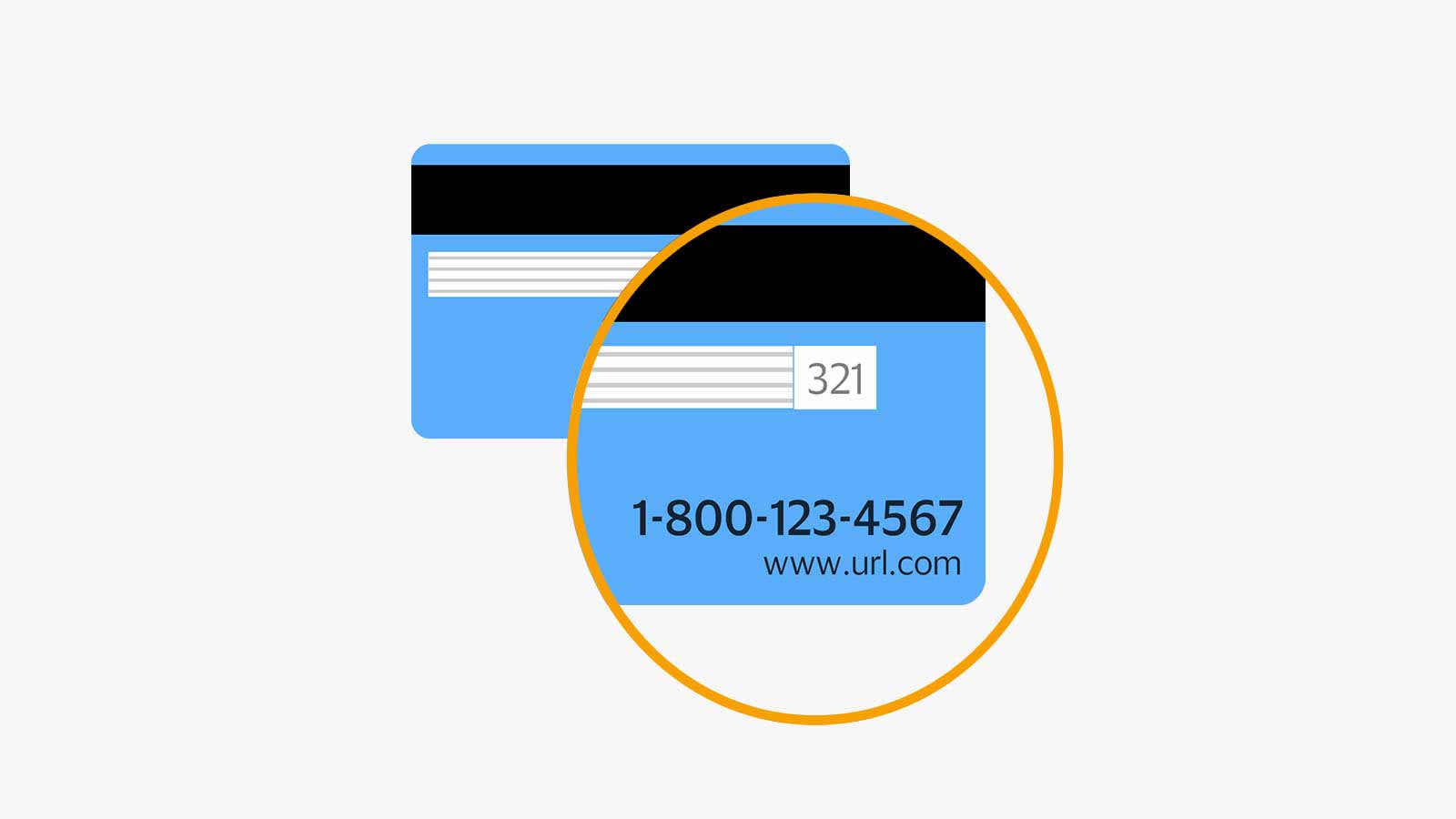
- Find the Toll-Free Number: The back of nearly every gift card will feature a toll-free customer service number. This is your direct line to the issuer’s support.
- Prepare Card Details: Have your gift card number and PIN (if applicable) ready before you call.
- Follow Prompts or Speak to an Agent: Upon calling, you might be directed through an automated system to enter your card details. Alternatively, you may need to wait to speak with a customer service representative who can manually check the balance for you.
Calling is a reliable method, especially useful for older cards, cards from smaller merchants, or when you encounter technical difficulties online.
In-Store Inquiry: Traditional and Reliable
If you’re already at the merchant’s physical location, checking the balance in-store is a quick and traditional approach.
- Approach Customer Service or Cashier: Head to the customer service desk or any checkout counter.
- Present Your Card: Simply hand your gift card to the associate and request a balance check.
- Receive Verification: The associate will usually swipe or manually enter the card details into their point-of-sale system and inform you of the remaining balance. They can often print a receipt showing the balance as well.
This method is particularly convenient if you plan to use the card immediately or prefer a physical confirmation of the balance.
Receipt and Packaging: Initial Clues
While not a direct method for checking a current balance, the original purchase receipt and the gift card packaging can offer crucial initial information, especially if the card is new or hasn’t been used yet.
- Original Purchase Receipt: The receipt from when the gift card was initially purchased will typically state the activation date and the initial loaded value. This serves as a baseline for your card’s value.
- Gift Card Packaging: Sometimes, the initial value or specific instructions for checking the balance are printed on the card’s packaging. Keep this information handy, particularly for lesser-known brands or specific promotional cards.
These items are useful for establishing the card’s history and finding the necessary details (like a website or phone number) for further verification.
Strategies for Managing Your Gift Card Portfolio
Effective management of gift cards goes beyond just checking balances; it involves treating them as a distinct category within your overall financial portfolio. By adopting strategic approaches, you can prevent value loss and integrate them smoothly into your spending habits.

Centralizing Information: Digital Wallets and Spreadsheets
Scattered gift cards are forgotten gift cards. To maintain control, centralize their information.
- Digital Wallet Apps: Many personal finance apps or dedicated gift card apps allow you to store gift card details digitally. You can often scan the card, and the app will track its balance (though sometimes you still need to manually update after use). This provides a single point of reference.
- Personal Spreadsheet/Log: For a more manual but equally effective approach, create a simple spreadsheet. Include columns for:
- Merchant Name
- Card Number
- PIN
- Initial Value
- Current Balance (updated periodically)
- Expiration Date (if any)
- Date Last Checked
- Notes (e.g., “Used $10 on 2/15”)
This system provides a clear overview and encourages regular balance checks.
Prioritizing Usage: Expiration Dates and Fees
Not all gift cards are created equal, especially concerning their terms and conditions.
- Expiration Dates: While federal law (CARD Act of 2009 in the US) dictates that most gift cards cannot expire for five years from their activation date, state laws may vary, and certain promotional cards might have shorter windows. Prioritize using cards with looming expiration dates to avoid forfeiture of funds.
- Dormancy/Inactivity Fees: Some cards may charge dormancy fees if they are not used for an extended period (e.g., 12 consecutive months). These fees chip away at the card’s balance. Identifying and using these cards promptly prevents unnecessary erosion of value. A well-managed gift card portfolio actively monitors these financial detriments.
Reselling or Trading Unwanted Gift Cards
What if you receive a gift card for a store you never frequent? Rather than letting it languish, consider converting it into a more useful financial asset.
- Gift Card Exchange Platforms: Websites exist specifically for buying and selling unwanted gift cards. You won’t get the full face value (typically 70-90%), but it converts a potentially unused asset into cash or another, more desirable gift card.
- Trade with Friends/Family: A simpler approach might be to trade with someone in your personal network who would value the card more. This can be a win-win, allowing both parties to optimize their gift card holdings.
This strategy transforms a non-ideal financial asset into a more liquid or relevant one, aligning with sound personal finance principles of optimizing resources.
Navigating Common Gift Card Challenges
Despite their convenience, gift cards are not without their potential pitfalls. Understanding how to address common issues is crucial for protecting their value and ensuring your financial resources are not compromised.
Lost or Stolen Cards: Steps to Mitigate Loss
Losing a gift card can feel like losing cash, and in many ways, it is. The key is swift action.
- Act Quickly: As soon as you realize a card is lost or stolen, locate its card number and PIN (if you’ve recorded them in your centralized system).
- Contact the Issuer Immediately: Call the customer service number on the back of the card (or the issuer’s general support line if you don’t have the card). Report it lost or stolen.
- Check Issuer Policy: Be aware that not all gift cards offer protection against loss or theft, especially open-loop cards (Visa, Mastercard, Amex) which are harder to trace without purchase records. Many store-specific cards, if registered, may offer replacement with the remaining balance. Always inquire about their specific policy for lost or stolen cards and if a replacement can be issued, often requiring the original purchase receipt. This highlights the importance of retaining purchase records and card details.
Understanding Fees and Expiration Policies
As mentioned earlier, fees and expiration dates are real financial considerations that can reduce the value of your gift cards.
- Read the Fine Print: Always review the terms and conditions printed on the card or available on the issuer’s website. These outline any potential dormancy fees, service fees, or expiration dates.
- Federal vs. State Laws: While the CARD Act provides federal protection, individual state laws may offer additional consumer protections. Familiarize yourself with regulations relevant to your location.
- Proactive Usage: The best defense against fees and expirations is proactive usage. Regularly check balances and integrate cards into your spending plans to deplete them before they become subject to these value-reducing factors.
Dealing with Declined Transactions and Low Balances
A declined transaction can be frustrating, especially if you believe there’s sufficient balance.
- Verify Balance: The first step is always to re-verify the exact balance using one of the methods described above.
- Check for Partial Use/Split Tender: If the balance is insufficient for the entire purchase, most merchants allow “split tender” transactions, where you use the gift card for its remaining value and pay the difference with another method (cash, credit/debit card).
- Understand Card Restrictions: Some gift cards might have restrictions (e.g., not usable online, specific departments only, minimum purchase requirement). Confirm these details with the issuer if you suspect they are causing a decline.
- Technical Issues: Occasionally, a merchant’s system might experience a temporary technical glitch. If the balance is confirmed, but the card still declines, try again later or at a different register, or contact the issuer.
Elevating Gift Cards Beyond Simple Transactions
Beyond their primary function as a payment method, gift cards can be cleverly integrated into more sophisticated personal finance strategies, serving as tools for budgeting, thoughtful gifting, and even earning rewards.
Using Gift Cards as Budgeting Tools
For those struggling with discretionary spending categories, gift cards can act as effective micro-budgets.
- Pre-Loading for Specific Expenses: Instead of allocating cash for specific discretionary categories like entertainment, dining out, or coffee, purchase a gift card for a set amount. This forces you to stick to that budget for that specific activity. Once the card is empty, that budget category is closed until the next period.
- Category-Specific Control: This method provides excellent control over spending in areas prone to overruns. For instance, a monthly “fun money” gift card limits impulse purchases without impacting core household budgets. It transforms a flexible cash allocation into a fixed, ring-fenced fund, a powerful budgeting technique.
Gifting Thoughtfully: Financial Implications for Recipients
When giving a gift card, consider the financial implications for the recipient.
- Choosing Relevant Merchants: Select merchants that align with the recipient’s known preferences and spending habits. A gift card to a store they love is a valuable financial asset; one to a store they dislike is a burden.
- Considering Denomination: Ensure the value is sufficient to make a meaningful purchase, or at least contribute significantly to one. Small, inconvenient balances are often left unused.
- Open-Loop vs. Closed-Loop: “Open-loop” cards (Visa, Mastercard) offer more flexibility as they can be used almost anywhere, effectively functioning like cash. “Closed-loop” cards are merchant-specific. While open-loop cards offer greater utility, they sometimes come with activation fees. Consider these financial trade-offs when choosing. A thoughtfully chosen gift card enhances the recipient’s financial flexibility.
Leveraging Gift Cards for Savings and Rewards
In certain scenarios, gift cards can indirectly contribute to savings or help you earn rewards.
- Promotional Deals: Retailers often offer promotions where you receive a bonus gift card with a qualifying purchase (e.g., “Buy $100 in groceries, get a $10 gas card”). If you would make the qualifying purchase anyway, the bonus gift card represents a direct saving.
- Credit Card Rewards: Some credit cards offer bonus points or cashback when purchasing gift cards from specific retailers or categories. If you plan to spend money at that retailer anyway, buying a gift card first with the right credit card can yield extra rewards. However, always ensure the rewards outweigh any potential gift card fees or risks. This is a subtle yet effective way to optimize your spending from a rewards perspective.
By adopting these sophisticated strategies, gift cards transition from simple transactional tools to valuable components of a well-rounded financial plan, proving that even the simplest financial instruments can be leveraged for greater economic benefit.
aViewFromTheCave is a participant in the Amazon Services LLC Associates Program, an affiliate advertising program designed to provide a means for sites to earn advertising fees by advertising and linking to Amazon.com. Amazon, the Amazon logo, AmazonSupply, and the AmazonSupply logo are trademarks of Amazon.com, Inc. or its affiliates. As an Amazon Associate we earn affiliate commissions from qualifying purchases.