
MicroStrategy, a publicly traded business intelligence company, has become virtually synonymous with Bitcoin in the minds of many investors and financial observers. Under the visionary leadership of its co-founder and former CEO, Michael Saylor, the company embarked on an unprecedented corporate strategy in August 2020: converting a significant portion of its corporate treasury into Bitcoin. This bold move fundamentally transformed MicroStrategy from a traditional software company into a proxy for Bitcoin exposure in the stock market, sparking intense debate and considerable financial scrutiny. The question of “how much BTC does MicroStrategy own?” is not just a query about an asset total; it’s a window into a high-stakes financial experiment that has redefined corporate treasury management for a new digital age.

MicroStrategy’s unwavering conviction in Bitcoin’s long-term value has led it to systematically accumulate vast quantities of the cryptocurrency, leveraging various financial instruments to fund its purchases. This strategy has positioned MicroStrategy as the largest corporate holder of Bitcoin globally, a status it has maintained through market rallies and downturns alike. For investors looking for exposure to Bitcoin without directly holding the asset, or for those analyzing the broader impact of institutional adoption on cryptocurrency markets, understanding the scale and financial implications of MicroStrategy’s holdings is paramount. This article delves into the precise mechanics of MicroStrategy’s Bitcoin strategy, its current holdings, the financial engineering behind its acquisitions, and the broader ramifications for its business and the investment landscape.
MicroStrategy’s Pioneering Bet on Bitcoin
The decision by MicroStrategy to convert its treasury assets into Bitcoin in mid-2020 marked a pivotal moment not just for the company, but for the entire cryptocurrency ecosystem. At a time when Bitcoin was largely seen as a speculative asset by mainstream finance, MicroStrategy’s move represented the first major public company to adopt Bitcoin as its primary treasury reserve asset, legitimizing its role as a potential store of value and inflation hedge for corporate balance sheets.
The Rationale Behind the Strategy
MicroStrategy’s shift was rooted in a deep-seated concern over macroeconomic trends, particularly rampant monetary expansion and the resulting depreciation of fiat currencies. Michael Saylor articulated a clear vision: traditional cash holdings were becoming a “melting ice cube” due to inflation, eroding shareholder value. He identified Bitcoin as “digital gold,” a superior inflation hedge, a scarce asset with a fixed supply, and a decentralized network immune to governmental interference. The company’s internal analysis concluded that holding Bitcoin offered a better long-term return and preservation of capital than traditional cash or short-term investments, especially in a zero-interest-rate environment. This belief positioned Bitcoin not merely as an investment, but as a strategic defense against economic uncertainty, aiming to protect and enhance shareholder value over time.
Michael Saylor’s Vision
At the heart of MicroStrategy’s Bitcoin strategy is the unwavering conviction of Michael Saylor. A vocal advocate for Bitcoin, Saylor transformed from a technology executive into a leading evangelist for the cryptocurrency. His belief extends beyond Bitcoin’s financial attributes; he sees it as an inevitable technological evolution, a superior monetary network that will underpin the global economy. Saylor’s articulate and passionate defense of Bitcoin, often citing its mathematical properties, energy consumption (as a security mechanism), and potential as a global store of value, has been instrumental in shaping MicroStrategy’s public image and investor perception. He actively engages with financial institutions, policymakers, and the public to promote Bitcoin education, positioning MicroStrategy not just as an investor, but as a thought leader in the space.
Initial Investment and Subsequent Buys
MicroStrategy’s initial foray into Bitcoin began in August 2020 with a purchase of 21,454 BTC for $250 million, followed by another $175 million acquisition in September. These initial buys established the foundation of their digital treasury. What started as a strategic allocation quickly evolved into an ongoing accumulation strategy. The company has consistently added to its Bitcoin holdings through various market conditions, often making purchases in multi-million dollar increments. These acquisitions are publicly announced and detailed in their financial filings, providing transparency into their expanding digital asset portfolio. Over the years, MicroStrategy has demonstrated an opportunistic approach, buying during market dips and leveraging multiple funding mechanisms to expand its Bitcoin stack, cementing its status as the most aggressive corporate adopter of Bitcoin.
The Mechanics of MicroStrategy’s Bitcoin Acquisition
MicroStrategy’s strategy is not simply about buying Bitcoin; it involves a sophisticated financial engineering approach to fund these acquisitions. The company has innovated methods to leverage its balance sheet and access capital markets specifically for the purpose of acquiring more Bitcoin, transforming its financial structure in the process.
Funding the Bitcoin Treasury
To fuel its continuous Bitcoin acquisitions, MicroStrategy has employed a diversified funding strategy, moving beyond just using its existing cash reserves. A significant portion of its Bitcoin purchases has been funded through the issuance of convertible senior notes. These are debt instruments that can be converted into MicroStrategy common stock under certain conditions. This allows the company to raise capital at relatively low interest rates while offering investors the potential upside of equity conversion. Additionally, MicroStrategy has leveraged “at-the-market” (ATM) equity offerings, selling shares directly into the public market over time to raise capital. This strategy provides flexibility, allowing the company to raise funds efficiently when market conditions are favorable and to avoid diluting shareholders excessively at any single point. Both methods underscore MicroStrategy’s commitment to expanding its Bitcoin treasury, even if it means altering its capital structure.
The Role of Debt in Bitcoin Strategy
MicroStrategy’s use of debt, particularly convertible notes, to finance Bitcoin purchases is a critical aspect of its financial strategy and a point of considerable debate. By issuing low-interest debt, the company essentially borrows at a fixed cost with the expectation that Bitcoin’s appreciation will outpace the cost of borrowing. This leveraged bet amplifies both potential returns and risks. Should Bitcoin’s price significantly decline, the company would still be obligated to service its debt, potentially facing liquidity challenges or margin calls if the debt is collateralized by Bitcoin itself. However, if Bitcoin continues its upward trajectory, the strategy dramatically enhances shareholder value by allowing MicroStrategy to accumulate more of the asset than it could with just its equity capital. This aggressive use of leverage highlights the company’s strong conviction in Bitcoin’s long-term value, but also exposes its financial health directly to the volatility of the cryptocurrency market.
Accounting for Digital Assets
The accounting treatment of Bitcoin and other digital assets presents unique challenges for public companies like MicroStrategy. Under current U.S. Generally Accepted Accounting Principles (GAAP), Bitcoin is classified as an “intangible asset with indefinite useful life.” This classification has significant implications. Specifically, companies must recognize impairment losses if the market value of their Bitcoin holdings falls below their cost basis at any point during a reporting period. However, they cannot report upward revaluations or gains until the assets are actually sold. This creates a one-sided accounting challenge: MicroStrategy must report quarterly impairment charges if Bitcoin’s price drops, even if the company has no intention of selling, making its financial statements appear more volatile than they might otherwise be. The current accounting standards do not reflect the true market value of the assets on the balance sheet at any given time, leading to potential discrepancies between book value and economic reality. This aspect makes interpreting MicroStrategy’s financial results complex for investors, often requiring a look beyond GAAP numbers to understand the true financial position of its Bitcoin treasury.
The Evolving Landscape of MicroStrategy’s Bitcoin Holdings

MicroStrategy’s Bitcoin holdings are not static; they are a dynamic and continually growing asset base, reflecting the company’s ongoing acquisition strategy. Understanding the magnitude and impact of these holdings requires constant attention to the company’s public disclosures and market movements.
Tracking the Current Holdings
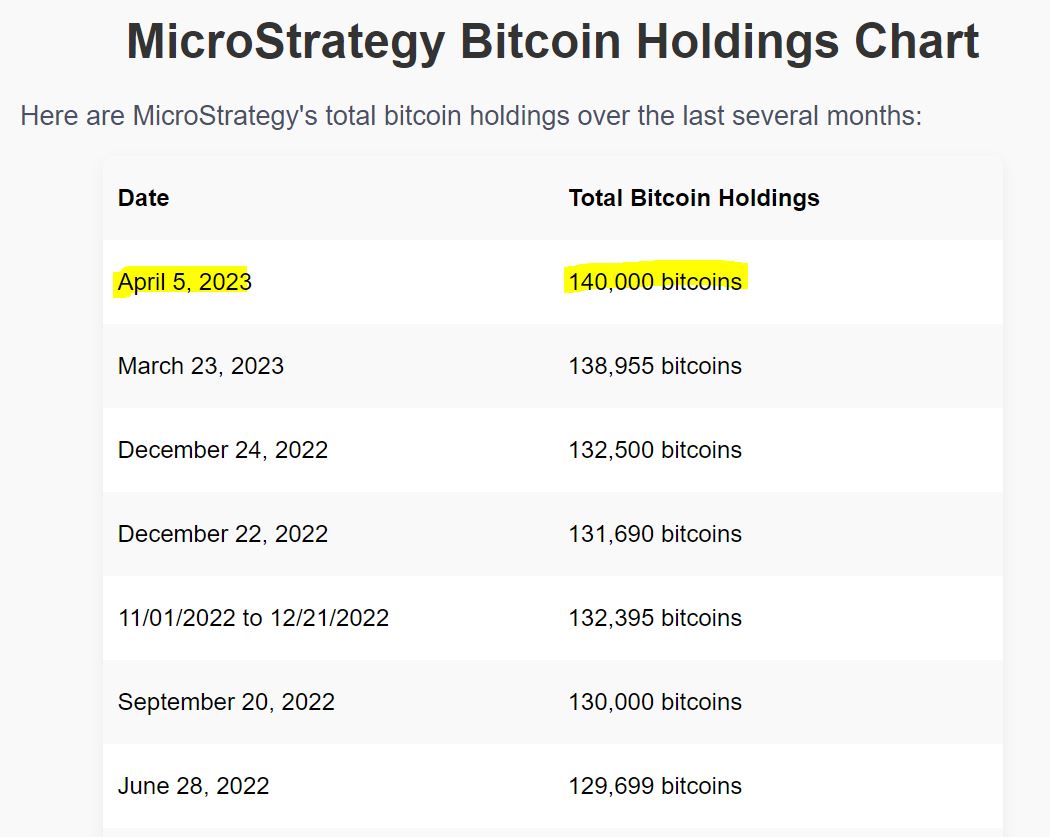
As of its latest public disclosures (investors should always refer to MicroStrategy’s official filings, such as 8-K reports and quarterly earnings releases, for the most up-to-date and accurate figures), MicroStrategy holds a substantial amount of Bitcoin. These figures are periodically updated as the company makes additional purchases. For instance, by early 2024, the company’s total Bitcoin holdings had surpassed 200,000 BTC, acquired at an aggregate cost basis well into the billions of dollars. This makes MicroStrategy by far the largest publicly traded corporate holder of Bitcoin globally. The precise number and average acquisition cost are critical metrics that financial analysts and investors scrutinize, as they directly impact the company’s balance sheet, profitability metrics (especially regarding potential impairment charges), and overall market valuation. Websites like Bitcoin Treasuries also track these holdings, but official company reports remain the definitive source.
Valuation and Market Impact
The value of MicroStrategy’s Bitcoin holdings fluctuates daily with the highly volatile cryptocurrency market. When Bitcoin’s price rallies, the market value of MicroStrategy’s treasury surges, often leading to a corresponding increase in its stock price (MSTR). Conversely, a significant drop in Bitcoin’s price can lead to substantial impairment charges on MicroStrategy’s income statement and a decline in its stock valuation. This direct correlation means that MSTR’s stock often trades as a leveraged proxy for Bitcoin itself. Investors are essentially buying exposure to Bitcoin through a publicly traded equity, complete with the operational overhead of a software company and the financial leverage applied to its Bitcoin strategy. This dynamic makes MicroStrategy’s stock performance intimately tied to Bitcoin’s performance, overshadowing its core software business in the eyes of many investors.
Shareholder Implications
For MicroStrategy shareholders, the Bitcoin strategy presents a unique risk/reward profile. On the one hand, if Bitcoin achieves Michael Saylor’s long-term price targets, shareholders stand to benefit immensely from the significant appreciation of the company’s primary asset. The leveraged nature of their acquisitions could magnify these returns. On the other hand, the strategy introduces substantial volatility and risk. Bitcoin’s price can experience dramatic downturns, leading to significant paper losses and potential liquidity concerns if debt obligations become problematic. Furthermore, the company’s ability to issue new equity or debt to buy more Bitcoin means there’s a constant tension between expanding the Bitcoin treasury and potential shareholder dilution. Shareholders are effectively betting on Saylor’s vision and Bitcoin’s long-term success, accepting a higher level of financial risk than typically associated with a traditional software company.
Strategic Implications and Future Outlook
MicroStrategy’s pioneering Bitcoin strategy has had profound implications, not only for its own future but also for the broader corporate and financial landscapes. Its actions have set a precedent and sparked crucial discussions about the role of digital assets in corporate finance.
A Model for Corporate Treasury Management?
MicroStrategy’s success (or challenges) with its Bitcoin strategy serves as a critical case study for other public companies considering similar moves. While many corporations remain cautious, MicroStrategy has demonstrated that it is possible for a publicly traded entity to integrate Bitcoin into its treasury strategy on a massive scale. The model offers insights into capital allocation, risk management for digital assets, and navigating regulatory and accounting complexities. Should Bitcoin continue to gain wider acceptance and demonstrate sustained growth, more companies might begin to allocate a portion of their treasuries to the cryptocurrency. However, the high volatility and current accounting rules still deter many CFOs, making MicroStrategy’s approach an outlier for now, though a compelling one for those who share Saylor’s long-term vision.
Regulatory Scrutiny and Future Challenges
The sheer scale of MicroStrategy’s Bitcoin holdings and its aggressive financial engineering naturally attract significant regulatory attention. Governments and financial watchdogs are increasingly scrutinizing the cryptocurrency market, focusing on aspects like money laundering, investor protection, and systemic risk. Any future regulatory changes impacting Bitcoin’s legal status, taxation, or how digital assets are treated by financial institutions could directly affect MicroStrategy’s operations and the valuation of its holdings. Furthermore, the company faces ongoing challenges related to market volatility, potential competition from Bitcoin ETFs (which offer direct, less leveraged exposure to the asset), and the ongoing debate surrounding Bitcoin’s environmental impact. Navigating this evolving regulatory and market landscape will be crucial for the long-term viability and success of MicroStrategy’s strategy.
Long-Term Vision and Potential Exit Strategies
Michael Saylor and MicroStrategy have consistently stated that their Bitcoin strategy is a long-term commitment, often referring to it as an “endogenous growth strategy” rather than a speculative trade. They view Bitcoin as a foundational technology for the future of money and have no immediate plans to sell their substantial holdings. However, in the realm of corporate finance, all strategies inherently have potential exit considerations, even if not explicitly planned. An “exit” for MicroStrategy might not be a full divestment but could involve leveraging its Bitcoin holdings in new ways, such as collateralizing loans for further business expansion, or even participating in Bitcoin-backed financial products as the market matures. The ultimate goal, as articulated, is to create enduring shareholder value by preserving capital in a superior asset. The company’s long-term vision positions it to benefit from Bitcoin’s global adoption, with its software business potentially integrated with Bitcoin’s layer-2 technologies and related services.
Conclusion: A High-Stakes Financial Experiment
MicroStrategy’s journey into Bitcoin is arguably one of the most audacious financial experiments in modern corporate history. By converting its treasury and continually accumulating Bitcoin through strategic capital raises, the company has staked its future on the long-term success of the world’s leading cryptocurrency. The question “how much BTC does MicroStrategy own?” is more than a simple numerical inquiry; it represents a profound strategic pivot, reflecting a deep conviction in a decentralized digital future and a significant departure from conventional corporate treasury management.
Summary of MSTR’s Unique Position
MicroStrategy stands alone among publicly traded companies in the sheer scale and unwavering commitment to its Bitcoin-first treasury strategy. Its leadership, particularly Michael Saylor, has become synonymous with institutional Bitcoin adoption, transforming a business intelligence firm into a primary vehicle for gaining leveraged exposure to Bitcoin in the equity markets. This unique position has attracted a dedicated investor base that believes in Bitcoin’s potential, but it also carries inherent risks tied to the asset’s notorious volatility and the company’s leveraged financial structure. MicroStrategy is not just holding Bitcoin; it’s actively shaping the narrative around corporate adoption and demonstrating the financial engineering required to execute such a strategy.
Key Takeaways for Investors and Businesses
For investors, MicroStrategy offers a fascinating case study in high-conviction investing and the potential for a public company to reinvent itself around a single, transformative asset. It highlights the importance of understanding a company’s underlying assets and financial strategy, especially when it deviates significantly from traditional models. For businesses, MicroStrategy’s journey provides valuable lessons on evaluating alternative treasury assets, navigating new accounting standards for digital assets, and the complexities of leveraging capital markets for non-traditional investments. While not every company will follow MicroStrategy’s path, its bold move has undoubtedly broadened the conversation around Bitcoin’s role in corporate finance, challenging conventional wisdom and forcing a re-evaluation of what constitutes a stable and appreciating asset in an increasingly digital and inflationary global economy. The answer to how much BTC MicroStrategy owns continues to grow, and with it, the stakes of this unprecedented financial endeavor.
aViewFromTheCave is a participant in the Amazon Services LLC Associates Program, an affiliate advertising program designed to provide a means for sites to earn advertising fees by advertising and linking to Amazon.com. Amazon, the Amazon logo, AmazonSupply, and the AmazonSupply logo are trademarks of Amazon.com, Inc. or its affiliates. As an Amazon Associate we earn affiliate commissions from qualifying purchases.